Author:Used Wholesale Manufacturer TIME:2026-08-11
Mixed bale market coverage routing
Mixed used shoe bales can beat sorted loads when a buyer values category breadth and has a real route for distributing different pairs. They are not automatically cheaper, more profitable or suitable for every market. The decision depends on outlet coverage, local sorting capacity, accepted condition, size demand, price ladders and the cost of stock that lacks a destination after opening.

List each outlet, stall, reseller or distribution partner by customer mission, accepted categories, price band, condition tolerance, size demand and weekly capacity. Separate channels that can sell practical footwear, fashion, children's pairs, sports shoes, slippers or slower specialty stock.
A mixed bale creates value only when its breadth meets multiple active demand lanes. A single narrow shop may experience the same breadth as excess handling and slow inventory.
location and format
what customers seek
pairs per cycle
stock it cannot absorb
Choose a coverage unit that fits the business: filled outlet need, customer mission, price tier, size band or replenishment gap. Record the minimum sellable quantity for each lane and the time window in which coverage matters.
A bale with many labels but only a few useful pairs in each lane may look diverse without producing reliable coverage. Count accepted pairs that reach a named destination.
named demand lane
useful quantity
selling cycle
accepted pairs routed
This board links each business situation to the local capability needed to benefit from mixed stock.
| Situation | Potential mixed-bale value | Required capability | Prefer sorted when |
|---|---|---|---|
| Multi-outlet network | Breadth fills several demand lanes | Fast allocation and transfers | Outlets share one narrow mission |
| New demand test | One load reveals several signals | Pair-level sales feedback | Test needs one controlled category |
| Tiered resale | Condition and style can be routed | Consistent local grading | Rework space is limited |
| Regional distributor | Stock can move between towns | Traceable redistribution | Transport erases the benefit |
| Specialist retailer | Limited discovery lane | Strict cap and exit route | Core assortment must be predictable |
Market coverage is the number of useful destinations served, not the number of different labels found.
Write minimum shares for core categories and maximum shares for difficult concentrations, then add exclusions for prohibited or unsupported stock. Use ranges and tolerances that recognize second-hand variability while keeping the commercial purpose visible.
Size and condition can matter more than category labels. A strong category concentration with an unusable size curve or excessive rework does not close the intended coverage need.
essential category
concentration risk
usable size spread
no active destination
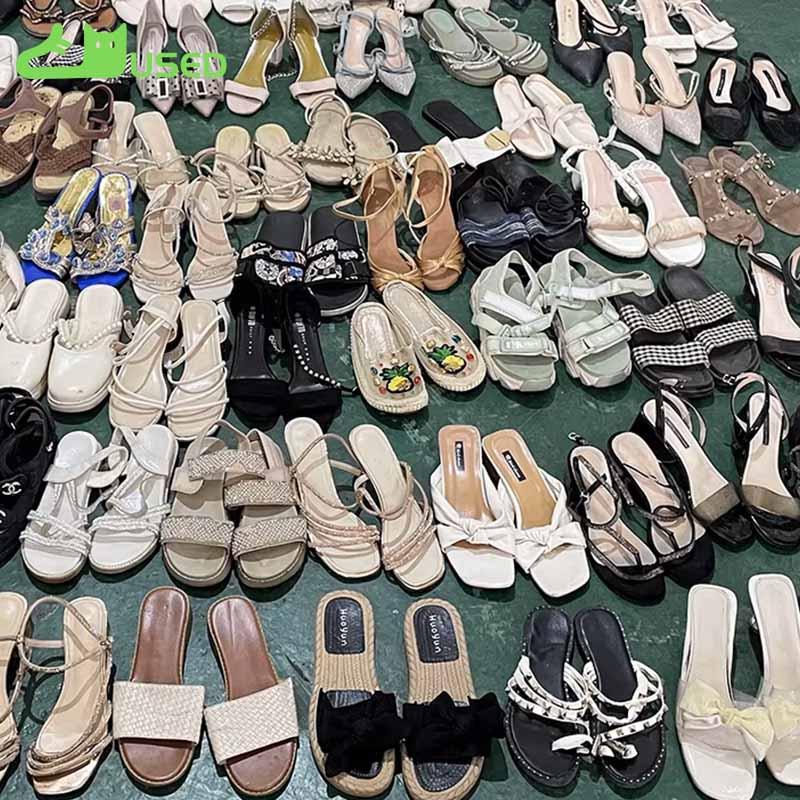
Assign receiving, pairing, condition grading, category identification, size coding, cleaning or rework review and destination bins. Give unresolved pairs a separate lane so pressure to clear the floor does not force weak allocations.
Record how many accepted pairs enter each destination and how many remain unassigned. Labor, space, repacking and transfers belong in the coverage decision, not only the supplier price.
bale and pair identity
condition and category
named outlet bin
unknown destination
Define orphan stock as accepted inventory without a viable destination in the planned selling cycle. Break it down by category, size, condition and price requirement. A pair can be physically acceptable yet commercially orphaned.
Use transfers, controlled bundles, lower-tier channels or later orders only where the economics are known. Do not hide orphan stock by averaging it into total pairs received.
why no lane fits
cycles without allocation
transfer, hold or markdown
cash and handling exposure
Mixed stock may fit a multi-outlet network, a distributor with strong local sorting or an early trial that needs broad demand evidence. Sorted stock may fit a narrow specialist, a fixed promotion, limited floor capacity or a buyer that cannot redistribute slow pairs.
The same buyer can use both formats: sorted loads for predictable core lanes and mixed bales for controlled discovery or breadth. Keep their costs and outcomes separate.
breadth plus routing capacity
defined lane and simpler handling
separate purpose
measured by destination
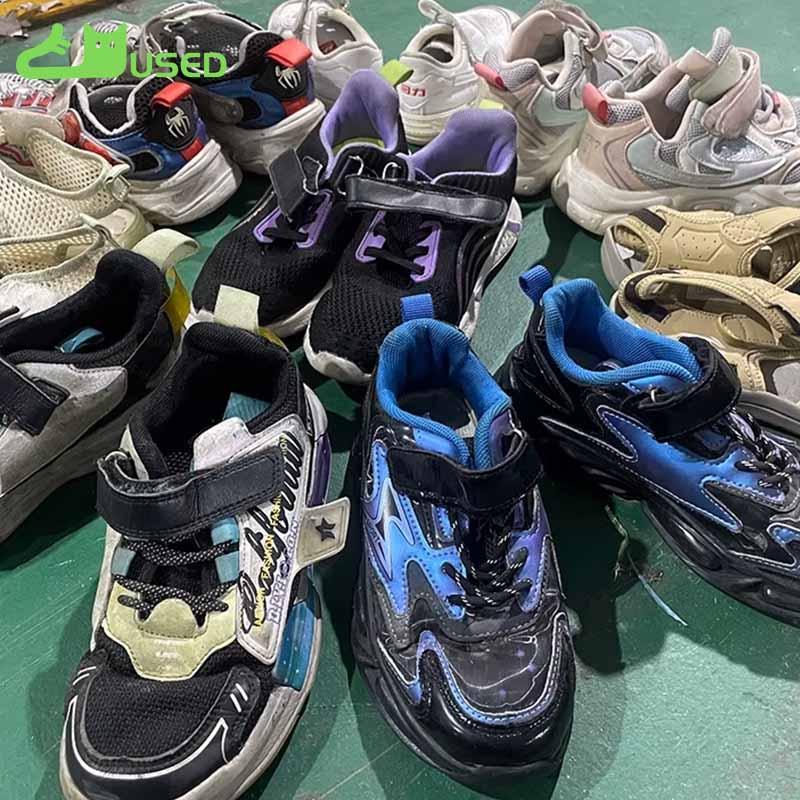
After allocation and sale, record accepted yield, outlet fill, orphan share, transfers, rework, sell-through timing and gross contribution using the buyer's own accounting method. Compare by bale or sub-lot so strong lanes do not conceal weak ones.
Change one or two mix floors, caps or exclusions for the next order and state the reason. A stable feedback loop is more useful than copying a percentage from another country or buyer.
accepted pairs
demand lanes served
unassigned share
next-order change
Send target category ranges, size expectations, condition limits, concentration caps, exclusions, bale format, ordinary-stock evidence and unit coding. Request sample counts by the same fields the receiving team will use.
The inquiry should explain which tolerances can move and which stop the order. This gives the supplier room to assemble second-hand inventory without turning mixed into undefined.
coverage lanes
floors and caps
sample by field
variance disclosed
No. Breadth must match active demand lanes, usable sizes and outlet capacity.
Set a measurable maximum by category, size, condition or another receiving field.
Accepted inventory that has no viable planned destination during the selling cycle.
Yes, when each format has a separate purpose, cost record and performance measure.
Accepted yield, outlet fill, orphan share, handling cost and actual sales feedback.
Mixed bales beat sorted loads only when breadth has a working route. The used mixed shoes wholesale category is the relevant supply family; outlet allocation and orphan-stock feedback show whether that format created coverage.





Direct Factory Supplier of Used Shoes For African Markets In China
 Tel: +8618606960861
 Email: info@usedshoeswholesale.com
 MP/WhatsApp: +8618606960861
 Manufacturer Address:Cizao Town, Jinjiang City, Quanzhou City, Fujian Province