Author:Used Wholesale Manufacturer TIME:2026-08-11
Used shoe grade economics
Grade A and Grade B are useful only after buyer and supplier translate them into the same observable condition rules. There is no universal letter grade that guarantees a fixed appearance, lifespan, selling price or profit. A resale buyer should compare sampled defect counts, accepted yield, rework capacity, channel expectations and cash timing, then decide whether one grade or a controlled blend fits the actual outlet plan.
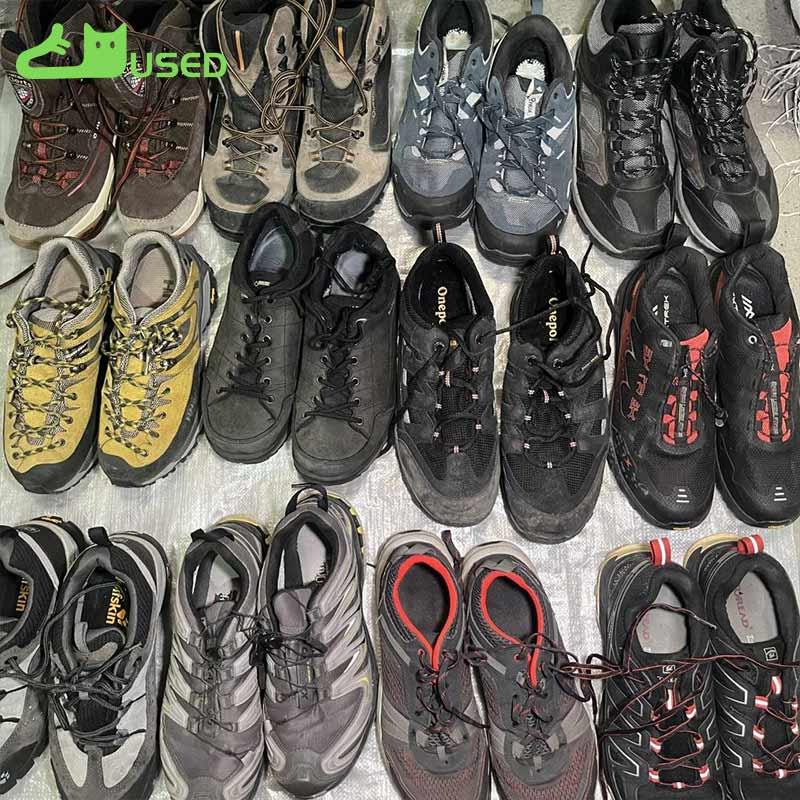
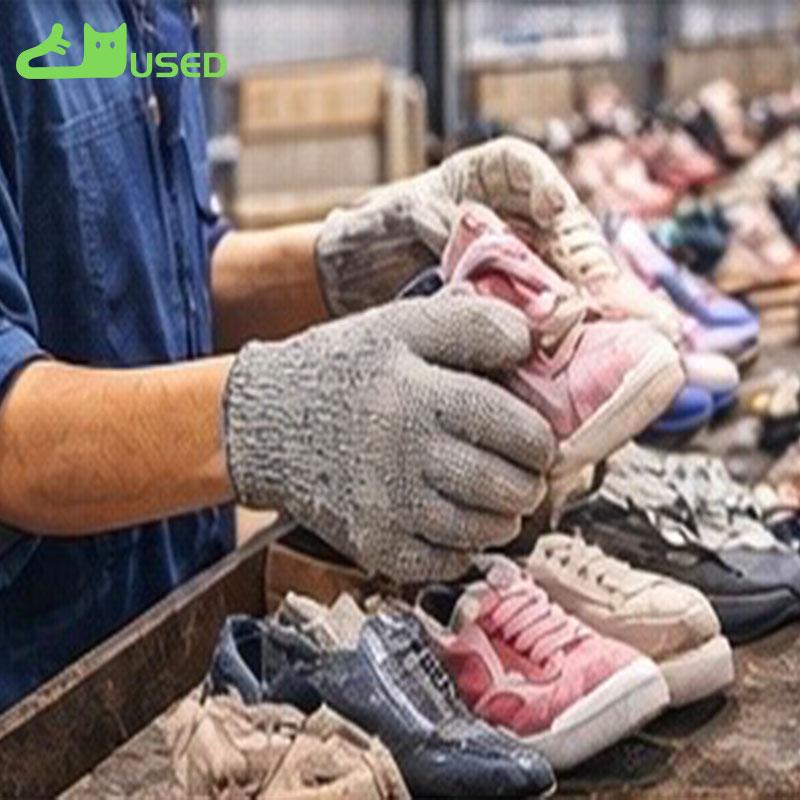
Write separate limits for structural failure, sole bond, upper damage, outsole wear, closures, lining, insole, odor or moisture holds, cosmetic marks, prohibited categories and mate compatibility. State which findings reject, downgrade or enter authorized rework.
Attach representative boundary images and counted sample records. The difficult boundary between two lanes matters more than a polished example of the best pair.
release or reject
lane threshold
allowed variance
dated example
Select ordinary pairs from more than one packed unit and record the supplier label before independent review. Count disagreements by defect and direction: higher than buyer grade, lower than buyer grade or hold.
A small disagreement near a documented cosmetic boundary differs from repeated structural misclassification. Preserve both the rate and the reason instead of reducing the sample to one pass percentage.
ordinary packed stock
supplier label retained
upgrade or downgrade gap
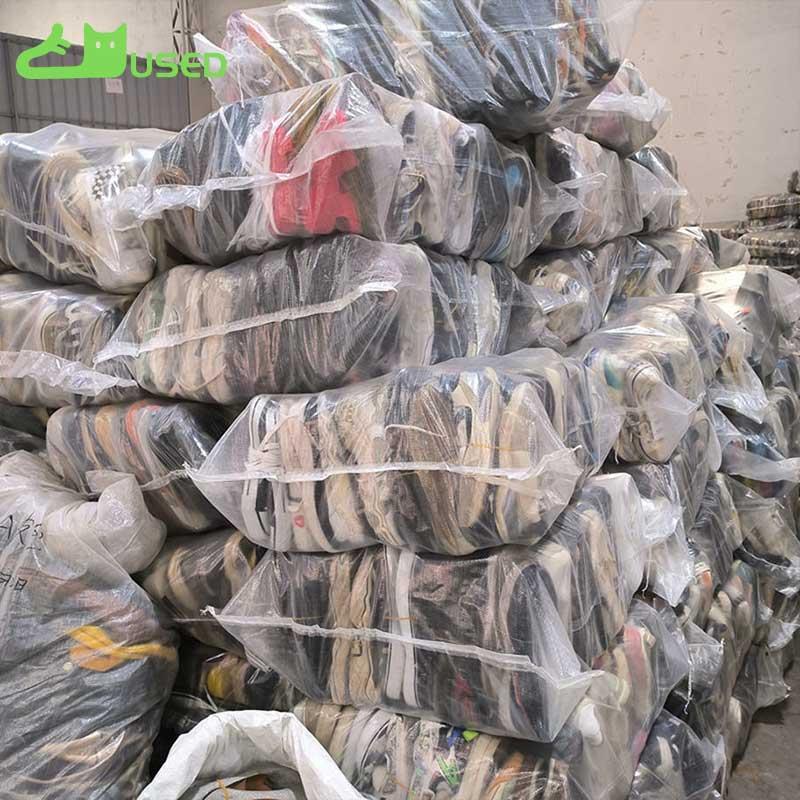
bale and defect pattern
Start with paid pairs or estimated pair count, then show unmatched units, structural rejects, hygiene holds, Grade A releases, Grade B releases, rework candidates and unresolved stock. Keep rework completion separate from candidates.
Divide product, freight, duty, local handling and approved rework by the accepted pairs relevant to the decision. Use the buyer's actual charge basis and accounting rules; a letter grade alone does not create a landed-cost answer.
invoice basis
reject and hold
by resale lane
per released pair
The ledger keeps the commercial consequence beside each condition boundary.
| Decision field | Grade A control | Grade B control | Shared stop |
|---|---|---|---|
| Physical function | Tighter release boundary | Documented value-lane boundary | Unsafe or failed structure |
| Cosmetic condition | Lower visible variance | Wider stated variance | Damage outside contract |
| Preparation | Limited presentation work | Costed authorized rework | Unknown process or capacity |
| Packing | Lane identity preserved | Lane identity preserved | Untraceable mix |
| Economics | Accepted yield and faster release | Lower buy cost tested against work | No destination or cost bridge |
The better grade is the lane that closes the buyer's condition, cost and channel requirements with evidence.
List the channel's appearance expectation, physical-function limit, return sensitivity, price band, presentation work and sales cycle. Grade A may suit a channel that pays for lower preparation and consistent display, while Grade B may suit a value channel with controlled rework and transparent condition.
These are business hypotheses, not universal market facts. Test them with current local sales and returns. A lower purchase price can lose value if repair, slow stock or customer claims absorb the difference.
condition communicated
local capacity
realistic lane
time to release and sell
A blend can support multiple price tiers, but the purchase order should state shares or ranges, lane definitions, labels, physical separation, bale list and tolerance. Avoid a single blended price that hides the accepted yield of each grade.
At receiving, sample and reconcile each lane separately. If labels, packing or records cannot preserve separation, treat the load as one unknown mix until regraded.
agreed range
lane label and bale list
physical packing
grade-specific result
Use the same dictionary and defect sheet at receiving. Record seal state, moisture signs, bale identity, unit weights where relevant and sampled grade results. Compare clusters with the pre-shipment sample rather than relying on a shipment-wide average.
Route accepted stock, rework, holds and claims with dated evidence. Receiving changes the next order only when the result can be traced back to grade, bale and decision boundary.
bale and lane
same dictionary
sample-to-arrival gap
release, claim or revise

The inquiry should include the two grade dictionaries, sample method, defect sheet, desired shares, packing separation, evidence list and response format. Ask the supplier to disclose where current stock cannot meet a boundary.
Compare quotes by expected accepted yield and lane outcome, not only price per kilogram or bale. Keep unverified assumptions visible until an ordinary-stock sample closes them.
buyer boundary
ordinary units
stated charge basis
accepted-pair bridge
No. Put observable boundaries and sample evidence into the purchase specification.
No. Rework, rejects, sales timing and the local price lane determine the result.
Only if the agreed identity and separation remain usable through receiving; otherwise the mix must be regraded.
Paid quantity, rejects, holds, accepted lanes, completed rework and relevant landed costs.
Use the buyer's grade dictionary and expected cost per accepted destination pair.
Grade A versus Grade B is an evidence and channel choice, not a universal ranking. The used shoes wholesale category defines the broader supply; observable boundaries and accepted-pair economics determine the lane that fits.

Direct Factory Supplier of Used Shoes For African Markets In China
 Tel: +8618606960861
 Email: info@usedshoeswholesale.com
 MP/WhatsApp: +8618606960861
 Manufacturer Address:Cizao Town, Jinjiang City, Quanzhou City, Fujian Province