Author:Used Wholesale Manufacturer TIME:2026-08-11
Wholesale used sneaker inspection route
A wholesale used sneakers checklist should produce a release decision for a named resale lane, not a long list of generic features. Running, court, skate, lifestyle and trail constructions can expose different wear evidence. The buyer needs pair identity, physical limits, ordinary-stock sampling, assortment controls, packing traceability and a receiving plan while avoiding unsupported performance, authenticity or remaining-life promises.
State whether the lot targets everyday casual use, fashion resale, low-intensity general footwear or another supported lane. Record customer expectation, price band, accepted cosmetic variation, return sensitivity and excluded performance claims.
Do not infer sport readiness, injury prevention, waterproofing, cushioning life or authentic brand identity from appearance. Where the intended use requires specialist evidence that the lot does not have, narrow the claim or reject that destination.
defined buyer group
supported lane
bounded wording
unverified performance
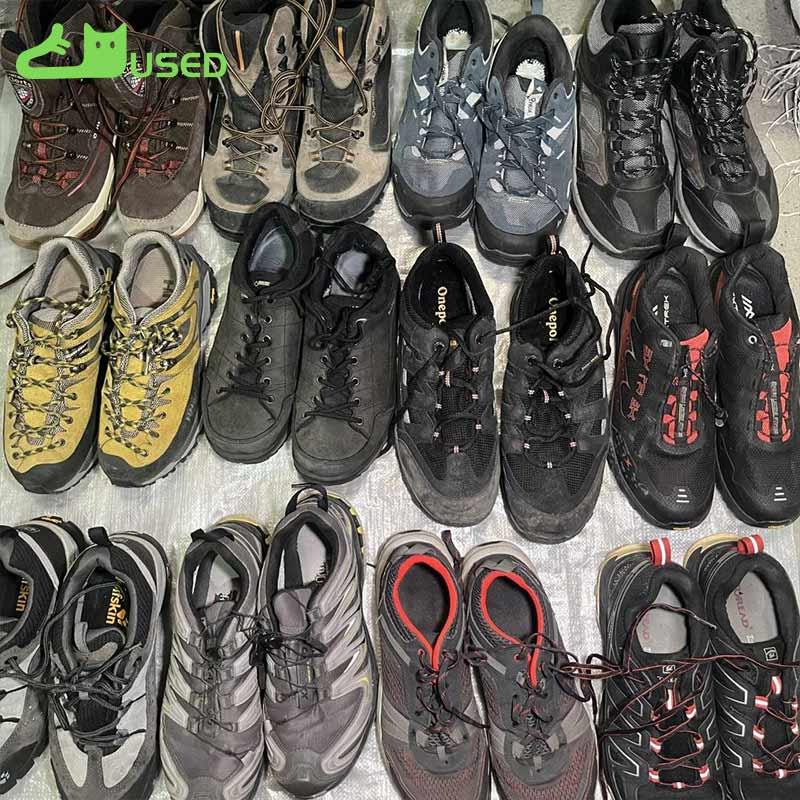
Check left and right model family, size marking, color, construction, wear pattern and identifiers. Record missing or substituted insoles, laces and removable components. A visually similar pair is not automatically compatible.
Assign a code before inspection and retain supplier lane, bale and sample source. Hold unresolved mismatches rather than improving one pair with parts from another.
model and size agreement
present and original to pair
inspection identity
unresolved mismatch
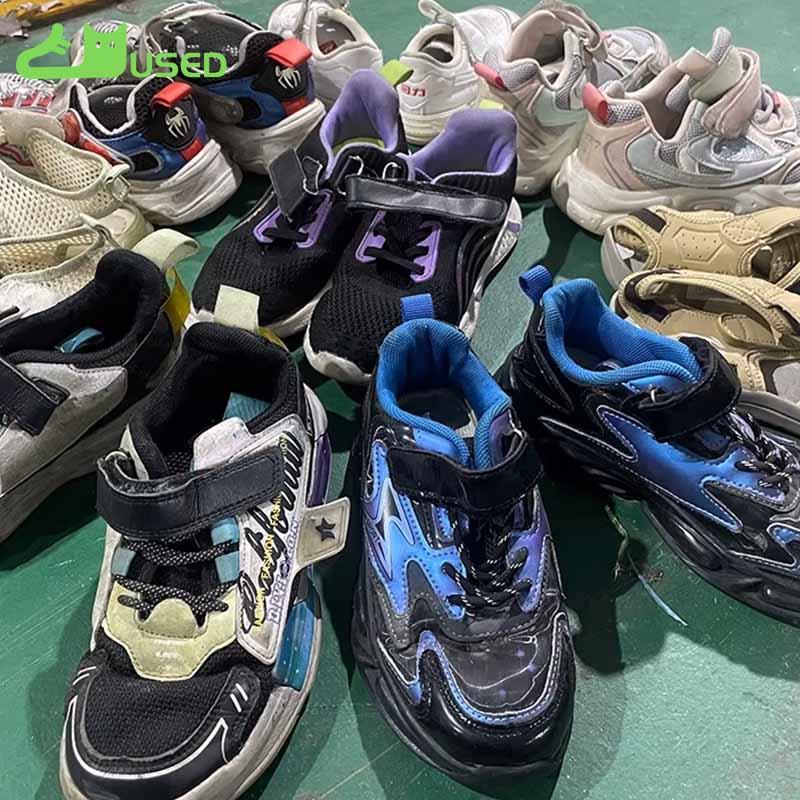
Map heel, forefoot, edge and local tread wear; inspect exposed foam, puncture, hardening, cracking, distortion and contamination. Flex only within the operation's approved handling method and observe the upper-to-sole bond around the pair.
Cushioning feel and remaining service life cannot be established by a casual squeeze or a fixed mileage claim. Record observable differences between mates and route uncertainty to the appropriate lane.
wear map and damage
shape and visible condition
perimeter attachment
no remaining-life promise
Review tears, abrasion, stitching, overlays, toe structure, heel counter, eyelets, laces or straps, tongue, collar, lining and insole. Note odor, moisture, residue or mold-like growth under the written hygiene hold rules.
Separate cosmetic marks from failures that affect fit, closure or physical integrity. Use photographs of ordinary boundary pairs so graders apply the same lane.
material damage
secure and complete
lining and contact state
cosmetic versus physical
The sheet records one decision at each point where a pair can change lane.
| Route point | Record | Downgrade or hold | Reject |
|---|---|---|---|
| Pair identity | Mates, size, model family | Unresolved removable part | Incompatible pair |
| Bottom unit | Wear, shape and bond | Lane-specific visible wear | Failed structure outside limit |
| Upper system | Damage, closure and interior | Cosmetic boundary | Physical failure or excluded condition |
| Assortment | Category and size counts | Concentration above target | Prohibited mix |
| Packing/arrival | Bale code, seal and sample | Documented variance | Traceability or material limit failure |
The checklist should end with a coded destination for every sampled pair, not a vague overall impression.
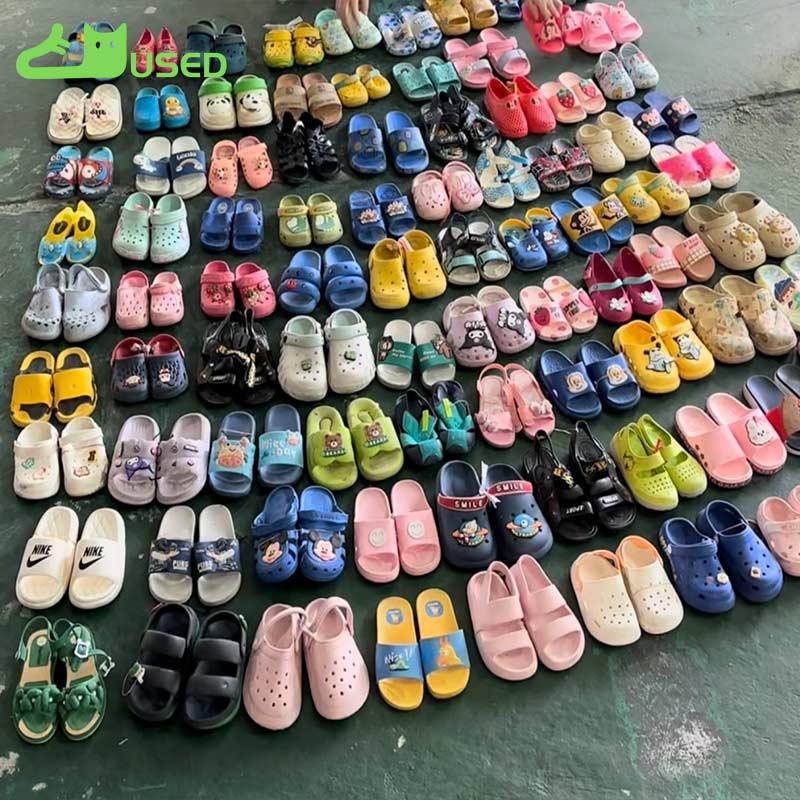
Count accepted pairs by construction family, size system, size band, customer group, condition lane and any brand claim the buyer is authorized to use. State caps for concentrations that the resale network cannot absorb.
A high accepted yield can still produce weak inventory if sizes cluster outside active demand. Ask the supplier for sample counts in the same fields used at receiving.
construction family
marked system and band
claim evidence scope
commercial concentration
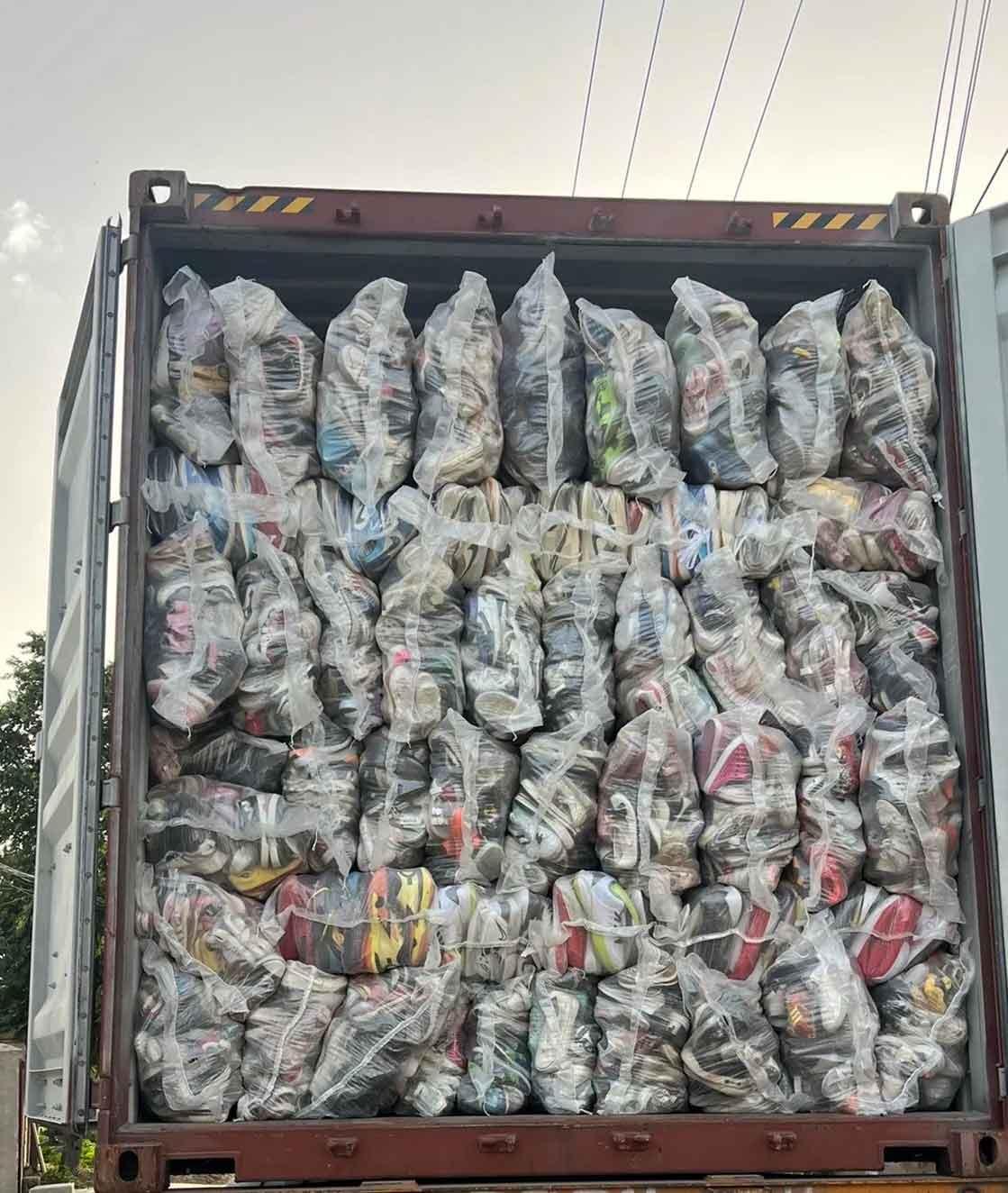
Define pair binding, unit labels, bale code, weight record, grade lane, packing list and reopen procedure. Keep rejected and held pairs physically separate. Record every approved substitution before sealing.
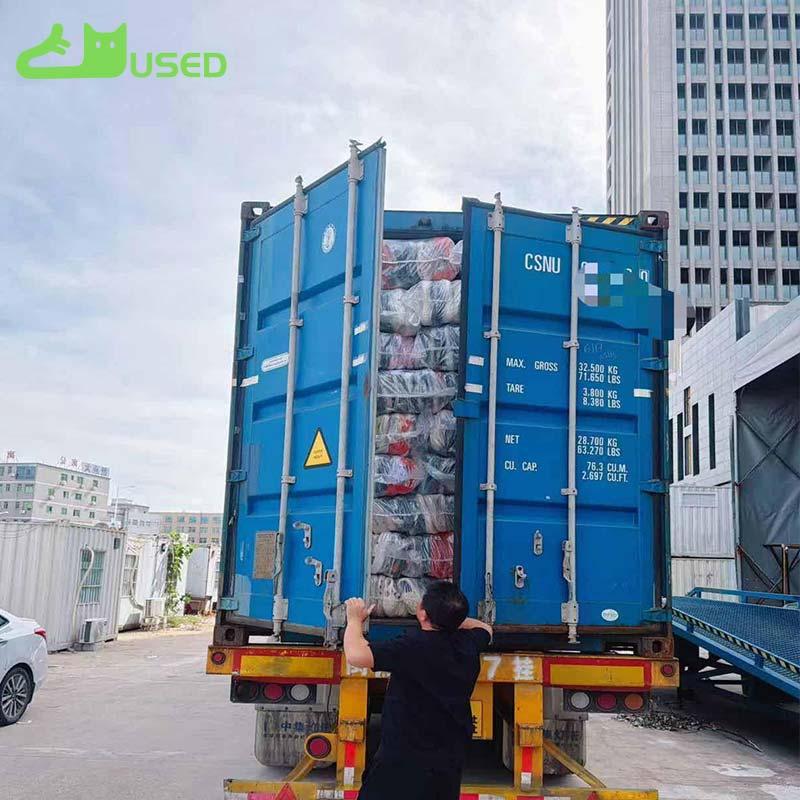
Request packing evidence that shows ordinary completed units, not only loose display stock. At loading, reconcile sealed bale codes and counts with the approved list.
binding and code
label and weight
reason and new seal
approved unit list

At arrival, record seal and wrap condition, moisture signs, bale identity and sample selection. Recheck mates, bottom unit, upper system, assortment and packing variance using the same defect language as the purchase review.
Route accepted, lower-lane, rework, hold and claim stock separately. Compare results by bale and defect so the next order changes a specific limit instead of relying on a general complaint.
seal and moisture
ordinary bale coverage
coded outcome
next-order change
Provide the intended lane, physical exclusions, size and category fields, concentration caps, ordinary-stock sample method, packing identity and receiving tolerance. Request current counts and representative boundary evidence.
A supplier reply should disclose unsupported claims, unavailable sizes and expected variance. The checklist is complete only when purchasing, inspection, packing and receiving use the same pair-level vocabulary.
resale lane
physical and mix
ordinary selected pairs
same fields through arrival
No. Record observable condition and avoid fixed remaining-life promises.
Use a common physical safety boundary plus lane-specific cosmetic and commercial limits.
Count marked size systems and bands, then cap stock the channel cannot absorb.
Pair code, bale label, weights where agreed, seals, reopen records and the approved unit list.
The critical pair, physical, assortment and packing checks used before shipment.
A wholesale sneaker checklist works when it follows one coded release route. The used sneakers wholesale category identifies the product family; intended lane, physical evidence and packing traceability define the accepted lot.

Direct Factory Supplier of Used Shoes For African Markets In China
 Tel: +8618606960861
 Email: info@usedshoeswholesale.com
 MP/WhatsApp: +8618606960861
 Manufacturer Address:Cizao Town, Jinjiang City, Quanzhou City, Fujian Province