Author:Used Wholesale Manufacturer TIME:2026-08-13
Second-hand designer pump grading
A second-hand Manolo Blahnik wholesale decision should not rest on the brand name or a polished side photograph. The buyer needs independent claim evidence, compatible mates, stable pump geometry, heel and tip condition, upper and lining boundaries, a repair ceiling and a realistic eventwear channel. No visual checklist alone proves authenticity, fit, safety or remaining service life.
Record seller statement, pair identifiers, size marks, model or style references, construction details, provenance documents and original images where available. Mark unknown fields instead of completing them from appearance.
A specialist review may be appropriate for higher-value claims, but its scope should be documented. Physical acceptance does not prove brand authenticity, and claim evidence does not repair a failed heel.
exact wording
pair-level record
available documents
visible unresolved field
Place compatible mates on a level reference and observe toe shape, vamp and throat alignment, side-wall collapse, counter shape, pitch and visible distortion. Photograph both sides and rear views under consistent conditions.
Separate storage creasing and cosmetic wear from deformation that affects fit or support. Do not force shape restoration into the grade unless the approved process and result are verified.
paired shape
opening symmetry
rear structure
lane or hold decision
Review heel attachment, alignment, covering, visible cracks, wobble, tip wear and exposed hardware. Compare left and right contact points on a flat surface without making a wearer-safety claim from one handling test.
A replaceable heel tip can be a costed repair candidate only when the remaining heel system passes the written boundary and qualified work is available. Structural doubt follows a hold or reject route.
upper and sole junction
alignment and damage
material and hardware
repair scope known
The dossier prevents one brand claim from replacing the three separate release decisions.
| Decision layer | Evidence | Commercial route |
|---|---|---|
| Claim | Seller statement, identifiers and documents | Verified scope, specialist review or hold |
| Geometry | Paired profile and counter | Release, lower lane or reject |
| Heel | Attachment, alignment and tip | Release or costed qualified repair |
| Surface/interior | Material-specific condition | Eventwear lane and disclosure |
| Economics | Accepted yield and completed work | Price ceiling or no-buy |
A pair advances only when claim scope, physical grade and channel economics each have an answer.
Inspect leather, satin, textile, embellishment, hardware, edges, insole, lining and outsole separately. Record staining, color change, abrasion, missing decoration, adhesive marks, odor, moisture and prior repair evidence.
Test any approved cleaning or repair route on the relevant material before including it in the commercial plan. Eventwear appearance can make a small defect commercially important even when the pair remains physically intact.
material-specific evidence
complete and secure
contact condition
wear and prior work
List each proposed task, qualified provider, expected cost, turnaround, evidence and failure route. Include tip replacement, surface care, lining work or other allowed treatment only after the pair passes the physical gate.
Build accepted-pair cost from purchase, freight, duties or charges, handling, completed repair, rejected pairs and sales delay using the buyer's accounting method. A famous label does not justify unlimited rework.
approved scope
qualified route
per released pair
ceiling or failed outcome
Define boutique eventwear, rental or styling inventory, value occasion wear, repair candidate, hold and reject lanes according to the business. State the condition promise, fitting process, return policy and visible disclosure used by that channel.
Sizes and widths can move differently across styles and markets. Test current local inquiries and fitting results instead of assuming a universal designer-pump customer.
strong evidence and low visible variance
disclosed cosmetic boundary
approved costed work
claim or structure unresolved
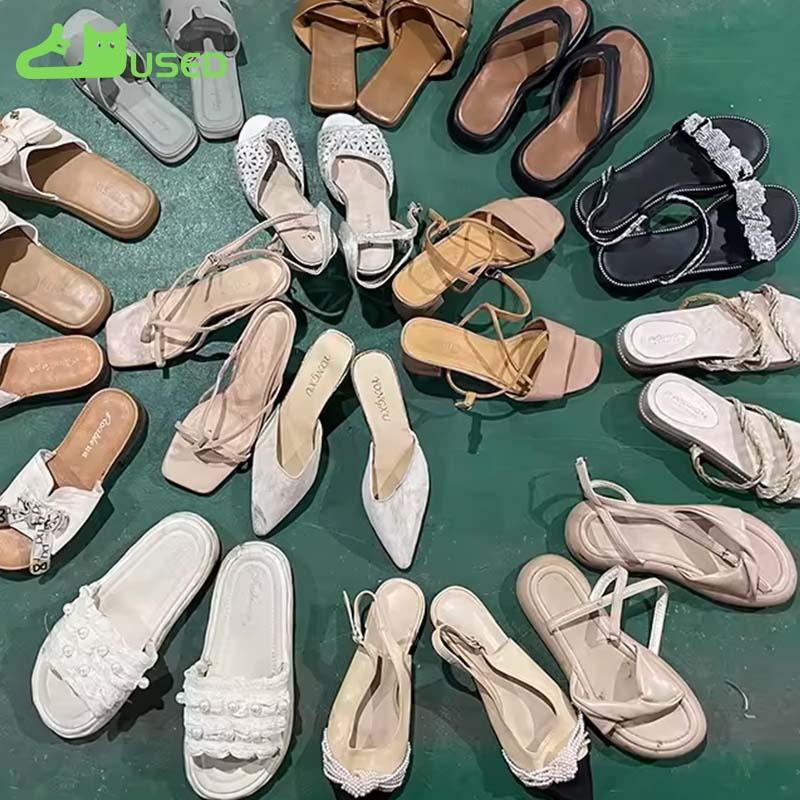
Select ordinary pairs across the offered lot and record identity evidence, profile, heel, surfaces, repair estimate, size and proposed lane. Avoid a sample made only from clean black leather pumps if the lot includes delicate or embellished materials.
Use counted results to cap difficult materials, unstable heels, narrow size concentrations and repair-heavy stock. Keep brand-claim uncertainty separate from condition counts.
ordinary spread
lane decision pair
material and size
count by disposition
At arrival, compare pair identity, packing pressure, pump profile, heel attachment, surfaces and sampled lane with the pre-shipment file. Isolate moisture, crushing or substitution issues before display.
Record fitting feedback, returns, completed repair yield and sales timing by lane. The next order should change a specific style, size, defect or repair limit rather than buying more from brand recognition alone.
packing and identity
channel feedback
completed yield
next-order boundary
Provide claim-document requirements, geometry and heel limits, surface lanes, material exclusions, size fields, ordinary-stock sampling, packing support and receiving tolerance. Ask the supplier to identify prior repairs.
Request side, rear, heel-tip, interior and outsole views for selected ordinary pairs. The response should distinguish verified fields from seller statements and unknowns.
document list
paired inspection angles
prior work disclosed
lane and variance counts
No. Preserve seller claims and use appropriate evidence or specialist review for the claim scope.
It may be a candidate when the rest of the heel system passes and qualified work fits the cost ceiling.
Paired side, rear, heel-tip, upper, interior and outsole views tied to one pair code.
Use material-specific cosmetic, treatment and resale boundaries rather than one universal rule.
Received condition, fitting feedback, completed repair yield, size results and sales timing.
Designer pump value requires three separate files: claim, geometry and channel economics. The used women's shoes wholesale category is the relevant product family; paired evidence and a repair ceiling determine the eventwear release.

Direct Factory Supplier of Used Shoes For African Markets In China
 Tel: +8618606960861
 Email: info@usedshoeswholesale.com
 MP/WhatsApp: +8618606960861
 Manufacturer Address:Cizao Town, Jinjiang City, Quanzhou City, Fujian Province