Author:Used Wholesale Manufacturer TIME:2026-08-11
Premium footwear two-track release
Used Chanel shoes wholesale stock needs two independent tracks: what evidence supports the product claim, and what the actual pair can physically and commercially deliver. A logo, style familiarity or good condition cannot authenticate an item. Strong provenance cannot repair a failed sole. The buyer should join these tracks only in a controlled release matrix with explicit holds, repair limits and channel descriptions.
Record pair code, seller statement, marked size, style or model reference, identifiers, materials, hardware, packaging or documents and original images where available. Preserve conflicts and missing fields.
Do not merge evidence from similar-looking pairs. Each image and document should remain tied to the exact item or clearly labeled as reference material.
one pair identity
seller wording
item-linked record
unknown field retained
Review provenance chain, identifiers, construction details and document consistency within the buyer's approved process. Higher-value or disputed items may require an appropriate specialist review, whose scope and result should be retained.
Avoid publishing an authenticity conclusion beyond the evidence. A seller's assurance remains a seller statement until the buyer's required route closes it.
supported within scope
supplier assertion
evidence mismatch
not established
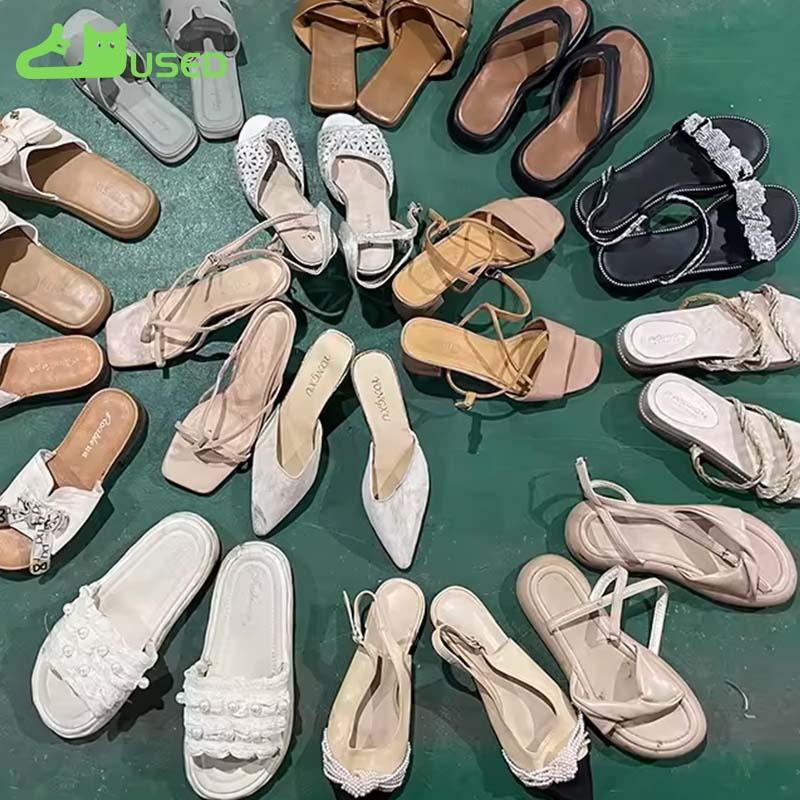
Check compatible mates, shape, upper materials, stitching, closures, hardware, ornaments, sole bond, outsole, heel, lining, insole, moisture, odor and prior repair. Use material-specific boundaries for leather, textile or delicate finishes.
Condition grade should remain valid even if the product claim later changes. Record before any preparation work.
pair and attachment
material-specific wear
complete and secure
contact condition
The matrix prevents a strong result on one track from hiding an open risk on the other.
| Claim status | Physical status | Inventory route | Next step |
|---|---|---|---|
| Closed within scope | Released premium grade | Evidence-led premium | Approve description and custody |
| Closed within scope | Visible-wear release | Disclosed condition lane | Price and disclosure control |
| Open/conflicting | Physically acceptable | Claim hold | Resolve evidence before sale |
| Closed within scope | Repair pending | Repair hold | Complete and reinspect |
| Any | Failed physical boundary | Reject | Record loss or claim |
Premium release requires a closed claim track, a released physical track and an authorized channel decision.
List allowed cleaning, material care, component work or qualified repair with scope, provider, cost, turnaround, before/after record and failure route. Do not replace identity-bearing components casually or erase condition evidence.
Count completed released pairs separately from candidates. Stop work when claim status, physical outcome or economics no longer support the lane.
authorized task
item identity retained
reinspect after work
risk or cost ceiling
The registry should state item code, open question, evidence owner, next step, deadline and prohibited actions. Separate claim hold, physical hold, repair hold and dispute hold.
A hold is not a lower sales tier. Do not release or describe held stock until the required owner closes the question.
claim, condition or repair
named resolver
specific next step
no release
Define evidence-led premium, disclosed-condition, value, repair-completed, claim hold and reject routes for the actual business. State which evidence and disclosure support each.
Brand demand, prices and customer expectations change by outlet and time. Use current local evidence rather than fixed resale promises or invented market facts.
claim and condition passed
wear disclosed
bounded lower tier
one track unresolved
Combine claim status, physical grade, completed repair, accepted-pair cost and intended channel. A physically strong pair with unresolved claim stays on hold; a well-documented pair with failed structure is rejected or routed only where appropriate.
Record who approved the joined decision and which evidence version was used. Revisions should preserve the prior matrix state.
closed status
released grade
cost and lane
dated decision

At receiving, review seals, package identity, moisture, pair code, claim file continuity, physical condition and sampled lane. Separate substitution, transport damage and pre-existing condition where records allow.
Track returns, claim disputes, completed repair and sales timing by matrix route. Change a specific evidence or condition rule for the next order.
same item file
evidence continuity
arrival variance
next-order rule
No. Use item-linked evidence and an appropriate review route for the required claim scope.
No. Claim confidence and physical grade are independent tracks.
Pair code, reason, owner, next step, deadline and prohibited actions.
Only under an approved custody and risk rule; it must not destroy evidence or imply release.
Item identity, evidence continuity, physical variance, packaging and the approved matrix route.
Premium footwear risk is controlled by two independent tracks, not one visual verdict. The used brand shoes wholesale category defines the supply family; claim evidence, physical release and custody determine the authorized lane.


Direct Factory Supplier of Used Shoes For African Markets In China
 Tel: +8618606960861
 Email: info@usedshoeswholesale.com
 MP/WhatsApp: +8618606960861
 Manufacturer Address:Cizao Town, Jinjiang City, Quanzhou City, Fujian Province