Author:Used Wholesale Manufacturer TIME:2026-08-11
First bulk order approval
A first order to buy used shoes in bulk is useful only when the buyer can explain what is being tested, which evidence authorizes payment, what stops the order and how arrival results will change the next specification. A low quotation is not an approval rule. The release file should connect destination channels, current-lot proof, pair-level limits, packing identity, commercial documents, accepted-pair economics and a receiving plan before capital is committed.
Name the actual resale routes that will receive the trial: for example a market table, value shop, online listing team or local wholesaler. Record the categories each route can handle, expected preparation capacity and any types that must remain outside the purchase.
Treat size, style and grade as ranges with written tolerances rather than silent expectations. The hypothesis should be narrow enough that the receiving team can later say whether the order answered the buyer's question.
named outlets
category boundaries
cleaning and repair limit
stock not approved
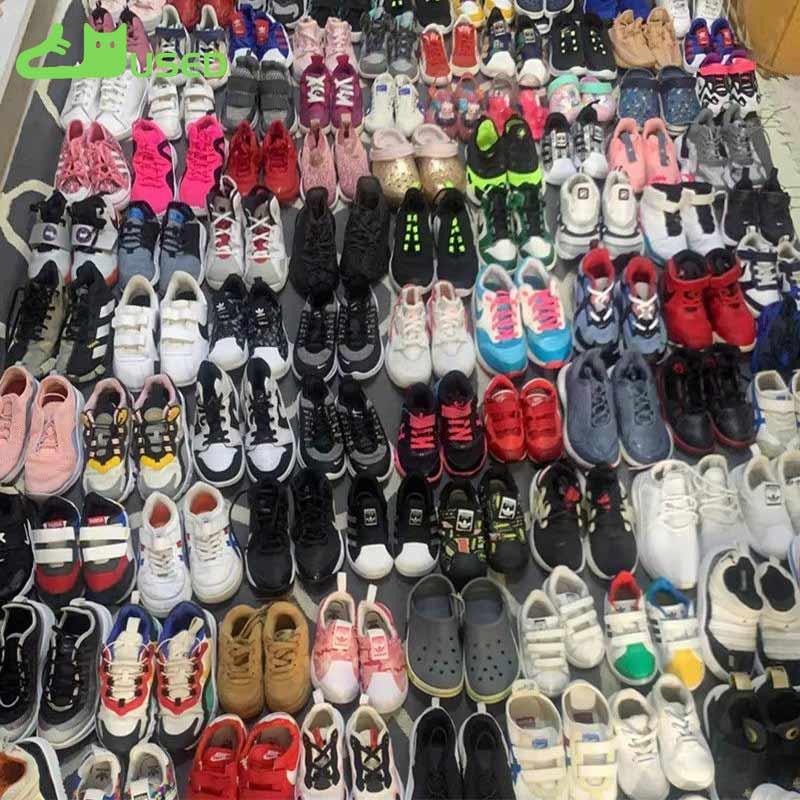
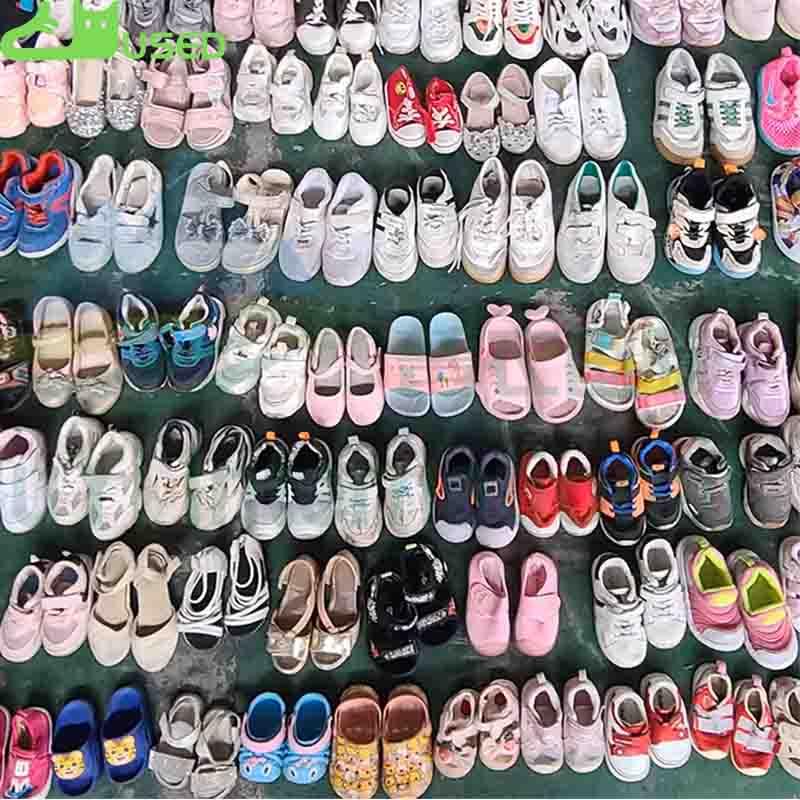
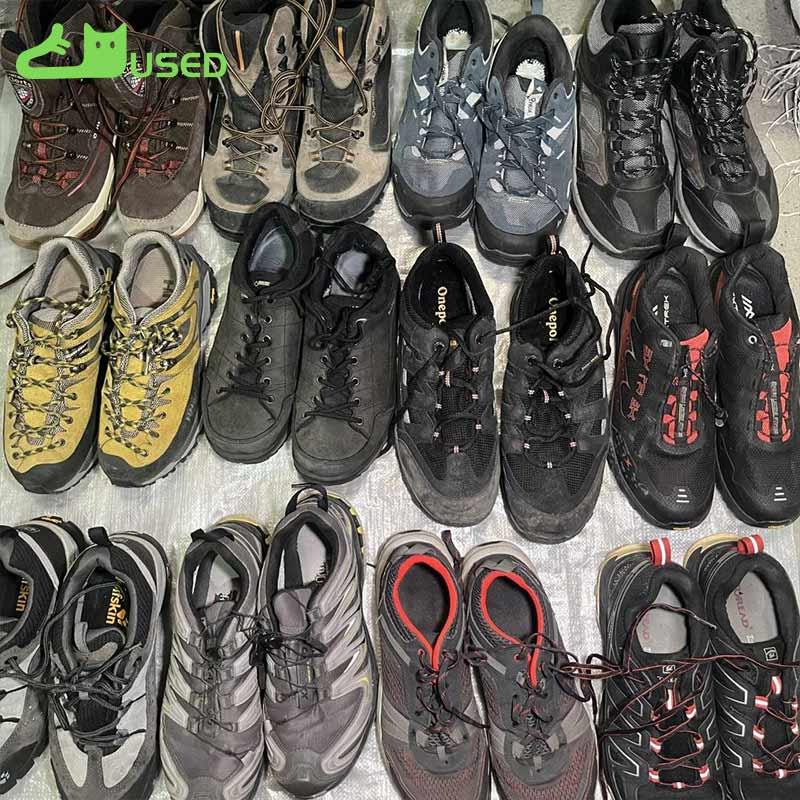
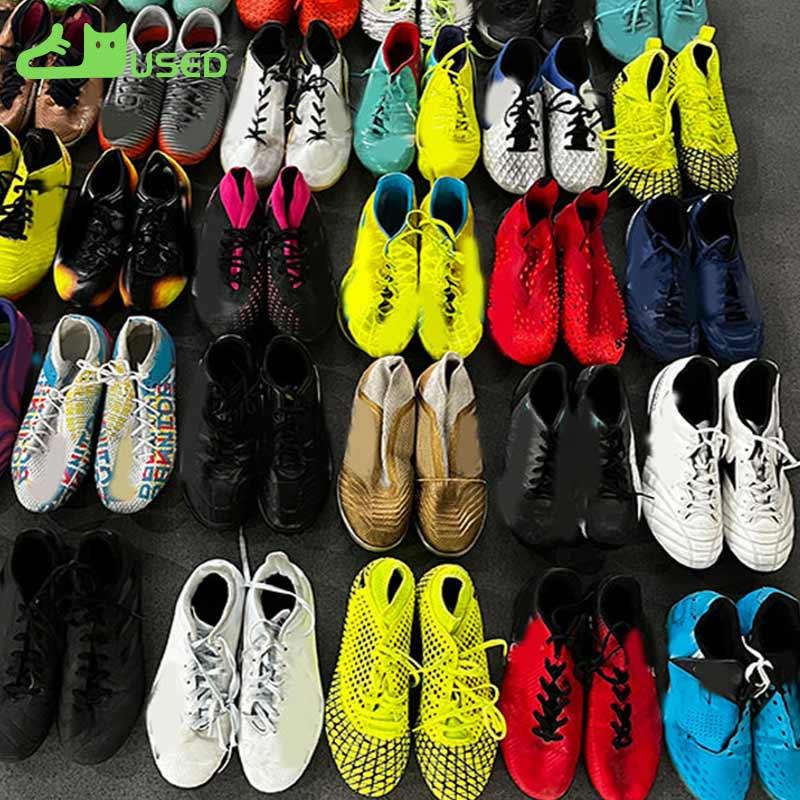
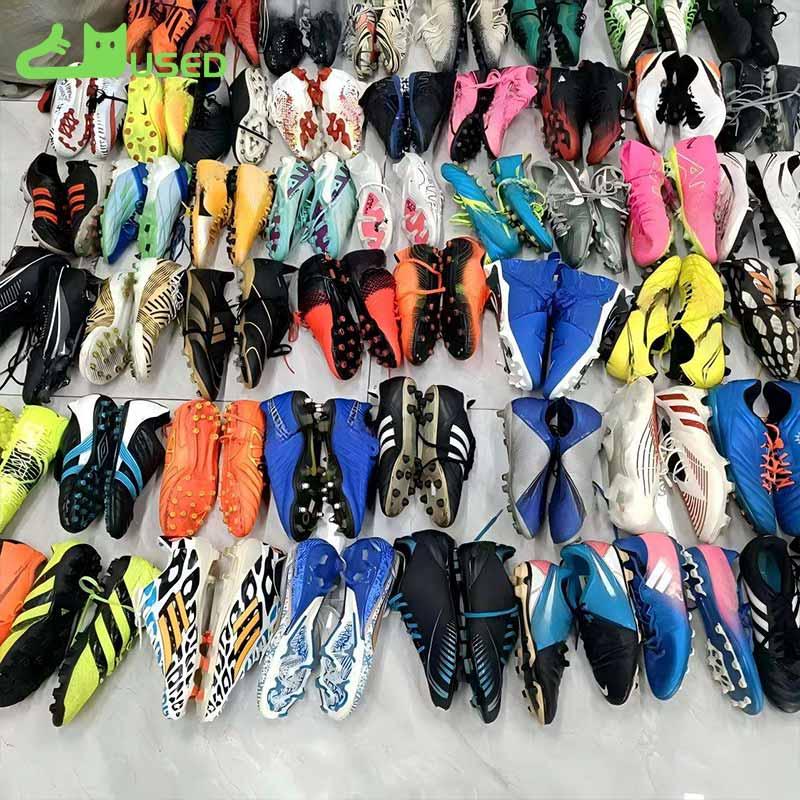
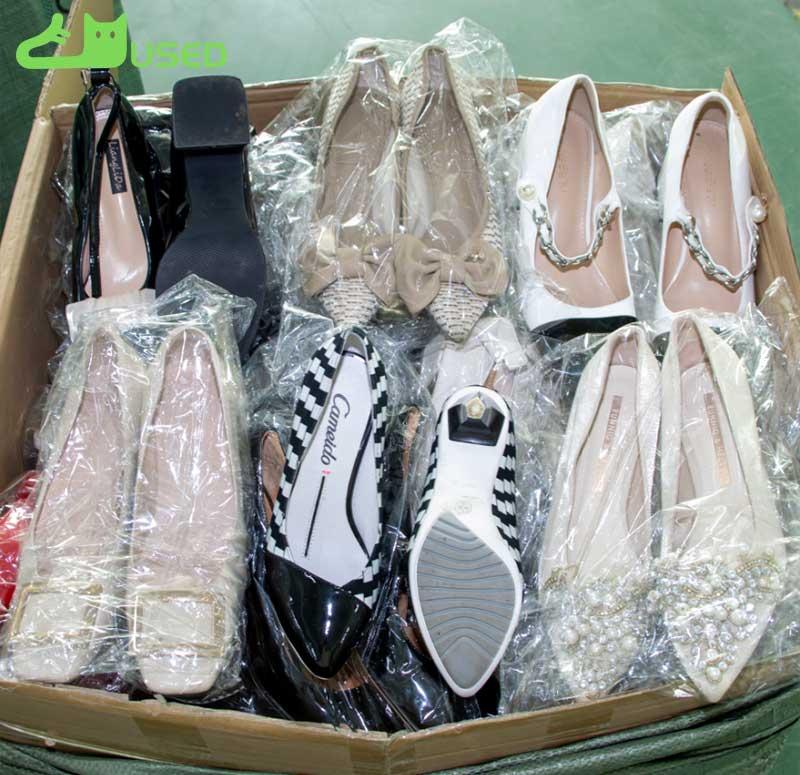
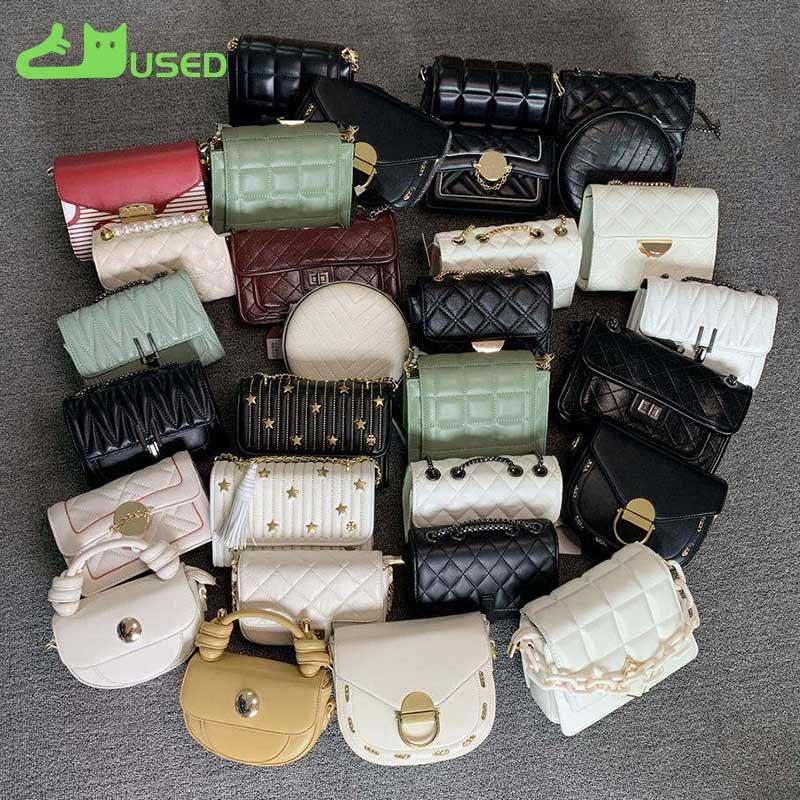
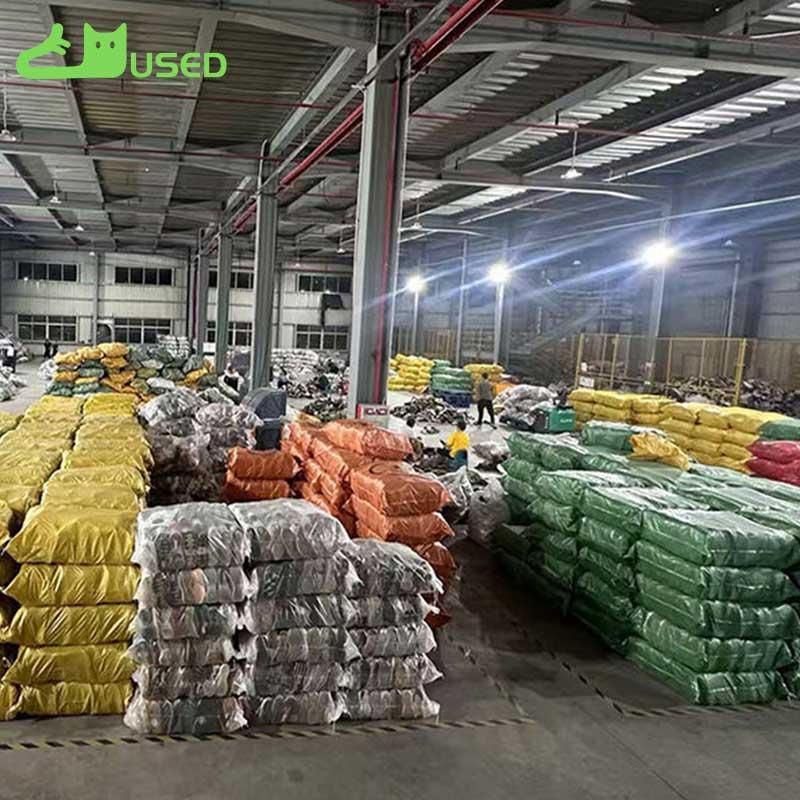
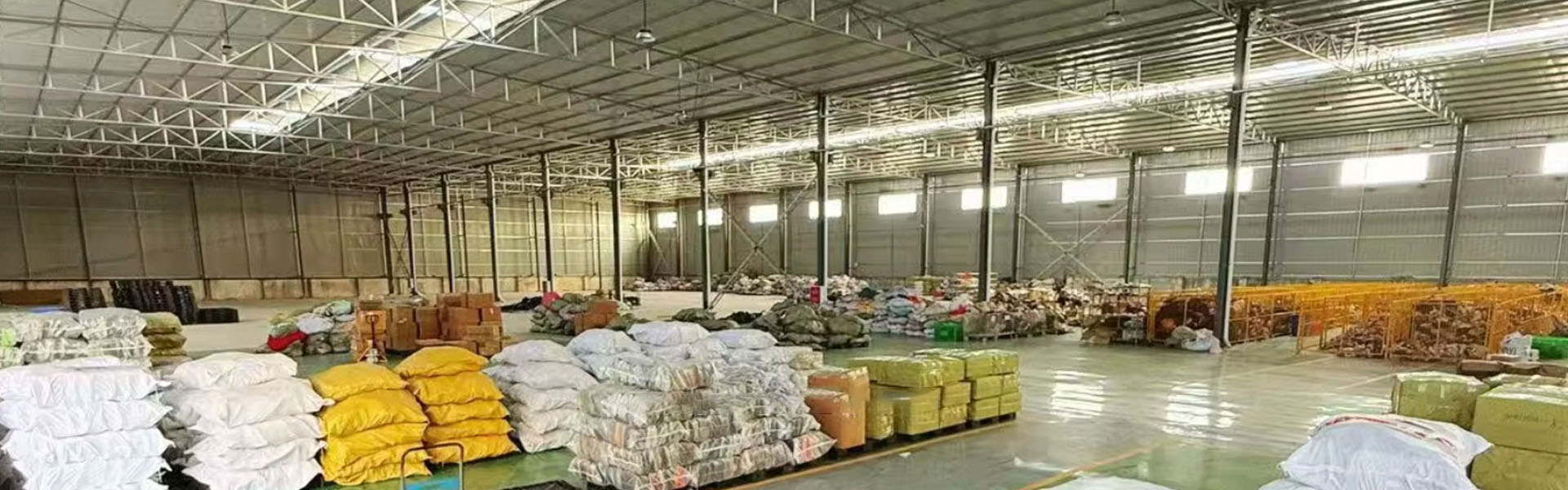
Ask for current warehouse evidence that retains lot, bale or sack marks. A useful remote walk-through moves from storage context to distributed units and then to paired close views. Edited detail images can support the file, but they should not replace lot identity.
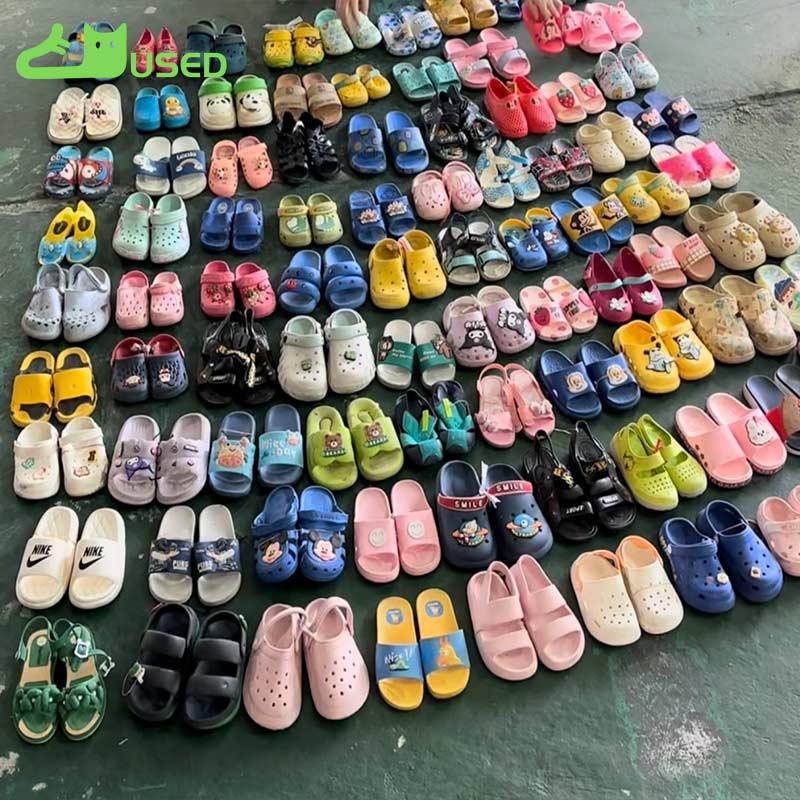
Choose samples from different positions and record why they were selected. A display pair or reusable promotional clip cannot establish the consistency of the goods scheduled for packing.
lot and bale marks
several stock positions
mates, labels and wear
current evidence timing
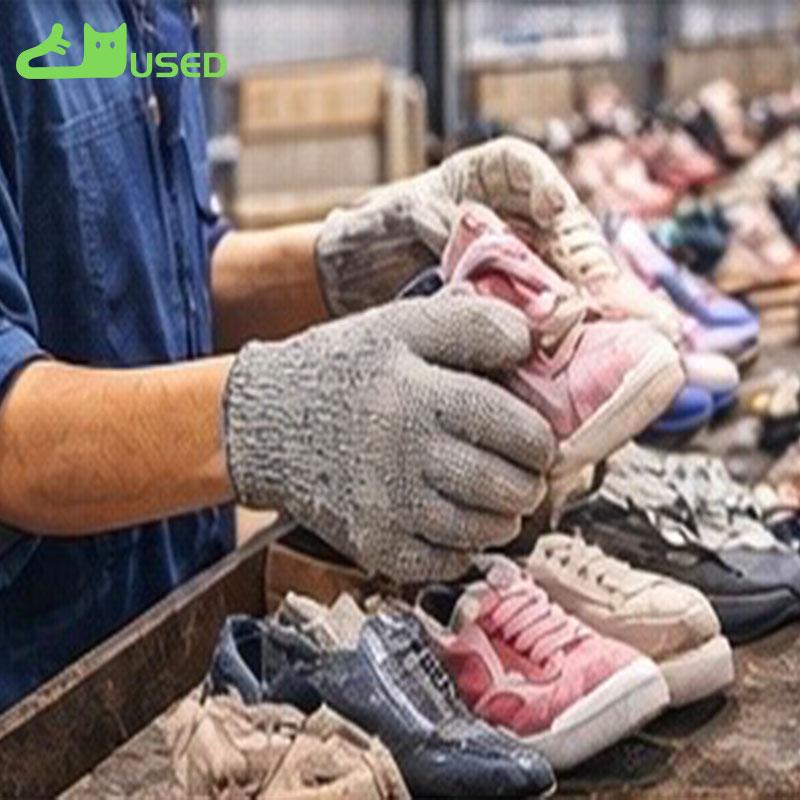
Review compatible mates, marked size, category, upper, opening, lining, closure, heel, sole attachment and visible wear. Use observable language for the intended resale lane and keep cosmetic, hygiene-process and structural boundaries separate.
Do not infer grip, remaining life or universal wearability from photographs. Where a concern needs physical or specialist review, state that hold route instead of upgrading the pair from appearance.
style and size agreement
heel and sole boundary
lining and insole state
release, downgrade or hold
The sheet assigns evidence, a stop condition and an owner before the order advances.
| Approval line | Required record | Stop condition | Owner action |
|---|---|---|---|
| Buying scope | Channels, categories, tolerance and quantity | Undefined resale route | Rewrite request |
| Current lot | Identified distributed sample | Showroom-only proof | Hold quotation |
| Pair and packing | Observable limits and numbered units | No downgrade or substitution rule | Close specification |
| Commercial release | Verified documents and milestone | Unconfirmed instruction change | Independent check |
| Receiving test | Codes, count and feedback plan | No measurable outcome | Redesign trial |
Approval belongs to the whole file, not to the lowest quoted unit price.
Clarify whether the commercial unit is a pair, kilogram, bale, sack or container allocation. Record target weight or count, category separation, grade marks, moisture protection, package numbering and how missing mates or damaged packing are handled.
The loading record should connect approved stock to the final package list. Any substitution rule needs an owner, evidence and acceptance boundary; it should not be an informal promise after payment.
pair weight or package
unique package mark
dry intact packing
authorized substitution only
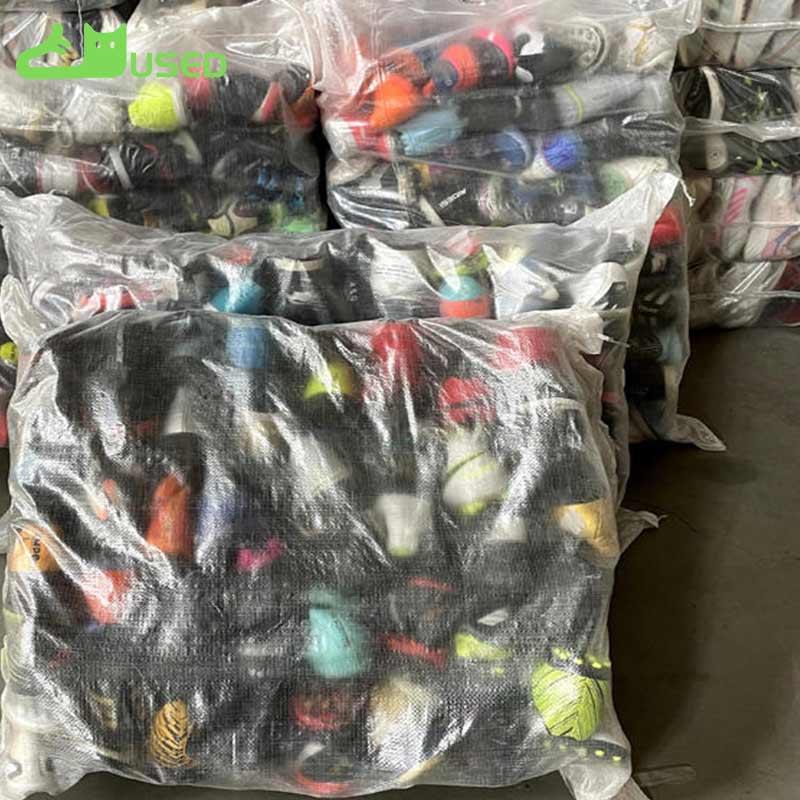
Choose a quantity that covers the intended categories and several packing units without placing the whole purchasing budget behind an untested assumption. Keep grade, mix, packing and supplier variables visible so the result can be attributed.
Prepare the receiving codes before shipment. The trial is incomplete if the warehouse cannot separate immediate release, predictable preparation, lower-value stock, holds, mismatches and rejects.
one purchasing decision
more than one package
arrival routes ready
capital at risk
Retain the quotation, seller identity, invoice details, grade specification, selected evidence, package list and agreed milestones in one controlled order folder. Check changes to payment instructions through the buyer's approved independent route.
Product images do not verify a business or bank instruction, and a commercial document does not prove physical grade. Each control needs its own reviewer and completion record.
approved business record
matching order scope
verifiable event
independent confirmation
Build the trial budget from purchase, freight, applicable charges, unloading, sorting, planned preparation, packaging, holds and rejects using the buyer's accounting method. Compare the result with the number of pairs expected to enter each destination lane.
Set a stop rule for weak sample yield, uncontrolled preparation or an unclear packing record. The objective is not to predict profit from one clip; it is to decide whether the evidence supports the stated trial exposure.
total order exposure
accepted pairs by lane
planned preparation
maximum unresolved risk
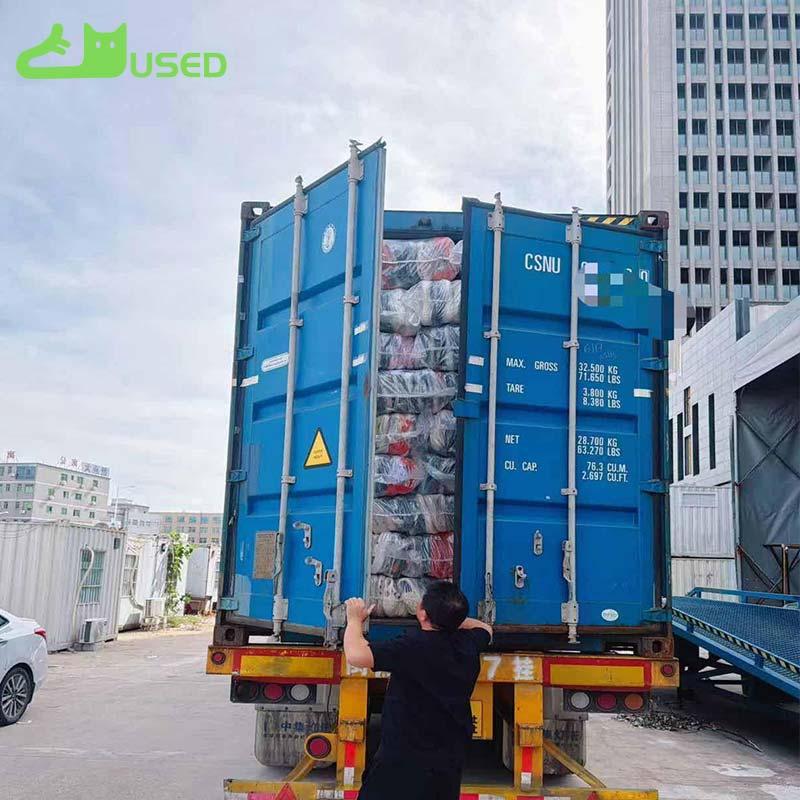
At arrival, photograph seals and package condition, preserve package marks and open a distributed sample before mixing stock. Count each release route and record the reason for downgrades, holds, mismatches and rejects.
Add handling time, released-pair cost and early channel response. The next order should change a named category, tolerance, packing instruction or evidence request rather than asking generally for better quality.
same package record
reason-coded result
actual accepted-pair basis
one dated change
No. Limit the scope to categories and channels the receiving team can measure clearly.
No. Use identifiable evidence distributed through current stock and preserve the lot reference.
Use the written milestone and independent verification process; unresolved product or instruction changes remain open.
They prevent opened stock from becoming an unmeasured general pile.
A documented result that supports a specific lower-risk reorder decision, even when some assumptions fail.
A first bulk order is a controlled purchasing release, not a price experiment. The used mixed shoes wholesale category provides the broad product frame; the buyer still needs current-lot proof, explicit stop rules and an arrival measurement plan. Submit the intended channels, category tolerance, trial quantity and inspection boundary through the inquiry form already provided on this page.

Direct Factory Supplier of Used Shoes For African Markets In China
 Tel: +8618606960861
 Email: info@usedshoeswholesale.com
 MP/WhatsApp: +8618606960861
 Manufacturer Address:Cizao Town, Jinjiang City, Quanzhou City, Fujian Province