Author:Used Wholesale Manufacturer TIME:2026-08-13
Used Doc Martens component control
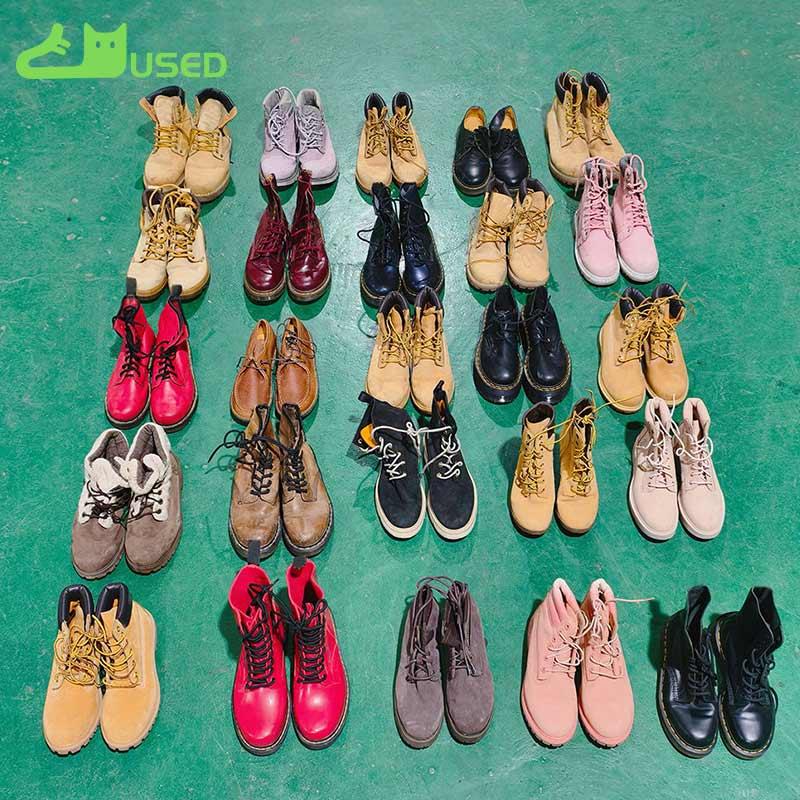
Used Doc Martens wholesale stock should not be approved from a familiar boot outline or a general leather grade. The buyer needs an item-linked product-claim file and a component ledger that follows the upper, flex zones, welt line, sole, heel, ankle lining and closures. Each component can change service cost and resale language. Material identity, construction method, comfort, grip and remaining life must remain qualified unless the exact record and appropriate inspection support them.
Code both boots and record seller wording, labels, marked size, style details, accessories and item-linked records. Keep brand, model, material, construction and physical condition as separate fields because one source may support only part of the proposed description.
A yellow-looking stitch or familiar sole edge is not a verification result. If the approved evidence route cannot support the wording, narrow the listing, transfer the pair to an appropriate non-premium route or decline it.
exact proposed wording
one pair and accessories
item-linked record
unapproved language
Record creasing, abrasion, coating change, dryness signs, cuts, stains, tears and prior treatment across toe, vamp, quarters and shaft. Note labels or documents that support material identity and preserve uncertainty when they are absent.
Do not prescribe one conditioner for a visually similar mixed lot. Cleaning and treatment must follow the known material and an approved test process, with before and after records under the same pair code.
surface and shape
flex-zone condition
abrasion and seams
supported or unresolved
Use neutral side views and gentle handling to record the forefoot bend, ankle flex, tongue base and seam junctions. Compare mates for asymmetry, deep surface breaks, stiffness as observed and prior repair signs.
A static or flex view cannot certify future durability or wearable safety. Pairs outside the written physical boundary remain in a qualified review or decline route.
bend and surface break
flex and opening
stress and continuity
mate-to-mate variance
Record stitch continuity as visible, gaps, cuts, lifting, residue, cracking and previous work around toe, sides and heel. Do not label the construction method beyond what item documentation and competent review actually establish.
Cosmetic stitching and structural attachment are different questions. An uncertain junction receives an appropriate service estimate or hold rather than an automatic welted-quality claim.
junction and stitch view
continuity and gaps
rear attachment
release, estimate or hold
No premium route opens until the claim and each critical component have a recorded decision.
| Component | Required record | Unsupported shortcut | Route |
|---|---|---|---|
| Product claim | Item-linked wording and evidence | Identity from appearance | Approve, narrow or decline |
| Upper/flex | Material scope and zoned condition | Durability from crease pattern | Prepare, disclose or hold |
| Welt/junction | Full perimeter and prior-work views | Construction or strength from color | Release or service review |
| Sole/heel | Zoned wear and edge integrity | Grip or remaining life | Grade or physical hold |
| Interior/closure | Lining, hardware, process record | Fit or hygiene guarantee | Service and reinspection |
The released-pair cost includes every component that must close before sale.
Divide both outsoles into toe, forefoot, midfoot and heel zones. Record abrasion, smooth areas, cuts, missing material, embedded debris, edge lifting and differences between mates.
Visible tread cannot prove grip, safe use or remaining service. Significant separation, movement or unknown previous adhesive stays outside immediate release.
front wear
contact zone
layer continuity
wear and balance
Inspect ankle lining, collar, tongue, eyelets or hooks, laces, zipper where present, insole and interior seams. Record odor, visible soil and moisture before preparation.
Marked size does not guarantee fit, and cleaning does not automatically establish hygiene. Use a documented material-specific process and only the result language that process supports.
wear and shape
eyelets or hooks
complete and operable
process or hold
List the exact component, proposed provider, task, limitation, cost, time and post-work check. Keep upper treatment, stitching, sole work, heel work and replacement components as separate authorizations.
Do not approve a repair merely because the boot has a recognized look. Service must fit the supported product statement, physical release and destination outlet's work ceiling.
exact work zone
approved task
result uncertainty
maximum cost and delay
Count released pairs by marked size, boot height, condition, completed work and disclosure level. Expose cohorts through the buyer's actual shop, online or wholesale routes and record listing dates, questions, sales, transfers and returns.
A visible youth trend does not prove size demand or turnover. Reorder ratios should come from released inventory and real outlet exposure rather than a generic boot curve.
marked-pair count
condition and service
named route and period
sale, return or transfer
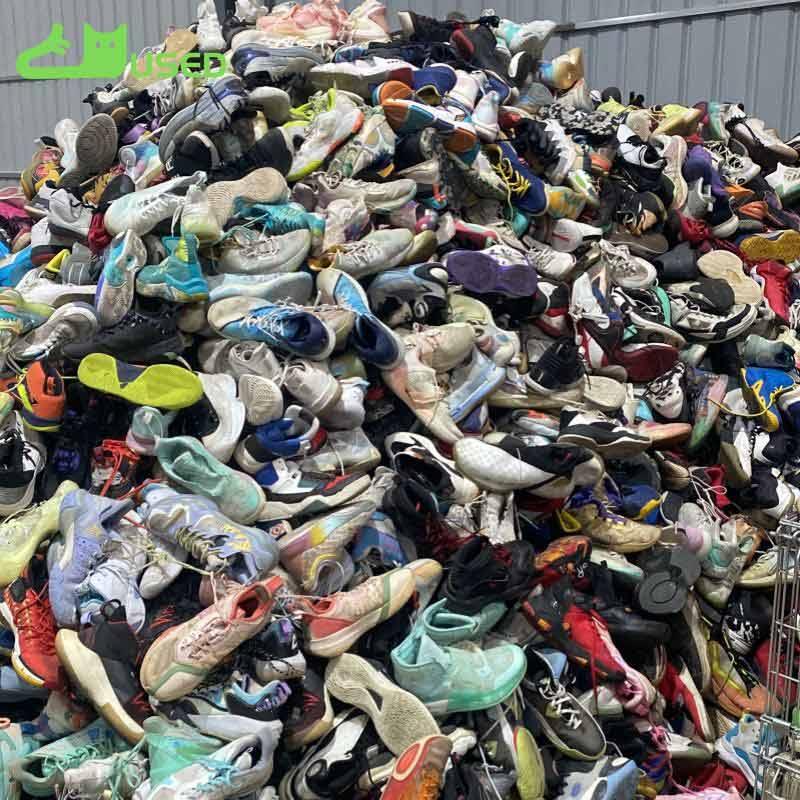
At receiving, compare pair codes, claim files, upper zones, welt line, sole and interior condition with the approved sample. Count released, service, evidence-hold, mismatch and declined outcomes by package.
Add work hours and released-pair cost, then change one material-evidence, flex, junction, sole, size or packing rule. Specific component feedback is more useful than a general request for better boots.
sample versus arrival
released by component status
per released pair
one written boundary
No. Use item documentation and an appropriate review before making a construction claim.
No. It documents present condition but cannot establish future durability.
No. Identify material scope and test an approved process first.
No. Keep marks and measurements as available without promising fit.
Use package-linked component variance, service burden and real size-cohort exposure.
A recognizable boot outline is not a component release system. The used men's shoes wholesale category provides the wider men's footwear context; item-linked claims, upper and junction evidence, authorized service, released-pair cost and actual size cohorts govern the order. Use the page inquiry form to send the accepted material scope, welt boundary, size range and sample evidence required.

Direct Factory Supplier of Used Shoes For African Markets In China
 Tel: +8618606960861
 Email: info@usedshoeswholesale.com
 MP/WhatsApp: +8618606960861
 Manufacturer Address:Cizao Town, Jinjiang City, Quanzhou City, Fujian Province