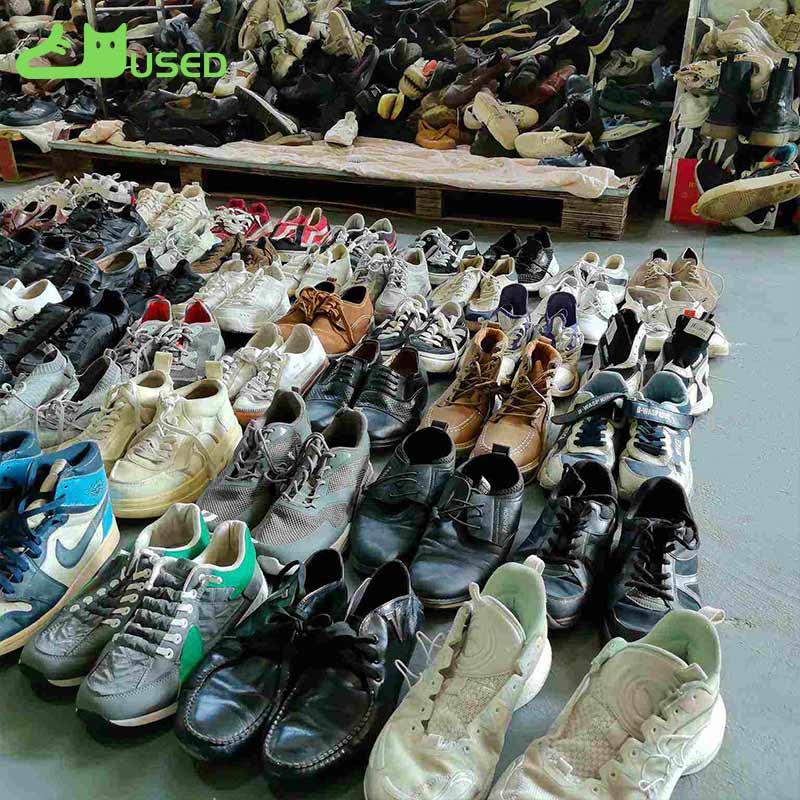
Used Gucci loafers wholesale stock needs more than a polished upper and recognizable horsebit profile. A buyer must preserve the item-linked product claim, inspect every hardware anchor, map vamp flex and apron seams, then close heel, sole, lining and service decisions before assigning a formal resale route. Bright metal, smooth leather or a familiar silhouette cannot establish provenance, material identity, attachment strength, fit, comfort or remaining service life.
Anchor recordhardware location and surrounding material
Pair conditionvamp, seam, heel, sole and lining
Formal releaseservice ceiling, disclosure and outlet evidence
Separate the proposed product statement from physical presentation
Assign one pair code and record seller wording, marked size, labels, model details as present, accessories and item-linked evidence. Product identity, material, hardware description and condition remain separate fields because a source may support one statement but not the others.
Do not infer provenance from horsebit shape, finish color or a familiar loafer outline. Unsupported wording is narrowed, transferred to an appropriate non-premium route or declined before polishing changes the intake state.
Wording
exact statement under review
Pair code
both shoes and accessories
Support
item-linked record
Open limit
language not yet approved
The product statement and hardware condition begin as separate records.
Trace each horsebit contact point and the leather around it
Photograph the complete hardware assembly before movement. Record bars, rings or links as present, each attachment point, surrounding leather or stitching, finish variation, deformation, missing pieces and evidence of prior work. Compare the left and right shoe under the same light.
A secure-looking bar in one photograph cannot prove every anchor is sound. Movement, tearing, enlarged holes, loose stitches or unclear repairs receive a physical service review and stay outside immediate formal release.
Left anchor
attachment and nearby surface
Center span
shape and movement observed
Right anchor
attachment and nearby surface
Mate variance
same hardware record for both shoes
Record creasing and shape without converting wear into leather quality
Use front, angled and side views to map toe shape, vamp creases, apron edge, quarters and opening. Note surface abrasion, coating change, dryness signs, stains, cuts and prior treatment only as observed, while preserving uncertainty about material when documentation is absent.
Deep creasing does not by itself predict failure, and fresh polish does not restore shape. Material-specific preparation starts with an approved small test and retains before-and-after images under the pair code.
Toe
shape and surface
Vamp
crease location and depth as seen
Apron
edge and stitch continuity
Finish
original, treated or uncertain
Use a horsebit attachment and presentation decision matrix
Every visible strength cue is replaced by a recorded component question and a controlled route.
Decision point
Required evidence
Do not assume
Route
Product statement
Item-linked wording and pair code
Provenance from silhouette
Approve, narrow or decline
Horsebit anchors
Complete assembly and attachment views
Strength from bright finish
Release or service review
Vamp and seams
Zoned creasing, material scope and continuity
Quality from polish
Prepare, disclose or hold
Heel and sole
Rear axis, contact wear and edge record
Traction or remaining life
Physical release or repair
Interior and size
Lining, process, mark and measurement method
Fit or hygiene guarantee
List with limits
Formal value becomes usable only after claim, attachment, structure and presentation close together.
Inspect apron stitching quarters and opening as one perimeter
Trace the apron seam, side seams, heel seam and opening edge. Record loose thread, skipped or broken areas, tearing beside stitches, residue and previous repair. Check whether mate construction and visible condition agree.
Decorative stitching and structural integrity are different questions. A missing stitch can be a disclosure, a repair input or a hold depending on its location and the qualified physical decision; appearance alone does not close that route.
Apron
complete visible seam
Quarter
stress and repair signs
Heel seam
continuity and alignment
Opening
edge wear and shape
Keep heel alignment sole edges and contact wear in the same release file
Use rear, side and underside views to record heel-block alignment, top-lift condition, outsole wear by zone, edge lifting, cuts, residue, exposed layers and differences between mates. Preserve measurement methods when heel or sole dimensions are recorded.
Visible outsole material cannot certify traction, safe wear or remaining life. Movement, marked asymmetry, active separation or unresolved previous adhesive requires an appropriate review, repair estimate or decline decision.
Rear axis
heel alignment
Top lift
wear and completeness
Outsole
toe forefoot and heel zones
Edge
continuity and prior work
Close views show where evidence, service and disclosure remain open.
Document lining size marks and entry wear without promising fit
Inspect lining abrasion, insole condition, interior seams, opening wear, visible soil, odor and moisture signs before preparation. Retain marked size and any consistently collected measurement as separate listing facts.
A marked size or one insole measurement does not guarantee fit across customers. Use only an approved material-specific cleaning and drying process, and describe the documented result without claiming sterilization, complete odor removal or future comfort.
Lining
wear and seam state
Insole
present or replaced status
Size
mark and method used
Process
approved result wording
Authorize hardware leather heel and sole work as separate tasks
List each proposed task with provider, material scope, cost, turnaround, expected visible result, limitation and post-work check. Keep hardware attachment, surface treatment, stitching, heel work and sole work in separate authorizations so one cosmetic result does not hide another open condition.
Formal presentation can require close-up photography and careful packaging in addition to repair. Calculate the ceiling from the released pair's supported route, not from a broad brand average or an exceptional resale price.
Task
one component or process
Provider
appropriate service role
Ceiling
cost and days allowed
Recheck
evidence required after work
Build a presentation file that a close-inspection buyer can understand
A formal route needs supported product wording, closed hardware anchors, stable physical status, completed preparation, clear size information and photographs that show the exact pair. A value officewear route may accept more disclosed wear but not an unresolved claim or structural question.
Record listing date, questions, sale, transfer, return and days held by size and condition cohort. Actual response from the buyer's boutique, consignment or online route is more useful than a general statement that loafers are in demand.
Premium file
closed evidence and presentation
Value file
stable disclosed wear
Service hold
work not yet closed
Evidence hold
claim or component unresolved
Formal allocation follows closed anchors, condition and outlet evidence.
Turn package-linked anchor and presentation variance into one supplier rule
At receiving, compare pair codes, hardware views, vamp and seam records, heel and sole status, service authorization and size counts with the approved sample. Count released, service, evidence-hold, mismatch and declined pairs by package.
Choose one measurable revision: a required anchor close-up, maximum loose-hardware share, leather-condition boundary, heel exclusion, service ceiling, size ratio or package protection rule. Require the next sample to show that field before payment.
Variance
sample versus arrival
Yield
released by route
Burden
work and days held
Revision
one written next-order field
Used Gucci loafer wholesale questions
Does horsebit shape verify the product claim?
No. Use item-linked evidence and keep appearance separate from identity.
Can polished leather receive the highest grade automatically?
No. Record shape, creasing, seams, material scope and prior treatment independently.
What blocks formal release first?
An unsupported claim, unresolved anchor, unstable heel or active sole separation remains outside release.
Does a marked size guarantee fit?
No. Preserve the mark and measurement method without promising customer fit.
What should change in the next purchase?
Use package-linked anchor variance, service cost, released yield and actual outlet response.
Conclusion
A polished loafer is not a closed formalwear file. The used brand shoes wholesale category provides the broader branded-footwear context; item-linked claims, complete anchor maps, physical release, service ceilings and real outlet records govern this order. Use the page inquiry form to state the accepted claim scope, hardware boundary, size range and sample views.

 Tel: +8618606960861
 Email: info@usedshoeswholesale.com
 MP/WhatsApp: +8618606960861
 Manufacturer Address:Cizao Town, Jinjiang City, Quanzhou City, Fujian Province