Author:Used Wholesale Manufacturer TIME:2026-08-13
Used Hoka profile comparison
Used Hoka shoes wholesale lots should not be approved because the midsoles look thick or because walking buyers recognize the silhouette. The importer needs a paired comparison bench: code both shoes, preserve side and rear views, map visible compression and outsole exposure, inspect collars and interiors, then separate physical release from any comfort or performance statement. The record describes present condition; it cannot certify cushioning, medical benefit, fit, safe use or remaining life.
Record seller wording, labels, marked size, model details as present, closure and item-linked evidence before sorting. Photograph the medial and lateral profile of both shoes on the same level surface and retain a consistent camera position.
A familiar high-stack outline does not verify product identity or condition. Mismatched model details, size marks or materially different profiles remain in a reconciliation lane until the buyer's approved evidence route resolves them.
both shoes together
size and model as present
medial and lateral views
separate reconciliation status
Mark heel, midfoot and forefoot zones on both sides. Record creases, dents, cuts, abrasion, discoloration, exposed material, previous adhesive and visible differences between mates. Use measurements only when the buyer has a repeatable method.
Compression lines and sidewall shape describe the pair at intake; they do not quantify resilience or future performance. Avoid mileage, lifespan or recovery claims unless an appropriate source and test specifically supports them.
line and shape
surface and support geometry
flex-zone condition
difference under same method
The bench records present geometry and conflicts without converting an image into a remaining-life estimate.
| Bench station | Controlled record | Stop condition | Commercial use |
|---|---|---|---|
| Pair identity | Marks, model wording and complete mates | Mismatch or unresolved claim | Reconcile before grading |
| Side profiles | Same surface, angle and zones | Marked mate difference or damage | Describe or hold |
| Rear axis | Level rear view and counter shape | Tilt, movement or conflict | Physical review |
| Outsole map | Zoned wear, foam exposure and edge | Separation or severe asymmetry | Repair or decline |
| Upper/interior | Closure, collar, lining and process | Open tear, moisture or unsupported result | Prepare with limits |
Only released pairs move from the bench into a priced sales cohort.
Place the pair on a level reference and photograph from behind. Record visible rear tilt, heel flare as present, counter shape, collar height, sole contact and differences between shoes without forcing the upper into position.
A photograph is not a stability certification. Marked tilt, deformation, movement or uncertainty receives an appropriate physical review or decline route, especially when it conflicts with the side profile or outsole record.
level setup and camera
visible tilt or symmetry
shape and movement
profile versus rear view
Divide both outsoles into heel, lateral edge, medial edge, forefoot and toe. Record abrasion, smooth areas, exposed foam, cuts, debris, edge lifting and prior work. Keep mate images paired with the side and rear views.
Visible rubber cannot prove traction, safe wear or remaining service. Severe asymmetry, active separation or an unresolved junction stays outside release even when the upper looks clean.
contact wear
medial and lateral difference
rubber and exposure
lifting or prior work
Record upper abrasion, tears, seam condition, closure completeness, eyelets, tongue, heel collar, lining, insole and interior seams. Note visible soil, odor and moisture before any preparation and preserve mate differences.
A replacement insole cannot correct unknown midsole condition, and a clean upper cannot release a damaged sole junction. Material identity and process wording remain qualified when documentation is absent.
surface and seams
complete and operable
lining and shape
insole and process status
Choose a small representative group with known material scope. Define product, contact limit, operator, drying method, stop signal and expected visible result. Preserve paired views before and after the trial.
Stop if color, bonding, foam surface or material response becomes uncertain. Describe only the documented process and observed result; do not claim sterilization, restored cushioning or complete odor removal.
coded representative pairs
approved material route
unexpected response
supported wording only
Record purchase allocation, freight method, package volume, unloading, pair matching, profile photography, sorting, cleaning, replacement components, physical review, holds and rejects using the buyer's accounting method.
Divide cost by pairs actually released into a defined route, not by every shoe received. Thick-profile footwear can consume space even when a pair remains unresolved, so report storage days and hold volume separately.
allocation and volume
sorting and preparation
space and capital unresolved
cost per released pair
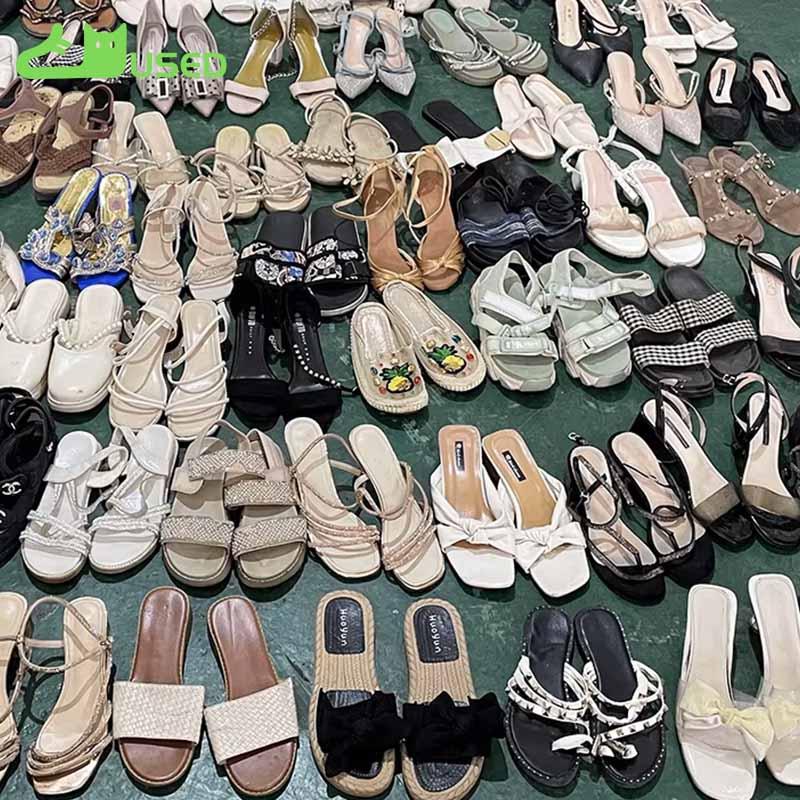
A released casual or walking route needs a closed physical file, model and size information as supported, clear condition images and documented preparation. Destination retailers remain responsible for their own customer, fit and intended-use decisions.
Record listing dates, questions, trials where lawfully and appropriately collected, sales, transfers, returns and reasons by model-size-condition cohort. Do not turn customer interest in a thick sole into a comfort, health or performance claim.
supported wording and images
model size and condition
sale transfer or return
coded buyer feedback
At receiving and after customer returns, compare the pair code, side profiles, rear axis, outsole zones, collar, process and listing record. Keep damage after sale separate from conditions present at intake when evidence allows.
Change one measurable rule for the next order: allowed mate variance, profile-view standard, rear-axis hold, exposed-foam boundary, collar condition, size ratio, package protection or maximum unresolved share. Require a current-stock sample for that field.
intake arrival and return
one evidence mismatch
release hold or decline
one next-order boundary
No. Record present geometry and avoid unsupported performance or lifespan claims.
Consistent mate views expose visible differences that one promotional angle can hide.
No. Midsole, outsole, collar and structural questions need their own decisions.
No. Use supported condition language and leave fit and intended-use decisions to the destination buyer.
Use profile variance, released cost, storage burden, returns and coded complaint reasons.
A high-profile sole is a condition record, not a promise of cushioning or remaining life. The used sneakers wholesale category provides the wider sneaker context; consistent mate views, rear and outsole evidence, bounded processing, released-pair economics and coded returns govern the order. Use the page inquiry form to state the required model-size mix, profile views, physical exclusions and package method.

Direct Factory Supplier of Used Shoes For African Markets In China
 Tel: +8618606960861
 Email: info@usedshoeswholesale.com
 MP/WhatsApp: +8618606960861
 Manufacturer Address:Cizao Town, Jinjiang City, Quanzhou City, Fujian Province