Author:Used Wholesale Manufacturer TIME:2026-08-13
Used Louboutin heel fit trace
Used Louboutin heels wholesale stock carries fit and return risk that a printed size or red-sole photograph cannot resolve. The buyer needs a traceable loop from item-linked product wording to repeatable measurements, toe geometry, heel pitch, rear alignment, physical release and customer-facing disclosure. Appointment notes and return reasons then feed the next purchase boundary. Appearance cannot verify provenance, fit, comfort, stability, safe wear or remaining service.
Create a trace ID for the complete pair. Preserve the vendor's exact statement and each supporting record in one part of the file; place label text, marked size, style details, included accessories and unresolved questions in separate fields. Evidence that supports one field must not silently approve another.
A red outsole or familiar silhouette does not verify provenance. An approved product statement also does not validate the printed size, so unresolved claim and fit evidence remain separate holds.
exact supported wording
size as present
both shoes and accessories
claim or size uncertainty
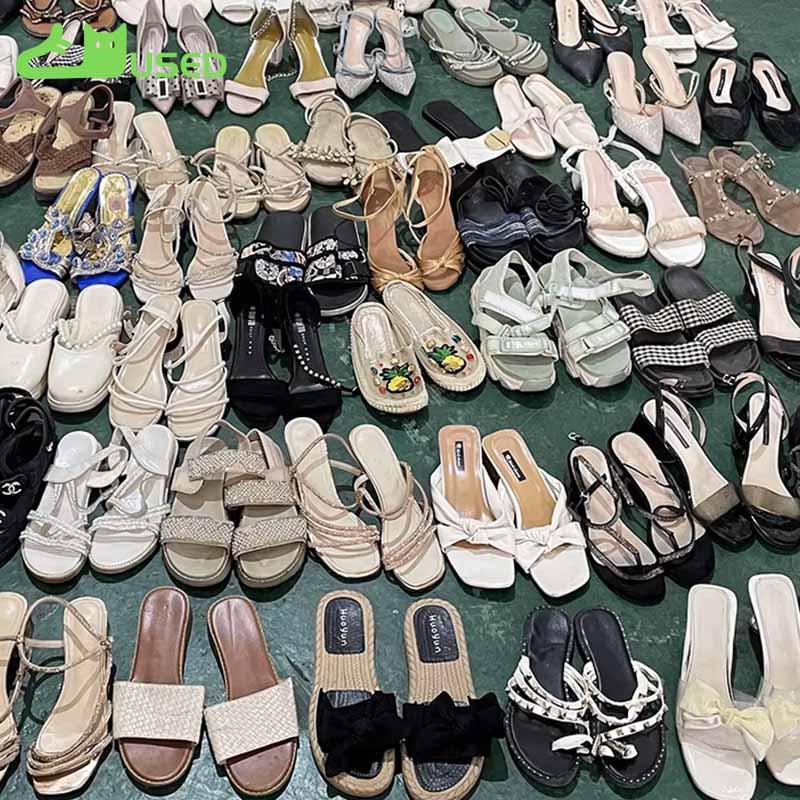
Define the tool, reference points, shoe position, rounding rule and operator for interior length where appropriate, heel height, opening or strap range and any other value the buyer consistently collects. Photograph the setup for repeatability.
A measurement is a comparison aid, not a fit promise. Do not combine values taken by different methods without identifying the change, and do not invent measurements where the shoe construction prevents a reliable method.
named measuring device
start and end points
shoe setup
value method and operator
Use top, side and opening views to record pointed, almond, round or other observable toe geometry as appropriate, plus creasing, abrasion, shape loss, staining, lining wear and visible pressure marks. Compare mates without forcing the upper.
Toe shape can influence customer questions but cannot predict fit or comfort. Material identity and prior treatment remain qualified when documentation is absent, and any open tear or structural change receives its own physical route.
observable toe shape
creases and marks
lining and pressure signs
shape difference
On a level reference, capture rear and side views of both shoes. Record heel height by the approved method, rear alignment, heel-tip condition, visible movement, attachment area and differences between mates.
Pitch and alignment photographs support present-condition review; they do not guarantee balance, stability or wearable safety. Movement, marked asymmetry or unresolved previous work remains in specialist review or decline.
approved method
visible alignment
wear and completeness
movement or prior work
The matrix links each customer-facing field to its method, release condition and feedback code.
| Trace field | Before listing | After customer contact | Revision trigger |
|---|---|---|---|
| Product claim | Item-linked approved wording | Claim question or dispute | Evidence requirement |
| Size and measurement | Mark, protocol and value | Comparison or fit question | Method or disclosure change |
| Toe and heel geometry | Views, height and rear line | Expectation or physical concern | Mix or acceptance boundary |
| Sole and service | Zoned wear and completed work | Condition or service complaint | Repair ceiling or exclusion |
| Fulfillment | Pair code and package record | Wrong item or package damage | Packing and dispatch control |
A return changes the next order only when its cause remains linked to the evidence that preceded it.
Map outsole wear by toe, forefoot, arch and heel, then record edge condition, exposed layers, cuts, residue, sole protection, prior repair and mate differences. Preserve the intake state before any cosmetic work.
Red color influences presentation but cannot prove identity, traction, safe wear or remaining life. Active separation, severe wear or uncertain repair needs a physical decision regardless of listing price.
presentation observation
contact record
present or prior work
release repair or hold
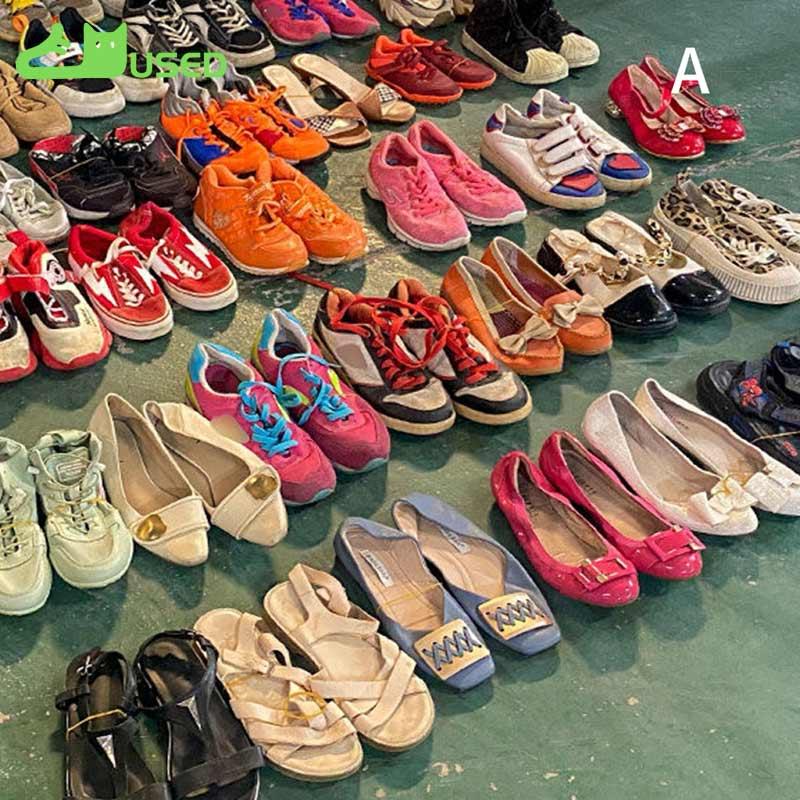
Link marked size, measurement method, toe geometry, heel height, closure or opening information, condition images, completed service and included accessories to the exact pair. Keep product evidence accessible without using it as fit evidence.
State that measurements support comparison and that customer fit varies. The destination seller defines its fitting, appointment and return process; do not imply that one marked size converts uniformly across lasts or heel heights.
mark and method
toe heel and opening
zoned images
no fit guarantee
Where the buyer lawfully and appropriately records appointment outcomes, use pair code, listed measurements, questions, sale or no-sale, transfer and broad operational reason. Protect personal information and retain only data needed for inventory decisions.
One customer's experience does not prove fit for another. Aggregate repeated questions by model-size-geometry cohort before changing descriptions or purchasing ratios.
exact item shown
measurement or condition topic
sale no-sale or transfer
operational code without personal detail
Define controlled return reasons such as measurement mismatch, customer fit expectation, undisclosed condition, structural issue, service result, wrong item, package damage or other reviewed cause. Compare the returned pair with intake and dispatch evidence.
Do not label every return a fit problem or every fit complaint a size-mark error. The evidence may point to listing clarity, measurement method, condition change, fulfillment or customer preference; uncertain causes remain uncertain.
Allocate evidence review, measurements, specialist work, packaging, appointment support, return handling and reshipping to the released cohort. Keep holds and declines outside saleable yield so a high asking price does not hide labor, days held or repeated support cost.
customer comparison issue
disclosure or change
item or package variance
handling assigned to released cohort
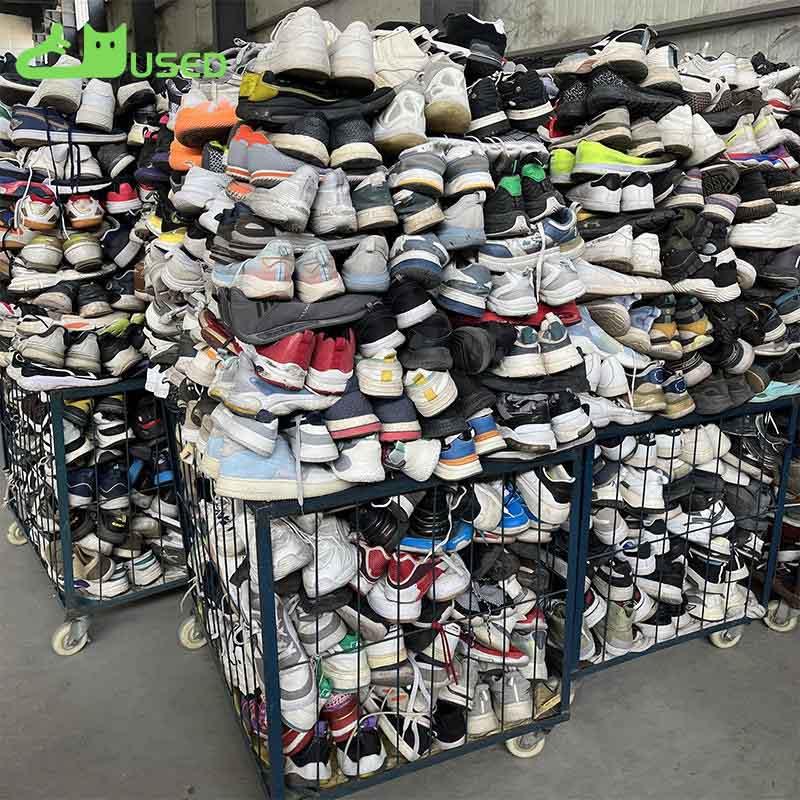
Compare supplier measurements, receiving checks, listing files, appointment questions, returns and final disposition by pair code. Look for repeated conflicts in one method, toe geometry, heel height band, size cohort, condition boundary or package route.
Revise one field at a time: measurement reference, required rear view, allowed heel variance, toe-shape mix, size ratio, service ceiling, listing disclosure or protection method. Require the next sample to demonstrate the revised field.
repeated coded evidence
one field to change
current-stock proof
result after next cohort
No. Preserve the mark and repeatable measurements as comparison evidence only.
No. Identity needs item-linked support, while color and wear remain condition observations.
No. It supports physical review but cannot guarantee safe wear.
No. Separate expectation, condition, service, fulfillment, package and unknown causes.
Use repeated measurement conflicts, geometry cohorts, physical exceptions, return causes and released cost.
Premium heel sorting needs a trace from evidence to measurement to return cause, not a printed-size shortcut. The used women's shoes wholesale category provides the broader women's-footwear context; item-linked claims, repeatable measurements, physical release, clear disclosures and coded feedback govern this order. Use the page inquiry form to state the required size range, measurement protocol, heel boundary and sample views.

Direct Factory Supplier of Used Shoes For African Markets In China
 Tel: +8618606960861
 Email: info@usedshoeswholesale.com
 MP/WhatsApp: +8618606960861
 Manufacturer Address:Cizao Town, Jinjiang City, Quanzhou City, Fujian Province