Author:Used Wholesale Manufacturer TIME:2026-08-13
Used work boot physical release file
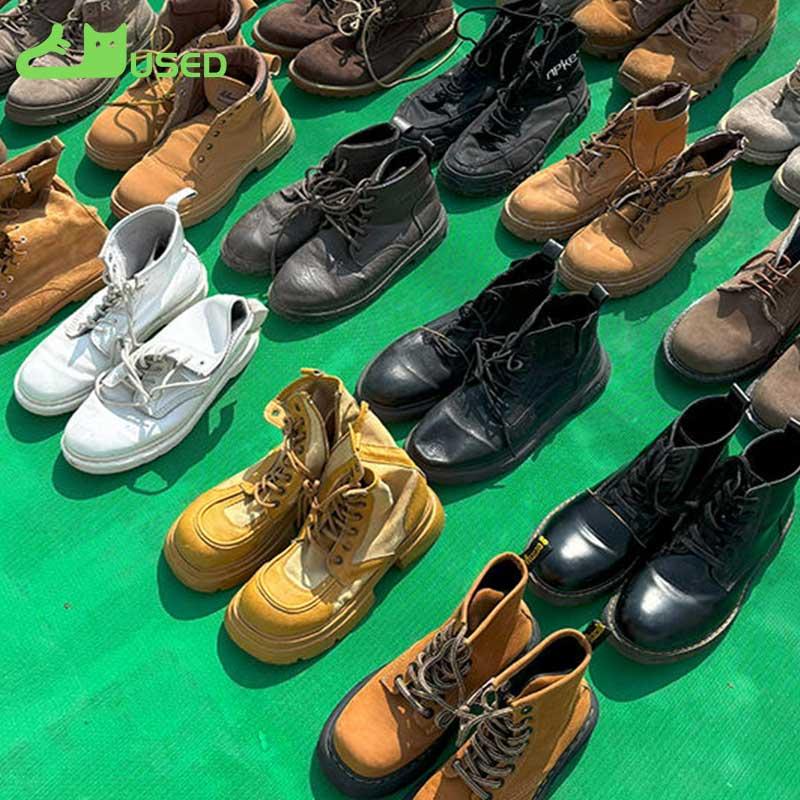
Used work boots wholesale lots need a physical release method that separates visible condition from any promise about protection or jobsite suitability. A useful file follows the pair from outsole mapping to toe structure, bonded edges, upper and interior condition, contamination handling and outlet disclosure. It records what an importer can see, measure and reconcile. It does not turn tread depth, a heavy upper or a familiar workwear shape into evidence of safety certification, slip resistance or remaining service life.
Keep both boots, laces, removable insoles and any included labels under one code before cleaning. Record vendor wording exactly as supplied, marked size, closure type, visible construction, color, and differences between mates. Photograph the underside, toe, rear, both sides and interior with the code in frame.
Do not infer a safety standard from appearance or a label fragment. Product claims belong in an evidence field, while physical grading belongs in a separate inspection record. If the claim, size or mate identity conflicts, the pair remains outside released stock until the discrepancy has a documented route.
both boots and loose parts
exact supported wording
observed condition only
reconcile before grading
Divide each outsole into toe, medial forefoot, lateral forefoot, midfoot, medial heel and lateral heel stations. Use the same tool, contact point and rounding rule for every recorded value. Add level rear and side photographs so heel wear and mate-to-mate differences remain visible beside the measurements.
A remaining lug at one station does not describe the whole outsole. Smooth patches, cuts, embedded material, exposed layers and pronounced left-right variance need their own entries. Tread measurements support condition comparison; they do not certify traction, puncture resistance, electrical protection or safe use on a particular surface.
front wear and cuts
medial and lateral values
structure and debris
inside outside and rear line
Record toe-cap outline as observed, deformation, scuffs, cracks, punctures, seam condition, eyelets, hooks, zippers, laces, tongue, collar, pull tabs and lining wear. Check each component gently without forcing stiff or damaged material. Note odor or residue as an observation, not as a diagnosis.
A firm toe shape does not prove a protective rating, and a clean lining does not prove hygiene treatment. Open tears, sharp exposed parts, failed closures, severe deformation and unresolved interior contamination require service, a restricted resale route or decline according to the buyer's written boundary.
shape and surface state
seams and openings
parts and operation
lining insole and residue
The table connects each physical station to the evidence a buyer needs and the route when that evidence is insufficient.
| Decision station | Close with | Do not infer | Open route |
|---|---|---|---|
| Tread and heel | Zoned values and level views | Traction or remaining life | Hold, restricted route or decline |
| Toe and upper | Shape, seams and openings | Protective rating | Evidence review or limited wording |
| Sole edge | Full perimeter and prior work | Internal bond strength | Service estimate or decline |
| Interior | Lining, insole and residue record | Hygiene result | Isolation or approved process |
| Outlet | Pair-specific disclosure | Jobsite suitability | Ordinary resale or documented restriction |
Release requires every relevant station to close; a strong result in one column cannot cancel an unresolved physical or claim problem.
Inspect the complete toe, side and heel perimeter under consistent light. Mark gaps, active lifting, residue, previous adhesive, stitching condition, cracks and exposed layers. Where an approved gentle movement check is used, record the method and stop signal instead of repeatedly flexing a questionable bond.
Photographs cannot establish internal bond strength or future durability. A pair with good-looking tread can still fail the edge gate, while an old repair can be acceptable only under the buyer's documented service and disclosure policy. Keep sole-edge decisions outside the visual-cleaning score.
gap lift or repair
continuity and cracks
separation and wear
release service hold decline
Separate pairs with wetness, mold-like growth, chemical residue, biological material, pests, sharp embedded objects or an unidentified strong odor from the normal workbench. Preserve intake photographs, handling notes and lot position, then follow the importer's approved health, waste and professional-review procedure.
Routine wiping must not erase evidence needed for a claim or expose staff to an unknown substance. Do not advertise disinfection unless a supported process and result exist. If the condition cannot be handled within the buyer's approved boundary, exclude the pair from saleable yield rather than burying it in average preparation cost.
keep away from normal stock
condition and lot position
approved specialist procedure
exclude unresolved pairs
The listing file should show marked size, measurements where consistently taken, tread-zone record, heel variance, toe and closure condition, completed service and unresolved limitations. Use ordinary workwear or fashion wording only when supported by the destination seller's policy. Do not describe a pair as jobsite-ready from appearance alone.
If a target occupation or regulated workplace requires certified footwear, the reseller must rely on valid item-linked evidence and local requirements. Unverified used stock should be routed to a clearly limited channel, held for review or declined. The importer should state these restrictions before a supplier assembles the lot.
observable pair facts
item-linked support
no unsupported work claim
unresolved physical or evidence risk
At arrival, sample the agreed cartons or bales and repeat the tread stations, edge check, toe and closure review. Reconcile the inspected pair codes with packing records, then log unexpected holds, service minutes, parts, declines and package-linked damage. Keep photographs tied to carton or bale position for supplier discussion.
After resale, compare released yield, time held, repair cost, customer questions and return reasons by size and condition band. Change one purchase rule at a time, such as minimum measured tread by station, maximum heel variance, allowed edge repair, closure completeness or evidence required for product wording.
repeatable station checks
pair and package evidence
service and days held
one measurable revision
No. It is one condition measure and does not establish certification, traction or remaining life.
No. Map fixed toe, forefoot, midfoot and heel stations on both mates.
Only item-linked evidence can support a specific protection claim.
Isolate it and use the buyer's approved handling or professional-review route.
Use repeated tread variance, edge failures, service time, decline reasons and customer feedback.
Work-boot buying needs a documented physical limit, not a rugged-looking shortcut. The used men's shoes wholesale category provides the broader men's-footwear context; tread stations, toe and bond checks, contamination holds and pair-specific disclosures govern this order. Use the page inquiry form to state the required size range, tread method, repair tolerance and claim-evidence boundary.

Direct Factory Supplier of Used Shoes For African Markets In China
 Tel: +8618606960861
 Email: info@usedshoeswholesale.com
 MP/WhatsApp: +8618606960861
 Manufacturer Address:Cizao Town, Jinjiang City, Quanzhou City, Fujian Province