Author:Used Wholesale Manufacturer TIME:2026-08-13
Shoe thrift store mixed-load grading route
Shoe thrift store buyers need a grading language that staff can apply at receiving and explain on the sales floor. A mixed load should not be labeled with one broad grade before category, pair completeness, size mark, upper, sole, closure, interior, preparation work and destination store zone are reviewed. The route below uses separate carts for intake, physical release, service and hold. It gives the buyer a reproducible count while leaving product claims, comfort and remaining life outside unsupported assumptions.
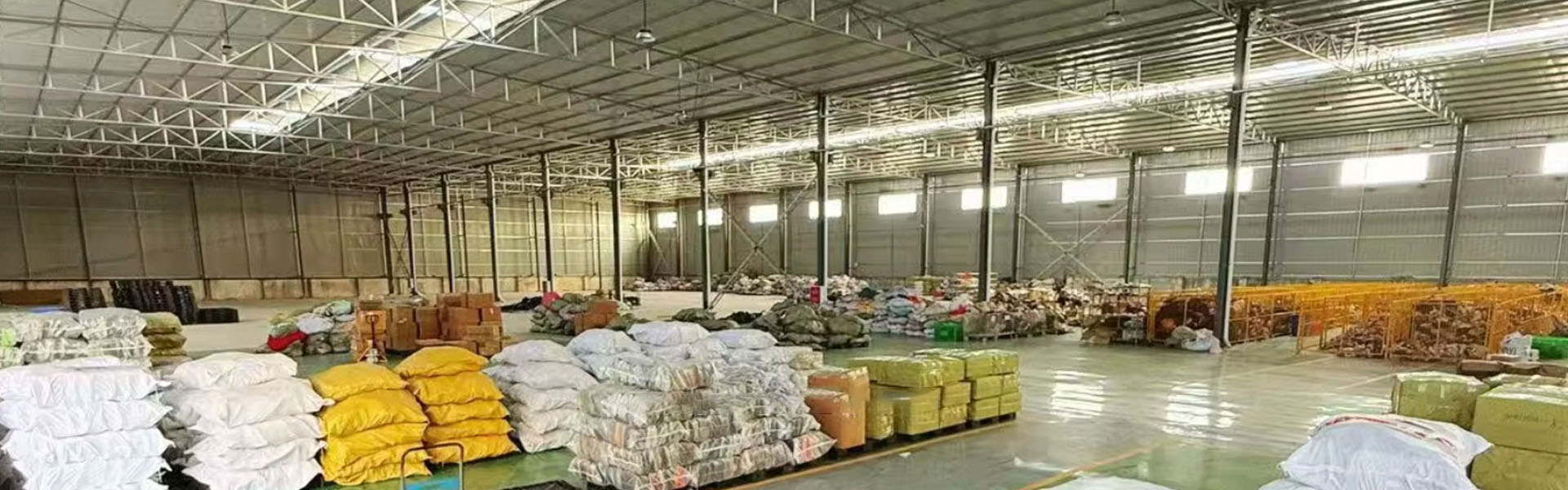
Record bale or carton references, seal status where used, weights and external damage before opening. Move items into complete-pair intake, singles or mismatch, immediate isolation and unresolved identity carts. Keep package position for exceptions and avoid cleaning until intake evidence is complete.
The first sort is not a retail grade. It establishes what was received and protects staff from unknown wetness, contamination or sharp objects. Define handling and escalation rules in advance; stock outside the approved boundary remains isolated from the ordinary workbench.
complete mates under one code
single size or category conflict
wet residue pest or sharp risk
identity or package discrepancy

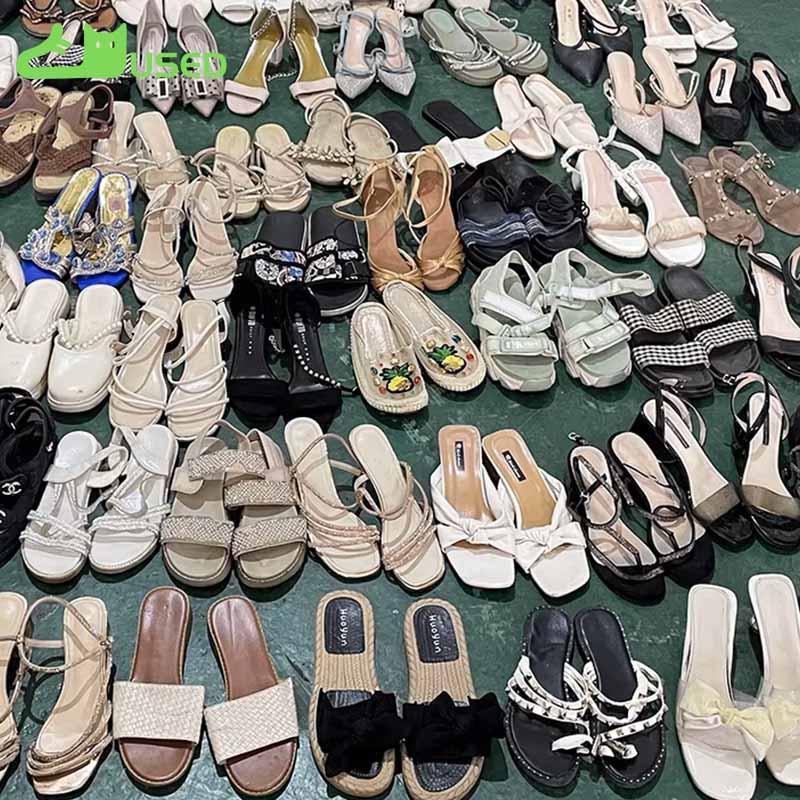
Classify the complete pairs into practical store families such as men's, women's, children's, sneakers, boots, sandals or other locally defined groups. Preserve marked size as present and record unreadable marks instead of converting them by guesswork.
Report the count and percentage for each family and size band, plus the method if a sample rather than full count is used. Category distribution is a commercial fact about this load; it does not prove demand. Compare it with the store's dated sales and current stock before setting the next order mix.
store-defined category
as present
kept visible
count and percentage
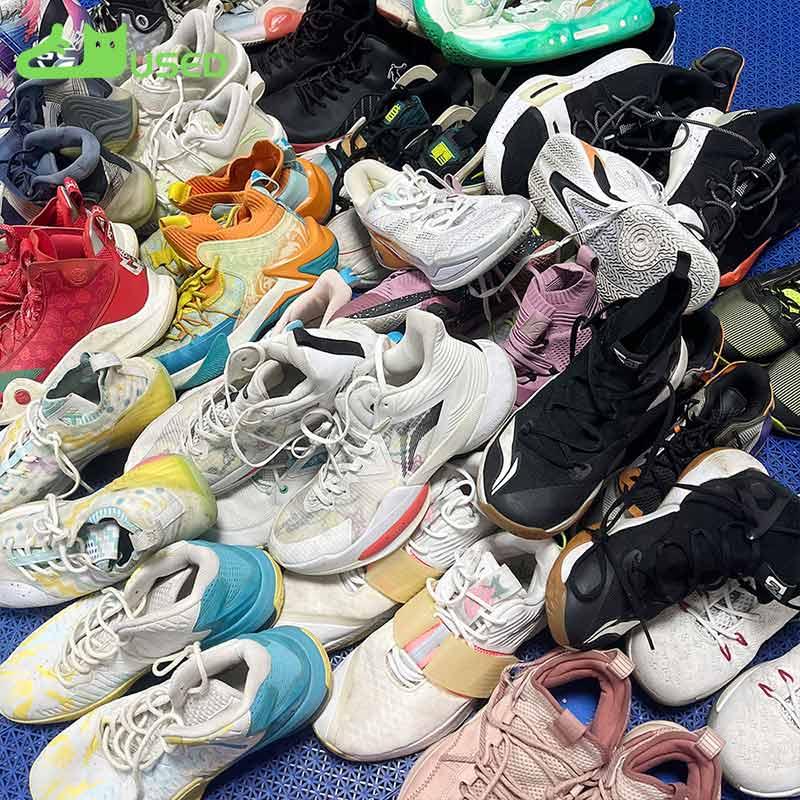
For each pair or documented sample, record upper tears, seams, shape, stains, sole wear, cuts, edge separation, heel variance, closure completeness, lining, insole and interior residue. Use consistent lighting and the same inspection order so staff do not skip a field on attractive pairs.
Avoid labels that imply safety, hygiene, authenticity or remaining life. A grade should describe the buyer's accepted physical boundary and required work. Structural failures, unknown contamination and unresolved sharp exposure take a hold or decline route regardless of cosmetic appearance.
surface seams and shape
wear cuts and bonds
complete and operable
lining insole residue
Create a short grade sheet that lists required fields, allowed defects, excluded findings, preparation expectation and disclosure. Staff should be able to assign the same pair from the written rule without relying on terms such as excellent, premium or export quality alone.
Use a separate service-pending status when approved work is incomplete. Reinspect after work and retain before-and-after evidence. Product-claim support remains another field; a strong physical grade does not authorize branded wording or a specific performance statement.
required observable fields
allowed defect range
automatic hold or decline
pending until recheck
Each row names observable release evidence, allowed work and the store route; local teams should replace examples with their approved limits.
| Stock state | Required record | Work status | Store action |
|---|---|---|---|
| Intake complete | Pair, category, mark and package trace | No cleaning before evidence | Proceed to physical grade |
| Released grade | Upper, sole, closure and interior fields | Inside approved work ceiling | Assign disclosed floor zone |
| Service pending | Defect and authorized task | Incomplete until recheck | Keep off sales floor |
| Evidence hold | Open claim or identity field | Physical work does not close claim | Narrow, review or decline |
| Physical decline | Excluded structural or contamination finding | Outside normal preparation | Approved recovery or disposal route |
A grade is useful only when another reviewer can reproduce it and the store route preserves its limitations.
Time representative cleaning, relacing, minor repair, sorting, labeling and photography by category and grade. Record materials, specialist cost and days held. Set a work ceiling appropriate to the store's staffing and price bands.
Do not hide difficult pairs inside the average for ready stock. If approved work exceeds the ceiling, move the pair to a clearly defined value, service or recovery route. Store-zone pricing should use released condition and actual burden, not the buyer's desire to recover the load cost evenly.
minutes and material
lace insole or approved component
provider cost and recheck
time before floor release
Map each grade to a real store zone, shelf or online collection. The customer-facing record should include marked size, useful measurements where consistently taken, condition notes, completed work and important limitations. Keep price and disclosure rules available to staff.
A lower price does not excuse a hidden structural issue, and a higher grade does not guarantee fit or durability. Returns, transfers and markdowns should preserve the pair code so the grading team can see whether the problem came from physical inspection, work, disclosure or local assortment.
released standard grade
work and recheck shown
restriction clearly disclosed
not customer-facing
Select a small set of coded pairs and have a second trained reviewer apply the grade sheet without seeing the first result. Investigate disagreements by field, not by authority. Update wording or training where the rule produced inconsistent decisions.
At the end of the cycle, compare received mix, grade yield, preparation burden, floor zone, days held, markdowns and return reasons. Change one tolerance, category ratio, work ceiling or supplier evidence requirement. Preserve the old rule and effective date so the store can tell whether the revision helped.
second independent grade
field-level cause
sale transfer markdown return
dated rule change
No. Reconcile the load, then grade pairs or a documented representative sample by field.
No. Keep the mark unknown and use only consistently collected comparison measurements.
No. Claim support remains a separate evidence decision.
Only after the authorized work and documented reinspection are complete.
Use blind second reviews and investigate disagreements by exact field.
A thrift grade should survive a second review and remain understandable on the sales floor. The used mixed shoes wholesale category provides the broader mixed-footwear context; controlled receiving carts, category counts, field-based grades, measured work and store-zone feedback govern this load. Use the page inquiry form to state the intended store zones, excluded findings, category mix and receiving sample.

Direct Factory Supplier of Used Shoes For African Markets In China
 Tel: +8618606960861
 Email: info@usedshoeswholesale.com
 MP/WhatsApp: +8618606960861
 Manufacturer Address:Cizao Town, Jinjiang City, Quanzhou City, Fujian Province