Author:Used Wholesale Manufacturer TIME:2026-08-13
Preloved shoe bale weight review
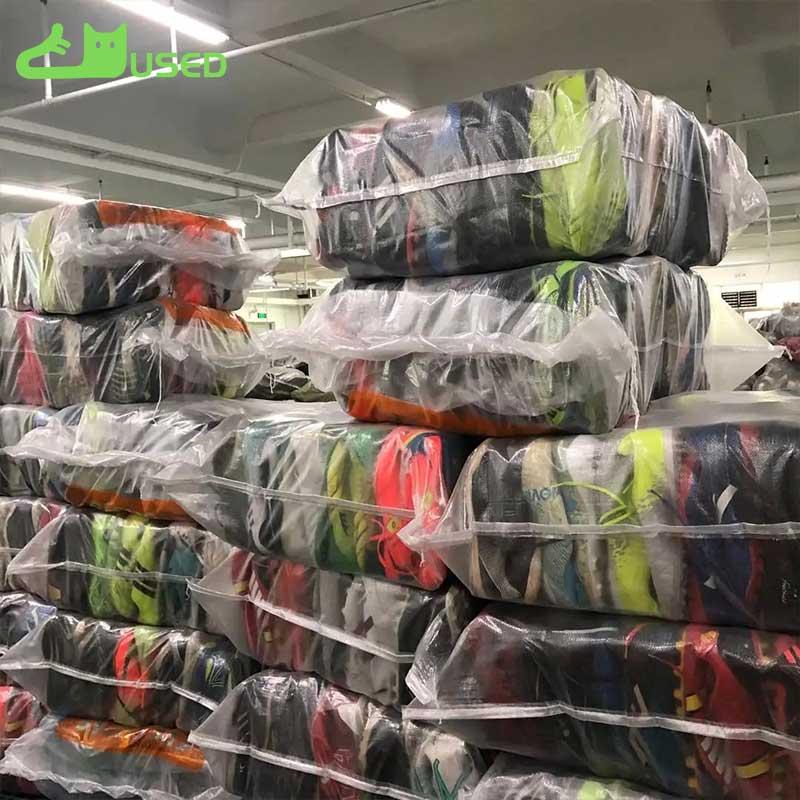
Preloved shoes buyers should treat bale weight as a reconciliation field, not a direct quality score. A heavier bale may contain more pairs, denser categories, more packaging, retained moisture or a different size mix. A lighter bale can also be weak if the complete-pair count or released yield is poor. The useful comparison bridges gross weight to tare, net goods weight, actual complete pairs, category distribution, physical holds and accepted-pair cost. Every figure needs a method and source so two offers can be compared on the same basis.
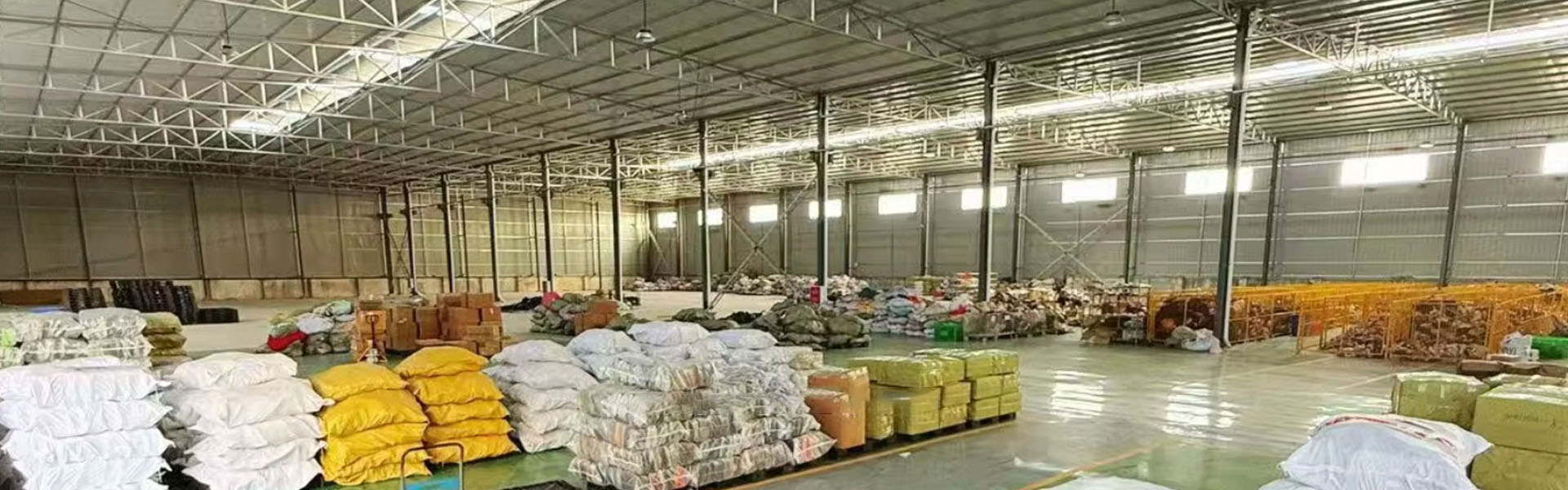
Write whether gross weight includes bale wrap, straps, pallets or other packaging and how tare will be established. Record scale identity or method where relevant, measurement date, unit and rounding. Use the same definitions on quotation, packing and receiving records.
Do not subtract an assumed tare borrowed from another bale style. If packaging varies, record it per package or use a documented sampling method. A net-weight estimate should remain labeled until receiving provides the agreed verification.
goods plus defined packaging
measured packaging basis
gross minus supported tare
scale unit date and rounding
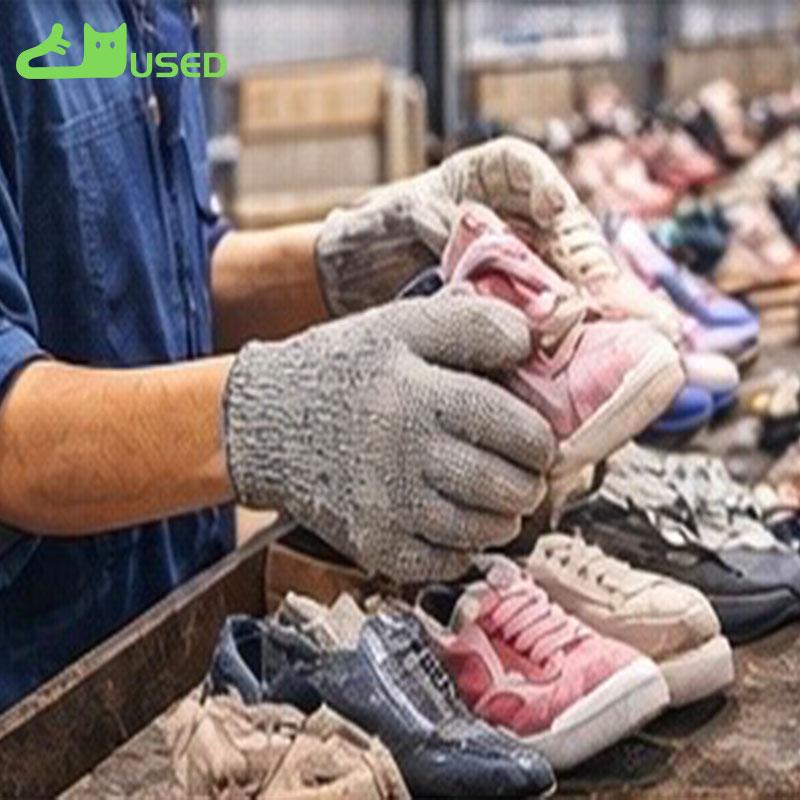
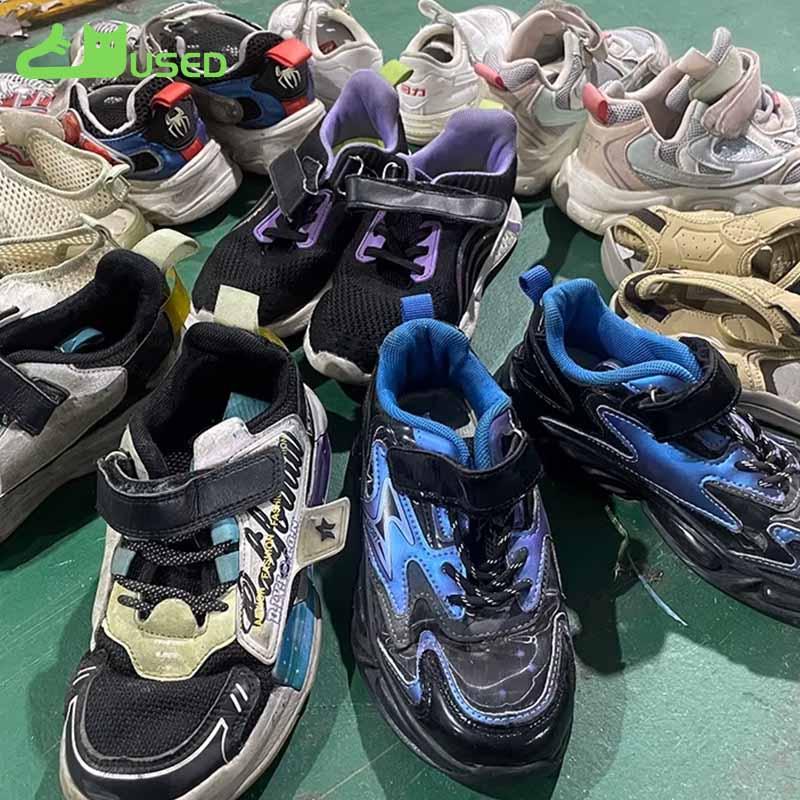
Record complete matched pairs by bale or representative sample, along with men's, women's, children's, sneakers, boots, sandals and other buyer-defined families. Add broad size bands and note singles or unreadable marks. Calculate pairs per net kilogram only as a description of this measured lot.
Different constructions and size mixes have different mass. A dense work-boot bale and a children's-shoe bale should not be judged by one pairs-per-kilogram target. Compare density inside a relevant category and packing basis, then investigate outliers rather than declaring them good or bad automatically.
complete matched count
construction and category
broad marked-size bands
pairs per supported net mass

At opening, document wet or unusually cold surfaces, condensation, odor, mold-like growth, excessive paper, loose fillers, foreign objects and damaged wrap. Isolate stock that falls outside the buyer's handling boundary and preserve package position and photographs.
Weight alone cannot identify the cause of an anomaly. Do not invent a moisture percentage without an approved measurement method. Unknown contamination or wetness remains outside released yield while the buyer follows the approved health, claim and disposition process.
observable or measured state
wrap straps and fillers
type and location
outside normal sorting
If a supplier provides a sample, record its preparation, category mix, pair count, net weight and selection method. Then define how shipment packages will be selected for comparison. A hand-picked sample and a random receiving sample answer different questions.
Use the same inspection language for sample and arrival. Report category, pair density, single rate, physical hold rate and visible work burden. The buyer should not extrapolate a small sample as a guaranteed shipment result; use it to set tolerances and trigger checks.
selection method
category and size
agreed package selection
variance and response
The bridge prevents gross mass from being mistaken for quantity, quality or commercial value.
| Bridge step | Evidence | Calculation | Decision use |
|---|---|---|---|
| Gross to net | Gross, packaging and tare method | Supported net mass | Compare shipment basis |
| Net to complete pairs | Matched pairs and category mix | Pairs per net kilogram | Investigate density variance |
| Complete to released | Grade and hold routes | Released-pair percentage | Build sellable denominator |
| Released to cost | Goods, freight and conversion | Cost per released pair | Compare offers |
| Arrival reconciliation | Package-linked actuals | Variance from offer | Change one tolerance |
Bale weight becomes commercially useful only after packaging, pair density, category mix and released yield are visible.
After complete-pair reconciliation, grade the agreed sample or full load using the buyer's physical and evidence boundaries. Place pairs into released, service pending, evidence hold, restricted route and decline. Keep unresolved stock out of the ordinary sellable denominator.
Calculate kilograms per released pair only when it helps explain logistics or processing; calculate commercial cost per released pair from the full supported cost ledger. A favorable weight metric cannot cancel poor category fit, high repair burden or weak claim evidence.
buyer-approved sale routes
authorized work then recheck
excluded until closed
outside saleable yield
For each offer, use the same endpoint and currency. Enter goods price, package count, supported net mass, expected complete pairs, category mix, released-yield scenario, freight basis and destination handling. Show where the calculation uses sample evidence or an estimate.
A low price per kilogram may be expensive per accepted pair, while a higher price can still be weak if the mix does not fit the outlet. Stress test pair density, release rate and freight adjustments separately. Require a smaller trial or tighter evidence when the decision changes under a modest variance.
per bale kilogram or pair
same delivery endpoint
supported scenario
one assumption at a time
At receiving, compare marks, gross weight, supported tare, net weight, complete-pair count, category distribution and holds with the shipment records. Link every exception to the package and preserve evidence before cleaning or repacking.
After sorting and early resale, update actual preparation burden and released yield. Revise one future tolerance such as tare range, category density band, maximum single rate, wetness hold, sample method or acceptable arrival variance. Keep the old assumption for audit.
package identity
same definitions and unit
offered versus received
one dated tolerance

No. Weight does not establish physical condition, claim support or outlet fit.
Packaging can vary and must not be treated as net goods mass.
No. Construction and size mix materially affect mass.
Isolate it and keep it outside released yield until the approved process closes.
Use a full like-for-like ledger, including cost per released pair and category fit.
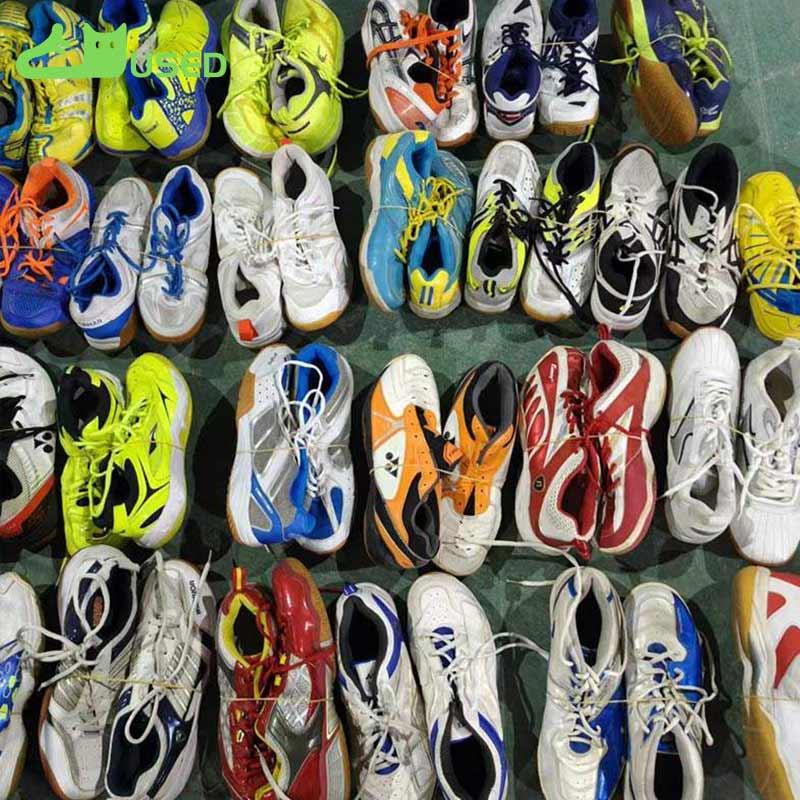
Bale weight is a measurement input, not a grade. The used mixed shoes wholesale category provides the mixed-footwear context; defined tare, category density, anomaly holds, released yield and normalized route cost govern the comparison. Use the page inquiry form to state the bale format, weight basis, required mix and receiving tolerance.

Direct Factory Supplier of Used Shoes For African Markets In China
 Tel: +8618606960861
 Email: info@usedshoeswholesale.com
 MP/WhatsApp: +8618606960861
 Manufacturer Address:Cizao Town, Jinjiang City, Quanzhou City, Fujian Province