Author:Used Wholesale Manufacturer TIME:2026-08-13
Local-demand stock video inspection brief
Used shoes near me search interest can suggest questions, but it cannot tell an importer which stock mix will sell or prove what a remote supplier has. The useful move is to combine dated local outlet records with a buyer-controlled stock video brief. The brief defines which categories, size bands, condition fields and package positions must appear, how random selections are made, and which inconsistencies require a second view. Video narrows uncertainty; it does not certify hidden structure, inventory quantity, product identity or future sales. Receiving must repeat the same checks.
Collect dated records the buyer is entitled to use: current stock by category and size, completed sales, transfers, markdowns, customer questions, return reasons and days held. Keep channel and location visible because a market stall, neighborhood store and social seller may not need the same assortment.
Search suggestions and inquiries can identify language worth investigating, but they are not sales volume. Convert the local evidence into open questions such as whether the offered load includes enough children's sizes, whether boots are overrepresented, or which condition defects create returns. The video brief should test those questions rather than ask for a warehouse tour.
named selling channel
category size and condition
sale transfer markdown return
specific uncertainty to inspect
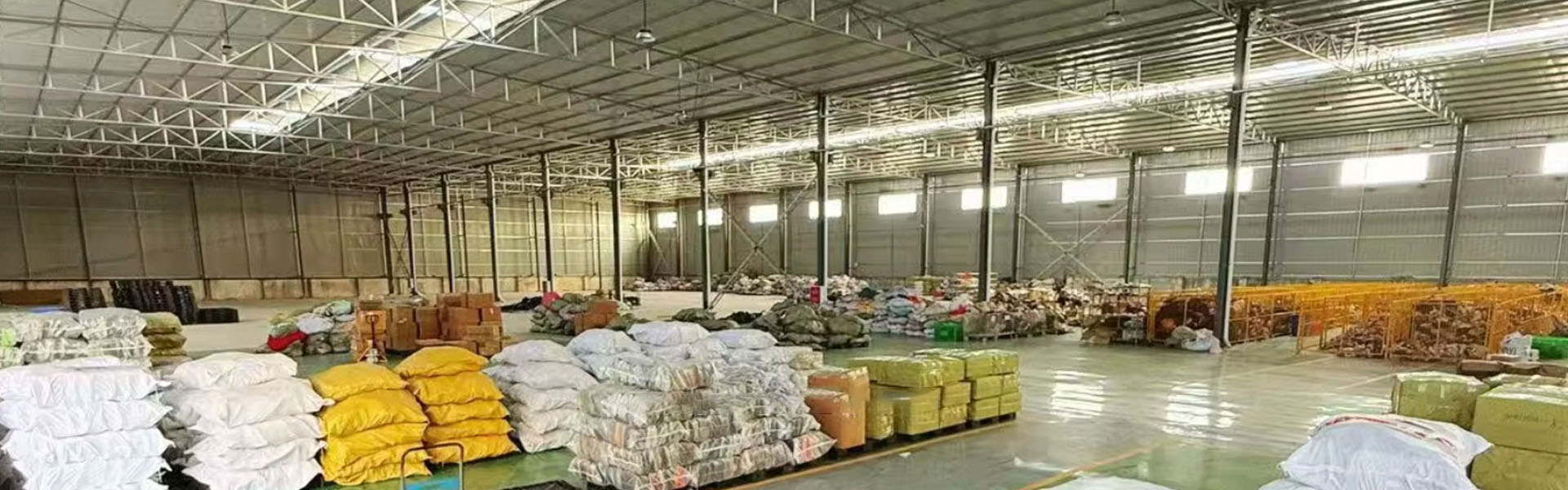
Before filming, agree an offer reference, date cue, warehouse or stock location, package marks and a way to show the buyer's requested identifiers. Ask the operator to distinguish exact allocated stock, a representative sample and general warehouse capability.
A large room in a video does not prove ownership, quantity or reservation. Record who films, when and which quotation the footage supports. If allocation changes later, require updated evidence or an approved substitution record instead of silently reusing the earlier video.
quotation or lot code
current recording cue
named stock site
exact sample or capability
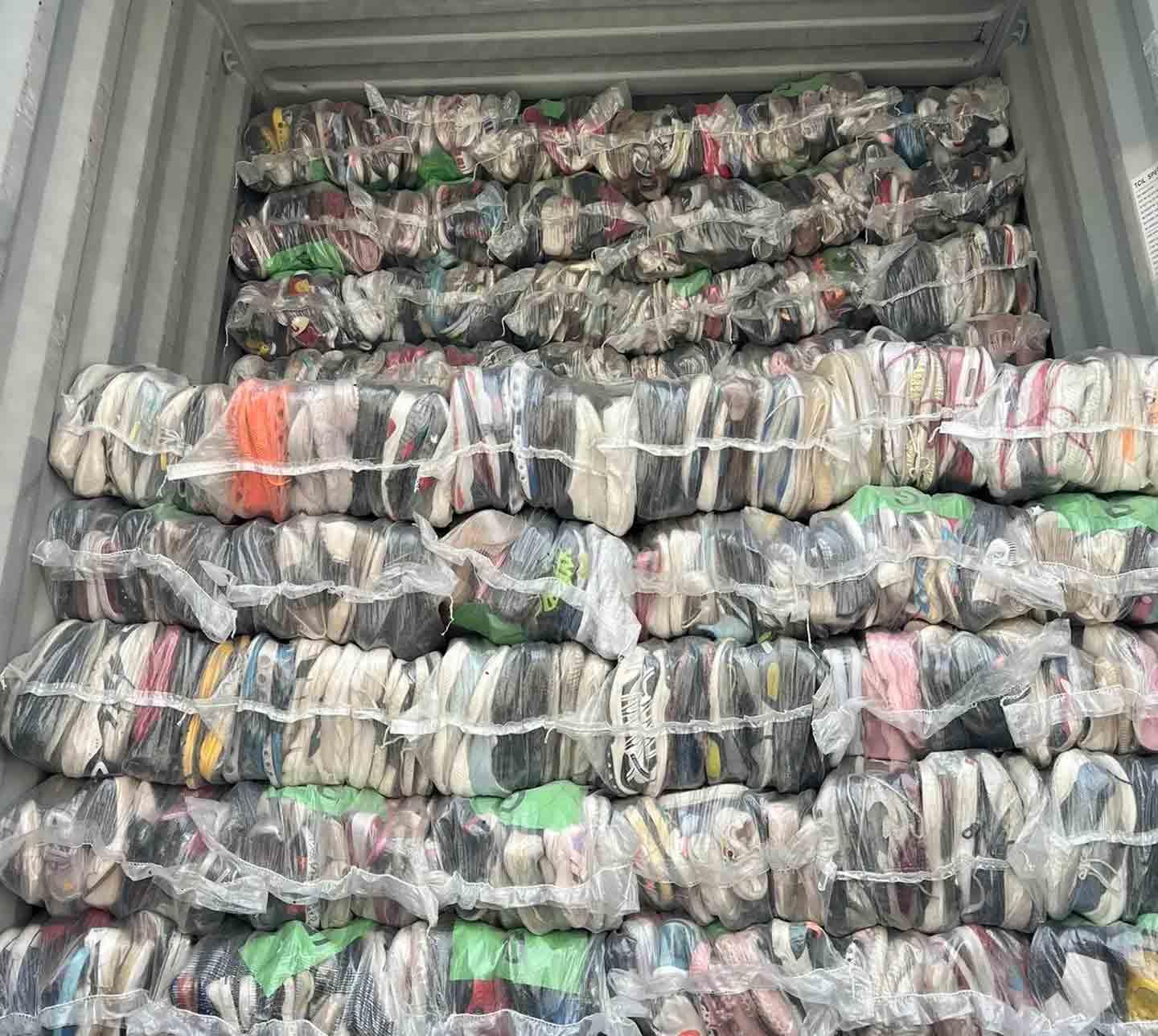
Begin with the package or lot reference, then move continuously through the relevant stock area to the selected bale, carton or rack. Show package marks, closed state and surrounding context before opening or choosing pairs. Keep cuts and pauses disclosed when they are unavoidable.
The route is a chain-of-context control, not proof that every item was shown. Avoid fast pans, distant views and music-led edits that hide condition. The buyer should be able to map a close-up pair back to a selection point and package reference.
offer and location reference
continuous movement
visible package or rack
declared and explained
Each shot exists to answer a documented buying question, not to make the warehouse look busy.
| Shot block | Question answered | Required context | Unresolved limit |
|---|---|---|---|
| Offer anchor | Is this current offered stock? | Reference, date and location | Ownership and full quantity |
| Selection route | How was the sample chosen? | Continuous package or rack path | Unshown stock |
| Mix views | What categories and sizes appear? | Count and sample basis | Shipment percentage without method |
| Pair close-ups | What physical fields are visible? | Repeated angles and mate identity | Hidden structure and future life |
| Follow-up | Did an exception close? | Same pair or package reference | Unconnected replacement sample |
| Receiving replay | Did arrival match the brief? | Same terms and sample logic | Causes without evidence |
A strong video brief leaves a receiving team with repeatable questions and identifiable evidence.
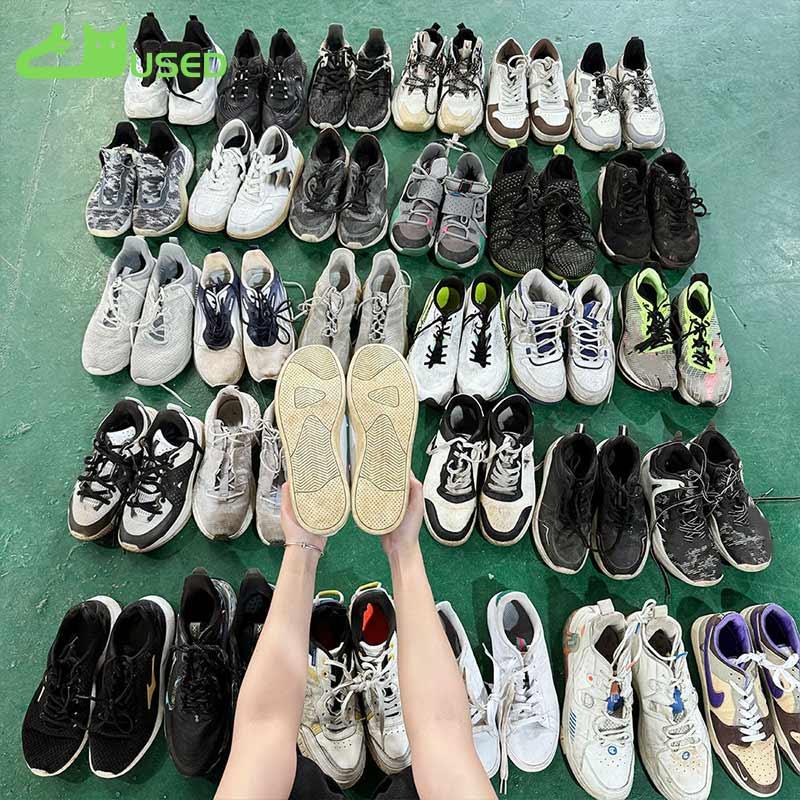
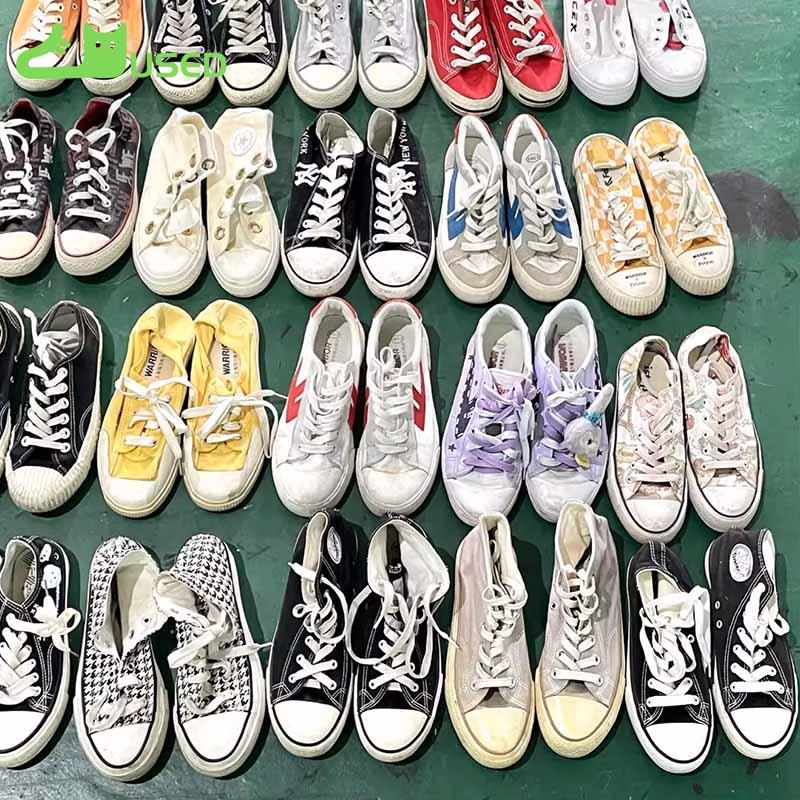
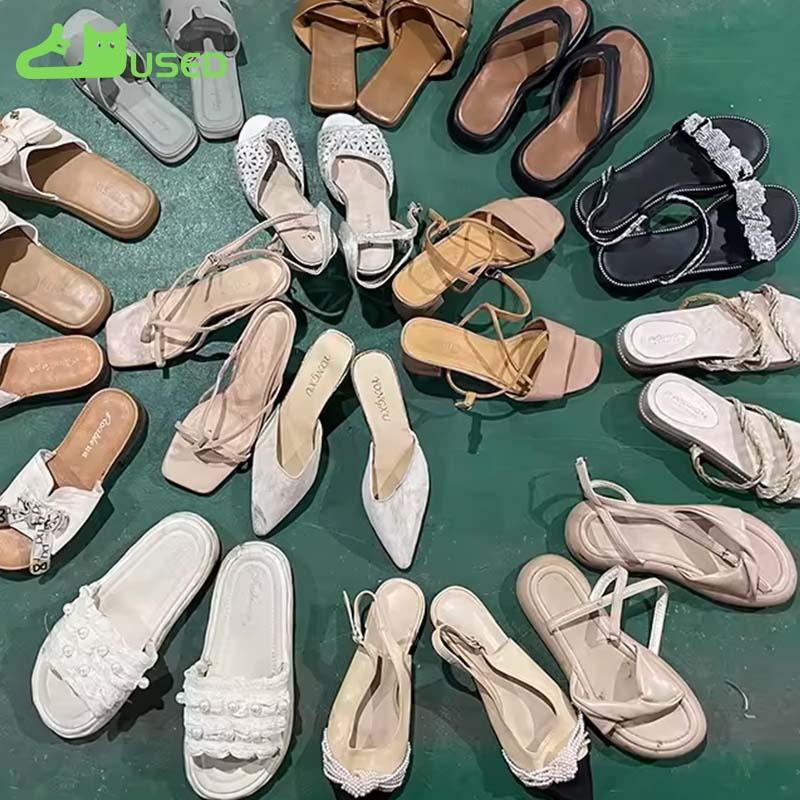
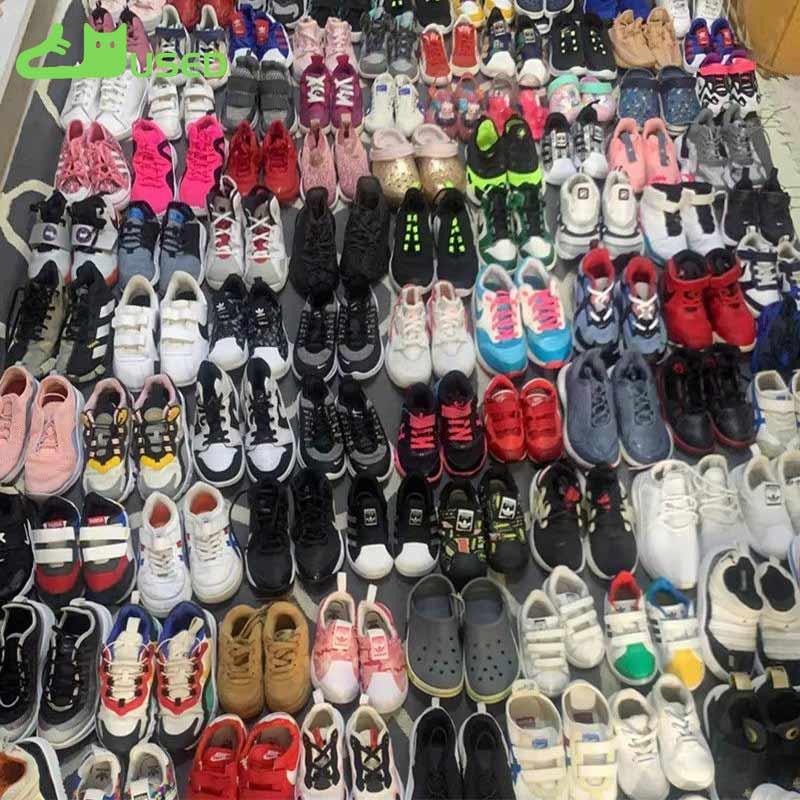
Ask for wide views of separated categories, then select packages or positions using an agreed random or stratified method. For each selected group, show complete pairs, marked sizes as present, category count and any unknowns. Use stable framing long enough for labels and differences to be seen.
Do not convert a few visible pairs into a shipment percentage unless the sampling method supports it. The video should expose the denominator and selection process. If the mix appears inconsistent with the offer, request a packing-list reconciliation or larger sample before price approval.
separated category context
buyer-controlled method
size and pair identity
count or sample basis
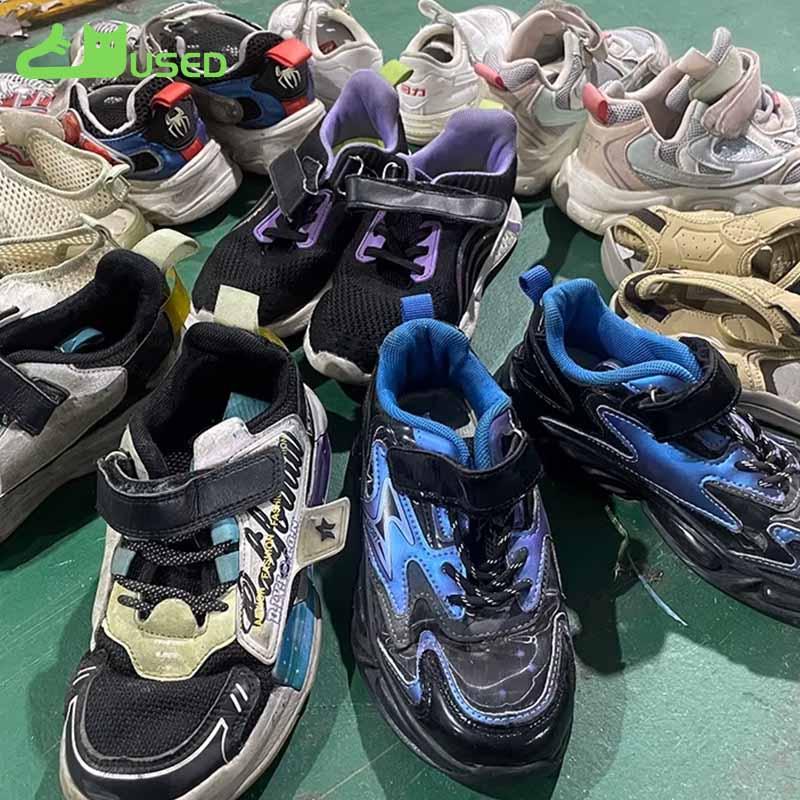
For selected pairs, request top, both sides, rear, underside, sole edge, closure and interior views under useful light. Include mate comparison, sole flex only within an approved gentle method, visible wear, cuts, openings, repairs, lining and residue. Keep product-claim evidence in a separate record.
Video can reveal movement and context that still images miss, but it cannot prove internal bond strength, hygiene, authenticity, traction or remaining life. Any sharp, wet, contaminated or structurally uncertain item needs the buyer's hold or decline route rather than more persuasive filming.
shape seams and marks
wear cuts and edges
parts and gentle operation
lining insole and residue
Create an exception list with timestamp, pair or package reference, observed conflict and required follow-up. Ask for a slow repeat of the exact field, a scale display, package mark, mate comparison, label, edge movement or packing-list line as appropriate.
Keep the original clip and follow-up together. Do not accept a new attractive sample as the answer to a defect found in the first selection. If the supplier cannot reconnect the follow-up to the same stock, treat the issue as unresolved and narrow, hold or decline the relevant scope.
where conflict appears
same pair or package
one field to close
closed narrowed held declined
At receiving, use package marks and the agreed sampling method to repeat category, size and physical checks. Record actual complete pairs, substitutions, damage, wetness, holds and work burden before cleaning. Compare the results with the approved footage and packing list.
A video program becomes useful when its questions predict arrival checks. Log which shots were sufficient, which hid uncertainty and which exceptions recurred. Change one next-order camera instruction, sample size, condition boundary or packing mark.
same selection logic
same category and condition terms
video versus received
one shot-list improvement
No. Use them only to identify questions, then rely on dated outlet evidence.
No. Anchor footage to the current offer and verify responsibility separately.
It reveals whether the sample was buyer-controlled, stratified or presentation-selected.
No. It supports visible condition review and leaves hidden performance claims unresolved.
Compare approved footage with package-linked receiving variance.
A stock video is valuable when local evidence gives it precise questions and receiving gives it a test. The used mixed shoes wholesale category provides the mixed-footwear context; dated outlet records, current-stock anchors, visible selection, repeatable pair views and arrival replay govern the inspection. Use the page inquiry form to state the target mix, selected package positions and required video fields.

Direct Factory Supplier of Used Shoes For African Markets In China
 Tel: +8618606960861
 Email: info@usedshoeswholesale.com
 MP/WhatsApp: +8618606960861
 Manufacturer Address:Cizao Town, Jinjiang City, Quanzhou City, Fujian Province