Author:Used Wholesale Manufacturer TIME:2026-08-13
Buy used sneakers unsellable-rate forecast
Buyers who buy used sneakers need an unsellable-rate estimate before price approval, but the estimate should not be one borrowed percentage. It should be a cause-based forecast built from the supplier's current sample, the buyer's acceptance rules, category and size mix, preparation capacity and comparable receiving history. Unsellable for one outlet may be a restricted value route for another, so the denominator and commercial routes must be defined. A forecast remains an uncertainty range until the shipment is received and measured.
Define complete received pairs as the starting denominator and list commercial routes: released ready, service then released, restricted value, evidence hold and decline. Decide which count as sellable in the forecast and when. Keep singles, unpaired stock and unresolved holds visible.
A pair is not universally unsellable. The definition belongs to the intended outlet, physical boundary, evidence policy and work capacity. Preserve count and sample basis so another reviewer can reproduce the percentage.
complete received pairs
named accepted routes
service or evidence hold
outside buyer boundary
Use controlled codes for single or size mismatch, severe upper or sole defect, failed closure, unknown contamination, unsupported product claim, service above ceiling, excluded category or size and package damage. Keep unknown cause available.
Do not force a pair into one convenient code when several findings exist. Record a primary disposition cause and secondary observations where useful. Cause separation shows which issue can be controlled by sample, packing, grade or outlet changes.
single or mate conflict
outside structural boundary
claim remains open
mix or work outside route
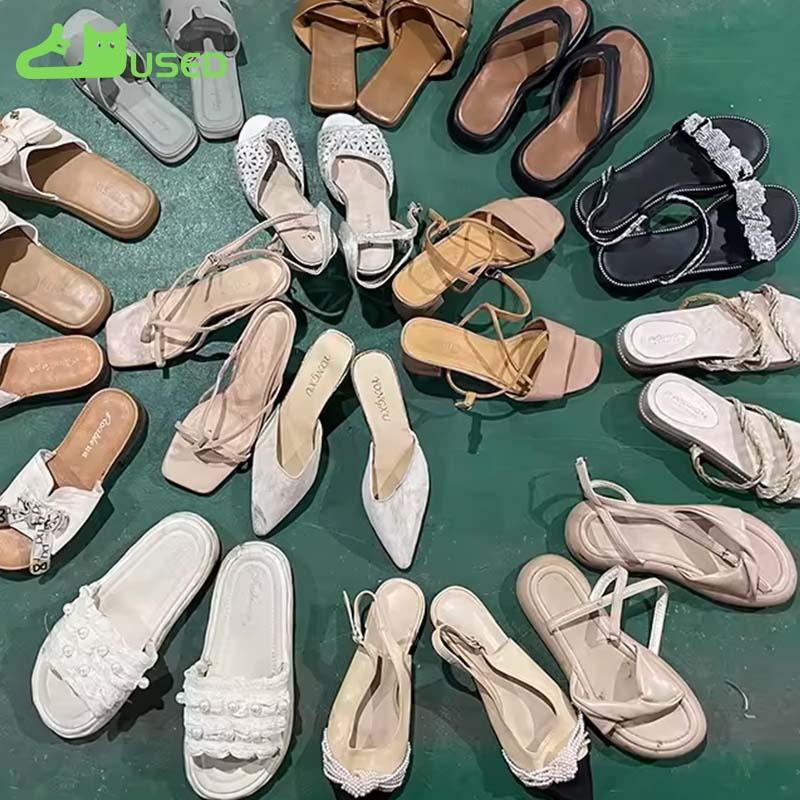
Record who selected the sample, exact or representative relation, package strata, pair count, category and size coverage and inspection fields. Calculate cause rates with the denominator shown. Keep service-pending and evidence-hold rates separate from immediate decline.
A small presentation sample can understate difficult stock. Do not report a precise shipment forecast without an uncertainty range. Request a larger or buyer-controlled sample when one or two pairs materially change the decision.
method and relation
packages categories and sizes
cause count over sample
range and limitation
Separate each cause and show how evidence changes the range.
| Cause block | Current evidence | Forecast treatment | Control lever |
|---|---|---|---|
| Mismatch | Sample singles and mate conflicts | Observed rate plus uncertainty | Pairing and packing rule |
| Physical decline | Field-level sample findings | Cause-specific range | Grade tolerance and inspection |
| Evidence hold | Unsupported product wording | Excluded until closed | Claim requirement |
| Work ceiling | Minutes, service and capacity | Recovery or decline share | Service limit |
| Outlet exclusion | Category, size and stock-age records | Commercial downside range | Mix and exit route |
| Shipping variance | Comparable route history | Separate allowance | Packing and receiving control |
The forecast is decision-ready when each cause has evidence, uncertainty and a practical control lever.
Compare prior shipments only where supplier, source, grade, category mix, packing and inspection method are sufficiently similar. Use package-linked receiving counts and final dispositions, not memory. Show differences that make the history weaker.
Past performance can narrow an estimate but cannot guarantee current stock. If the supplier or grade rule changed, reduce the weight of history. Keep a separate allowance for shipping damage and receiving surprises supported by the route records.
supplier grade mix and method
receiving disposition counts
why history may not transfer
route and packing uncertainty
Estimate cleaning, relacing, repair, photography and service for each condition cohort. Pairs above the work ceiling may move from potentially sellable to value or decline. Apply category, size and evidence rules from the intended outlet.
Do not assume labor capacity is unlimited or every discounted pair can sell. Use dated local stock age, markdowns and returns to set the commercial exclusion range. Keep search interest outside volume claims.
minutes materials and service
pairs released per period
category size and condition fit
value transfer or decline
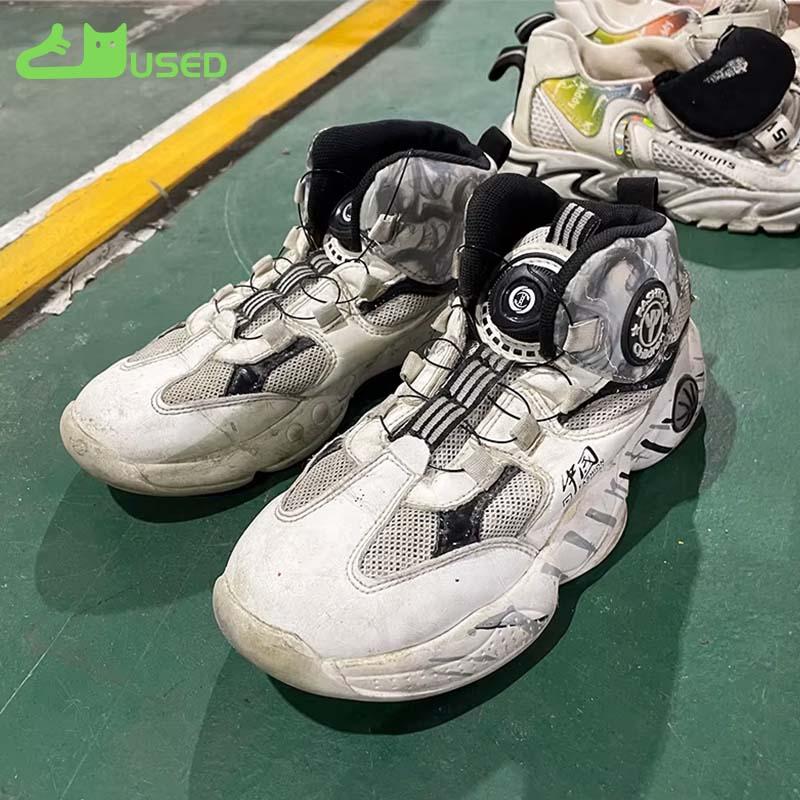
Build base, downside and severe scenarios by changing sample cause rates, service recovery, package damage and outlet exclusions one at a time. Add goods, freight, destination and preparation costs, then divide by forecast released pairs.
Set a maximum offer for each scenario and identify the point where the order no longer fits the outlet. If a modest unsellable-rate change destroys the economics, reduce quantity, improve evidence or decline rather than relying on the best case.
supported central estimate
weaker yield or more work
defined stop case
maximum accepted price
Before shipment, write the receiving sample or full-count method, cause codes, package trace and claim deadline. At arrival, preserve exceptions before service and measure complete pairs, routes and causes using the same definitions.
Compare forecast and actual by cause, not only total percentage. Revise one sample, packing, exclusion, service ceiling or price assumption. Keep the original forecast so the buyer can see whether the model improved.
receiving sample or full count
package-linked cause
forecast versus actual
one model input
No. It depends on stock, sample, buyer rules, work capacity and outlet.
Only under the defined route and after authorized work and reinspection.
No. Comparable history supports but does not guarantee current stock.
Sampling and shipment conditions create uncertainty that should remain visible.
Change one cause assumption, sample, packing rule, work ceiling or price boundary.
An unsellable rate is a buyer-specific forecast with causes and uncertainty, not an industry constant. The used sneakers wholesale category provides the sneaker context; explicit routes, current sampling, comparable history, work limits and downside pricing govern the estimate. Use the page inquiry form to request the sample method, grade fields, packing basis and receiving tolerance.



Direct Factory Supplier of Used Shoes For African Markets In China
 Tel: +8618606960861
 Email: info@usedshoeswholesale.com
 MP/WhatsApp: +8618606960861
 Manufacturer Address:Cizao Town, Jinjiang City, Quanzhou City, Fujian Province