Author:Used Wholesale Manufacturer TIME:2026-08-13
Bulk used Dr Martens component inspection gate
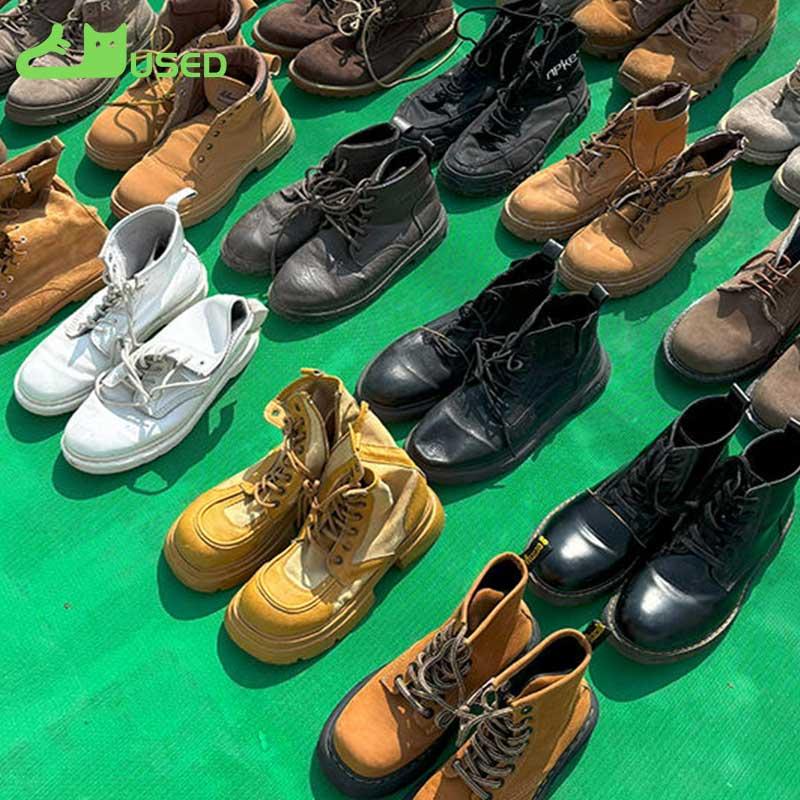
Bulk used Dr Martens buying needs more than a general boot grade because different constructions, materials, ages and repair histories can appear in the same offer. The buyer should define the acceptable product scope, connect current evidence to the offered stock, and inspect upper, seam or welt area, sole unit, interior, closure and mate consistency as separate fields. Visual details may support sorting, but they do not prove authenticity, hidden construction strength, traction or remaining life. The purchase gate should expose uncertain pairs, realistic service burden, category variance and packing controls before price or payment approval.
List accepted boot or shoe forms, marked-size system, material descriptions as provided, color groups, height bands and any excluded categories. Record whether named product claims require separate supporting evidence. Give the offer a reference and require current date, location and stock relation.
Distinguish exact allocated stock, a representative sample and general supplier capability. A strong sample does not establish shipment distribution. Any substitution needs a written approval route tied to price, category, size and condition boundaries.
boot shoe height and closure
marking system as present
separate evidence status
allocated sample or capability
Inspect toe, vamp, flex line, quarters, rear seam, pull tabs, collar, eyelets, hooks, laces and tongue. Record cuts, deep creasing, finish loss, cracking, seam openings, distortion, missing parts and repairs. Compare mates under the same light.
Do not use a material name unless supported by the supplied evidence. A surface treatment can improve presentation without closing cracks or seam weakness. Record whether a finding is cosmetic, serviceable, structurally uncertain or outside the buying rule.
crease crack and opening
shape seam and repair
wear deformation and lining edge
parts attachment and operation
Photograph the full perimeter where the upper meets the sole, including toe, waist and heel zones. Record visible gaps, lifted edges, cut or worn stitching, adhesive traces, deformation and earlier repairs. Use neutral language unless construction is verified.
A visible welt-like feature does not prove a specific manufacturing method or hidden condition. Avoid destructive flexing. Movement, separation or unexplained repair should trigger specialist review, a lower service ceiling or exclusion.
complete junction record
location and extent
visible wear or break
method known or unknown
Capture outsole surfaces, heel and forefoot profile, edge, exposed layers, cuts, embedded objects and previous patching. Compare left and right wear direction and standing profile. Record marked size and actual external measurements where agreed.
Visual inspection cannot certify traction or predict remaining service life. Heavy imbalance may also reflect use history or deformation that needs further review. Keep physical observations distinct from assumptions about the prior wearer or intended future use.
loss angle and edge
wear and flex zone
cut exposure or repair
wear and profile consistency
Each station closes a different uncertainty before the buyer accepts the lot.
| Gate | Required observation | Output | Do not infer |
|---|---|---|---|
| Offer scope | Current stock relation and allowed forms | Defined sample frame | Shipment distribution from one sample |
| Upper | Flex quarter collar closure and repair | Physical field result | Material identity without support |
| Junction and sole | Perimeter gaps wear layers and balance | Service or exclusion route | Hidden construction strength |
| Interior and pair | Lining residue size and mate match | Hold or complete-pair status | Hygiene or safety |
| Bulk yield | Controlled sample route counts | Base and downside acceptance | Exact shipment rate |
The purchase gate is complete when sample identity, component fields, uncertainty and receiving replay are all explicit.
Use useful light to inspect lining wear, heel-counter area, insole condition, loose layers, residue and odor observations under the approved protocol. Verify the pair by style cues, color, marked size, construction appearance and wear direction; separate singles and mismatches.
Do not make hygiene or safety claims from appearance or odor alone. Unidentified residue, wetness, pests, sharp objects or severe interior damage require the documented hold or decline route before ordinary handling continues.
wear openings and deformation
presence layer and marks
observe isolate and escalate
mate size style and wear match
Apply the same field order to a buyer-controlled random or stratified sample across packages and stock positions. Report complete pairs, pass, service candidate, evidence hold, restricted and decline counts by boot form and size band. Preserve the selected denominator.
Do not present a small convenient sample as the shipment's exact result. Use an uncertainty range and a downside case. Price approval should reflect accepted yield, service minutes, parts, specialist work, packing variance and claim limits.
buyer-controlled packages and positions
complete inspected pairs
pass work hold restricted decline
base and downside accepted yield
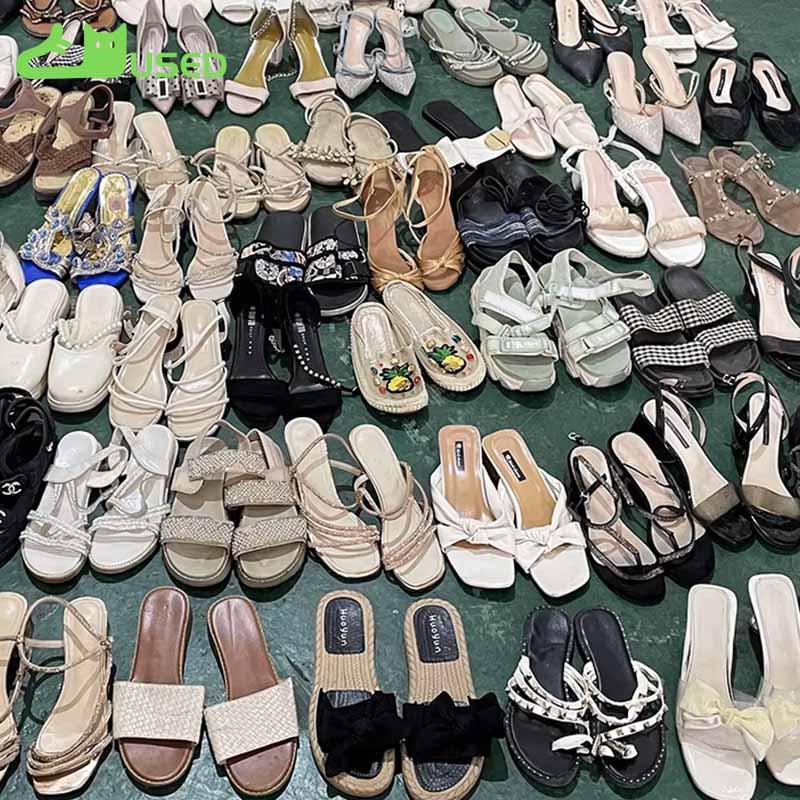
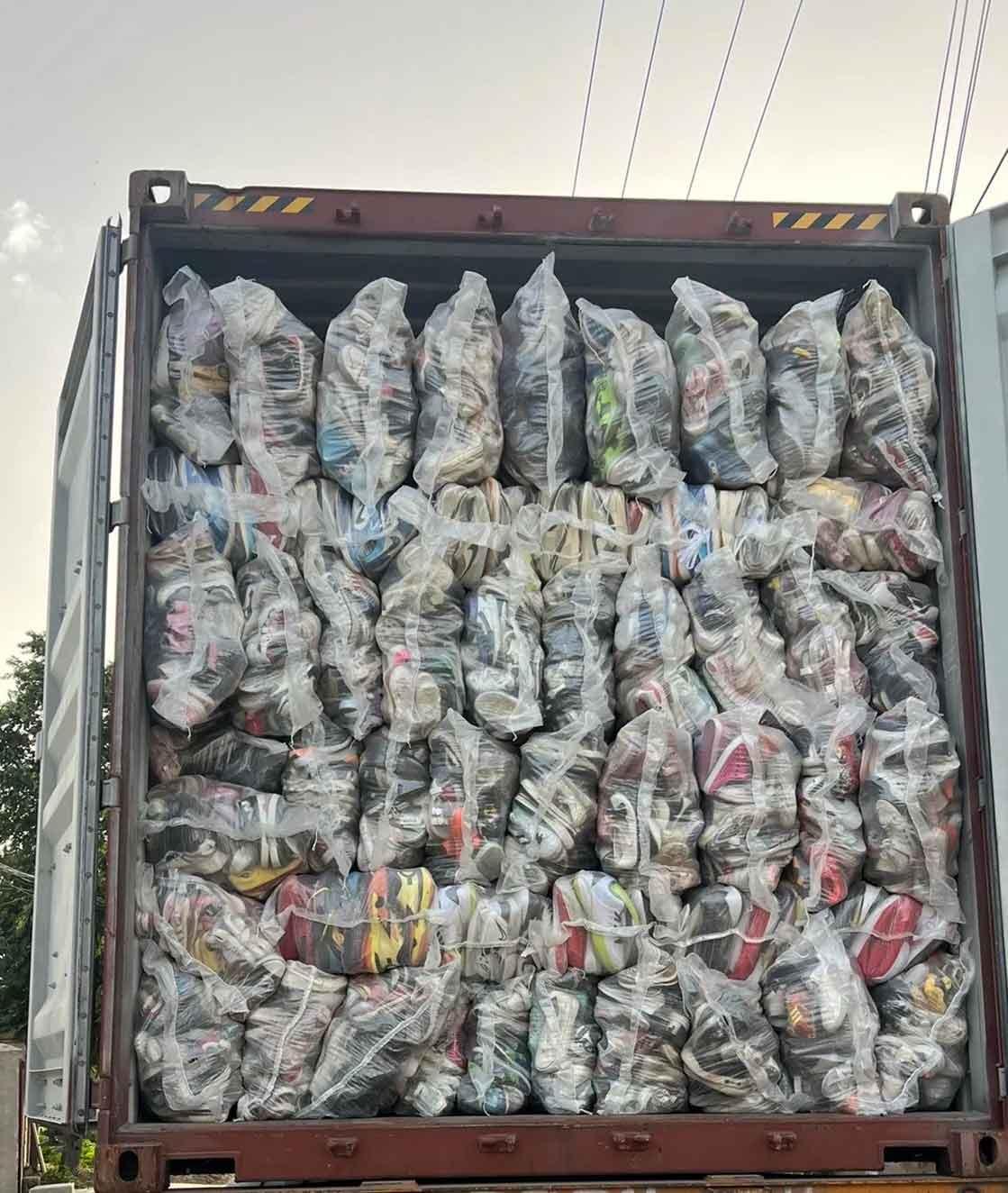
Specify category and size separation, package marks, pair containment, compression limits, moisture protection appropriate to the route, weight basis and exception photos. Reconcile packing records to accepted sample categories before shipment.
At receiving, repeat the same upper, junction, sole, interior and mate checks on selected packages. Record substitution, damage, wetness, shortage and service variance by package. Change one sample size, component tolerance, service ceiling or packing rule from the result.
form size and accepted route
package identity and count basis
approved route-specific method
same fields at receiving
No. Record it visually and keep supported claims separate.
No. Use the approved low-force method and stop when movement appears.
Show selection, denominator, route counts and uncertainty.
No. Require category and package records plus receiving checks.
Use package-linked substitutions, component failures and service burden.
A bulk used Dr Martens order should pass a component and evidence gate before price approval. The used men's shoes wholesale category provides the men's footwear context; defined scope, current samples, upper and sole records, conservative yield, controlled packing and receiving replay govern the buy. Use the page inquiry form to request current stock evidence, sample fields, grade boundaries and packing controls.

Direct Factory Supplier of Used Shoes For African Markets In China
 Tel: +8618606960861
 Email: info@usedshoeswholesale.com
 MP/WhatsApp: +8618606960861
 Manufacturer Address:Cizao Town, Jinjiang City, Quanzhou City, Fujian Province