Author:Used Wholesale Manufacturer TIME:2026-08-13
Second hand Jordans mismatch rate measurement
Mismatch rate in second hand Jordans lots should be measured from a clear receiving denominator and a controlled case register. A mismatch is not limited to a missing left or right shoe. Buyers may need separate codes for marked-size conflicts, form or model inconsistency, material color variance, condition imbalance and unsupported claim differences. These categories have different repair, disclosure, pairing and claim consequences. The measurement should keep original package identity, avoid speculative rematching, and distinguish physical pair mismatch from claim-evidence uncertainty. Package-level results can then support landed-cost reconciliation, supplier discussion and a more precise next sample rule.
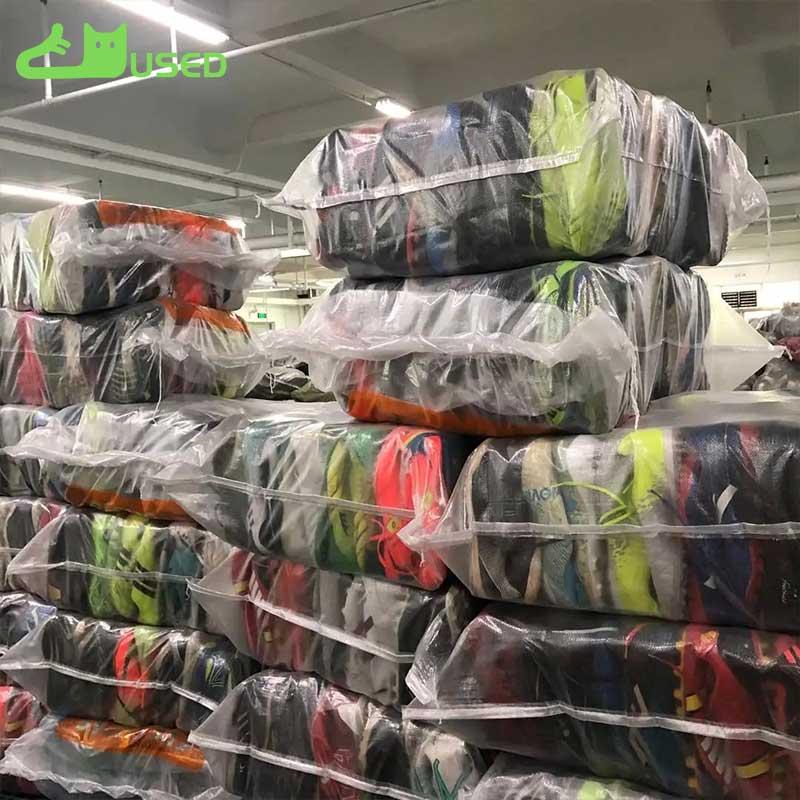
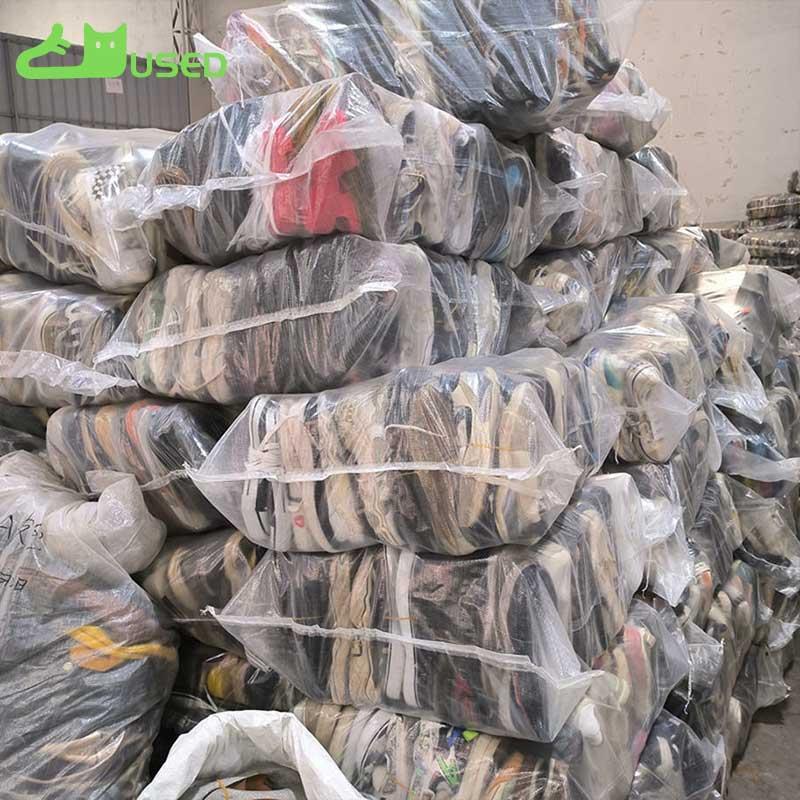
Record package marks, count and weight basis, closure, damage, wetness and stock position. Photograph contents as opened and assign temporary item codes before workers redistribute shoes across tables or packages.
Keep singles, apparent pairs and loose items linked to their source package. If safety or contamination concerns require isolation, preserve the identifier. Early uncontrolled rematching destroys evidence of how the lot was packed and where mismatch clustered.
mark position and arrival state
temporary code before movement
package link retained
identity preserved through isolation
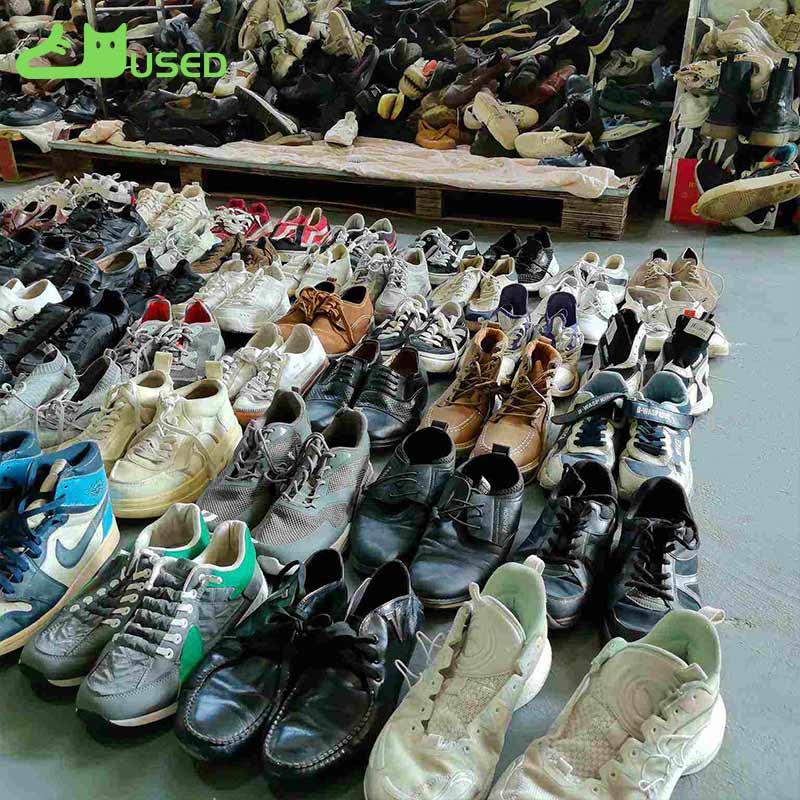
Group left and right shoes using observable form, marked size, color, material appearance, construction cues and condition. Record every candidate and unresolved single. Use both shoes' identifiers; do not discard duplicate sides or unreadable marks.
A visually similar pair may still contain size, construction or condition conflicts. Product identity and authenticity claims require their own supporting evidence. Pairing is a physical inventory decision, not an identity certification.
left right or uncertain
size and other text as present
observable physical configuration
separate evidence status
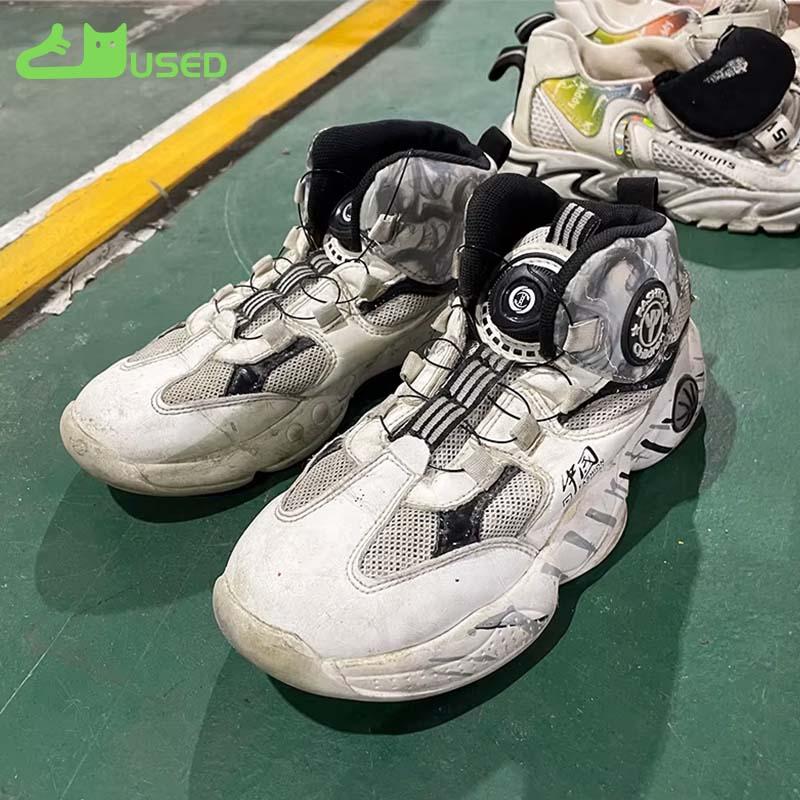
Use mutually clear primary codes: missing mate, duplicate side, marked-size conflict, form or model conflict, color or material variance, condition imbalance, and claim-evidence conflict. Add a secondary note for the controlling field and photographs of both shoes.
Do not force one blended mismatch percentage to explain every consequence. A missing mate affects complete-pair yield, while condition imbalance may support a restricted pair and claim conflict may require evidence hold. Preserve each route.
missing or duplicate side
mark or configuration conflict
presentation and wear variance
unsupported or conflicting claim record
The register distinguishes physical pairing failures from condition and evidence conflicts.
| Case code | Required evidence | Possible resolution | Rate treatment |
|---|---|---|---|
| Missing mate or duplicate side | Both item codes and source package | Cross-package rematch recovery decline | Not confirmed until closed |
| Marked-size or form conflict | Marks profile and construction views | Correct rematch restricted or decline | Separate primary code |
| Color or condition variance | Mate comparison under same light | Service disclosure or decline | Route visible |
| Claim-evidence conflict | Separate supplied records | Evidence hold or limited wording | Not physical identity proof |
| Closed rematch | Original and new pair trail | Released route | Packing failure still counted |
The rate is credible only when every candidate, case, rematch and denominator choice can be reconstructed.
Report total loose shoes, apparent pair candidates, confirmed complete matched pairs, unresolved singles and each mismatch case. Define whether the headline mismatch rate uses pair candidates, expected pairs from the packing list or another reviewed basis, and show the alternative counts.
For package comparisons, use the same denominator and field order. If sampling rather than full count is used, record package selection, item count and uncertainty. Never report an estimated rate as an exact full-lot result.
all physical items counted
attempted pair groupings
complete matched physical pairs
named denominator and scope
A rematch should record original item codes, source packages, reason and reviewer. Condition-imbalanced pairs may need service and recheck or restricted disclosure. Claim conflicts remain in a separate evidence hold. Unresolved singles and non-economic cases follow the approved recovery or decline route.
Do not move a case to confirmed merely to improve the rate. Preserve before-and-after pairing records. Any cross-package rematch should remain visible because it affects packing-quality feedback even if it creates a saleable pair.
original candidate passed
new pair with source trail
specific condition variance disclosed
open evidence or no approved route
Recalculate released yield after confirmed, rematched, restricted, held and declined routes close. Add pairing labor, service, documentation and failed stock burden. Link shortages, substitutions and concentrated mismatch to package evidence within the reviewed claim window.
Keep claim entitlement and outcome subject to the contract and professional advice. The operational record should be factual: counts, codes, images, package marks, timing and resolution. Do not inflate the case with unsupported loss or performance claims.
released complete pairs by route
sorting rematch service and failure
package-linked factual record
reviewed contract route
Compare mismatch rates by package, category, marked size and primary code. Identify whether failures cluster around loose packing, weak pair containment, category mixing, unreadable marks or another observed factor without claiming causation beyond evidence.
Change one pair-containment rule, package separation, random sample size, size-mark close-up, accepted variance or price allowance. At the next receiving, repeat the same register to determine whether the change reduced the targeted code.
package category size and code
observed factor to test
one packing or sample control
same rate and code method
No. Track size, form, color, condition and claim-evidence conflicts separately.
No. Preserve the original case and source packages.
State the chosen pair-candidate or reviewed basis and show physical counts.
No. Keep identity support in a separate evidence file.
Revise one pair-containment, separation, sample or tolerance control and repeat the method.
Mismatch rate in second hand Jordans lots is useful only when the denominator and case routes are explicit. The used brand shoes wholesale category provides the brand-footwear context; frozen arrival identity, pair candidates, distinct codes, visible rematching, route-specific cost and package feedback govern the measurement. Use the page inquiry form to request pair-containment rules, package marks, sample fields and accepted variance.

Direct Factory Supplier of Used Shoes For African Markets In China
 Tel: +8618606960861
 Email: info@usedshoeswholesale.com
 MP/WhatsApp: +8618606960861
 Manufacturer Address:Cizao Town, Jinjiang City, Quanzhou City, Fujian Province