Author:Used Wholesale Manufacturer TIME:2026-08-13
Clearance golf shoe street-market screening
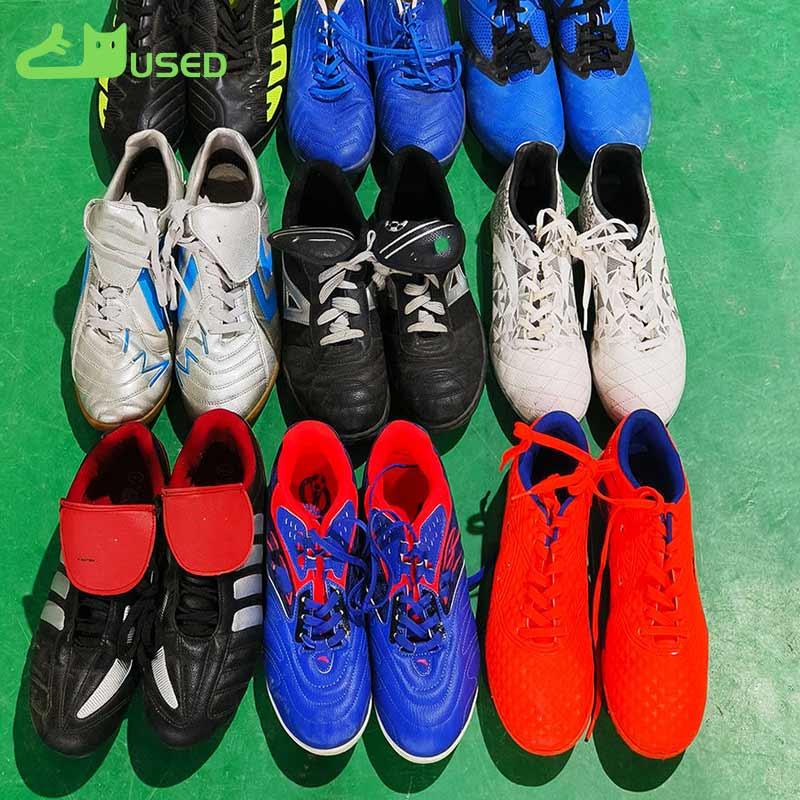
Clearance golf shoes can enter a street-market trial only when the buyer separates visible specialist features from supported performance claims. Sole protrusions, removable components, unusual tread, upper materials and closure systems may affect handling, display and customer questions. Their presence does not prove traction, course suitability, safety or remaining life. A quick-turn plan needs a named market, a small exposure cap, exact pair inspection, parts and service accounting, clear disclosure, and a stock-age exit. Clearance price alone does not create resale value; released yield and actual outlet outcomes must support the purchase.
Record location, display format, current athletic footwear stock, price lanes, handling conditions, completed outcomes, markdowns, questions and returns where available. State the maximum pairs, money and display space allowed for a golf-shoe trial.
Do not turn event interest, search suggestions or supplier claims into a turnover forecast. Use them only to identify questions. The first allocation should be small enough that a weak result can exit without blocking core stock.
named market and format
pairs money and space
dated local outcomes
capped initial exposure
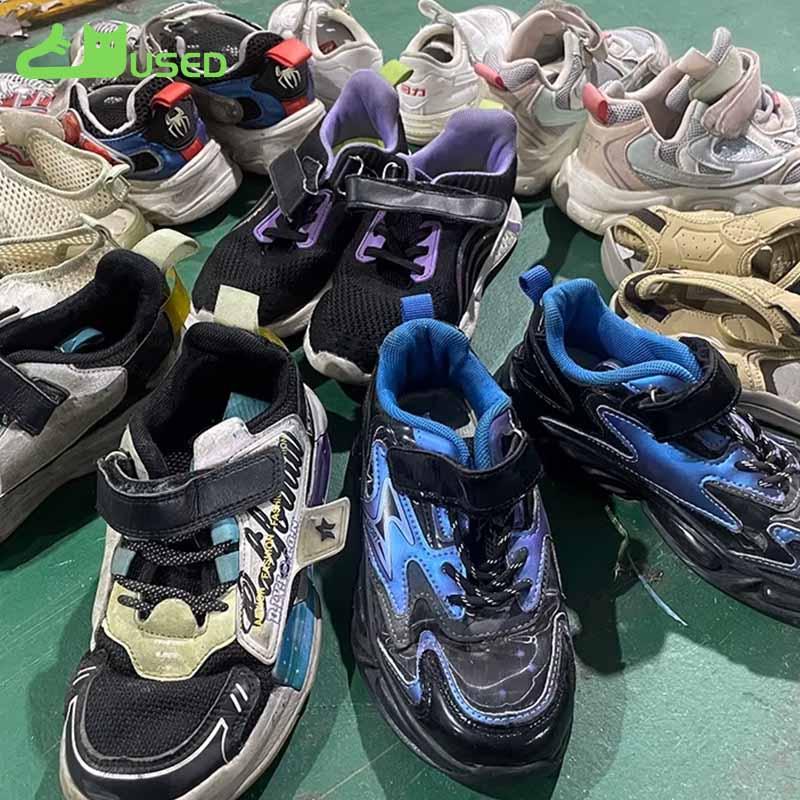
Record both shoes, marked size, upper wear, seams, shape, closure parts, lining, insole, outsole surface, protrusions or removable components as present, missing parts, corrosion, cuts and repair. Compare mates under the same light.
Do not claim grip, course compliance, waterproofing, safety or future performance from appearance. Unknown, sharp, loose or severely worn components require an approved hold, specialist review or decline route.
shape seams and marks
parts and gentle operation
wear components and damage
mate size and condition
Record supplied identity or product evidence separately from condition. Define which visible features may be described factually and which performance or brand wording remains unsupported. Preserve repairs and missing components in the disclosure file.
A customer may choose the pair for fashion or casual use, but the seller should not prescribe a use that the evidence does not support. The outlet route must communicate observable condition without inventing technical certainty.
observable components and wear
separate supporting record
no unsupported recommendation
repairs missing parts and limits
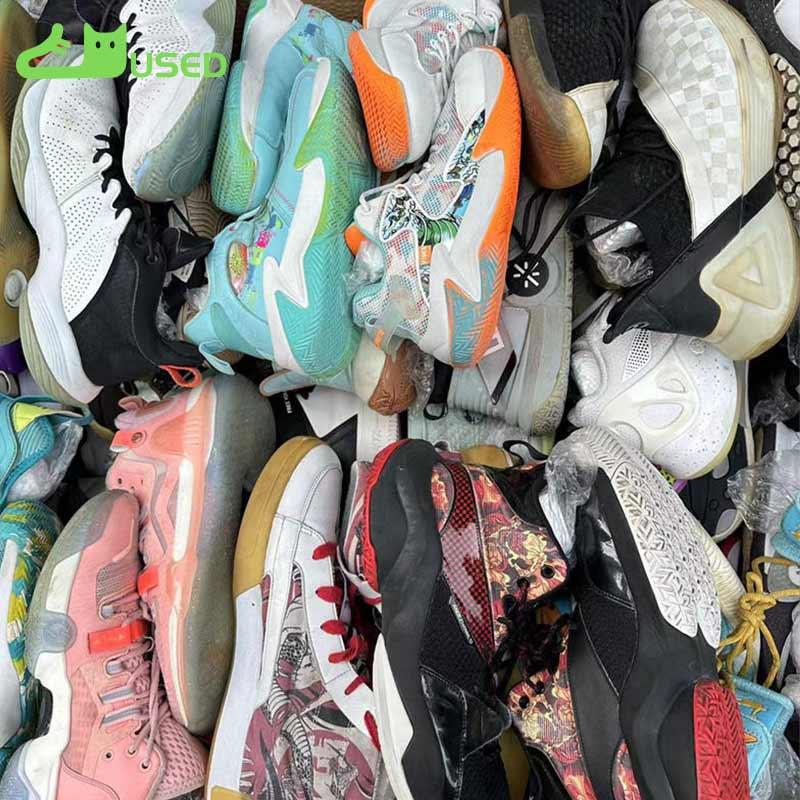
The board limits exposure while preserving component, cost and exit evidence.
| Trial control | Required record | Decision | Boundary |
|---|---|---|---|
| Outlet | Named market capacity and price lane | Set exposure | No broad turnover claim |
| Components | Upper closure sole parts and mates | Ready service hold decline | No performance inference |
| Burden | Landed work parts and explanation | Price lane | No packed-count economics |
| Age | Review date handling and outcome | Keep change transfer stop | No indefinite display |
| Feedback | Yield margin return and cause | Expand redesign reject | No expansion from one sale |
A clearance trial succeeds when the buyer can explain both the physical pair and the reason stock exits on time.
Add released landed cost, inspection, cleaning, drying, parts, specialist service, recheck, display setup and explanation burden. Keep service-pending, held and declined pairs outside ordinary available stock.
Set ready, serviced, restricted and decline lanes with a cost ceiling. A low supplier price can still be poor value when parts are unavailable, work is slow or the outlet cannot explain the condition efficiently. Use completed local outcomes, not asking prices alone.
cost over released yield
minutes materials and parts
ready serviced restricted decline
condition-matched outlet evidence
Assign a first review date and a final exit to each cohort. At review, record questions, trials, completed sales, stock age, markdown and condition changes from handling. Protect pair containment throughout the display period.
Change one variable at a time where practical: price, placement, disclosure or channel. Do not leave specialist stock indefinitely because its supplier price was low. Transfer or stop when the defined exposure ceiling is reached.
date and evidence trigger
pair and condition control
one price placement or channel action
transfer recovery or stop

Compare released yield, direct work, days held, markdown, customer questions, returns and contribution by condition lane. Separate feature confusion, missing parts, fit, condition, price and unsupported expectation causes.
Change one sample close-up, component exclusion, service ceiling, exposure cap or buying price. A single fast sale should not justify a large specialized order; repeatable cohort evidence should support expansion.
released route counts
age sale markdown return
controlled issue code
accept redesign or stop
No. Record them physically and avoid unsupported performance claims.
Specialist stock can consume display, explanation and parts capacity.
No. Use released yield, direct work and outlet outcomes.
Set review and final exit rules before display.
Repeatable condition-matched outcomes, manageable burden and low return friction.
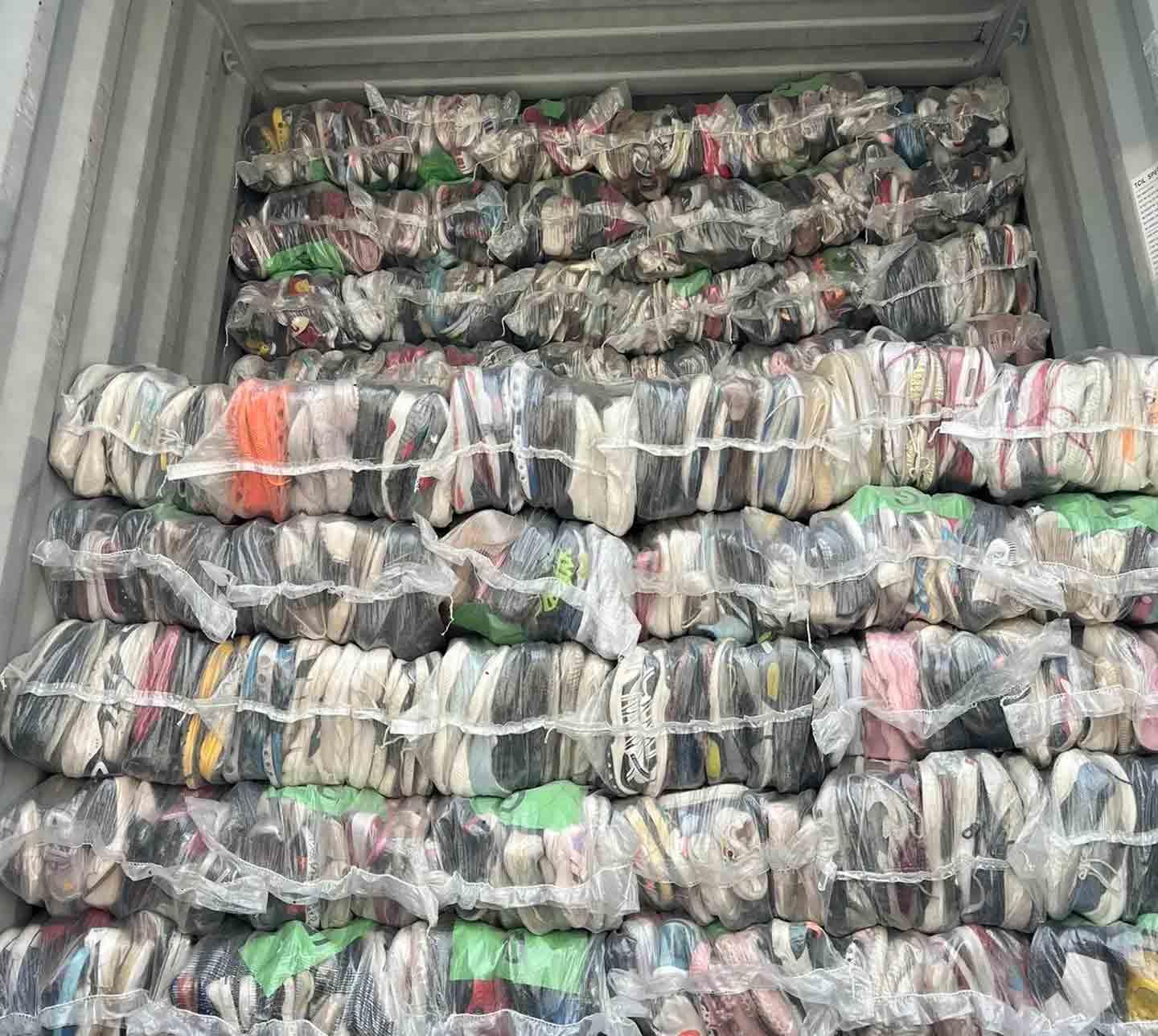
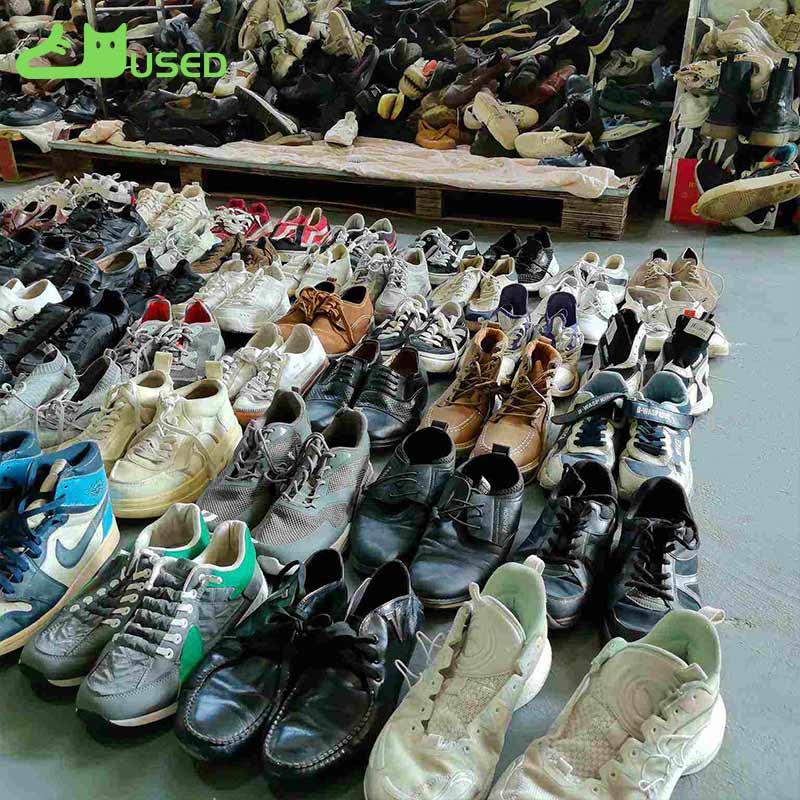
Clearance golf shoes should enter street markets through a capped evidence-based trial, not a turnover promise. The used sneakers wholesale category provides the sneaker context; outlet capacity, component inspection, claim limits, route burden, stock-age exits and trial feedback govern the buy. Use the page inquiry form to request exact pair views, sole-component records, size counts and packing details.

Direct Factory Supplier of Used Shoes For African Markets In China
 Tel: +8618606960861
 Email: info@usedshoeswholesale.com
 MP/WhatsApp: +8618606960861
 Manufacturer Address:Cizao Town, Jinjiang City, Quanzhou City, Fujian Province