Author:Used Wholesale Manufacturer TIME:2026-08-13
Wholesale shoes for resale first-container portfolio
A first container of wholesale shoes for resale should be treated as a portfolio of testable cohorts, not a large version of one attractive sample. The buyer has limited evidence about local size curves, condition tolerance, preparation capacity, stock age and supplier variance. A defensible plan begins with named outlets, countable category and size rules, a released-yield cost model, bounded capital exposure and fallback routes. Supplier sampling, packing and receiving must use the same cohort language. No generic country or continent ratio can replace dated local records, and a theoretical container capacity is not an accepted-pair forecast.
List each store, stall, online route or transfer partner with location, display capacity, current category and size stock, price lanes, completed outcomes, stock age, markdowns, questions and returns where legitimately available. Keep unlike channels separate.
Convert records into buying questions instead of volume claims. Identify which cohorts need a small test, which appear overstocked and which lack enough evidence for a first container. Search suggestions can help name questions but cannot set quantities.
named channel and location
display work and storage
dated outcome and age
bounded assortment uncertainty
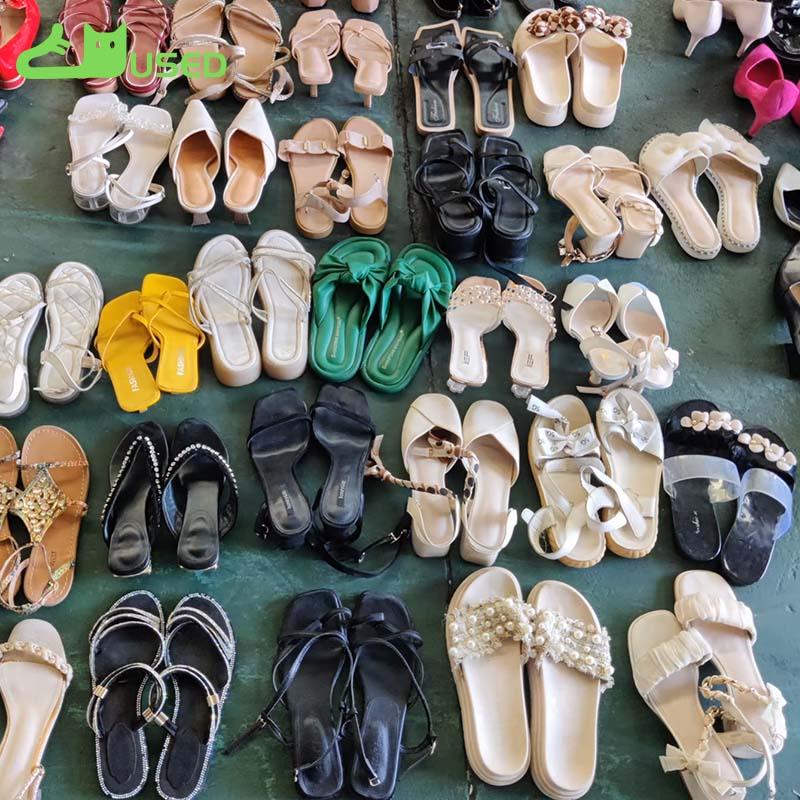
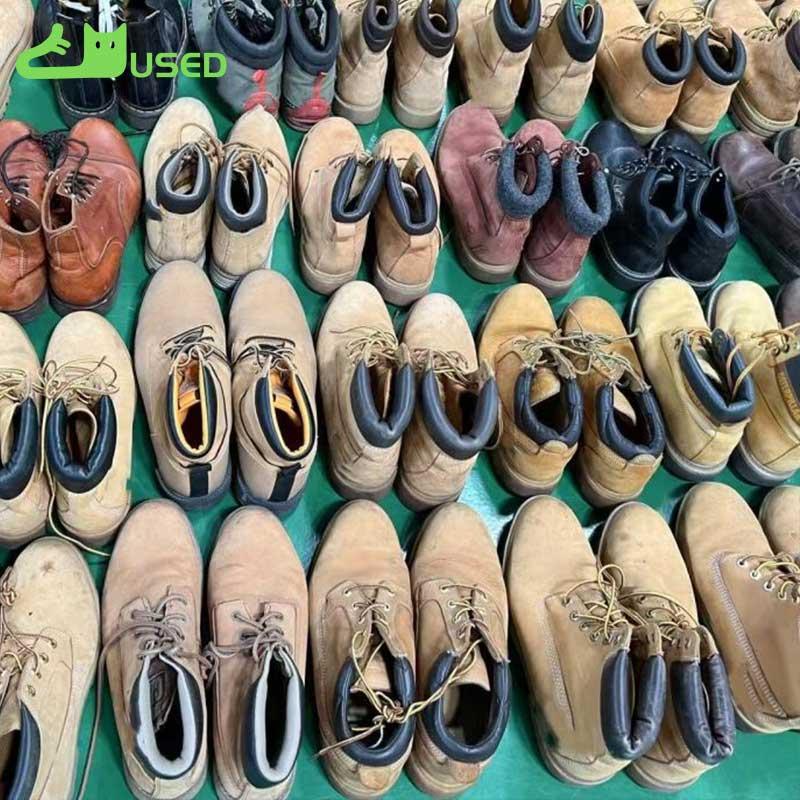
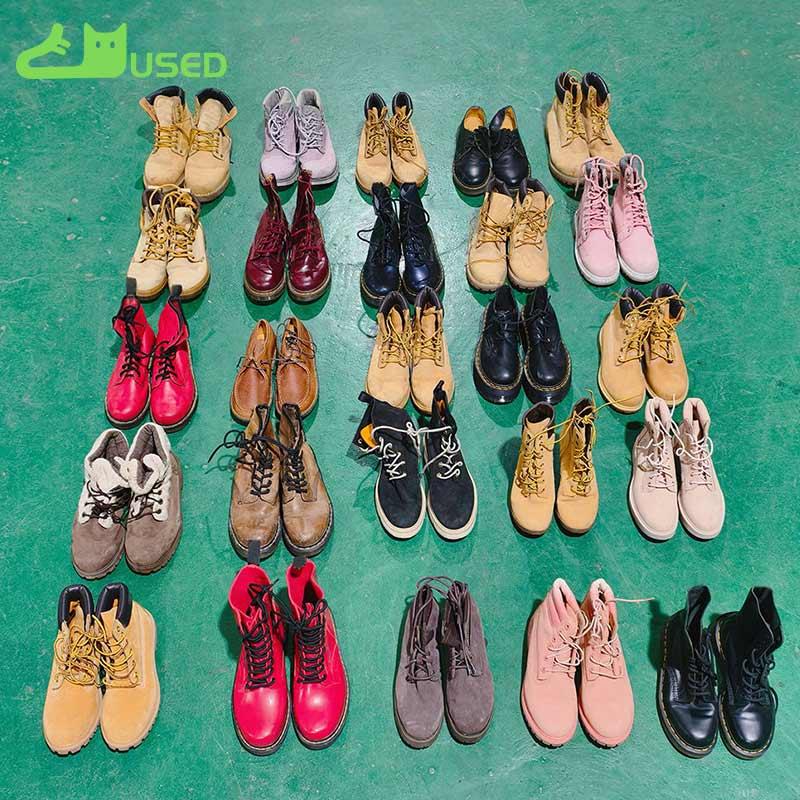
Define men's, women's, children's, mixed, brand-related, sneaker, slipper or other approved families as needed, then add marked-size band, observable condition, completed service and evidence status. Include outside-scope, singles and unknowns.
Avoid overlapping labels that allow stock to move between categories after sampling. Product identity claims remain separate from physical cohort. The same dictionary should appear in supplier reports, package marks, receiving and outlet records.
buyer-defined physical group
marked band and system
ready work restrict hold decline
explicit outside-scope lane
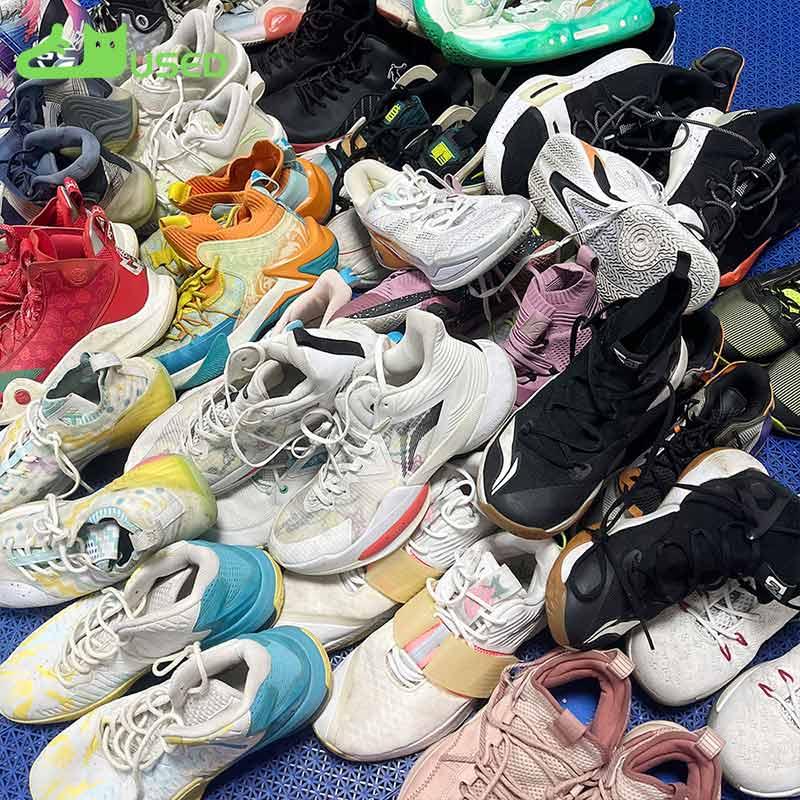
Estimate goods, freight, destination, receiving, inspection, cleaning, service, evidence review, photography, listing and transfer burden by cohort. Use accepted complete pairs as the normal resale denominator and show base and downside yield.
Set maximum money, pairs, workbench time and storage for each cohort. Preserve holds and declines in the downside. A higher potential price does not justify unlimited exposure when evidence, size curve or preparation capacity is weak.
goods route and destination
accepted complete pairs
direct minutes materials and service
money pairs storage and time
The board connects local evidence, capital caps and package-verifiable ratios.
| Load decision | Evidence input | Portfolio action | Guardrail |
|---|---|---|---|
| Outlet map | Stock age outcomes capacity and questions | Select test cohorts | No universal market ratio |
| Cohort dictionary | Family size condition and evidence | Countable denominator | No overlapping labels |
| Capital/yield | Released cost work and downside | Set caps | No packed-count margin |
| Supplier/packing | Controlled sample marks dimensions and weight | Accept sort narrow or decline | No showcase sample |
| Receiving/outlet | Actual mix burden age and returns | One next-load change | No unchanged automatic repeat |
A first container is successful when it produces a trustworthy second-order rule, not merely a full warehouse.
Use random or stratified package and stock-position selection. Count the same families, size bands and routes, including singles, substitutions and outside-scope goods. Record sample denominator and package identity.
Compare observed ranges with target minimums, caps and accepted variance. If evidence is weak, expand sampling, require sorting, reprice, narrow or decline. Do not let the supplier select only attractive examples after seeing the result.
package position and owner
same cohort dictionary
target range versus observed
expand sort reprice narrow decline
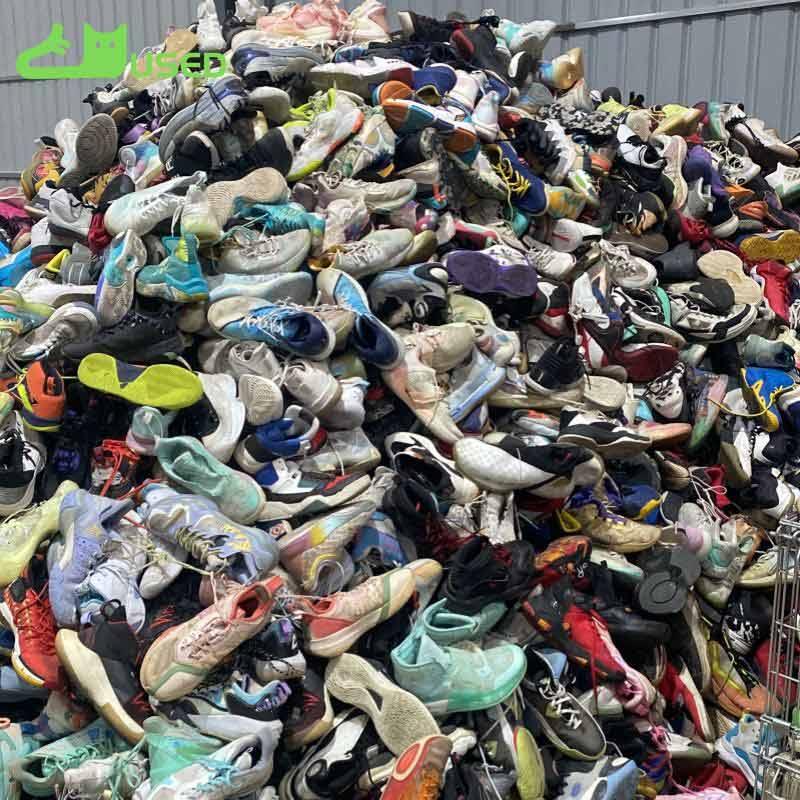
Specify category and size separation, pair containment, package marks, count basis, dimensions, gross and defined goods weight, compression method, protection and approved substitutions. Reconcile package totals with the accepted portfolio.
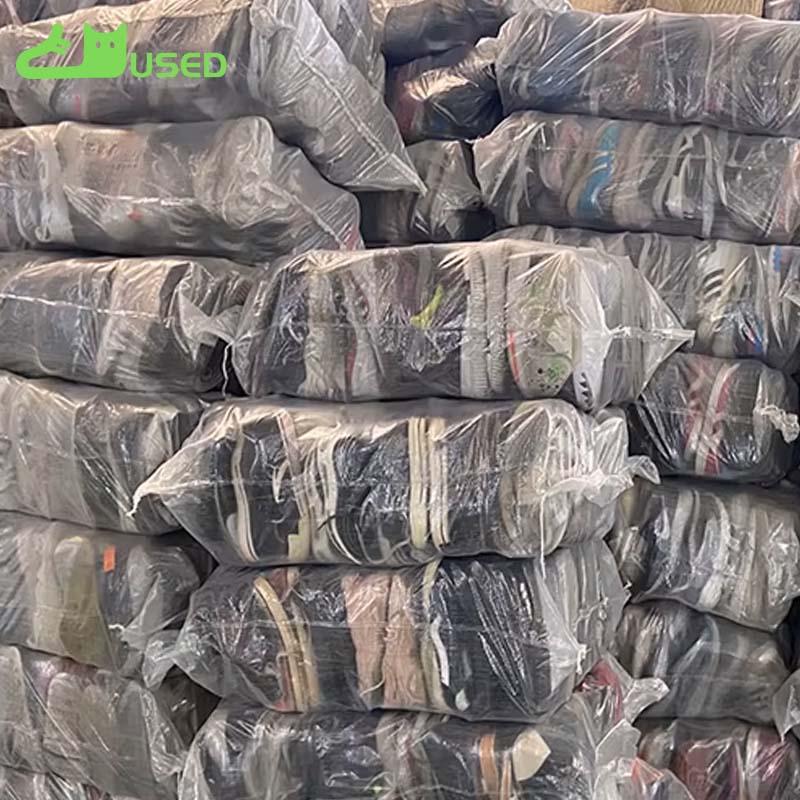
Model capacity from measured packages and current route constraints, not a generic bale claim. A container average can hide concentrated weak packages, so receiving samples should cover positions and cohort groups.
family size and release route
unique package identity
measured volume and weight
accepted portfolio reconciliation
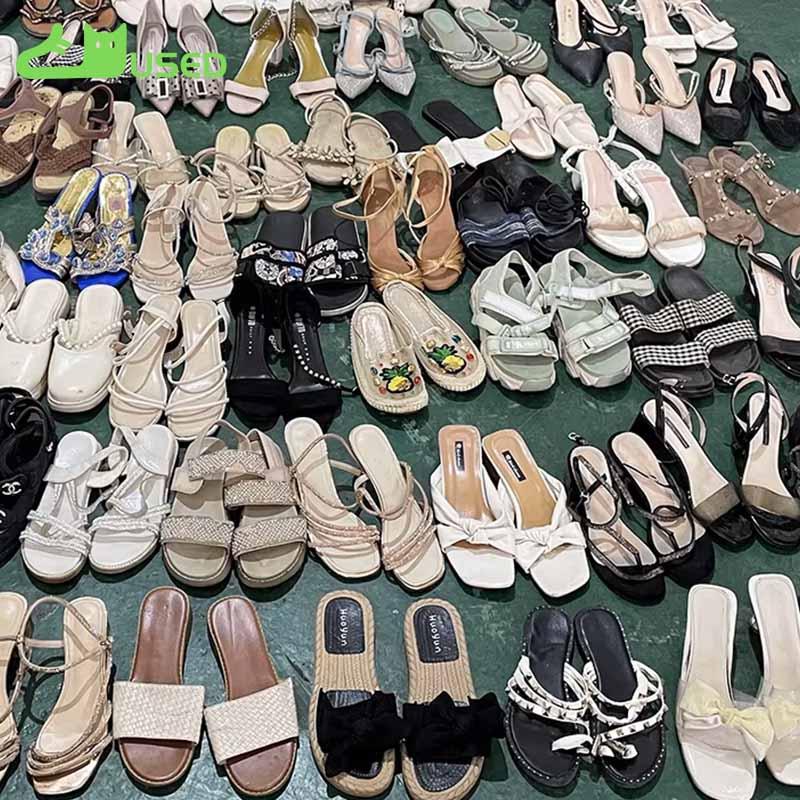
At arrival, record package state, counts, weights, wetness, damage, substitutions and selected pair fields before preparation. Recalculate actual released yield, work burden and cohort mix. Link variance to package marks.
After the first sales cycle, add stock age, markdown, returns and contribution by cohort and outlet. Change one category cap, size band, condition tolerance, service ceiling, packing rule or buying price for the next container.
package and physical variance
released mix and burden
age markdown return contribution
one next-load control
No. Use named outlet evidence, capacity and a bounded portfolio.
Use accepted complete pairs and show holds and declines.
No. Use measured package dimensions, weights and defined count basis.
Apply written expansion, sorting, repricing, narrowing or decline routes.
A package-linked record that improves one next-container control.
A first container of wholesale shoes for resale should be a bounded learning portfolio. The used mixed shoes wholesale category provides the mixed-footwear context; named outlets, countable cohorts, released-yield caps, controlled sampling, package records and actual outcomes govern the load. Use the page inquiry form to request current mix counts, size bands, grade fields and packing specifications.

Direct Factory Supplier of Used Shoes For African Markets In China
 Tel: +8618606960861
 Email: info@usedshoeswholesale.com
 MP/WhatsApp: +8618606960861
 Manufacturer Address:Cizao Town, Jinjiang City, Quanzhou City, Fujian Province