Author:Used Wholesale Manufacturer TIME:2026-08-13
Second hand sneaker youth budget and premium sorting
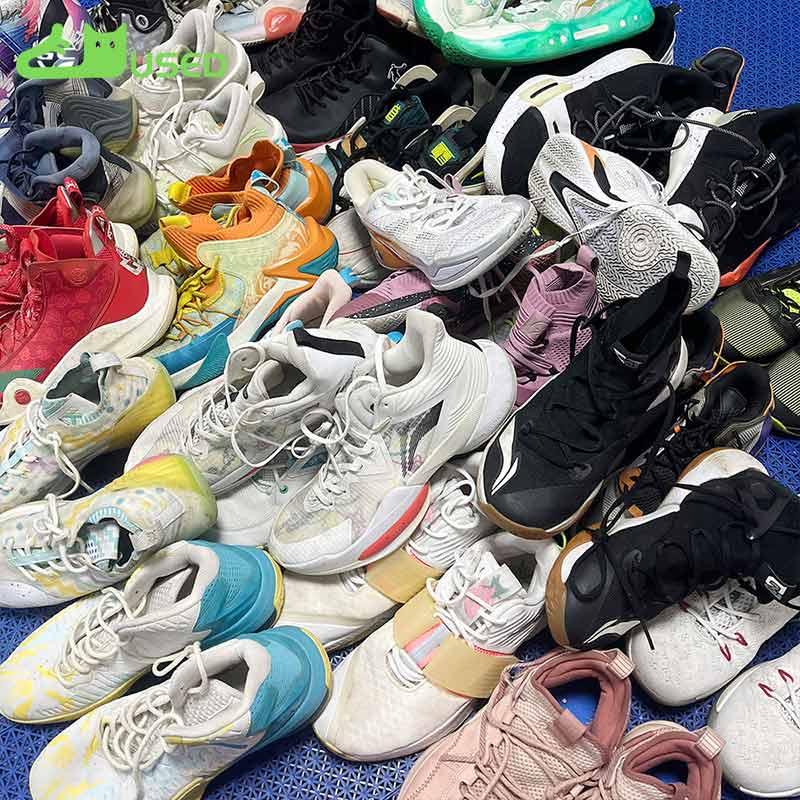
Sorting second hand sneakers wholesale into youth budget and premium pairs should not begin with brand visibility or asking price. The buyer needs exact pairing, marked-size and measurement records, observable condition, service burden, supported product evidence and a defined outlet. Budget does not mean hidden defects, and premium does not mean authentic, safe or high performing. The route should explain why a released pair enters a price lane, how long it may remain there, and what happens when condition, evidence or customer outcomes differ from the original assumption. Youth-related stock also requires careful fit language rather than age-based promises.
Assign pair and item codes, source package, marked-size system, form, color and mate relation. Record measurements under a defined method where agreed and keep unreadable or conflicting marks visible.
A marked size cannot guarantee fit or age suitability. Do not rematch across packages without preserving the original trail. Singles and mismatches remain separate from released-pair economics.
both item codes and source
mark system and uncertainty
defined method and units
visible case route
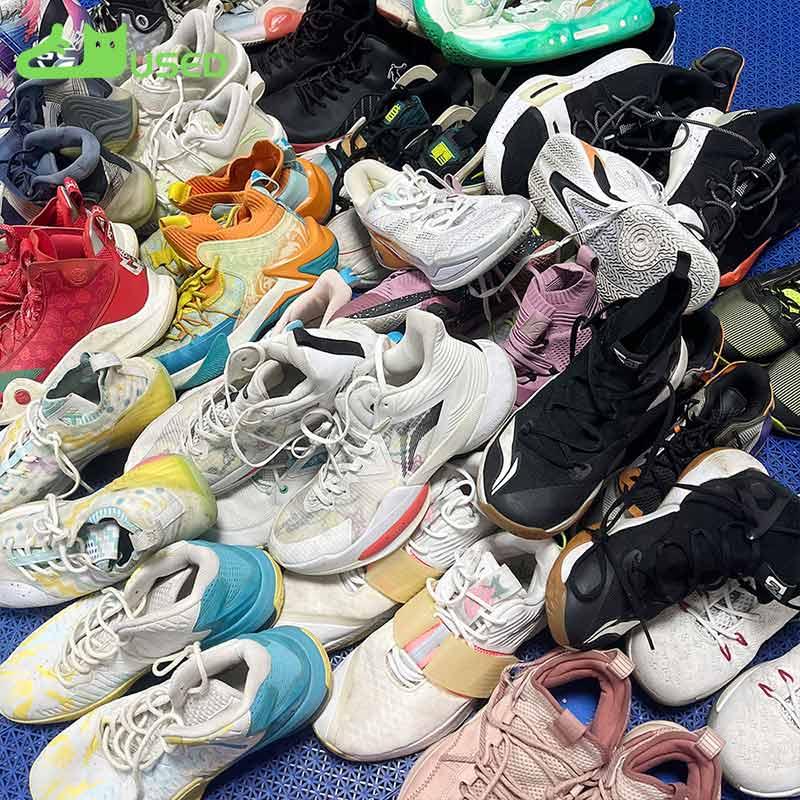
Inspect upper shape, tears, seams, stains, sole wear, edge movement, closure parts, collar, lining, insole, residue and prior repair. Use ready, service, restricted, hold and decline for each controlling field.
A budget lane still requires truthful condition and approved release. A visually clean pair cannot enter premium when sole, interior, pairing or evidence remains unresolved. Keep before-and-after records for service.
shape surface and seams
wear edge and repair
collar lining insole residue
ready work restrict hold decline
Record seller description, labels, supplied records and current stock relation under supported, limited, unresolved or rejected evidence status. Define the wording allowed in each outlet.
Recognizable styling, logos or boxes do not prove authenticity. Premium price cannot be used as evidence. Keep unsupported claim stock held or use accurate limited wording where the outlet and review permit.
seller and supplied record
supported limited open rejected
allowed outlet description
price is not evidence
The wall exposes the physical, evidence and economic rule behind every price lane.
| Sorting layer | Required evidence | Lane effect | Guardrail |
|---|---|---|---|
| Pair/size | Mates marks measurements and source | Eligible cohort | No fit guarantee |
| Condition | Upper sole interior repair and route | Ready service restrict hold decline | No hidden budget defect |
| Product evidence | Supported limited unresolved rejected | Allowed wording | Price is not authenticity proof |
| Economics | Released cost work and outlet outcome | Budget standard premium restricted | No packed-count margin |
| Aging/returns | Days markdown questions and cause | One lane revision | No indefinite premium stock |
A price lane is defensible when its pair, evidence, cost and exit can all be explained without marketing shortcuts.
Calculate released landed cost, inspection, cleaning, service, evidence review, photography, listing, packaging and return handling by pair or cohort. Define budget, standard, premium-supported and restricted lanes with entry and exit rules.
Budget can reflect simpler presentation or lower released cost but cannot conceal material defects. Premium needs stronger condition, evidence and low open-work burden, not a brand-looking surface. Use condition-matched completed outcomes where available.
released transparent lower-burden route
ordinary condition and evidence
stronger closed fields and support
specific disclosed limitation
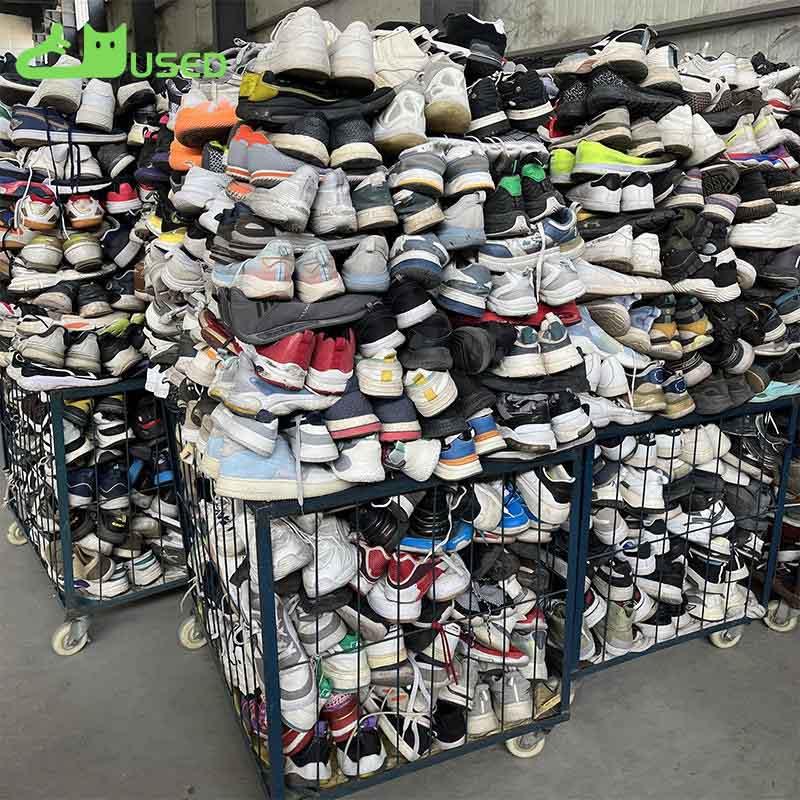
Limit pairs and capital by marked-size band, condition and lane. Assign first review, markdown, transfer and final stop dates. Keep one inventory truth across online and physical outlets.
A premium lane that ages or requires repeated explanation may be weaker than a budget cohort with clean turnover. Change price, presentation or channel one variable at a time where practical and preserve the pair-level record.
pairs and capital cap
date and evidence trigger
price presentation or channel
transfer recovery or stop
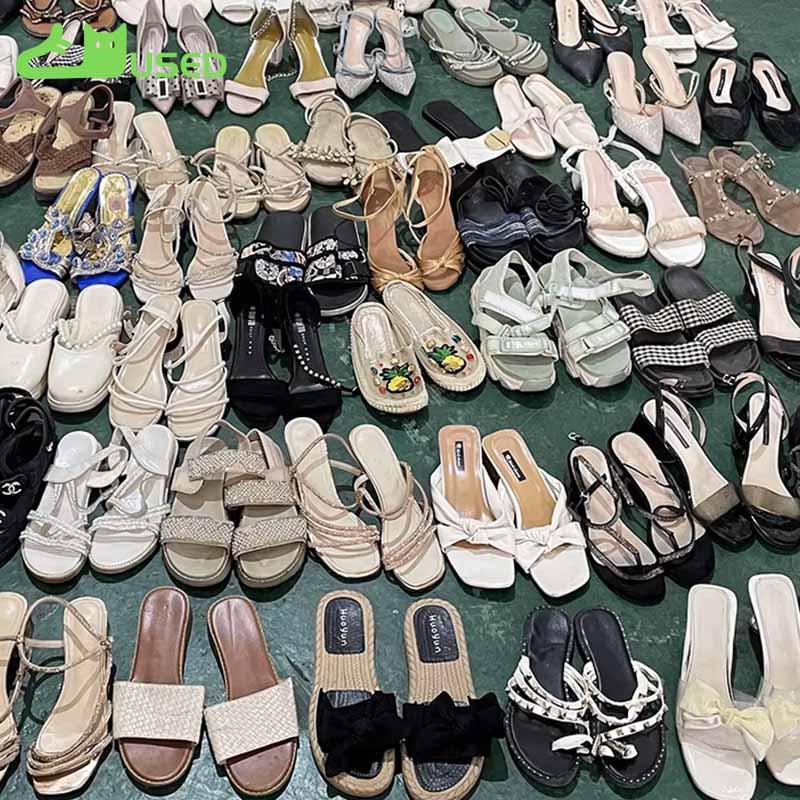
Record completed outcomes, days held, markdown, questions and returns by size, condition, evidence and price lane. Separate fit expectation, measurement, condition, claim, service, fulfillment and price causes.
Change one size-band cap, condition threshold, evidence requirement, service ceiling, price boundary or age trigger. Do not promote a whole category because one exceptional pair sold high.
completed route and days held
measurement condition evidence or price
contribution after lane burden
one sorting threshold
No. Every released pair needs accurate condition disclosure.
No. Product evidence is separate from price and physical grade.
No. State markings, measurement method and uncertainty.
Use released complete pairs and preserve holds and declines.
Use stock age, direct burden, returns, contribution and controlled cause codes.
Second hand sneaker budget and premium lanes should follow released condition and supported evidence, not appearance alone. The used sneakers wholesale category provides the sneaker context; pair and size identity, physical routes, evidence status, direct burden, stock-age exits and return feedback govern sorting. Use the page inquiry form to request current pair counts, size records, grade fields and packing separation.

Direct Factory Supplier of Used Shoes For African Markets In China
 Tel: +8618606960861
 Email: info@usedshoeswholesale.com
 MP/WhatsApp: +8618606960861
 Manufacturer Address:Cizao Town, Jinjiang City, Quanzhou City, Fujian Province