Author:Used Wholesale Manufacturer TIME:2026-08-13
Basketball shoe court-wear zone file
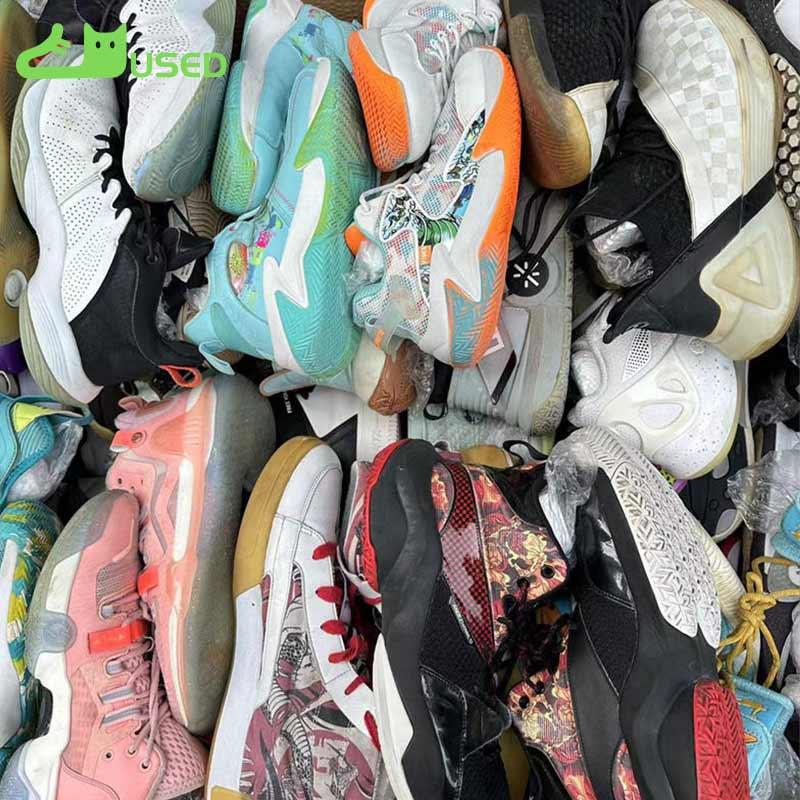
A used basketball shoe can look presentable from above while carrying heavy outsole smoothing, collar damage, heel asymmetry or internal wear. Buyers need a zone record that examines the exact pair without claiming traction, cushioning, ankle support, safety or remaining life. Youth demand is also not a universal ratio; it must come from dated size and price records for a named shop, school-market route or resale channel. The purchasing decision combines a representative physical sample, a capped marked-size cohort and a preparation plan that can be repeated when packages arrive.
Use a documented random or stratified selection across package positions, marked sizes, visible model groups and supplier grades. Record the denominator, package mark and selection owner. Do not replace weak pairs after results appear.
Capture both shoes from outsole, side, rear, top and interior views before cleaning. Record marked size system, mate consistency, visible repair and exact relation to the offered stock. Present findings as a range, not a shipment guarantee.
package position and denominator
mates marks and views
exact stock or representative sample
range not guarantee
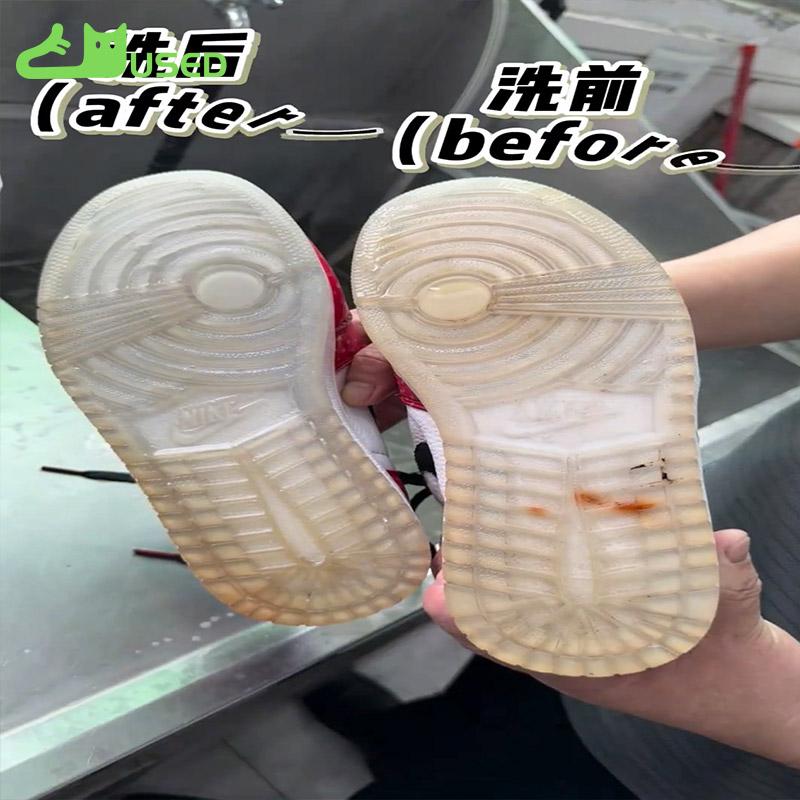
Divide the outsole into heel, edges, forefoot, pivot area and upper junction. Record visible pattern loss, smooth areas, asymmetry, cuts, exposed layers, separation, embedded objects and patches for each mate.
Use written visual stop rules for severe smoothing, major mate variance, exposed structure or separation. Do not convert tread appearance into traction or court-suitability language, and avoid stress tests that could worsen damage.
wear and asymmetry
pattern loss cut and exposure
gap separation and repair
no traction claim
The sheet converts observable wear into conservative routes while keeping performance claims outside the inspection.
| Zone | Record | Route question | Unsupported conclusion |
|---|---|---|---|
| Sample | Package pair size and stock relation | Representative enough? | Sample guarantees shipment |
| Outsole | Pattern loss smooth area cut exposure separation | Within visual limit? | Traction or court safety |
| Upper frame | Collar counter geometry closure and seams | Release hold or decline? | Cushioning or ankle support |
| Size cohort | Marked system channel evidence and cap | Fits named outlet? | Universal youth demand |
| Receiving | Same zones plus package damage | Variance accepted? | Cleaning resolves structure |
A pair enters resale only after the physical, cohort and preparation questions are all answered.
Record collar wear, padding displacement visible from inspection, lining breaks, heel-counter collapse, standing tilt, tongue, eyelets, laces or straps, upper seams and toe damage. Compare mates on a level surface.
Appearance cannot prove cushioning response or ankle support. Unusual movement, structural uncertainty or severe mismatch goes to specialist hold or decline. Keep cosmetic marks distinct from defects that affect presentation or the written physical route.
wear lining and shape
collapse and standing geometry
eyelet lace strap and tongue
movement or structural uncertainty
Count marked sizes with their stated system and retain unreadable, conflicting or mate-mismatched pairs. Attach physical route, visible model group and intended channel. Do not label a cohort youth solely from appearance.
Use dated outlet stock, completed outcomes, requests, returns and markdowns where available to set ranges and caps. A school request has a defined scope and date; it does not prove broader market demand. Keep weak cohorts small.
system value and conflict
named outlet and evidence date
ready service hold decline
pairs money and review
Add landed cost, pair matching, inspection, approved cleaning, drying, closure work, limited service, photography, listing and return handling. Set task and time ceilings. Show base and downside yield with holds and declines.
Use condition-led disclosure and avoid performance promises. A recognizable style or high ticket does not remove preparation burden. Release only cohorts that fit the channel evidence, physical route and workbench capacity.
complete released pairs
task time material and deadline
observable condition only
hold decline and return
Select packages across load positions and repeat outsole-zone, collar, geometry, closure, marked-size and mate checks before preparation. Record wetness, crushing, substitutions and package damage.
Compare arrival with the accepted sample range and cohort caps. Hold affected packages, recalculate work demand, and change one sample stratum, physical tolerance, size cap, package protection rule or buying price for the next lot.
same zones and views
sample range versus arrival
mark and damage link
one controlled change
No. It records visible wear only.
No. Document condition without a performance promise.
Use dated records from named channels and preserve the marked size system.
Use complete pairs released to the intended route.
Hold it when arrival variance exceeds the approved physical or cohort limits.
Used basketball shoes need zone-based physical evidence and channel-specific marked-size caps, not broad performance or youth-demand claims. The used sneakers wholesale category provides the wider sneaker context; sample integrity, released-yield costing and receiving replay govern the lot. Use the page inquiry form to request current pair views, size counts, condition fields and packing options.

Direct Factory Supplier of Used Shoes For African Markets In China
 Tel: +8618606960861
 Email: info@usedshoeswholesale.com
 MP/WhatsApp: +8618606960861
 Manufacturer Address:Cizao Town, Jinjiang City, Quanzhou City, Fujian Province