Author:Used Wholesale Manufacturer TIME:2026-08-13
Converse canvas wash-lot control
Canvas sneakers often create hidden workload because staining, color transfer, drying time, foxing separation and odor observations are not captured by a single visual grade. For used Converse, the buyer should preserve untreated evidence, run a controlled cleaning trial on representative pairs, and keep the result tied to color, marked size and package identity. A school-market timetable can guide release only when it belongs to a named local channel. It cannot justify copying a generic size ratio or promising that cleaning will restore color, bond, hygiene or original condition.
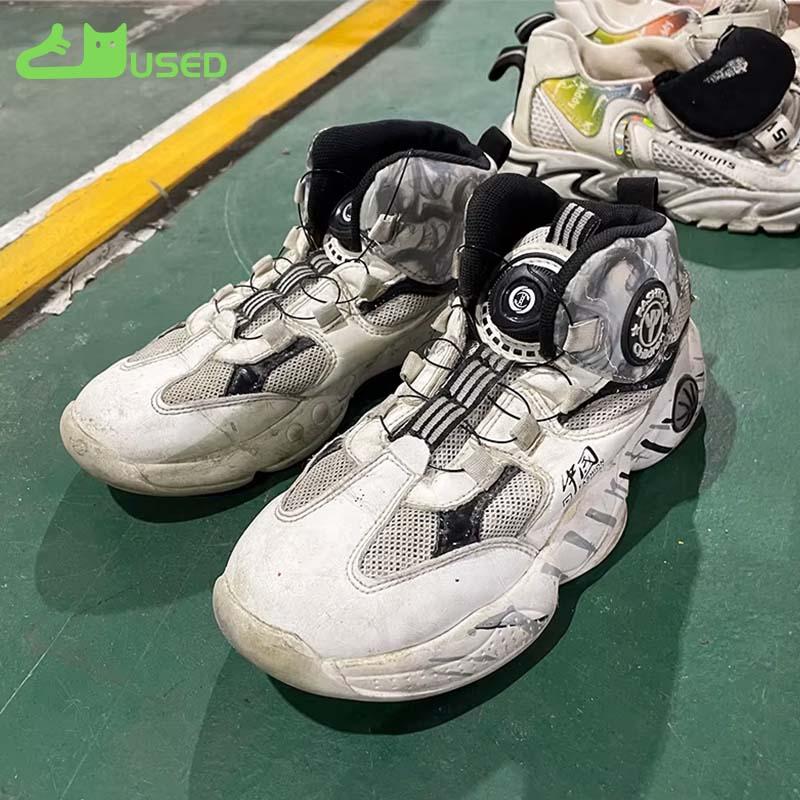
Assign pair and package codes and capture top, side, toe, foxing, outsole and interior views. Record marked size system, color group, mate consistency, laces, eyelets, stains, cuts, odor observation and prior repair.
Separate exact stock from representative samples. Do not discard weak pairs after selection. The untreated record provides the comparison for cleaning, drying and receiving, but it does not prove material composition or hygiene.
mates marks color and package
stain cut fray and seam
toe foxing edge and outsole
lining insole residue and odor note
Review canvas tears, fraying, seam openings, eyelet damage, lace condition, toe-cap wear, foxing marks, gaps, visible adhesive, outsole wear and mate variance. Use buyer-defined visual limits by channel.
Avoid aggressive flexing at weak junctions. Surface marks and intended style are separate from damage. Do not infer bond strength or remaining life; movement, separation or uncertain repair routes to service review, hold or decline.
tear fray stain and seam
eyelet lace and tongue
mark gap adhesive and edge
no bond or life claim
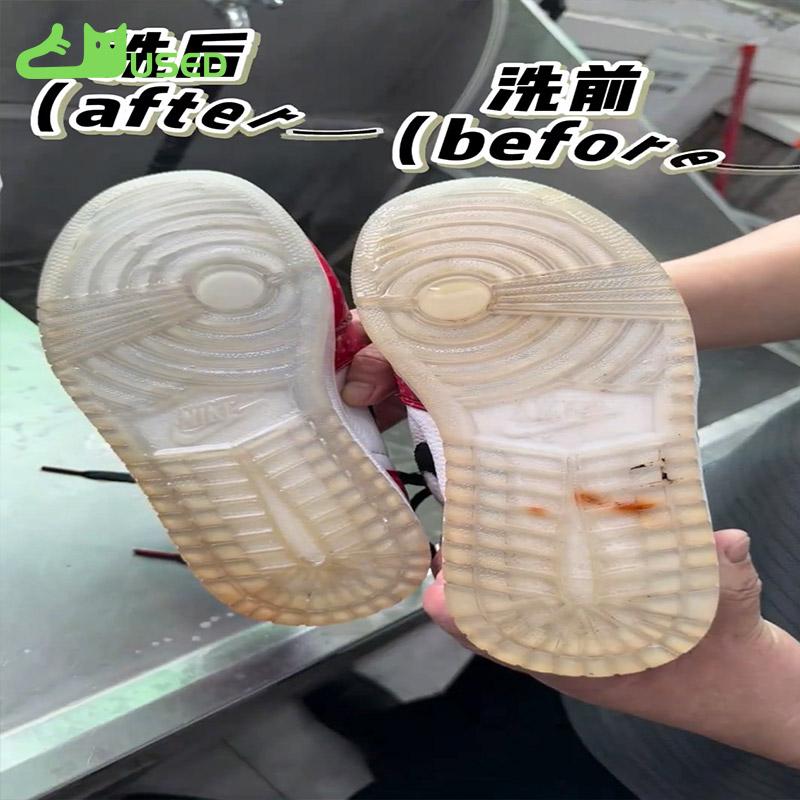
Choose representative pairs across color and condition groups. Record material basis, products, dilution where relevant, tools, contact time, water exposure, drying conditions, direct labor and before-and-after images. Stop when color transfer, distortion, adhesive change or other adverse response appears.
Reinspect canvas, seams, eyelets, foxing, shape, interior and odor observation after drying. Cleaning does not certify sanitation or restore original color. Approve, restrict or reject the process for each defined lot rather than applying one method to every pair.
product tool time and water limit
transfer fade or uneven result
condition time and capacity
same physical fields after work
The record prevents a good cosmetic result from hiding process limits, drying burden or physical damage.
| Stage | Evidence | Decision | Stop condition |
|---|---|---|---|
| Untreated | Pair views stains seams foxing interior and marks | Select trial or reject | Unknown pair or severe damage |
| Method | Material basis product tool water and time | Approve limited test | Unsupported material or unsafe process |
| Dry/recheck | Color shape bond fields interior and labor | Release restrict or reject method | Transfer distortion gap or incomplete dry |
| Batch | Marked size color channel and capacity | Schedule or cap | Missed release window |
| Receiving | Package damage and local process replay | Continue hold or revise | Arrival differs from approved range |
The approved unit is a defined wash lot and release batch, not every canvas shoe in the shipment.
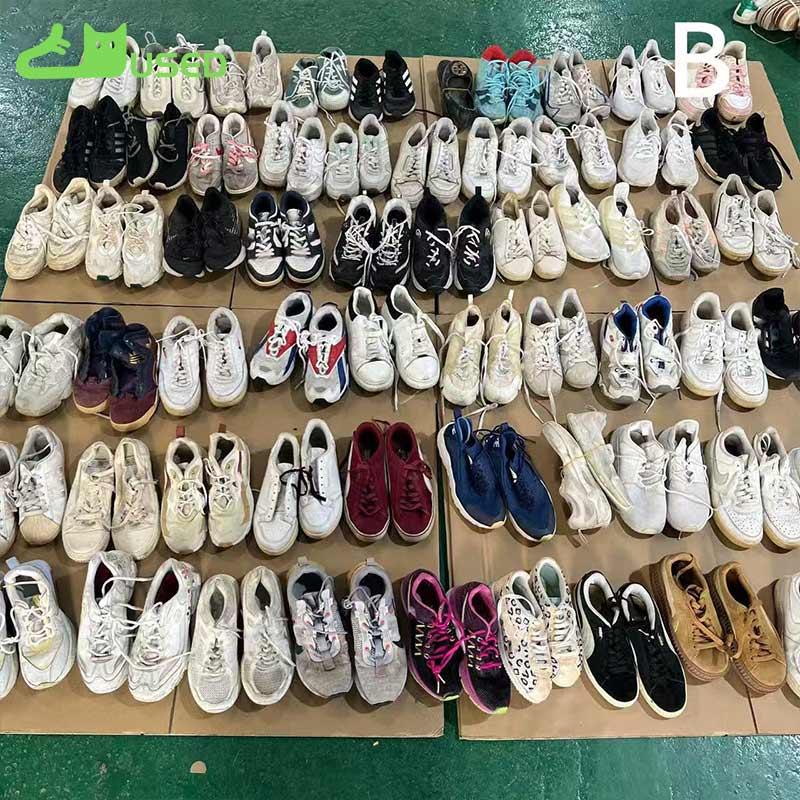
Count marked sizes by stated system, high-top or low-top form where relevant, color group, physical route and approved cleaning lot. Preserve unreadable marks, mate conflicts and outside-scope stock.
Use dated stock, outcome, request, return and markdown records from the buyer's named channel to set caps. A school calendar is a local planning input, not a universal demand claim. Keep experimental colors or weak sizes in bounded test batches.
buyer-defined high low or other
system value and conflict
cleaning response and channel
pairs money and release date
Estimate inspection, pair matching, lace work, cleaning, drying, recheck, photography, listing and transfer capacity. Set the latest start date and a stop rule for batches that cannot dry and clear inspection in time.
Calculate released-pair cost with utilities, materials, labor, rejects and delays. Do not lower physical limits to rescue a calendar. Use a fallback outlet, delayed release or smaller batch when workbench capacity is exceeded.
task minutes and materials
pairs per drying cycle
latest controlled start
delay narrow redirect or decline
Keep untreated, approved-process, completed, hold and decline routes separate. Mark packages with color lot, marked-size range, count basis, weight basis and approved substitution rule. Protect shape and pair containment.
At receiving, compare untreated condition and package damage before cleaning. Replay the approved trial on a small local sample when storage or transit conditions differ. Change one process rule, color cap, drying allowance, package protection or buying price from recorded variance.
untreated process release and hold
lot size color count and mark
condition damage and process replay
one controlled next-batch change
No. Test representative color and condition lots separately.
No. Record the process and observable result without certification.
Use written gap or movement limits and hold uncertain pairs.
Use a named local release calendar and actual preparation capacity.
Pair, color lot, marked sizes, process status and receiving variance.
Used Converse stock becomes predictable only when untreated evidence, wash-lot results, drying capacity and channel-specific size batches remain connected. The used sneakers wholesale category provides the wider sneaker context; conservative foxing limits and package-linked process records govern release. Use the page inquiry form to request current canvas views, marked-size counts, condition fields and packing options.

Direct Factory Supplier of Used Shoes For African Markets In China
 Tel: +8618606960861
 Email: info@usedshoeswholesale.com
 MP/WhatsApp: +8618606960861
 Manufacturer Address:Cizao Town, Jinjiang City, Quanzhou City, Fujian Province