Author:Used Wholesale Manufacturer TIME:2026-08-13
Broad demand to sellable-lot translation
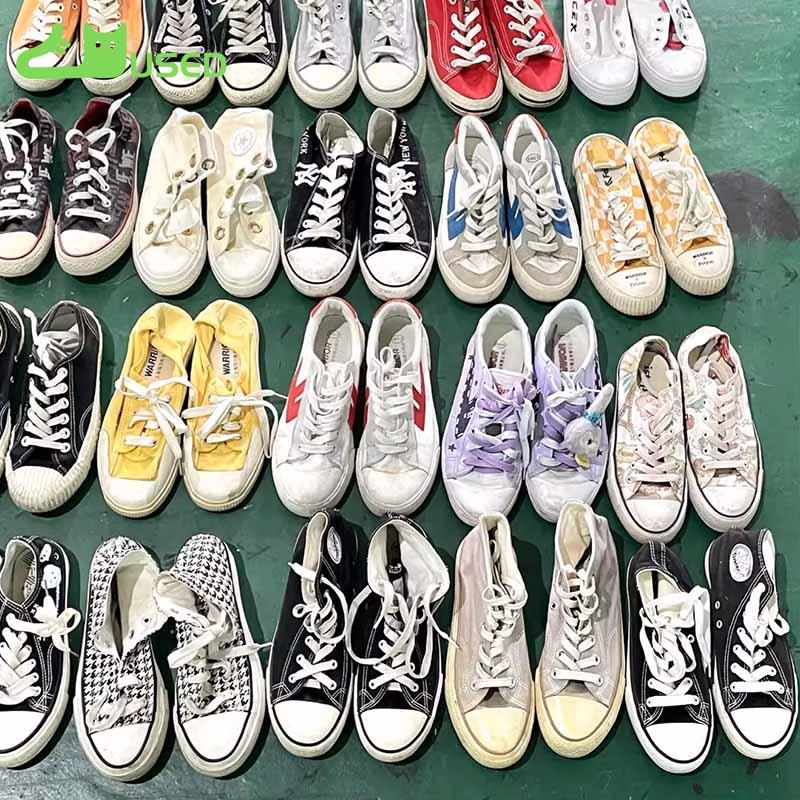
The phrase used shoes for sale does not tell a supplier what should enter a container. Importers must translate outlet records into countable category, marked-size, condition and preparation rules that can be sampled, packed and checked on arrival. The translation begins with named customers and stock evidence, not a country-wide percentage. It also includes explicit unknown, service, hold and decline routes so weak stock cannot disappear inside a broad mix. A sellable lot is the result of aligned definitions and accepted variance, not a headline pair count.
List regional wholesalers, neighborhood stores, market sellers or transfer customers separately. Record current stock, stock age, display capacity, completed orders, markdowns, questions, returns and price lanes where legitimately available.
Convert each record into one bounded gap: category, marked-size band, condition route or release date. Search suggestions and supplier experience may identify questions, but they do not set quantity. Preserve weak evidence as a small test.
name channel and capacity
category size condition and age
completed transfer sale markdown return
one measurable requirement
Write inclusion and exclusion rules for men's, women's, children's, mixed, sneakers, slippers, brand-related or other approved groups. Add marked-size system and band, observable condition, preparation route, pair status and unknown.
Resolve overlaps with one precedence rule. Use the same labels in supplier reports, bale marks, receiving and outlet allocation. Do not use grade names without countable fields.
physical inclusion and exclusion
marked system band and unknown
observable route and service
complete single mismatch or outside scope
Every load instruction traces to an outlet record, a countable cohort and an arrival check.
| Translation step | Input | Order output | Control |
|---|---|---|---|
| Outlet gap | Stock age capacity outcome and price lane | Named category or size need | Evidence date and scope |
| Cohort | Physical inclusion size condition and pair status | Countable dictionary | Precedence and unknown route |
| Ratio | Aggregated named gaps | Range cap and test | Accepted variance response |
| Economics | Released yield and work capacity | Price and capital ceiling | Downside holds and declines |
| Load/arrival | Package marks sample and receiving | Reconciled shipment | One next-order revision |
The matrix is complete only when the receiving team can reproduce every supplier-side count.
Aggregate named outlet gaps by cohort while preserving channel and evidence date. Define minimums, preferred ranges, maximums and test caps. Keep slow or unproven marked sizes visible rather than averaging them into a broad curve.
Specify accepted variance and the response when a sample misses a range. A supplier-selected showcase cannot validate the ratio. Expand sampling, sort, reprice, narrow or decline according to the written rule.
minimum preferred and maximum
outlet date and scope
sample result versus rule
expand sort reprice narrow decline
Calculate goods, freight, destination, receiving, inspection, matching, cleaning, service, drying, listing and transfer burden against complete pairs released to their planned outlet. Show holds and declines in a downside case.
Set workbench, storage and capital caps by cohort. A low bale price is not useful if the released yield is weak or the preparation queue blocks the selling window. Use local completed outcomes where available.
goods route and destination
complete accepted pairs
task time material and capacity
hold decline age and return
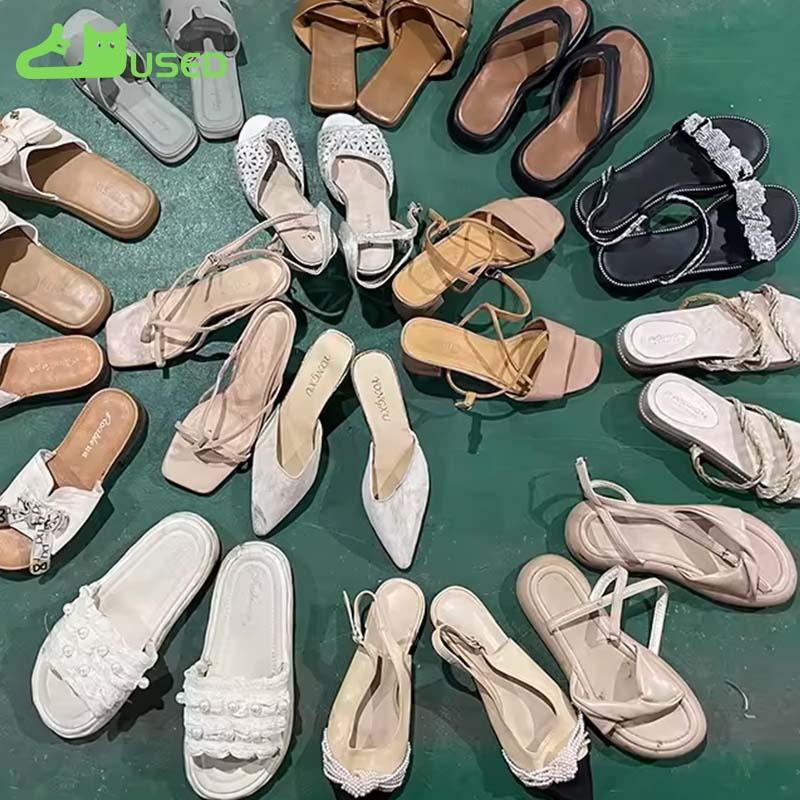
Specify category separation, marked-size bands, condition routes, pair containment, unique package marks, count basis, dimensions, gross and defined goods weight, compression, protection and substitutions. Reconcile the package list to the order matrix.
Use random or stratified package selection and retain denominator and loading position. Model capacity from measured packages, not a generic bale claim. A container total cannot expose concentrated weak packages.
category size and route
mark count weight and dimensions
position denominator and owner
matrix versus load
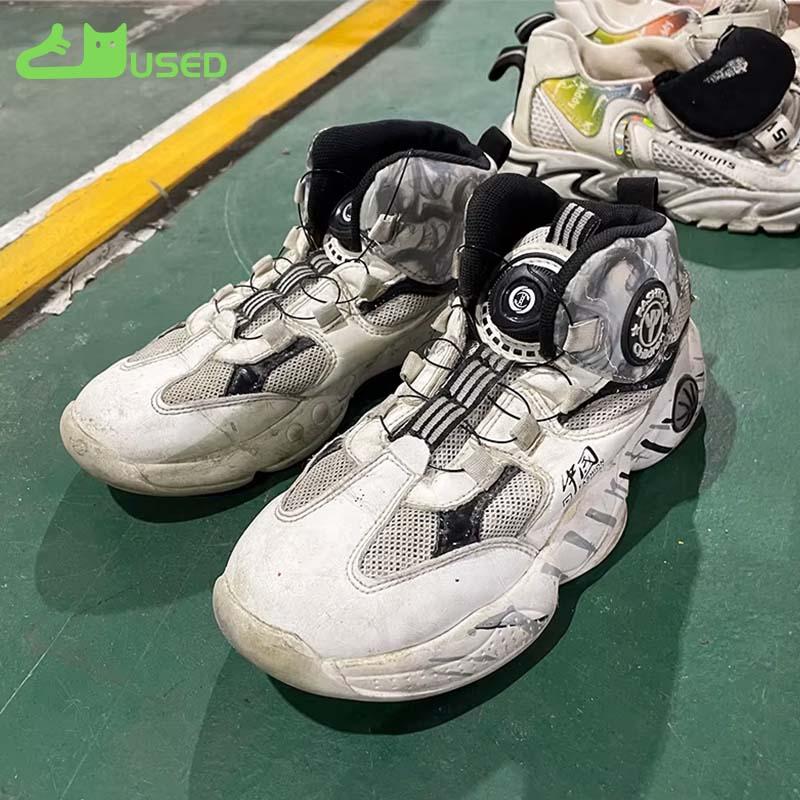
Before preparation, sample across load positions and record package condition, counts, weights, wetness, damage, substitutions, pair status and cohort fields. Recalculate released yield and work burden.
After the first outlet cycle, add stock age, completed outcomes, markdowns and returns by cohort. Change one ratio, size cap, service ceiling, package rule or price for the next order. Keep the remaining rules stable so the effect can be measured.
package and cohort variance
released mix and workload
age outcome markdown and return
one attributable change
No. Translate dated records from named outlets into bounded cohorts.
Ranges expose accepted variance and prevent false precision.
Complete pairs released to the intended route.
No. Use package-linked cohort counts and representative selection.
Change one evidenced rule and compare the next result.
Broad used-shoe demand becomes a sellable wholesale lot only after outlets, cohorts, tolerances, released yield and packages use the same definitions. The used mixed shoes wholesale category provides the mixed-footwear context; buyer-owned order matrices and package-linked receiving evidence govern the load. Request a current category-size sample, defined grade fields, package measurements and substitution rules through the inquiry form.

Direct Factory Supplier of Used Shoes For African Markets In China
 Tel: +8618606960861
 Email: info@usedshoeswholesale.com
 MP/WhatsApp: +8618606960861
 Manufacturer Address:Cizao Town, Jinjiang City, Quanzhou City, Fujian Province