Author:Used Wholesale Manufacturer TIME:2026-08-13
Sneaker listing production stations
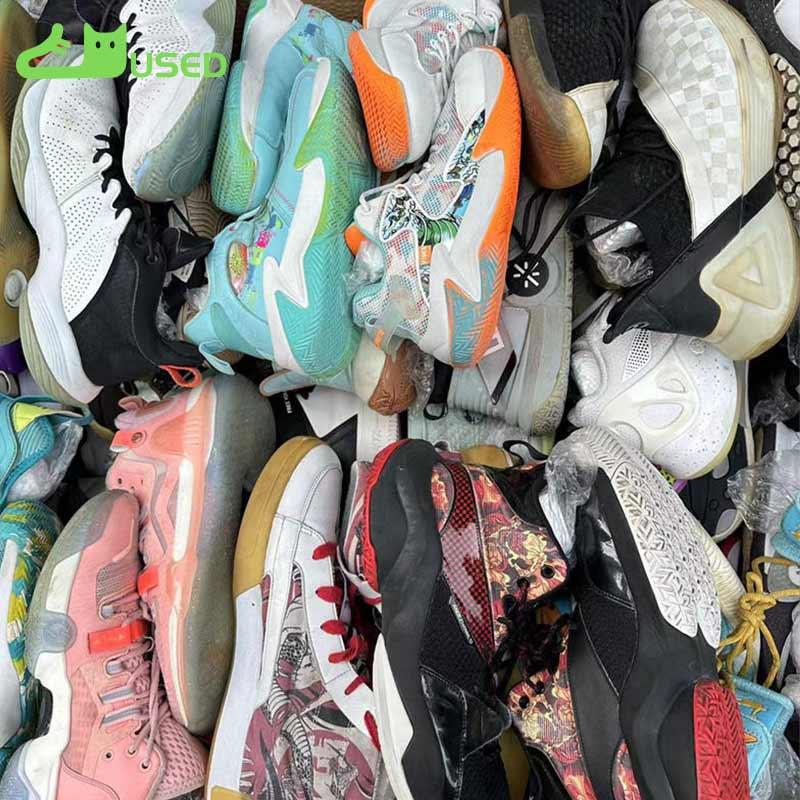
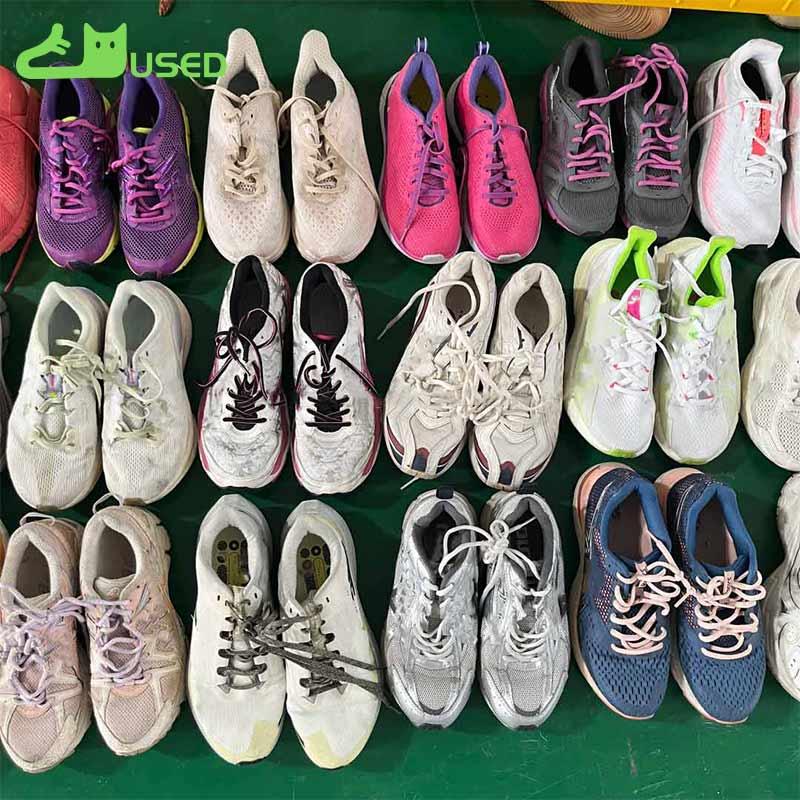
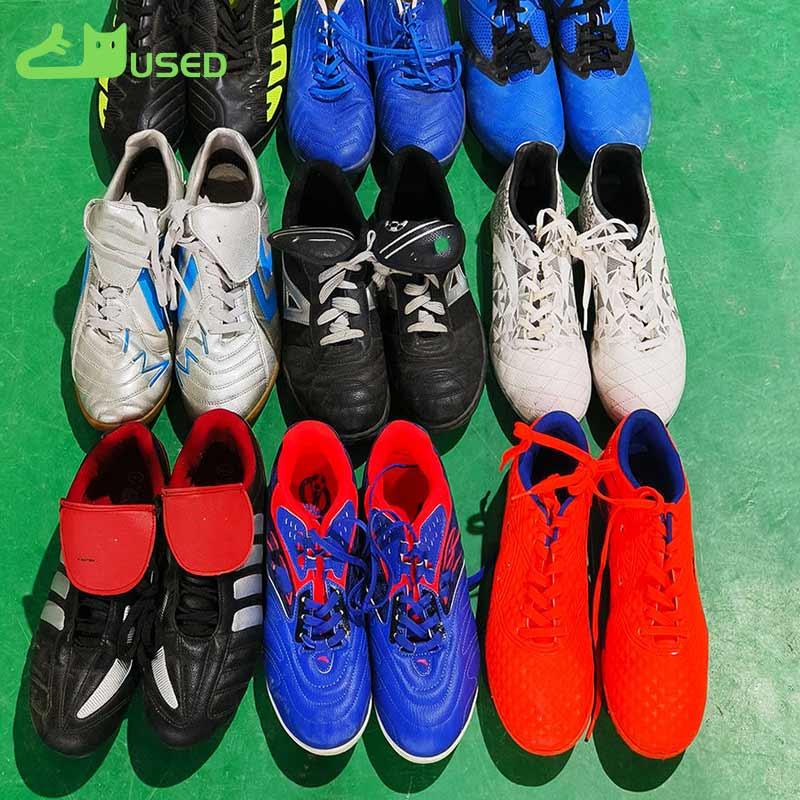
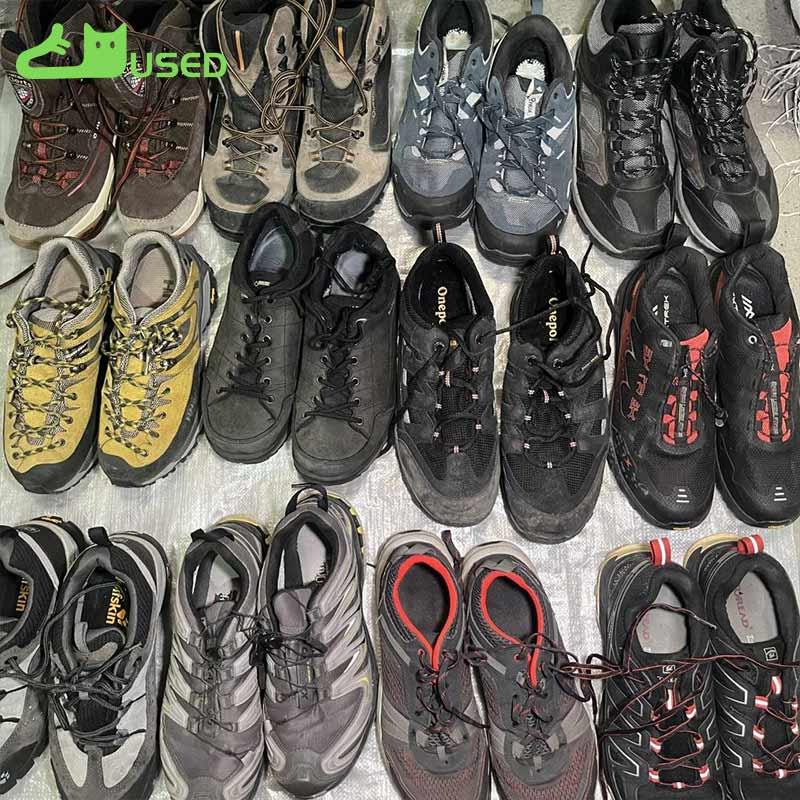
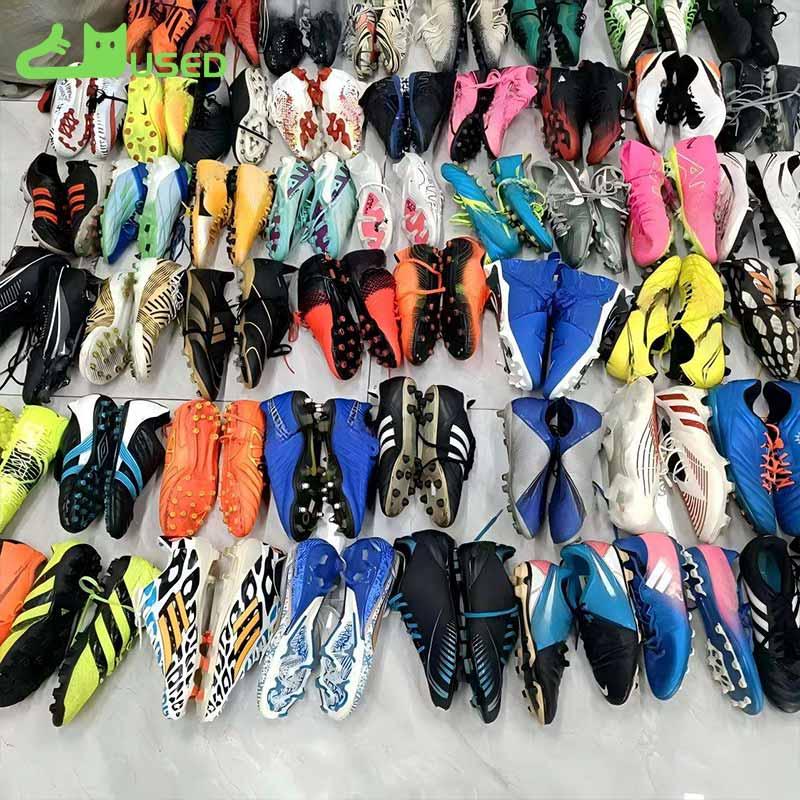
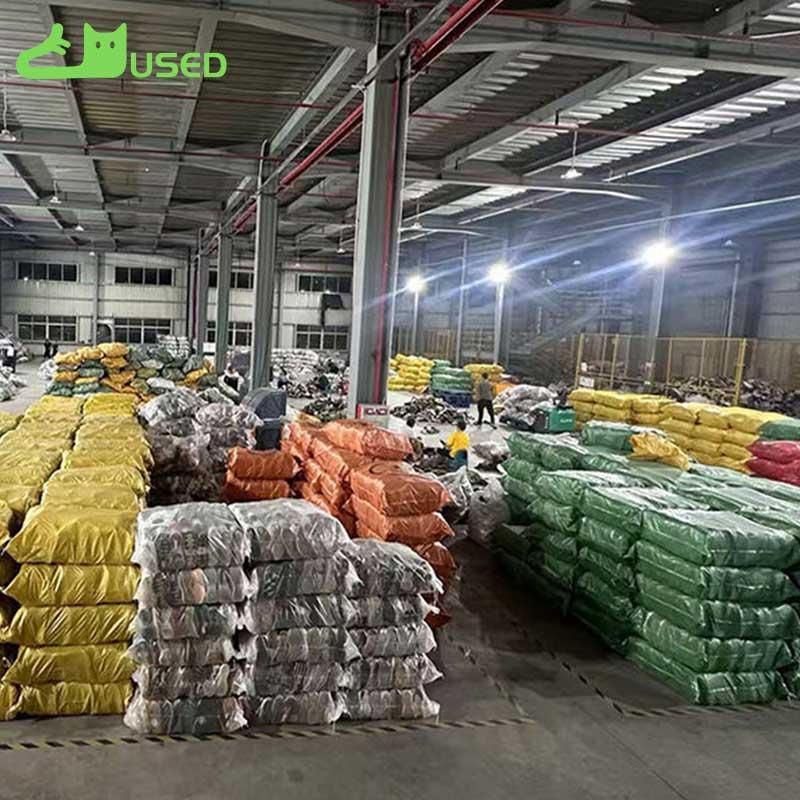
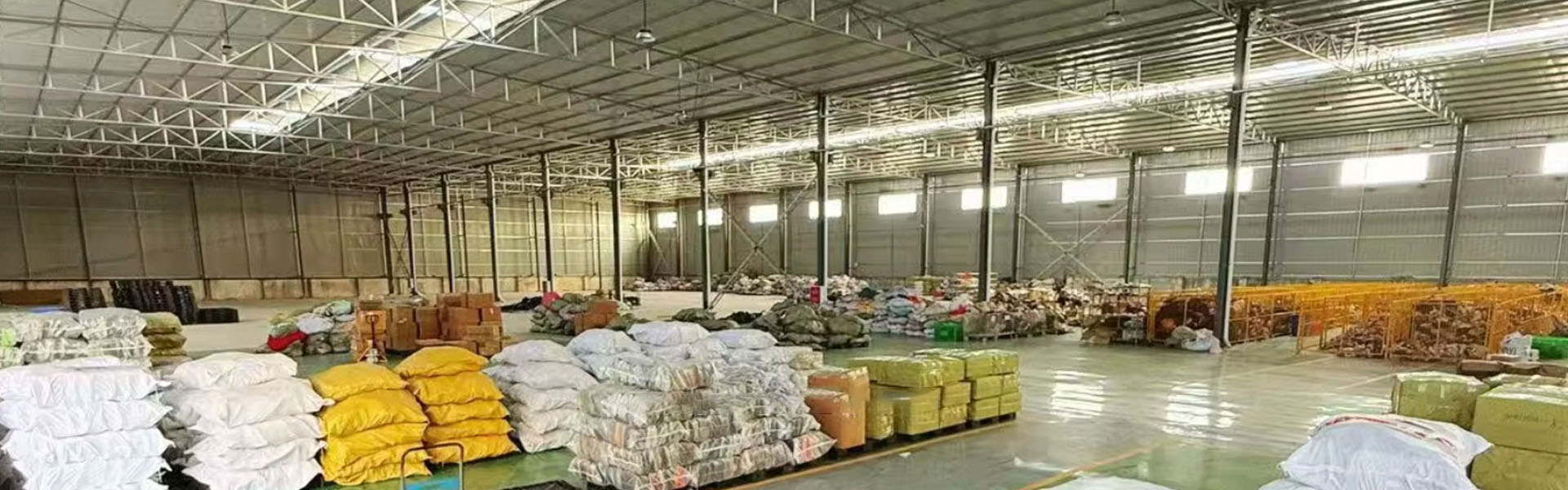
Listing-ready inventory is not a cosmetic grade. It is the output of an intake, preparation, evidence and data pipeline that can produce accurate records before stock ages past its selling window. Online listings need pair-specific images and disclosures, while market stalls may use cohort signage and faster handling. Both routes still need complete pairs, marked sizes, observable condition and a controlled price. Buyers should measure station capacity and released yield before ordering, so a large sneaker lot does not become an unphotographed or unsorted backlog.
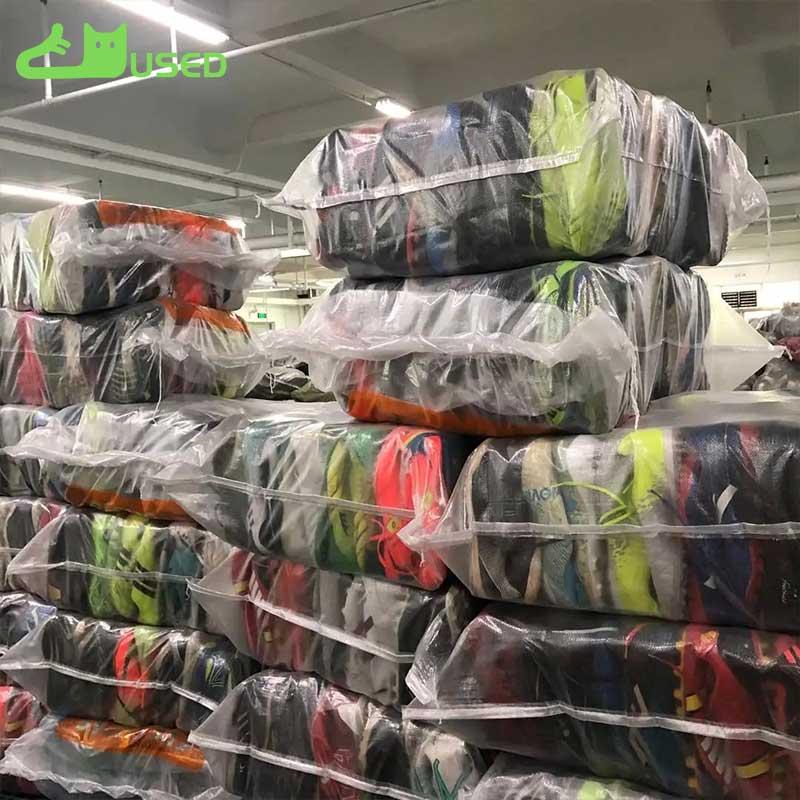
Record package mark, pair code, both shoes, marked size system, visible model group, color, mate consistency, claim status and initial physical exceptions. Separate exact stock from representative samples.
Route ready-candidate, preparation, evidence hold, physical hold and decline before photography. Unknown pairs remain visible. The ticket follows every later task and prevents images or disclosures from being attached to the wrong stock.
pair package and mates
size model text and color
ready work hold or decline
current station and deadline
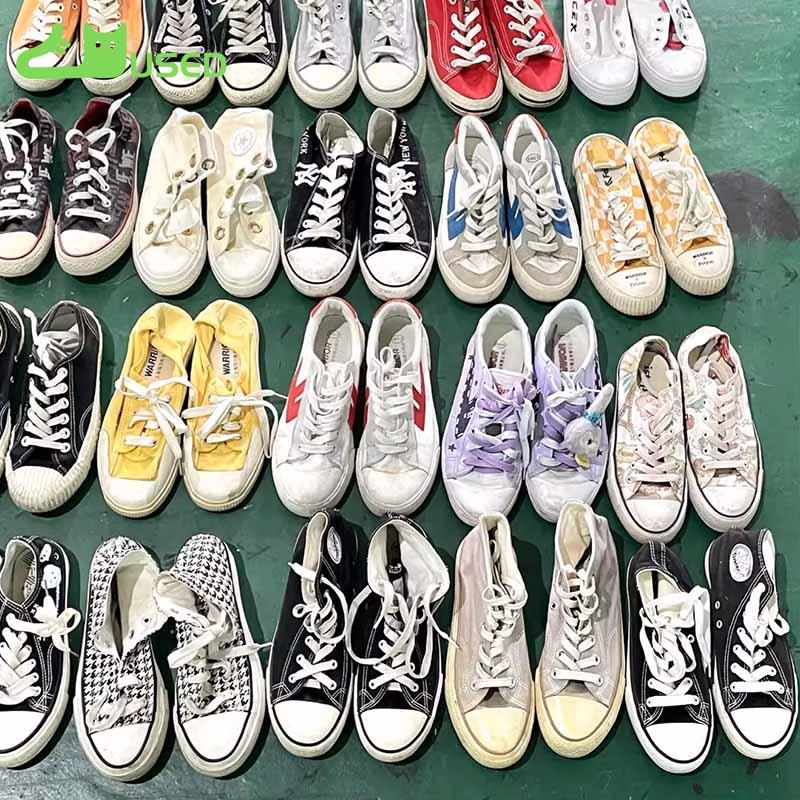
Inspect outsole wear, visible midsole geometry, upper cuts and seams, toe, heel, collar, closures, lining, insole, residue, odor observation and prior repair. Use written observable limits by channel.
Do not infer cushioning, traction, authenticity or remaining life. Complete approved cleaning or service with task, cost and reinspection. Photographing a weak pair does not make it ready.
wear shape gap and mate variance
cut seam closure and shape
lining insole residue and wear
condition not performance or identity
For individual listings, define required front, side, rear, outsole, interior, size-mark and defect views under consistent light and scale. For stall cohorts, preserve representative condition and exception images tied to batch identity.
Record exact defects and completed work without hiding them through crop, angle or editing. Claim evidence remains separate from condition images. Keep file names and pair codes linked so customer questions can be answered from the record.
required angles and defect close-up
consistent and non-concealing
pair code and version
separate source and wording
The board shows whether the buyer can turn accepted stock into accurate selling records before inventory ages.
| Station | Required output | Capacity measure | Release stop |
|---|---|---|---|
| Intake | Pair package marks and initial route | Tickets per hour and open queue | Identity conflict |
| Preparation | Completed approved work and recheck | Pairs per cycle | Task or drying ceiling |
| Capture | Required views and defects | Image sets per day | Missing or misleading evidence |
| Record/review | Fields disclosure price and approval | Records per reviewer | Unsupported claim |
| Handoff | Exact stock and channel match | Age and corrections | Record-stock mismatch |
Inventory is listing-ready only when every station has completed its controlled output.
Create title or cohort label, marked size, color, observable condition, defects, completed service, claim wording, price, outlet and return terms. Preserve uncertainty and avoid unsupported performance statements.
Use a second-person review for high-exposure records or sampled cohort signage. Lock the approved version before handoff. A generic template may organize fields, but the actual values must come from the ticket and images.
pair or cohort reference
specific field and disclosure
price channel and terms
reviewer version and date
Measure minutes and queue size at intake, preparation, photography, record creation, review and transfer. Allocate pair-specific premium or unusual stock to individual listing only when capacity exists; use accurate cohort handling for suitable lower-complexity stock.
Calculate landed and production cost per released pair. Set maximum queue age, work minutes and channel inventory. Stop or narrow buying when the bottleneck grows, instead of labeling unfinished stock as listing-ready.
minutes capacity and queue
individual cohort or hold
landed plus production
age workload or evidence ceiling
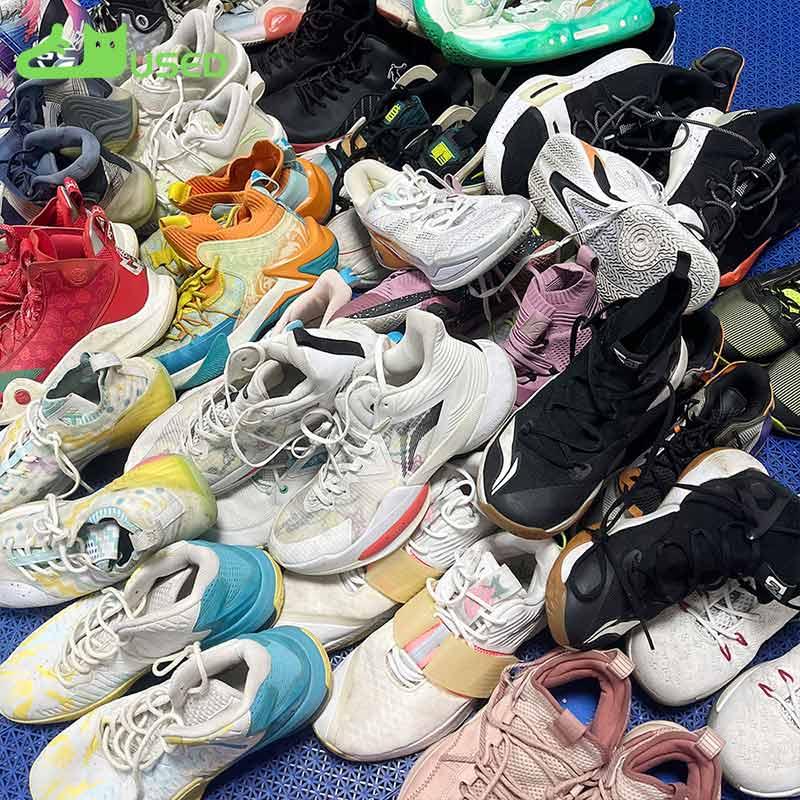
At receiving, match package and pair references and replay selected physical fields before preparation. Record damage, wetness, substitutions and missing mates. Update station demand from actual released yield.
At channel handoff, confirm images, data, disclosure and price refer to the released pair or cohort. Track stock age, corrections, returns and questions. Change one station rule, channel cap, package control or buying price for the next lot.
package pair and condition match
record images and stock identity
age correction question and return
one pipeline change
No. It still needs release inspection, evidence, data and approval.
They may share fields, but evidence depth and handoff differ by channel.
No. Use consistent views and specific defect disclosure.
Use released yield and the slowest station's real capacity.
Confirm stock identity, images, fields, wording, price and route all match.
Used sneakers become listing-ready only after a traceable production pipeline releases condition, evidence, data and channel handoff. The used sneakers wholesale category provides the product context; station capacity, honest disclosure and stock-record matching determine buying volume. Ask through the inquiry form for current sneaker cohorts, marked-size counts, condition examples and package identities.

Direct Factory Supplier of Used Shoes For African Markets In China
 Tel: +8618606960861
 Email: info@usedshoeswholesale.com
 MP/WhatsApp: +8618606960861
 Manufacturer Address:Cizao Town, Jinjiang City, Quanzhou City, Fujian Province