Author:Used Wholesale Manufacturer TIME:2026-08-14
Hoka demand-signal trial file
A retail-style search for used Hoka shoes for sale can identify a buyer question, but it cannot prove wholesale volume, size demand or acceptable condition. Importers should translate that signal into a small local trial with named outlets, marked-size cells, observable physical limits and a fixed review date. Midsole and outsole appearance may be documented, but photographs cannot establish cushioning, comfort, support, safety or remaining life. The goal is a bounded experiment that can be expanded only after receiving and channel records support it.
Save the exact query or suggestion, date, language and location context where available. Treat it only as evidence that a phrase is being searched, not as a count, conversion rate or wholesale forecast.
Write the unresolved questions it creates: model groups, marked sizes, condition tolerance, price lane and intended use wording. Do not allocate quantity until named local channels supply their own records.
exact wording and date
language location and source
volume conversion size and condition
local question not volume claim
Record current stock, age, completed outcomes, markdowns, questions, returns, display or listing capacity and price lanes for each walking, sneaker or fashion channel used by the buyer. Keep channels separate.
Define a small trial by model group, marked size, physical route and outlet. Cap pairs, money, preparation hours and review date. General interest cannot fill weak cells.
name and capacity
stock age outcome and return
model size route and channel
pairs money work and date
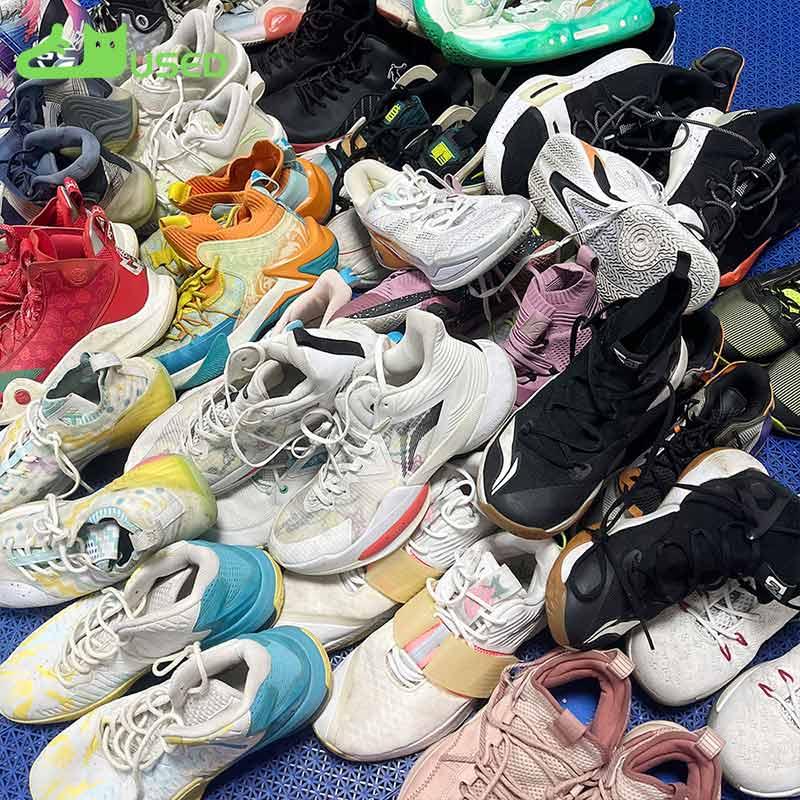
Use paired outsole, level side, rear, top and interior views. Record wear zones, visible compression or deformation, tilt, gaps, upper damage, heel or collar condition, lining, residue, odor observation and repair.
Do not translate these observations into cushioning, comfort or safety claims. Use ready, service, specialist hold, restricted disclosure or decline. Keep model and claim evidence separate from physical release.
zone wear cut exposure and mates
static shape tilt gap and variance
damage lining residue and repair
no performance conclusion
The sheet prevents a search phrase from becoming an unsupported wholesale forecast.
| Signal step | Evidence | Allowed decision | Not supported |
|---|---|---|---|
| Search | Exact phrase source date and context | Open a buyer question | Volume or conversion |
| Outlet | Named stock age outcomes and capacity | Define a trial cell | Universal demand |
| Physical | Pair outsole geometry upper and interior | Release hold or decline | Comfort or safety |
| Economics | Released yield work and return burden | Set exposure and exit | Asking price as proof |
| Learning | Arrival and outlet results | Expand narrow or stop | One pair predicts category |
Only the local trial, not the search phrase, can justify a larger wholesale cell.
Count the marked size with its stated system, visible model group, physical route and outlet. Preserve unreadable or conflicting marks and mate variance. A marked size does not guarantee fit.
Set trial ranges from the buyer's dated records. Keep low-evidence sizes in a separately capped cell. Do not copy a generic running-shoe curve into a Hoka-focused offer.
system value and conflict
buyer-defined visible group
ready work hold decline
named outlet and review date
Add landed cost, inspection, pair matching, approved cleaning, drying, limited service, photography, listing and return handling against complete released pairs. Include held and declined pairs in a downside.
Treat the first lot as evidence collection with a fixed exposure ceiling. A high asking price or popular query cannot repair weak yield, slow stock or heavy preparation.
complete released pairs
task time material and capacity
records review and return handling
date transfer markdown or stop
At receiving, replay package, marked-size, outsole, geometry, upper and interior fields before preparation. Record damage, substitutions and sample variance by package mark.
After the trial, compare released yield, preparation time, stock age, outcomes, markdowns, questions and returns. Expand, narrow or stop one cell; do not convert one good pair into a category forecast.
package and physical variance
actual cohort and work
age outcome markdown and return
expand narrow or stop one cell
No. It is a wording signal, not a volume or conversion claim.
No. Record visible geometry without performance conclusions.
Cap it by named outlet evidence, preparation capacity and downside cost.
No. Preserve the system and let the reseller manage fit disclosure.
Package-linked arrival results and completed local channel records.
Search interest becomes a wholesale decision only after a bounded Hoka trial produces local physical, cost and outlet evidence. The used sneakers wholesale category provides the wider sneaker context; marked-size cells, conservative claim limits and a dated learning loop govern expansion. Request current pair views, trial-size counts, condition fields and package records in the inquiry form.

Direct Factory Supplier of Used Shoes For African Markets In China
 Tel: +8618606960861
 Email: info@usedshoeswholesale.com
 MP/WhatsApp: +8618606960861
 Manufacturer Address:Cizao Town, Jinjiang City, Quanzhou City, Fujian Province