Author:Used Wholesale Manufacturer TIME:2026-08-16
Doc Martens boot bale-density blocks
Boot bale density is useful only when the buyer knows what is being measured. Heavy footwear can produce a high package weight while delivering fewer complete, released pairs and greater shape or sole risk. Second hand Doc Martens stock should be divided by shaft form, marked size, observable condition and physical route, then packed into measured blocks with defined gross and goods weight. The model must not treat product name, apparent welt or leather appearance as proof of authenticity, construction, safety or remaining life.
Separate buyer-defined shaft groups, marked-size bands, physical routes, complete pairs, singles, unknowns and outside scope. Use observable form and avoid unsupported construction labels.
Apply the same dictionary in sampling, packing and receiving. Without it, density can improve only because the supplier substituted heavier or less sellable stock.
shaft and observable shape
marked system and band
ready work hold decline
complete single or mismatch
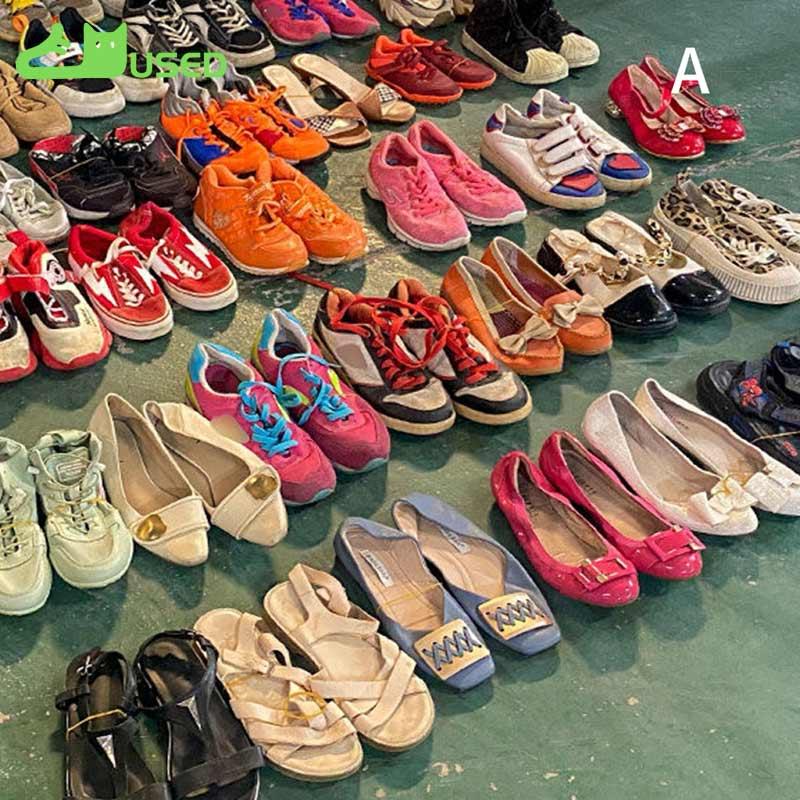
Record upper cracks, seams, shape, hardware, closure, heel geometry, sole-edge gaps, outsole wear, lining, insole, residue, odor observation and prior repair. Compare mates.
Appearance cannot prove leather, welt construction, slip resistance, protection or remaining life. Use low-force checks and hold structural uncertainty. Density calculations include only routes defined by the buyer.
crack seam hardware and shape
gap wear repair and mates
lining insole residue and wear
no construction or safety claim
Record package identity, internal cohort, count, dimensions at stated points, gross weight, tare where available, defined goods weight, scale and measurement date. Repeat a representative sample.
State compression method and time before measuring. A quoted standard bale value is not evidence for the current stock. Preserve outliers and package position.
defined points and condition
gross tare and goods basis
complete pairs and other units
scale compression date and owner
The sheet separates package density from sellable-pair economics.
| Density field | Required input | Calculation | Risk stop |
|---|---|---|---|
| Boot block | Form size route and complete-pair count | Cohort denominator | Mixed unknown units |
| Package | Dimensions gross tare goods weight and method | Volume and density | Unmeasured standard claim |
| Freight | Route cost and allocation basis | Cost by block | Weight or volume mismatch |
| Released yield | Ready pairs service holds and declines | Landed cost per released pair | Weak downside |
| Receiving | Remeasurement damage and variance | Reset model | Untraceable package |
The useful density is the one that preserves accepted boots and predicts cost per released pair.
Use measured cubic volume and weight to allocate route freight, then divide full landed and preparation cost by complete released pairs. Show service, holds, singles and declines separately.
Model base and downside yield. A denser bale is not automatically better when compression damage, slow sizes or heavy service reduce release. Cap freight and work exposure by block.
measured count volume and weight
route allocation method
complete released pairs
damage service hold and slow stock
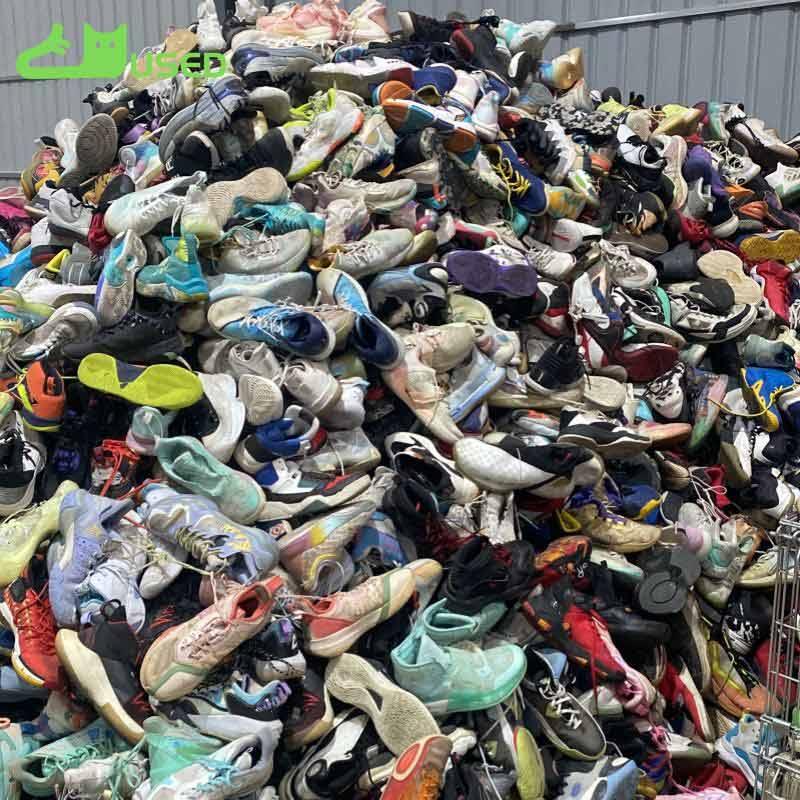
Specify pair containment, shaft support where appropriate, closure position, abrasion or moisture protection, maximum compression, unique marks and substitutions. Reconcile package totals with the accepted blocks.
Do not force higher density when it conflicts with shape or sole-edge limits. Record loading position so receiving can compare concentrated damage.
containment and mate control
shaft closure and compression
mark cohort count and weight
position and reconciliation
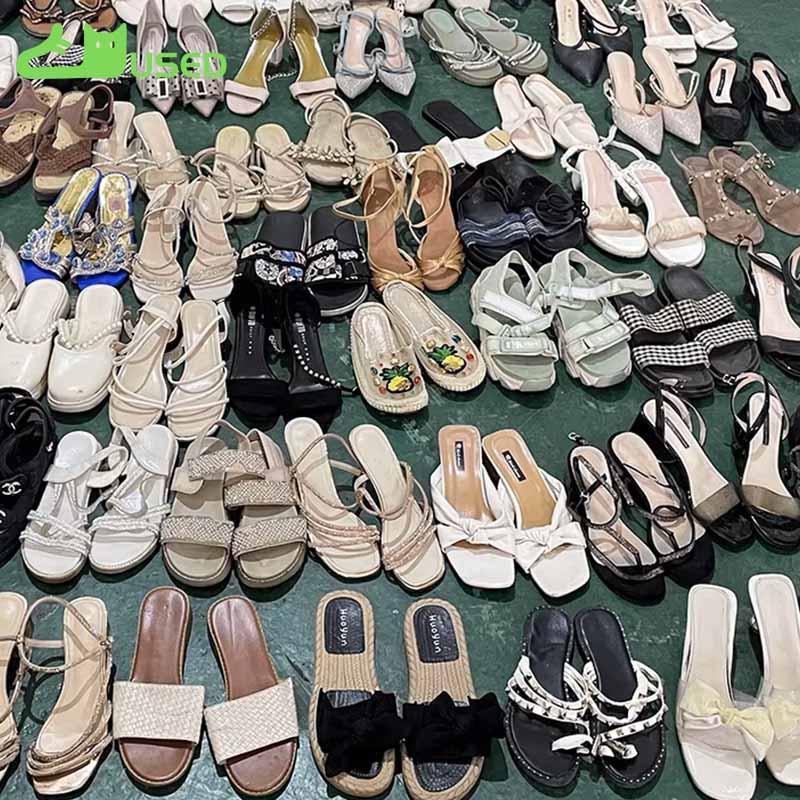
Before preparation, remeasure selected packages and record crushing, wetness, damage, count, pair status, physical route and substitutions. Link every exception to a mark.
Recalculate actual released pairs, work and freight per block. Change one compression limit, cohort cap, package size, service ceiling or buying price for the next load.
package dimension weight and count
shape damage route and substitution
freight and work per released pair
one density-control change
No. Compare released pairs, damage, sizes and preparation.
No. Use neutral physical descriptions unless evidence supports the claim.
State gross, tare where available and the exact goods-weight definition.
Use accepted shape and sole-edge tolerances, not maximum density alone.
Package-linked receiving measurements and actual released yield.
Second hand Doc Martens bale density should be judged by measured packages and complete released boots, not weight alone. The used brand shoes wholesale category provides the branded-footwear context; physical gates, compression limits and arrival remeasurement govern freight economics. Ask for current boot-block counts, package dimensions, weight definitions and condition evidence before quoting.

Direct Factory Supplier of Used Shoes For African Markets In China
 Tel: +8618606960861
 Email: info@usedshoeswholesale.com
 MP/WhatsApp: +8618606960861
 Manufacturer Address:Cizao Town, Jinjiang City, Quanzhou City, Fujian Province