Author:Used Wholesale Manufacturer TIME:2026-08-22
Designer footwear repair-reserve ledger
A recognizable label does not turn uncertain repair work into recoverable inventory. Pre loved designer shoes should enter a pair-level ledger that keeps product-claim evidence, physical release, proposed service and commercial exposure in separate columns. The importer can then approve a task only when the defect is documented, the provider has stated the work and limitation, the total recovery burden fits a written ceiling, and the pair can return before its sales window closes. This approach values evidence and timing rather than an optimistic post-repair asking price.
Assign each pair and package a stable reference. Capture mates, marked size, visible model text, accessories, stock relation and the source, date, subject and limitation of any designer claim. Supported, limited, unresolved and rejected claims require their own status.
The physical lane is independent. A pair with useful documents may still fail structure, while a sound pair may remain unsuitable for premium wording. Keep claim review, condition route and repair authorization visible at the same time so later work cannot silently elevate a weak claim.
pair mates marks and package
source subject date and limit
unworked physical route
person allowed to change each status
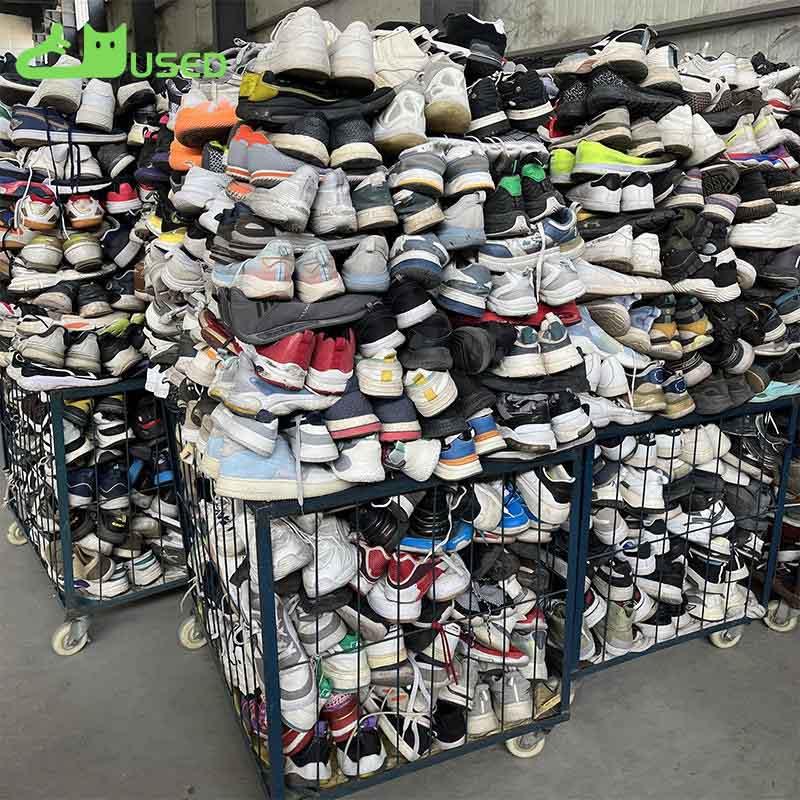
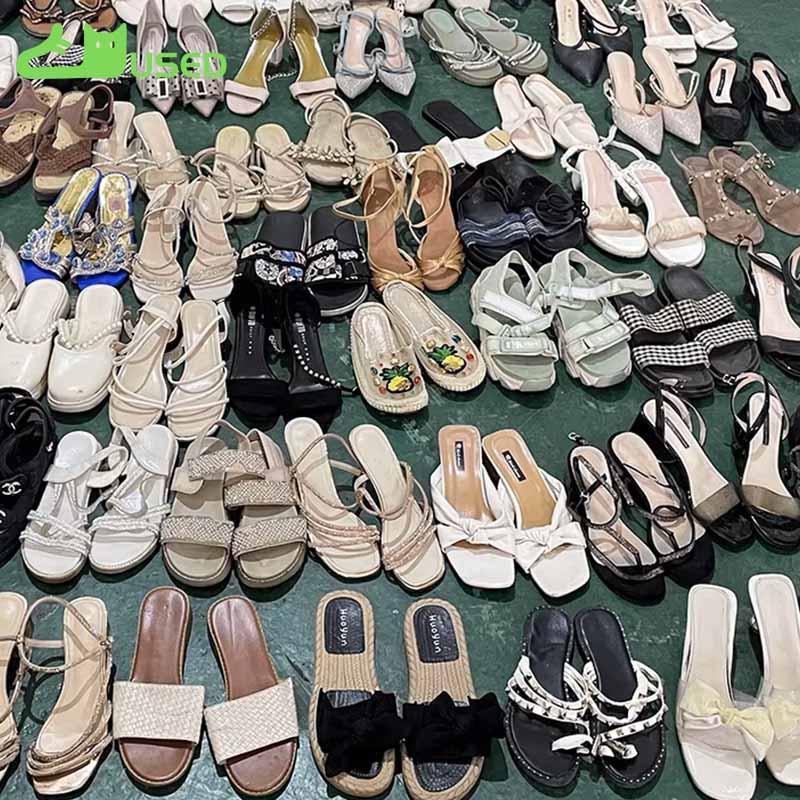
Inspect upper panels, seams, closures, hardware, decoration, heel geometry, heel tip, sole edge, outsole, lining, insole, residue and prior repair under consistent views. Record location, extent, mate difference and the stop that prevents immediate release.
Create a separate ticket for each proposed task. Do not use broad labels such as restore or refurbish. The ticket should state what will be touched, what will remain visible, which evidence could be changed and which before image must survive for comparison.
location view and mate variance
specific operation and boundary
before image and protected field
structure claim material or cost uncertainty
The ledger prevents label recognition from hiding task and holding exposure.
| Ledger line | Evidence | Approval gate | Close record |
|---|---|---|---|
| Pair and claim | Marks stock relation source and limitation | Independent review owner | Claim status unchanged or revised |
| Physical defect | Location views extent and mate comparison | Release service hold or decline | Residual and new condition |
| Quotation | Operation material parts exclusions and date | Comparable task and provider capacity | Work actually completed |
| Reserve | Landed service transport hold and return cost | Total ceiling and deadline | Actual cost and elapsed time |
| Exit | Channel rule and downside | Named owner before work | Release transfer remedy or decline |
A repair is commercially approved only when the ticket, reserve and calendar close together.
Ask the repair provider to identify the observed defect, proposed operation, material basis, parts if any, expected visible result, exclusions, price, lead time and recheck requirement. Record whether the quote came from photographs or physical examination.
A low figure with no method or exclusion is not a usable ceiling input. Compare quotations on the same ticket, and include the provider's current capacity. A technically acceptable task can still miss the intended selling period when the queue is long.
photo or physical examination
method material and parts
excluded result and uncertainty
price lead time and appointment
Start with landed cost for the exact pair, then add evidence review, inspection, approved cleaning, quoted work, transport to the provider, reinspection, photography, relisting and return handling. Allocate receiving labor and capital held until the pair can be released.
Use base and downside totals rather than one repair percentage. The downside should include quote revision, failed work, extra delay, restricted wording, markdown and non-release. Compare the total with a conservative channel value supported by the buyer's completed records, not with a current listing price.
landed pair and evidence review
service transport and reinspection
time capacity and capital
delay markdown return or non-release
Set the maximum total recovery burden, latest completion date, required before evidence and named decision owner before a ticket is released. The provider may not substitute materials or add work without a revised approval that shows the new total and schedule.
Write the exit route in advance: release with updated disclosure, transfer to another channel, sell as a clearly described project pair, return under an agreed remedy or decline. Holding an unfinished pair beyond the deadline is a decision with a cost, not a neutral pause.
total recovery burden
provider finish and listing date
owner scope and substitution rule
release transfer remedy or decline
Repeat the relevant upper, heel, sole, interior and mate views after service. Record completed work, residual defects, new damage, updated condition wording and whether the evidence claim is unchanged. A repair can improve condition without restoring original condition.
Close actual cost, elapsed time and final route against the original reserve. Group results by defect and task rather than by label alone. For the next lot, change one defect tolerance, quotation requirement, provider allocation, ceiling or payment term based on completed records.
same views and ticket result
work done and residual condition
actual cost time and route
one next-lot repair control
No. Use pair condition, supported claims, complete cost and channel records.
The same defect ticket, method boundary, exclusions, price and timing.
No. Product-claim evidence remains a separate decision.
Stop when scope, evidence, material, ceiling or deadline is unresolved.
Closed pair-level cost, elapsed time, route and residual condition records.
Pre loved designer shoes require a repair reserve that follows exact defects, providers, deadlines and completed outcomes. The used brand shoes wholesale category sets the broader branded-footwear context; pair ledgers, independent claim review and written exits control exposure. Use the page inquiry form to request current condition views, repair-ticket examples, quoted-work limits and available stock cells.


Direct Factory Supplier of Used Shoes For African Markets In China
 Tel: +8618606960861
 Email: info@usedshoeswholesale.com
 MP/WhatsApp: +8618606960861
 Manufacturer Address:Cizao Town, Jinjiang City, Quanzhou City, Fujian Province