Author:Used Wholesale Manufacturer TIME:2026-08-23
Prada mixed-category portfolio board
A single Prada percentage is too blunt for a mixed wholesale lot. Used Prada shoes may include loafers, sneakers, heels and specialist forms that use different size evidence, inspection fields, preparation stations, packing protection and resale clocks. The buyer needs a category portfolio that reports complete pairs and unresolved stock by lane, then assigns capital only after condition yield and workload are visible. Product-claim evidence remains separate from physical release, and no logo, silhouette or accessory can substitute for documented support.
Write observable inclusion rules for each lane and record model references only to the extent supported by source evidence. Assign pair and package codes, marked size system, accessories and stock relation. Keep ambiguous forms outside the headline category counts.
The same pair cannot appear in two allocation totals. Singles, mismatched mates, unreadable sizes, claim conflicts and unreviewed substitutions need explicit unresolved cells. This dictionary follows sampling, packing and receiving so category balance cannot change through relabeling.
low-shaft slip-on form and stated exclusions
lace or closure group and profile
heel form height record and structure
separate named cell or unresolved
Count marked sizes with their printed system and visible category or model group. Preserve mate conflicts and unknown systems. Where measurements are used, record tool, points, state, unit and tolerance; they assist comparison but never guarantee fit.
Use the buyer's dated outlet records to set target, capped and excluded cells for loafers, sneakers and heels independently. Do not copy one overall footwear curve across the portfolio. Low-evidence cells require smaller financial exposure and an earlier review date.
system value and mate agreement
optional measurement protocol
category and named outlet evidence
pairs money and review date
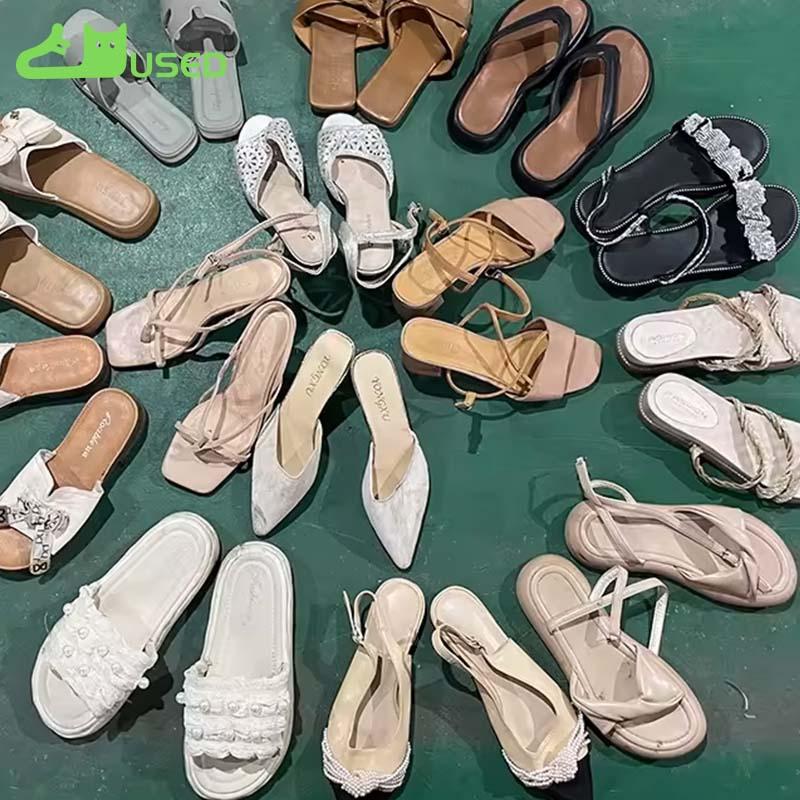
Loafers need careful upper, vamp, seam, heel and sole-edge review. Sneakers add outsole zones, static geometry, closure and lining fields. Heels require heel attachment, tip, balance on a level surface, upper support, outsole and interior observations. Use non-destructive checks.
For every lane, record ready candidate, limited preparation, quoted service, evidence hold and decline. Track minutes and provider capacity by operation. A polished loafer, clean sneaker or bright red outsole does not establish structure, authenticity, comfort, safety or remaining life.
upper shape seam edge and finish
outsole geometry closure and interior
attachment tip static form and upper
observable condition without performance claim
The board makes category balance an evidence and capital decision rather than a supplier percentage.
| Portfolio lane | Required record | Exposure control | Review signal |
|---|---|---|---|
| Loafers | Form marked sizes upper heel and sole route | Pair cost and work cap | Yield age and markdown |
| Sneakers | Model group size outsole geometry and interior | Preparation and return cap | Questions outcomes and reasons |
| Heels | Heel form attachment tip upper and static check | Repair and calendar cap | Provider time and release |
| Specialist/unresolved | Evidence conflict accessory or unusual form | Hold owner and deadline | Resolve transfer or decline |
| Packages | Lane size route count protection and position | Substitution limit | Arrival variance by cell |
A mixed lot is balanced when each category earns its own allocation from documented yield and channel records.
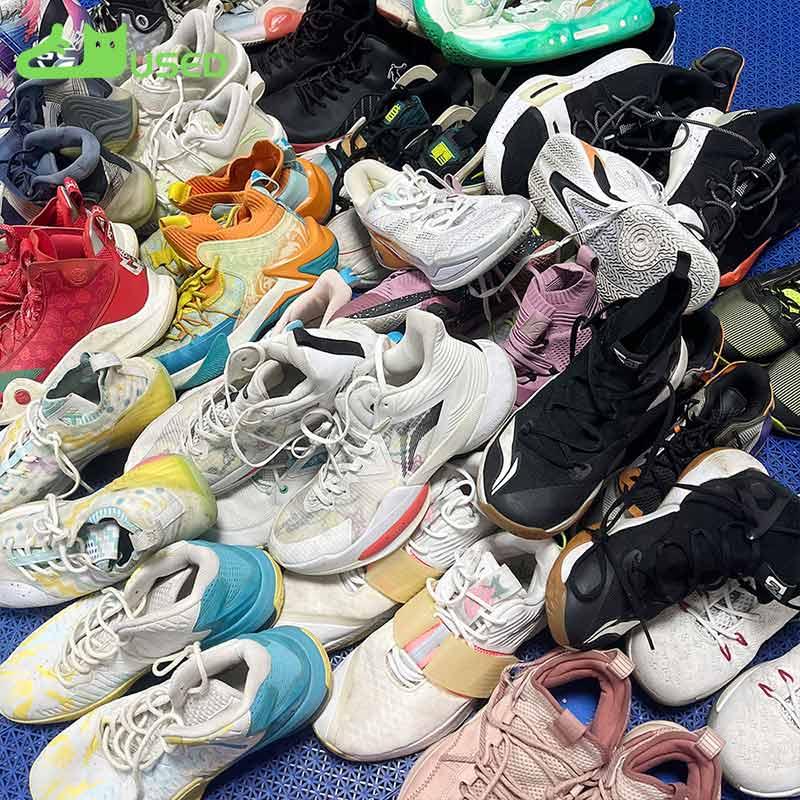
Calculate landed cost, evidence review, inspection, preparation, repair, photography, listing, return handling and held capital against complete released pairs in each category. Show service, holds, singles and declines in the denominator downside.
Set a maximum cost and pair count for each category-size-channel cell. The buyer may favor a lane only when completed local outcomes, stock age, markdowns and return reasons support it. Asking prices and supplier percentages are context, not allocation proof.
complete released pairs by lane
minutes materials and provider burden
stock age markdown and return
pair money and date cap
Use package marks tied to category, size band, physical route, count, weight basis, protection and approved substitutions. Loafers, sneakers and heels may require different shape support, abrasion barriers and compression limits. Keep evidence holds away from released stock.
Reconcile the package map with the accepted portfolio before loading. A headline total cannot reveal whether a slow heel cell displaced a requested sneaker size or whether fragile uppers carried excessive pressure. Record load position for package-linked receiving review.
mark lane size route and count
category-specific shape and abrasion rule
preapproved cell and limit
portfolio totals and load position
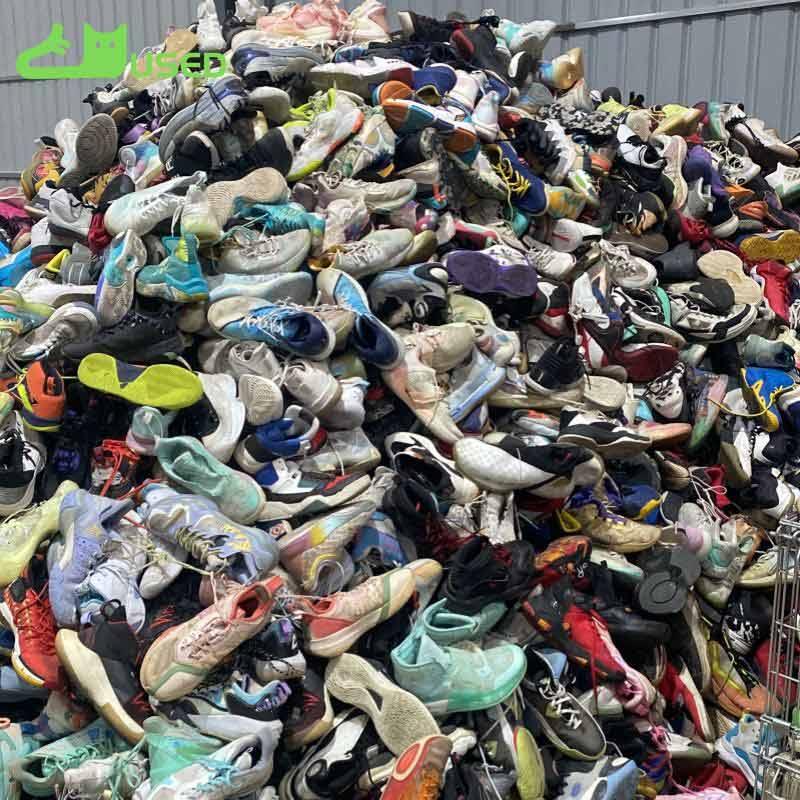
Before cleaning, replay package, pair, category, marked size, condition and claim status. Record substitutions, compression, damage, missing accessories and work variance. Compare actual released yield and workload with the accepted cell.
After an agreed review period, read completed outcomes, stock age, markdowns, customer questions and reason-coded returns by category and size. Increase, narrow, transfer or stop one cell. Preserve the original arrival record rather than rewriting a weak allocation as a successful mix.
package category size and route variance
yield work cost and delay
age outcome markdown and reason
one documented cell change
It can hide category sizes work burden and unresolved stock.
No. Build category-specific cells from the buyer's records.
No. Claim evidence and physical condition are reviewed separately.
Use pair money workload and review-date caps.
One category-size-channel allocation supported by package and outlet evidence.
Used Prada shoes need a category portfolio that keeps loafers, sneakers, heels and unresolved stock economically distinct. The used Prada shoes wholesale category provides the focused product context; separate size curves, workload caps, traceable packages and receiving evidence govern allocation. Use the page inquiry form to request current category counts, marked-size cells, condition routes and packing options.

Direct Factory Supplier of Used Shoes For African Markets In China
 Tel: +8618606960861
 Email: info@usedshoeswholesale.com
 MP/WhatsApp: +8618606960861
 Manufacturer Address:Cizao Town, Jinjiang City, Quanzhou City, Fujian Province