Author:Used Wholesale Manufacturer TIME:2026-08-26
Jimmy Choo occasion-arrival clock
Occasion footwear should be scheduled from the buyer's destination calendar backward, not from a supplier's broad seasonal promise. Second hand Jimmy Choo shoes need a named release date for each buyer-defined event cell, followed by time allowances for evidence review, inspection, repair quotation, approved work, packing, freight, customs handling where applicable, receiving, photography and store release. The calendar does not claim market demand. It limits exposure when a pair may arrive after the channel can use it.
List the buyer's actual trading or event dates, required in-store or live-listing date, channel, planned review date and last useful arrival date. Use the buyer's records; do not present generic weddings, holidays or evening events as guaranteed demand.
Create cells by observable form, marked-size band, physical route and channel. Cap pairs and money for each cell. A broad occasion percentage cannot show whether a particular heel form or size can be prepared before the deadline.
named buyer calendar and source
store listing or specialist route
form size condition and cap
last useful arrival and decision date

Record heel attachment, tip, shaft, static alignment, mate variance and previous work using non-destructive methods. Review upper cuts, stains, seams, closures, lining, insole and sole condition independently. Uncertain structure moves to specialist hold or decline.
Count embellishments or hardware where practical and capture close views of missing, loose or mismatched details. Do not promise safe wear, authenticity or original condition from appearance. Claim support, physical release and cosmetic work have different owners.
attachment tip shaft and static form
surface seam closure and lining
present loose missing and mate variance
no safety authenticity or life claim
Start at the required store-release date and subtract photography and listing, receiving inspection, local transport, destination processing, freight, packing, approved repair, quotation and evidence review. State whether durations are confirmed, estimated or buffered.
Add decision gates before repair commitment and freight booking. The latest departure date must include exception time rather than assuming every pair clears immediately. A cell that cannot meet the protected date moves to a fallback before money is spent on speed.
required destination-ready date
owner duration status and dependency
exception and uncertainty allowance
latest work and departure decision
The clock shows which evidence and task must close before each protected date.
| Clock stage | Input | Protected date | Fallback trigger |
|---|---|---|---|
| Event cell | Buyer calendar channel form size and cap | Destination release | Weak or missing local evidence |
| Physical gate | Heel detail upper interior and route | Repair decision | Structural or claim hold |
| Work | Provider scope cost capacity and finish | Pack-ready date | Scope or deadline overrun |
| Freight | Current route cutoff estimate and package | Latest departure | Buffer no longer protected |
| Arrival | Package pair and condition replay | Store or listing release | Transfer hold markdown or stop |
The useful schedule is the one that exposes a late cell before urgency consumes repair and freight money.
For quoted work, record defect, method, material basis, exclusions, provider capacity, price and completion date. Compare a no-work or limited-preparation route with specialist service. Do not approve a task that consumes the protected arrival buffer.
For freight options, obtain current route, cutoff, transit estimate, cost basis, package requirements and known handoff points from the responsible providers. The page does not promise a delivery time. Choose a route only when the total calendar and downside remain acceptable.
scope provider cost and finish date
current quote cutoff route and basis
responsibility and evidence point
total clock cost and downside
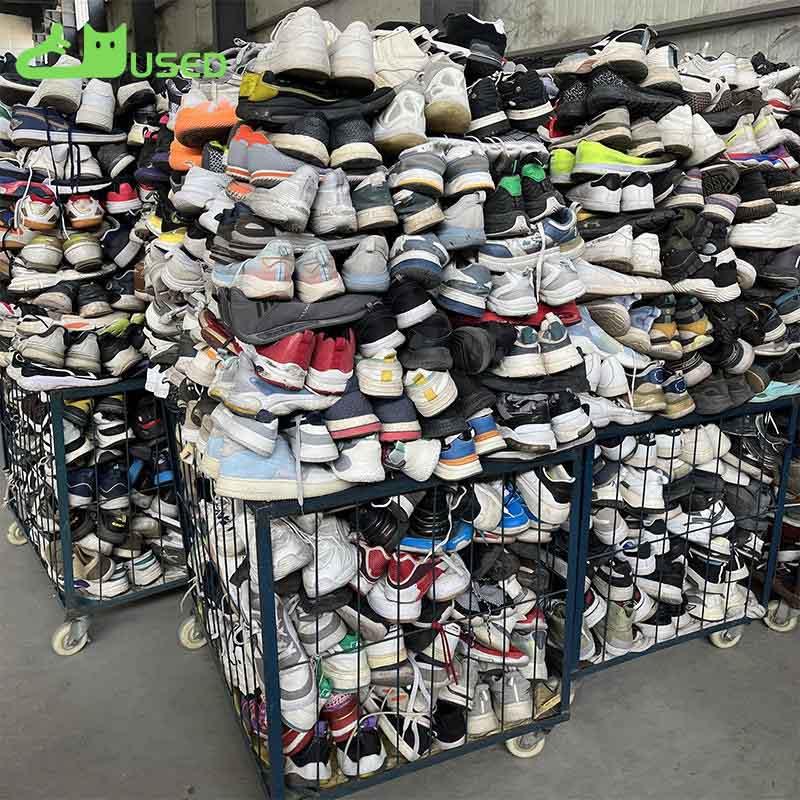
Link pair codes to package marks, cell, marked size, condition route, protection and approved substitutions. Define heel and toe support, abrasion barriers, detail containment, closure position, moisture plan and compression limits from accepted physical evidence.
Record package dimensions, defined weight basis, count and loading position. Keep repaired, evidence-hold and declined pairs separated. At receiving, inspect package and pair state before preparation so transit variance does not become an unexplained repair delay.
cell size route and package
heel shape detail abrasion and moisture
mark count weight and position
untreated package-linked comparison
Before purchase, define what happens when a cell misses a decision gate: transfer to an evergreen occasion lane supported by buyer evidence, hold for a named future date, use a controlled markdown, return under an agreement or stop. Include storage and capital cost.
After the selling window, review released yield, preparation time, actual arrival, stock age, outcomes, markdowns and reason-coded returns. Change one form-size cap, repair deadline, freight buffer, package rule or fallback. Do not treat one event result as a universal forecast.
missed work departure or arrival gate
transfer hold markdown remedy or stop
yield time age outcome and return
one calendar control
No. Use the buyer's named channel dates and completed records.
Pairs with uncertain heel structure, components or prior work.
No. Recalculate the entire clock, cost, handoffs and downside.
Use pair-specific containment, abrasion barriers and package records.
One size-form cap, work deadline, buffer, package rule or fallback.
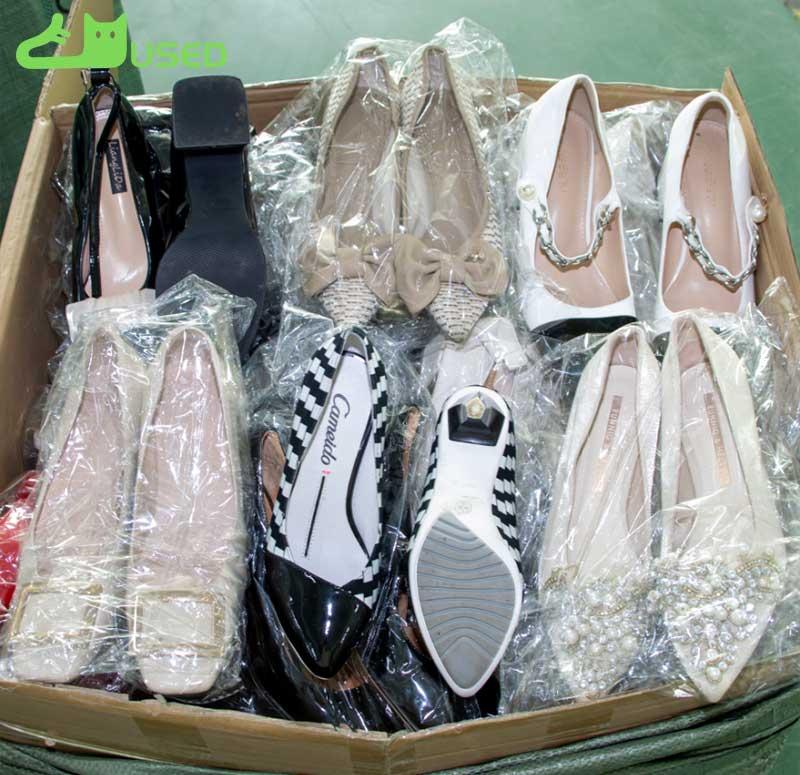
Second hand Jimmy Choo shoes need a buyer-calendar clock that protects inspection, repair, freight and release decisions. The used women's shoes wholesale category provides the broader women's footwear context; named event cells, structural stops, traceable packing and written fallbacks limit late-stock exposure. Use the page inquiry form to request current heel-form groups, marked-size cells, condition views and packing choices.

Direct Factory Supplier of Used Shoes For African Markets In China
 Tel: +8618606960861
 Email: info@usedshoeswholesale.com
 MP/WhatsApp: +8618606960861
 Manufacturer Address:Cizao Town, Jinjiang City, Quanzhou City, Fujian Province