Author:Used Wholesale Manufacturer TIME:2026-09-10
Puma assortment lanes for wholesale buyers
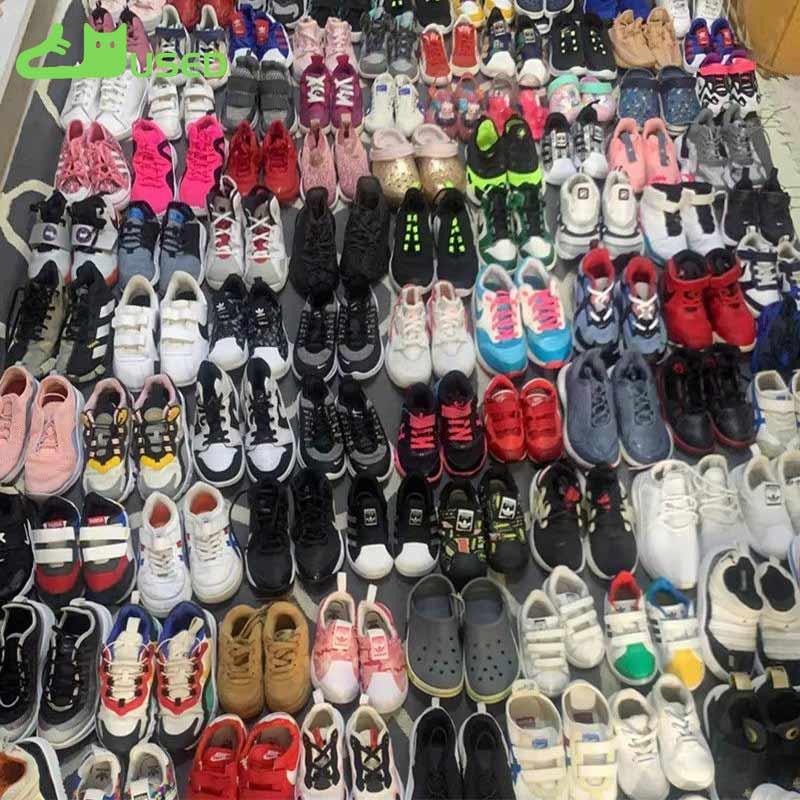
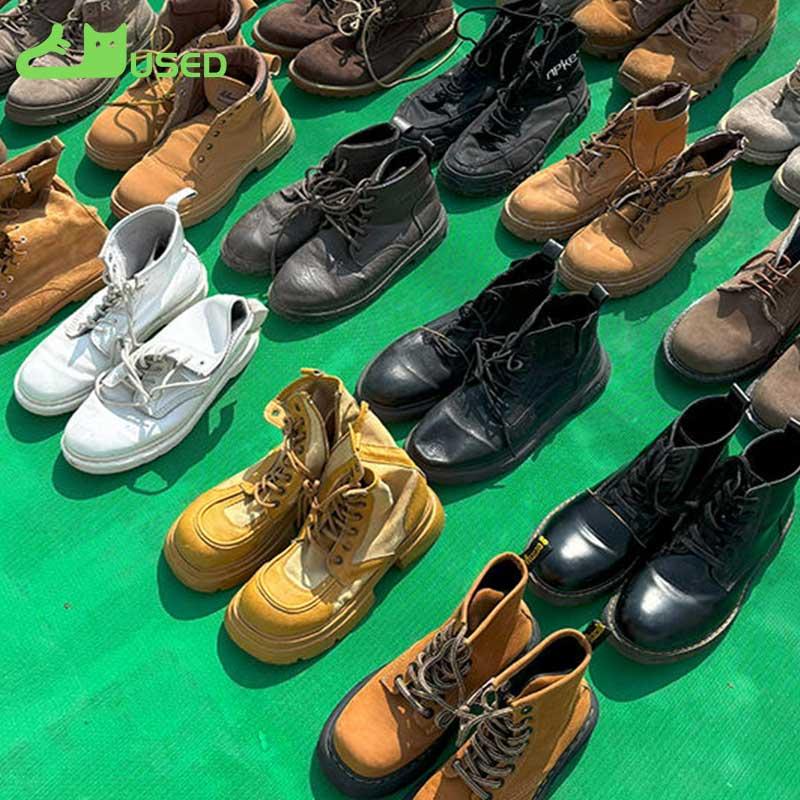
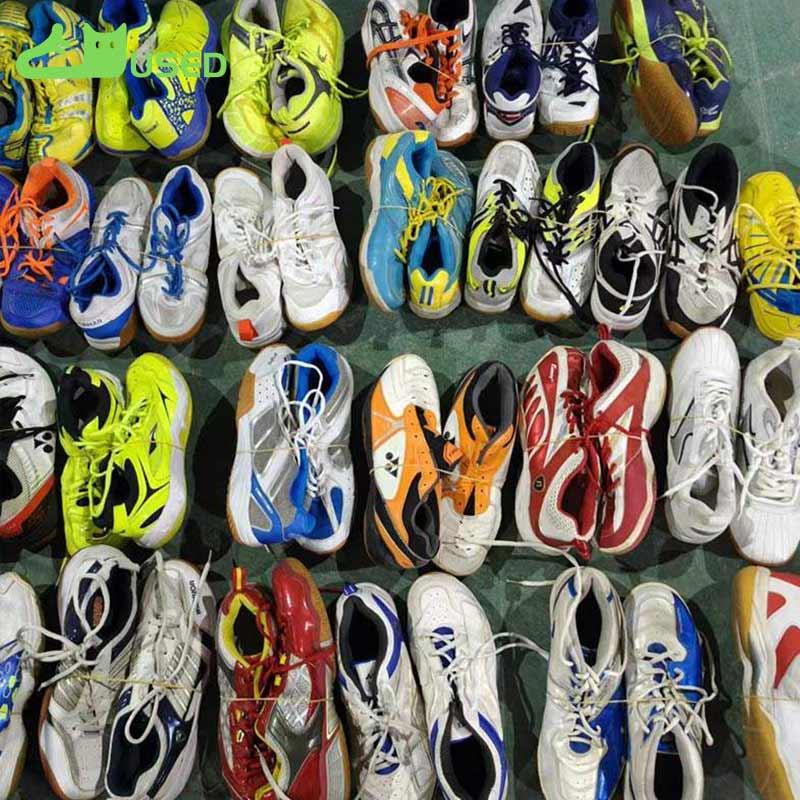
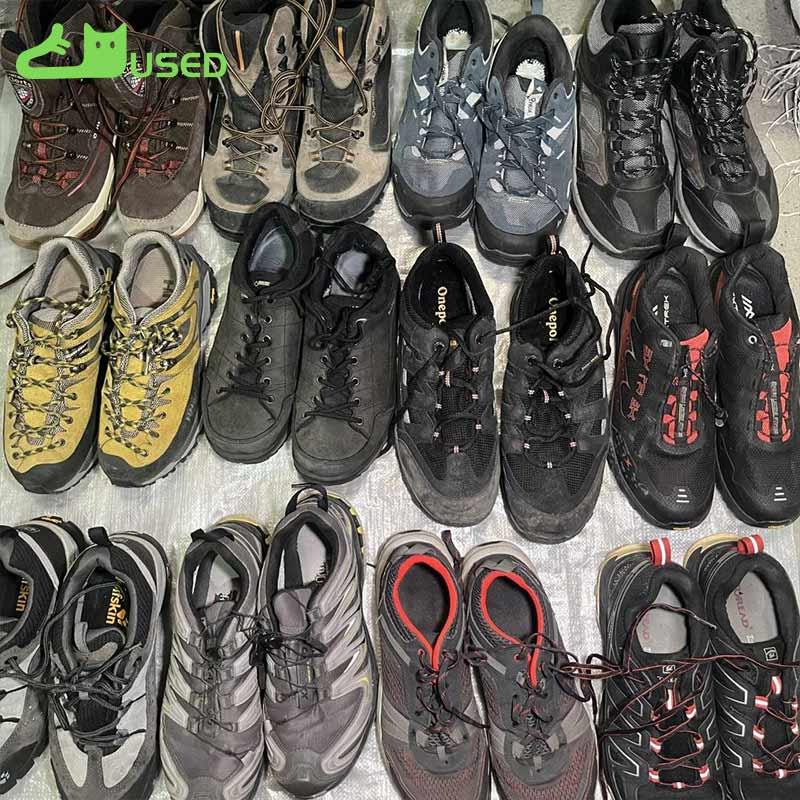
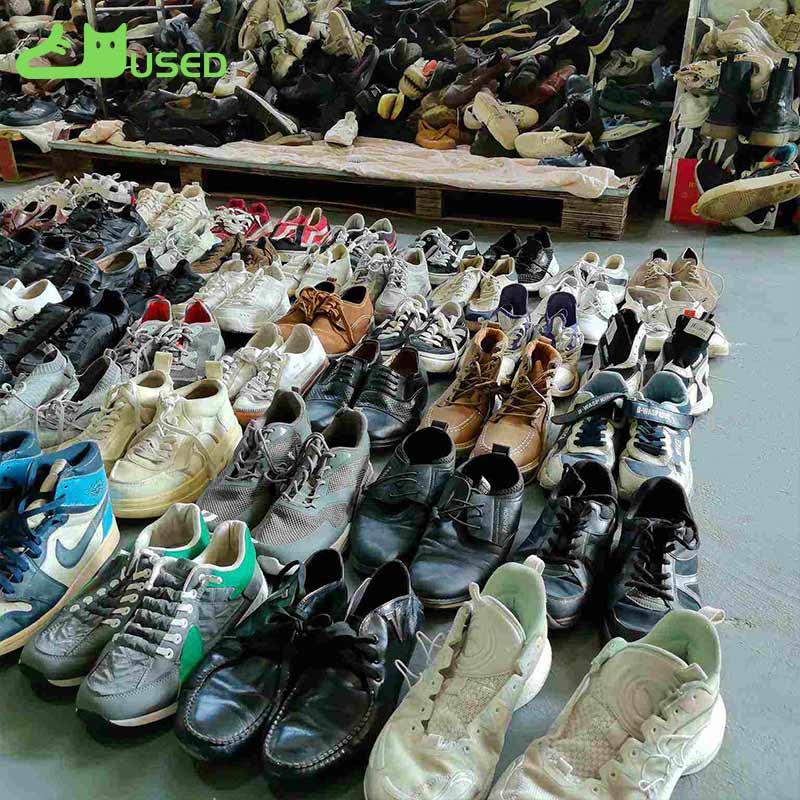
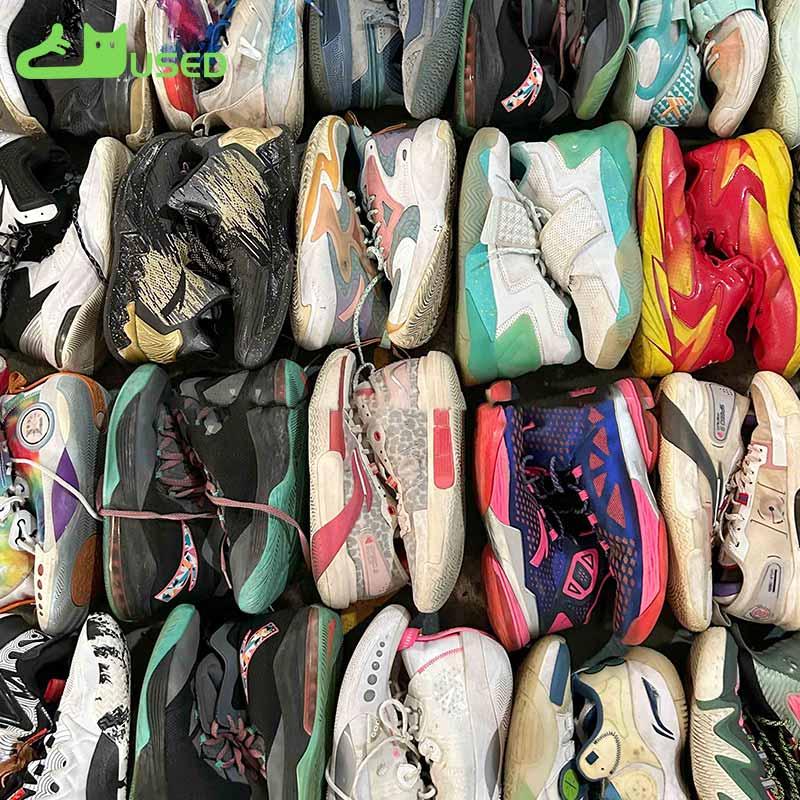
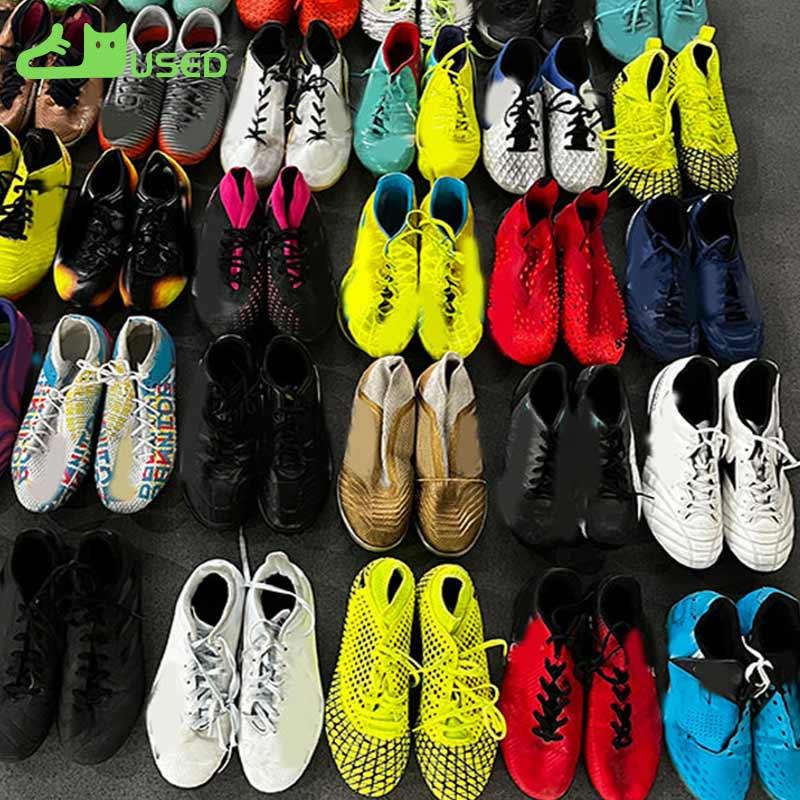
Used Puma shoes for sale should not enter one generic branded-sneaker pile. A wholesale buyer may receive running-styled shoes, court-shaped pairs, school-ready casual forms, higher collars, slip-on constructions, or other visible designs. Those shapes create different inspection, preparation, display, and size-mix work, but appearance alone does not prove a sport, model, authenticity, comfort, safety, or remaining performance. The useful buying plan names observable construction lanes, counts complete pairs after holds, and connects each released lane to a real resale job. Brand recognition can support a question; it cannot replace current-stock evidence or condition control.
Start with what can be recorded: collar height, closure, upper panel arrangement, midsole profile, outsole pattern, marked size, color group, and pair completeness. Use neutral names such as low casual, running-styled, court-shaped, or higher-collar instead of assigning technical use from appearance.
Write permitted and excluded lanes for the actual order. If a buyer needs school stock, define practical acceptance fields such as complete closures, manageable colors, readable size marks, and a stated condition ceiling. A search suggestion or familiar logo cannot establish the quantity that a named outlet will sell.
observable construction
readable pair and size
intended resale lane
no performance inference
At opening, retain the bale or carton code and give each shoe a temporary item reference before rematching or cleaning. Compare left and right marked size, model-related visible fields, color, material appearance, wear pattern, and construction. Record singles, conflicts, and proposed rematches separately.
A visual pair can still be unresolved when labels conflict or supporting product evidence is incomplete. Keep condition grading separate from identity review. Only complete, traceable pairs should enter the available size curve; gross pieces and loose shoes remain different commercial units.
bale or carton code
left-right field match
single or conflicting evidence
released pairs only
Follow the parts that determine ordinary wearability. Compare heel and forefoot wear between mates, inspect sole edges and flex joins, test laces or other closures, and check eyelets, collar lining, heel support, insole condition, odor, and upper damage. Record surface marks separately from structural failure.
Do not convert tread appearance into a traction statement or midsole shape into a cushioning promise. Create written ready, preparation, restricted, evidence-hold, and decline reasons. A recognizable pair with an open bond or failed closure should not stay in a premium lane because of the name alone.
zone and mate balance
bond and flex condition
parts and function
lining insole and odor
The board keeps construction, evidence, route, and value in one decision record.
| Lane field | Required record | Release decision | Guardrail |
|---|---|---|---|
| Construction | Collar closure upper midsole outsole | Name lane | No sport inference |
| Pair | Mate marks size and wear | Release or hold | No gross-piece shortcut |
| Condition | Structural cosmetic interior and work | Ready prepare restrict decline | No brand override |
| Channel | Named outlet stock age and outcome | Allocate or test | No universal ratio |
| Value | Landed burden divided by released pairs | Price or stop | No packed-count margin |
A useful assortment is the set of released cells a buyer can explain, receive, and measure again.
Use the buyer's own dated stock and completed outcomes where legitimately available. Keep online, shop, stall, school-focused, or other channels separate because they may carry different photography, explanation, preparation, handling, and return burdens. Record current stock age and slow cells as well as completed sales.
Build a matrix of released construction lane, marked-size band, condition route, supported wording, and channel. Where evidence is thin, allocate a smaller test rather than claiming a universal ratio. Supplier availability should be compared with the target cells before packing, not used to redefine demand after the fact.
lane size and condition
named selling job
dated local record
bounded uncertain cell
Separate product cost, freight allocation, inspection, pairing, cleaning, lace or insole completion, downgrade, evidence review, storage, and selling work. Divide the attributable burden by the pairs released to each lane rather than by packed kilograms or optimistic gross pair count.
Use condition-matched completed outcomes from the intended channel when available, while keeping asking prices separate. Give singles, unresolved pairs, structural rejects, and over-cap preparation their own downside route. This prevents a small group of attractive pairs from hiding the cost of the rest of the load.
landed and direct work
released pairs by lane
hold reject and slow stock
condition-matched route
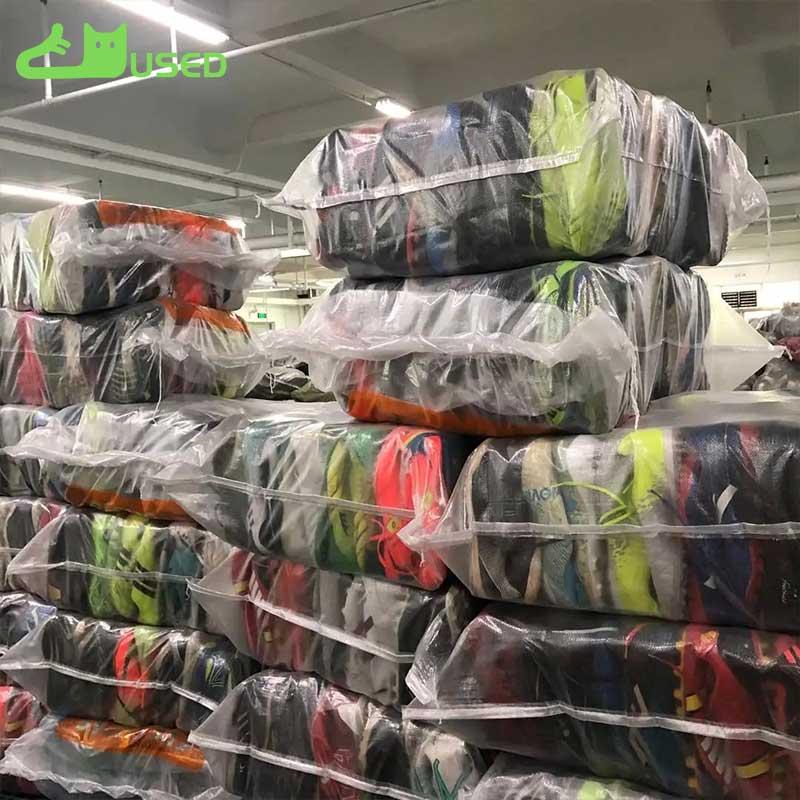
Keep mates together, protect collars and shaped uppers, isolate dirty outsoles from light materials, and label each unit with source code, released pair count, construction cells, marked-size summary, holds, gross weight, and packing time. Reopen a reference unit before loading to check count and compression effects.
At arrival, reproduce pairing, lane, size, and condition checks before merging stock. Compare source and receiving variance by package. After a full selling period, change one target cell, preparation ceiling, size tolerance, or packing rule from recorded yield, stock age, returns, and work burden.
mates form and transfer control
counts cells holds and weight
package-linked variance
one evidence-led change
No. Describe observable construction and keep technical or identity claims in their own evidence route.
Use complete released pairs after pairing, condition, and evidence holds.
Only when the buyer's channel evidence and direct work support the same lane; otherwise keep them separate.
Record their recovery or downside route and do not divide landed burden by an optimistic pair count.
Use package variance, released yield, work time, stock age, returns, and completed outcomes by cell.
Used Puma shoe buying becomes controllable when the offer is expressed as construction, pair, size, condition, and channel cells. The used sneakers wholesale category provides the broader product context; current-stock evidence, released yield, route burden, coded packing, and receiving variance govern the order. Use the page inquiry form to request current pair views, size-cell counts, grade reasons, and packing details.

Direct Factory Supplier of Used Shoes For African Markets In China
 Tel: +8618606960861
 Email: info@usedshoeswholesale.com
 MP/WhatsApp: +8618606960861
 Manufacturer Address:Cizao Town, Jinjiang City, Quanzhou City, Fujian Province