Author:Used Wholesale Manufacturer TIME:2026-09-12
Saucony midsole inspection bench
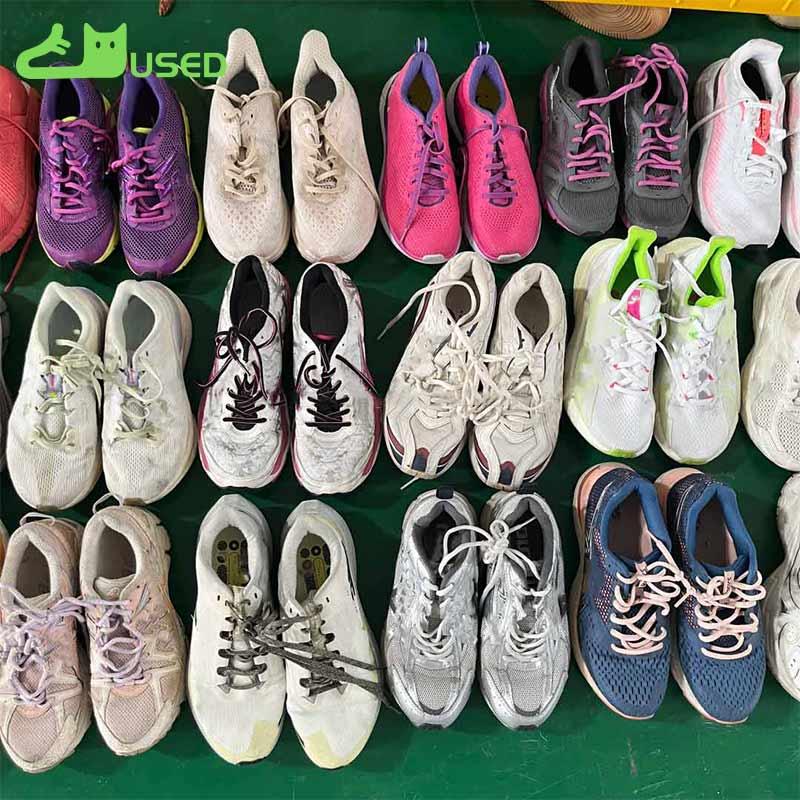
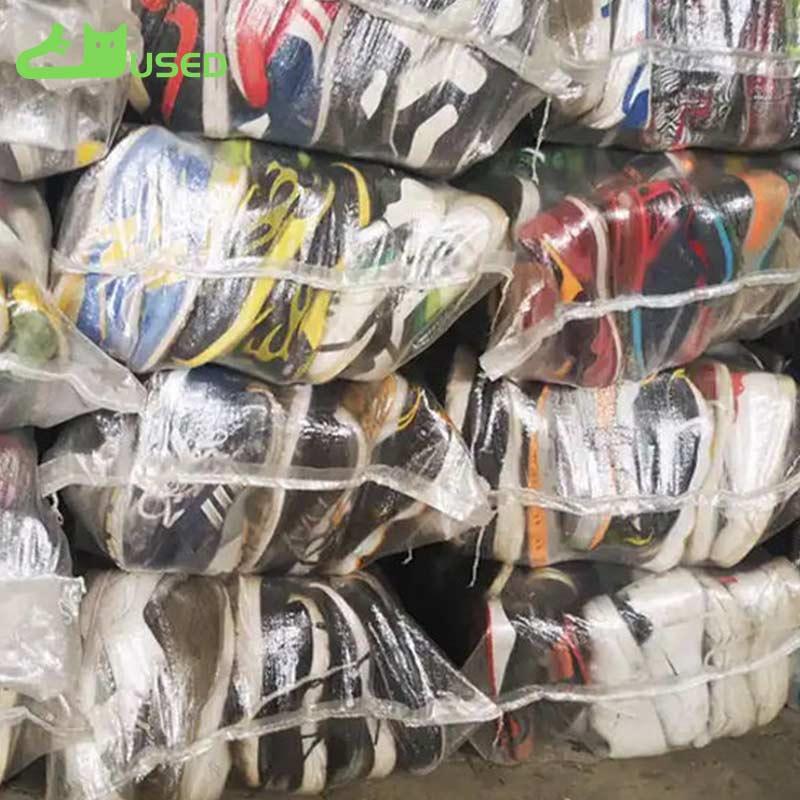
Saucony shoes used for sale may arrive with clean uppers while midsoles and outsoles show very different histories. A buyer usually cannot verify prior mileage, storage history, cushioning life, medical suitability, running safety, or future performance from appearance. The practical inspection therefore uses repeatable observations: mate alignment, sidewall shape, local compression, outsole wear zones, upper joins, heel structure, interior condition, and readable size or model fields. Those observations support conservative release lanes and a size-run plan; they do not create a performance certificate. The same bench method should be applied before packing and at receiving.
Define the intended resale description and list unsupported claims before inspection begins. Observable condition can document shape, wear, joins, marks, and response under a modest standardized handling check, but it cannot reconstruct mileage or promise cushioning, injury prevention, fit, traction, or safe technical use.
Keep model or product evidence separate from physical grade. When history is unknown, use conservative language and an evidence hold where the intended description requires more support. This makes the release decision understandable without overstating the test.
shape wear and joins
mileage and storage history
limited supported wording
physical grade plus evidence status
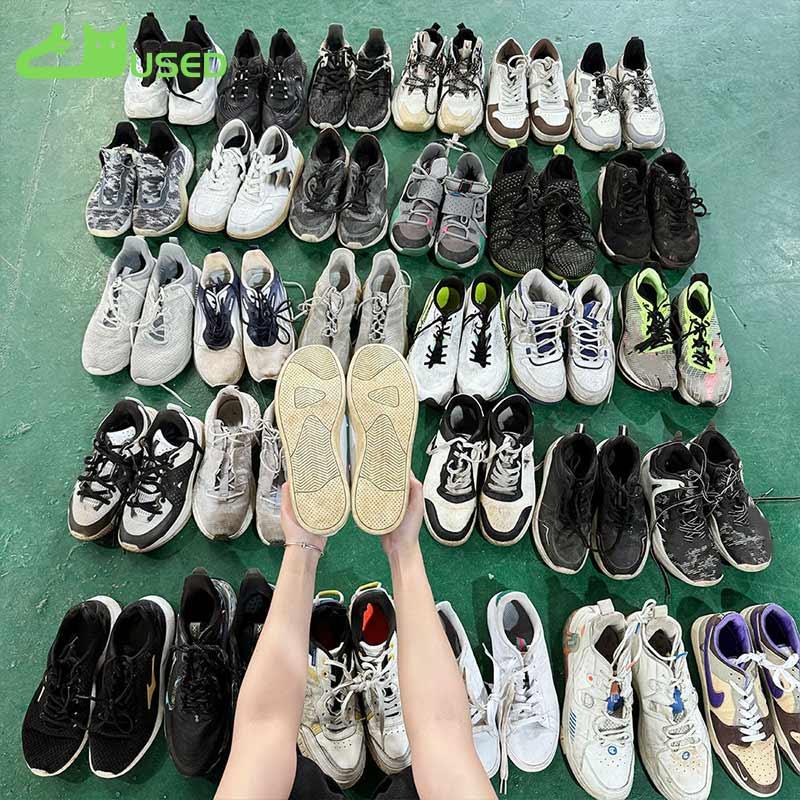
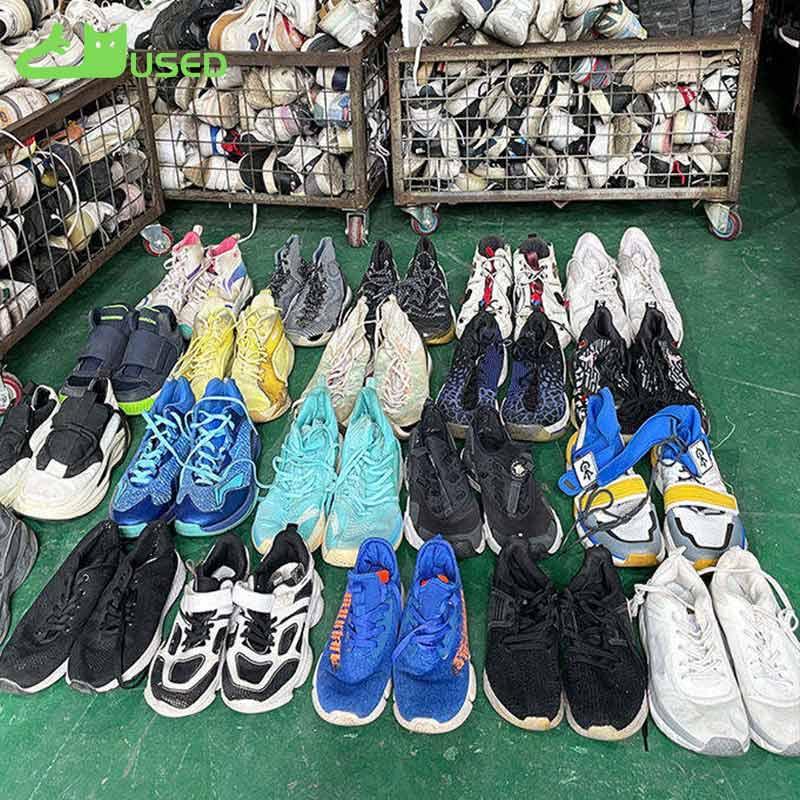
Place both shoes on the same level surface under consistent light. Record side views, rear alignment, outsole zones, and marked fields. Compare left and right sidewall height, creasing pattern, lean, heel shape, forefoot flexibility, and any visible separation. Use the same gentle handling sequence for every sampled pair.
Do not use destructive bending or invent a numeric life score. Record observations and reason codes instead. A pair with strong asymmetry, permanent tilt, open bonding, collapsed structure, or conflicting marks should enter the written hold or decline route even if its upper photographs well.
level surface and fixed views
left-right shape and wear
bounded repeatable sequence
specific observation reason
This table turns observations into controlled routes without claiming mileage or remaining performance.
| Bench stage | Record | Route use | Claim limit |
|---|---|---|---|
| Setup | Surface light views and pair code | Repeatable sample | No lab certification |
| Midsole | Shape lean creasing and mate balance | Ready restrict hold decline | No mileage estimate |
| Cross-check | Outsole upper heel and interior | Confirm reason | No traction or comfort promise |
| Size run | Released complete pairs by marked band | Allocate test or stock | No search-volume ratio |
| Receiving | Same method by package | Accept expand inspect or claim | No overwritten source record |
The bench is useful because it is bounded, repeatable, and tied to released inventory rather than a guessed service life.
Read outsole wear by heel, lateral and medial zones, midfoot, and forefoot, then compare it with the midsole record. Inspect toe flex, sole edge, upper panels, laces, eyelets, collar, heel counter, lining, insole, odor, and repairs. One isolated view should not determine the route.
Separate cleanable surface issues from structural or open-history concerns. Document what preparation is permitted, how long it may take, and which observations require reinspection. Visible tread is a condition field, not proof of grip.
zone map and mate difference
joins closure and damage
heel and collar observation
lining insole odor and work
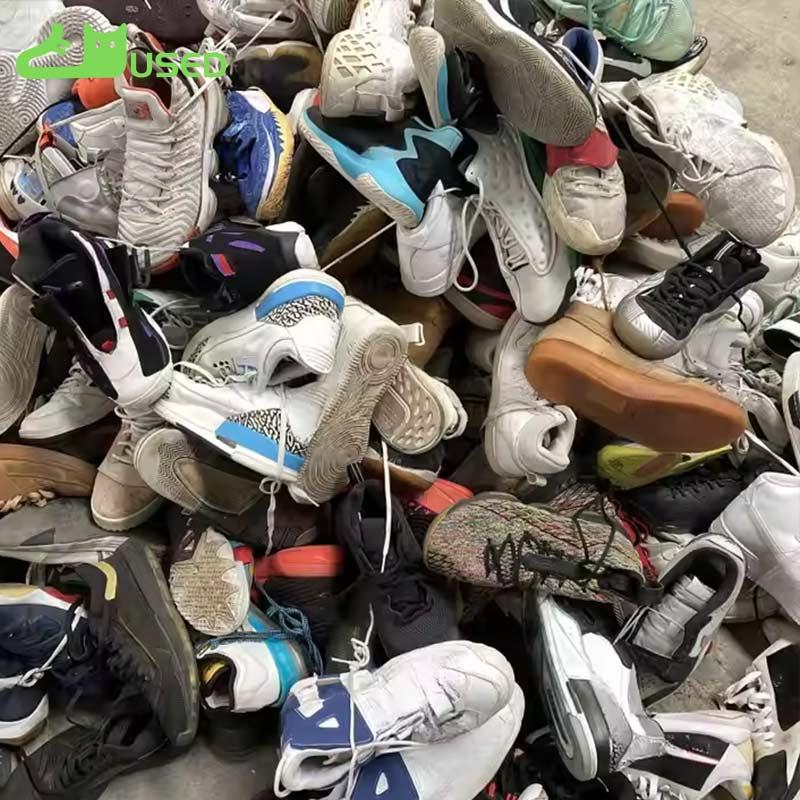
Read both mate labels and record marked size, model-related visible fields, and conflicts. Count complete released pairs by size band and condition lane. Keep singles, unresolved mates, preparation holds, and structural declines outside the available curve.
Compare the released run with dated stock and completed outcomes from the buyer's actual channel where available. A broad running-shoe search suggestion cannot set the size ratio. Where the buyer lacks a reliable history, use a small cell test and an early review instead of a full-range assumption.
both mates readable
released pairs by band
dated local evidence
bounded uncertain size cell
Allocate product cost and freight by the commercial method, then add inspection, sorting, cleaning, drying, completion, evidence review, storage, markdown, and return burden to the affected lane. Divide by released pairs, not packed pair claims.
Use condition-matched completed outcomes when legitimately available. A restricted everyday-use description should not borrow the value of a technical-performance promise. Keep unresolved and decline routes in downside analysis so an attractive small cohort does not make the whole lot appear profitable.
closed ordinary release
limited supported description
time-capped preparation
hold decline and slow cells
Tie sample pairs to package codes and packing positions. At receiving, use the same surface, views, mate comparisons, reason codes, and size-run rules before stock is merged. Record source and arrival observations separately rather than overwriting the earlier file.
Compare released yield, work hours, size-cell movement, markdown, returns, and package-linked variance after a complete cycle. Change one sample depth, observation override, preparation ceiling, size-band target, or packing protection rule. Repeating the same method matters more than adding an unsupported precision score.
pair to package position
same bench and codes
yield work age and return
one effective-date change
No. Record the observation but do not convert it into an unsupported mileage estimate.
It helps expose asymmetry and makes repeated observations more consistent.
No. Tread appearance is a condition field, not a traction or performance certificate.
After pairing, condition, preparation, and evidence holds have been removed.
Use package variance, released yield, direct work, size-cell outcomes, markdowns, and accurately recorded returns.
Saucony wholesale grading should communicate observable condition and uncertainty, not reconstruct a mileage history. The used sneakers wholesale category provides the broader sneaker context; repeatable mate comparison, cross-zone inspection, released size runs, route economics, and package-linked receiving evidence control the buy. Use the page inquiry form to request current pair views, marked-size counts, observation reasons, and packing references.

Direct Factory Supplier of Used Shoes For African Markets In China
 Tel: +8618606960861
 Email: info@usedshoeswholesale.com
 MP/WhatsApp: +8618606960861
 Manufacturer Address:Cizao Town, Jinjiang City, Quanzhou City, Fujian Province