Author:Used Wholesale Manufacturer TIME:2026-09-16
Clarks office and casual resale split
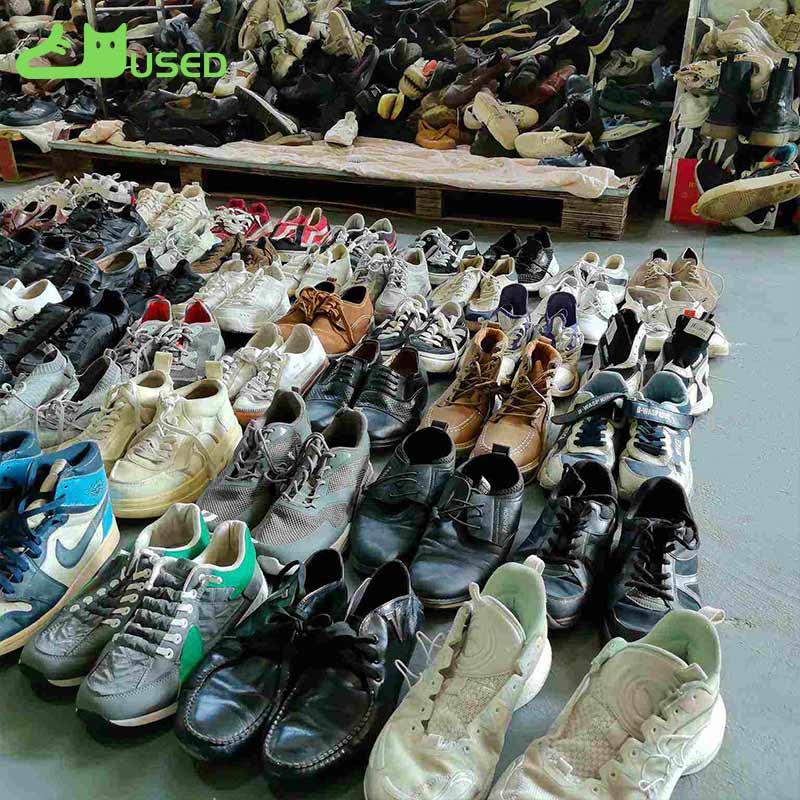
Used Clarks shoes for sale should be divided by the selling job the physical pair can support, not placed in one uniform brand lane. Office-oriented lace-ups, slip-ons, ankle forms, and casual constructions may require different presentation, sizing, preparation, and explanation. The buyer should name those visible forms without promising comfort, orthopaedic benefit, leather grade, authenticity, or a specific model unless separate evidence supports the wording. A practical split combines pair condition, marked size, preparation burden, and the target outlet's own inventory records.
Write the office lane around observable needs such as restrained colors, complete closures, manageable surface condition, readable sizing, and a stated presentation ceiling. Write the casual lane around its own visible constructions and outlet requirements. Do not classify a pair from the logo alone, and do not assume that every buyer or market uses the same office dress code.
Set an evidence source for each quantity decision. Dated stock, completed condition-matched outcomes, customer questions, returns, and preparation logs can support a local assortment. Search suggestions can identify language people use, but they do not supply a universal ratio. Keep uncertain cells as small tests rather than filling a carton with an unsupported balance.
restrained presentation route
named everyday display route
bounded uncertain cell
unresolved evidence
Record shoe form, closure, upper appearance, panel joins, toe shape, collar, lining, insole, heel structure, sole profile, outsole pattern, marked size, and pair completeness. Use terms such as lace-up, slip-on, low casual, or ankle form. Avoid turning visible construction into a claim about comfort, foot health, workplace suitability, material quality, or durability.
Compare mates for size, color, shape, wear, and previous repair. Check sole edges and flex areas, heel wear, closure parts, upper creasing or cracking, lining damage, odor, and unstable components. Keep physical grade separate from the office or casual allocation. A clean pair with unresolved marks and a worn pair with clear identity evidence require different records.
form panels and joins
parts and function
lining insole and odor
edge flex and heel wear

List permitted tasks such as surface cleaning, lace completion, removable insole replacement when approved, minor presentation work, or qualified repair review. Estimate minutes and direct materials by pair. An office lane may carry a lower visible-mark ceiling than a casual lane, but that rule belongs to the buyer's outlet plan rather than to a universal grade definition.
Create ready, prepare, restricted-description, evidence-hold, repair-review, and decline routes. Record the reason instead of using only Grade A or Grade B labels. A broad grade name can travel with the shipment, but pair-level reasons explain why stock entered a lane and make supplier disputes easier to isolate.
no planned work
bounded task and minutes
limited wording or display
outside written ceiling
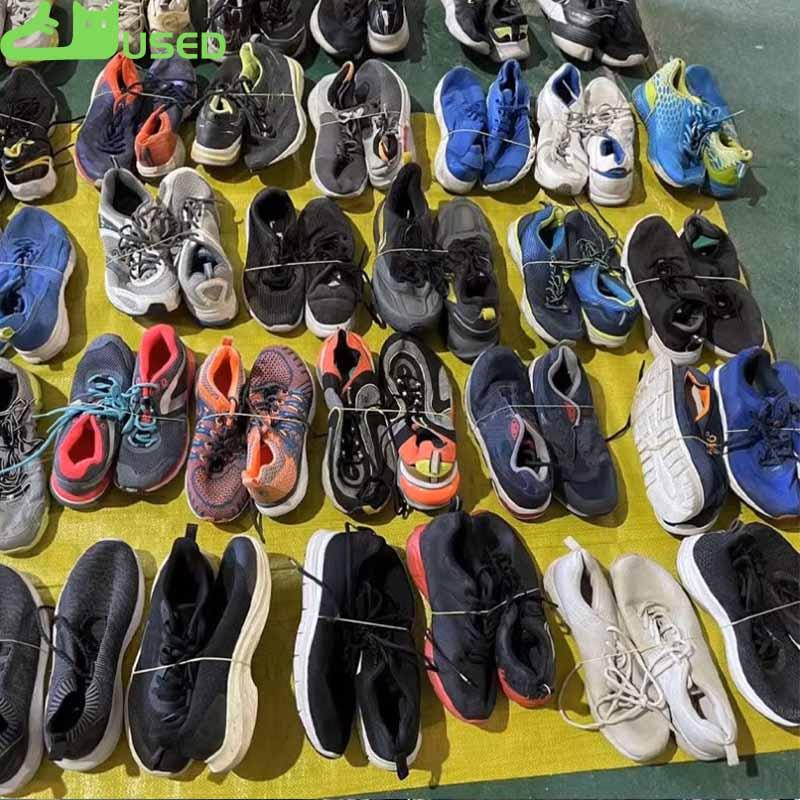
Use separate lane fields so presentation and stock-age evidence remain visible.
| Field | Office lane | Casual lane | Stop condition |
|---|---|---|---|
| Construction | Named lace-up, slip-on, or ankle form | Named casual form | Unclear substitution |
| Presentation | Buyer-set mark and work ceiling | Separate route ceiling | Over-cap work |
| Size | Released marked-size cell | Released marked-size cell | Mate conflict |
| Channel | Dated office-stock record | Dated casual-stock record | No local evidence |
| Cost | Lane yield and direct work | Lane yield and direct work | Gross-count shortcut |
The lane matrix supports a controlled assortment without claiming one universal office or casual mix.
Cross office or casual lane with marked size, width marking where present, condition route, color group, and preparation burden. Count only complete released pairs. Review current inventory age and completed outcomes for the same outlet. A size cell that already contains old stock should not receive a larger allocation because it is common in a supplier sample.
Use a smaller test for missing evidence, uncommon forms, or cells with high explanation burden. Keep asking prices separate from completed sales and returns. When the buyer operates more than one channel, maintain separate cell records because an online listing process and a physical rack may absorb presentation work differently.
lane size color and route
days in named outlet
completed condition match
add test or pause
Allocate product cost, freight, receiving, pairing, cleaning, preparation, evidence review, storage, markdown, and selling work to each lane. Divide the burden by released pairs assigned to that lane. Do not spread the cost of rejected or long-held stock across optimistic gross counts, and do not let a small premium-looking group subsidise unclear cells.
Model a lower-yield case and a slower-stock case before ordering. The useful comparison is not which lane has the highest visible asking price. It is which lane can be released, prepared, described, and sold through the buyer's actual workflow with acceptable downside when pairs are downgraded or delayed.
released pairs
minutes and materials
storage and markdown
hold reject and slow cell
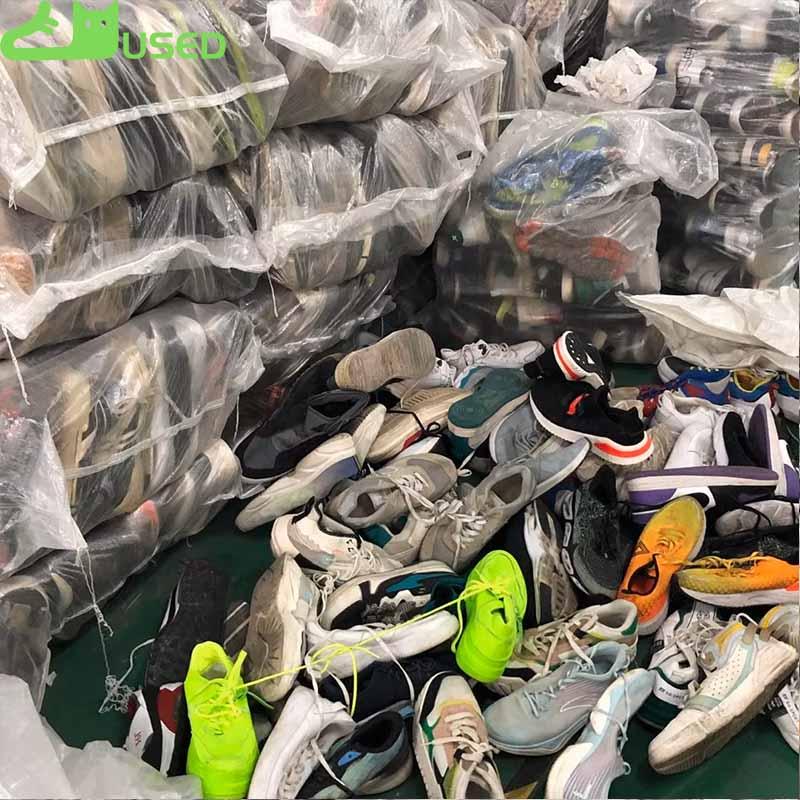
At receiving, reproduce pair, marked-size, construction, condition, and route checks on coded package positions. Record source-to-arrival differences before merging stock. Then track preparation minutes, first listing or rack date, stock age, markdowns, returns, and completed outcomes by lane and cell.
Change one rule for the next shipment: office color ceiling, casual-form mix, size tolerance, work limit, sample depth, or package protection. Preserve the earlier matrix so the buyer can see why the change was made. A repeatable split is a local operating decision built from evidence, not a permanent statement about the brand.
coded variance
work and stock age
office versus casual
one controlled rule
No. Use visible construction, physical condition, marked size, work burden, and the named outlet job.
Only when the buyer's written office criteria are met; retain pair-level reasons behind the grade.
No. Use dated stock age, completed outcomes, and returns for each actual outlet.
Assign time and materials to the lane and divide by released pairs, including downside routes.
Change one evidence-backed variable such as form mix, size tolerance, work ceiling, or sampling depth.
Used Clarks shoes for sale are easier to control when office and casual stock have separate construction, size, work, and channel records. The used men's shoes wholesale options show the wider men's assortment, while released yield, presentation burden, stock age, and receiving variance determine the local office-casual split.

Direct Factory Supplier of Used Shoes For African Markets In China
 Tel: +8618606960861
 Email: info@usedshoeswholesale.com
 MP/WhatsApp: +8618606960861
 Manufacturer Address:Cizao Town, Jinjiang City, Quanzhou City, Fujian Province