Author:Used Wholesale Manufacturer TIME:2026-09-20
Leather finish and release gate
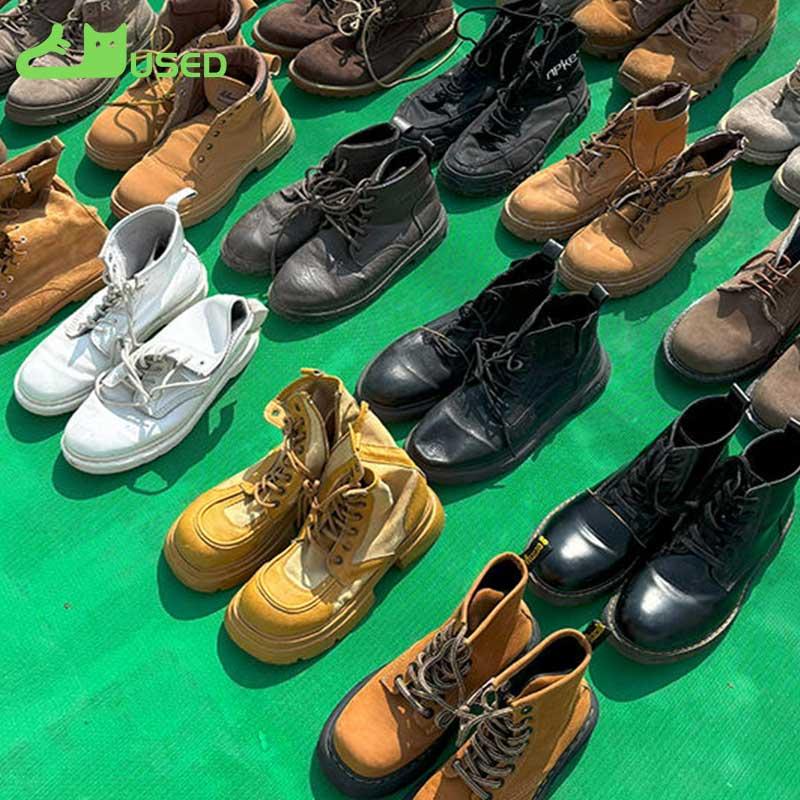
Used leather shoes for sale need a finish-and-condition gate before a bulk order is priced. A smooth upper, a familiar silhouette, or a dark color does not prove leather type, comfort, authenticity, or remaining service life. The useful file records visible surface condition, panel joins, lining, closure, heel and outsole wear, marked size, pair completeness, preparation minutes, and the route for items that cannot be released. That keeps a promising sample from becoming an unbounded grade.
State the permitted shoe forms, visible color range, marked-size bands, condition ceiling, surface-work allowance, accepted repair route, and excluded findings. Ask the supplier to describe what is observable in the current lot rather than accepting a material or quality adjective as a substitute for pair evidence. Keep the gate versioned so a later substitution can be traced.
Define the commercial denominator as complete released pairs. Singles, mismatched mates, unreadable size marks, open structural questions, and pairs over the work ceiling remain outside the released count. A search phrase can show the language used by buyers, but it cannot establish a universal leather grade or a guaranteed selling result.
forms colors and sizes
surface and construction
complete released pairs
open physical question
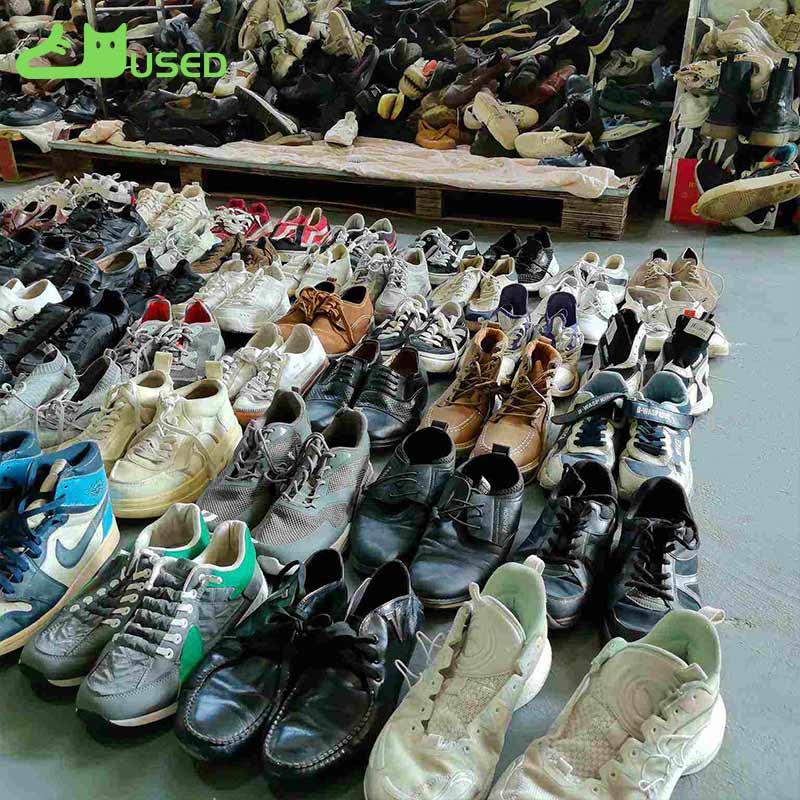
Record scuffs, creasing, peeling, cracking, stains, color transfer, loose panels, edge paint changes, and previous repair marks under each pair code. Compare left and right shoes in the same light. Use plain physical descriptions and keep any material identification in a separate evidence field that requires its own support.
Inspect collar, tongue, lining, insole, closure, heel counter, welt or edge, flex zone, and outsole. Note whether the issue is cosmetic, functional, hygiene-related, or unresolved. Do not let a polished surface hide a loose join, and do not call an ordinary mark structural damage without an observable reason.
finish joins and creasing
lining and odor route
parts and movement
edge flex and heel
Set permitted work such as dry brushing, approved surface cleaning, lace completion, or a qualified repair handoff. Give every task a time and material ceiling. If a pair needs several tasks, count the combined burden. A pair that looks attractive but exceeds the approved clock is not a clean-ready pair.
Use a reason code for every route: ready, prepare, restricted wording, repair review, evidence hold, or decline. Keep the original finding with the pair even after a task is completed. Reinspection closes the work record; it does not erase the earlier condition.
no planned work
bounded task and minutes
qualified decision
outside written ceiling
This table separates what is seen from the route that can be approved.
| File field | Observed record | Hold trigger | Release check |
|---|---|---|---|
| Finish | Scuff, stain, peel or crack | Cause or extent unresolved | Surface review closed |
| Construction | Join, closure, lining and counter | Movement or missing part | Function route closed |
| Size | Marked field and mate agreement | Unreadable or conflicting | Cell count accepted |
| Work | Task, minutes and materials | Over-ceiling burden | Reinspection passed |
| Package | Codes, count and weight | List-to-goods mismatch | Reopen check passed |
A bulk leather lot is ready only when physical evidence, workload, yield, and package records agree.
Cross marked size, shoe form, color burden, condition route, and preparation time. Count only complete pairs whose gate is closed. Keep unclear marks and component conflicts outside the size curve, even when the silhouette appears useful. This protects the buyer from receiving a broad gross number that cannot be displayed or listed.
Compare the released cells with the buyer's dated stock, completed condition-matched outcomes, returns, and stock age where available. Do not turn an asking price or a small attractive sample into a margin promise. A thin evidence cell should remain a small test with a written stop rule.
form size color route
released pair count
dated stock record
low evidence or high work
Allocate product cost, freight, receiving, pairing, cleaning, preparation, qualified repair review, storage, markdown, and selling work to the relevant cells. Divide the burden by released pairs, not by gross pieces. Keep held and declined pairs visible in the worksheet so the denominator cannot quietly improve.
Model a lower-yield case and a higher-work case before approving bulk volume. The decision is whether the buyer can receive, prepare, describe, store, and sell the released cells with an acceptable downside. If a task needs authority or equipment the buyer does not have, assign it to hold rather than inventing a cheap repair route.
minutes and materials
storage and review
closed pairs only
hold or decline
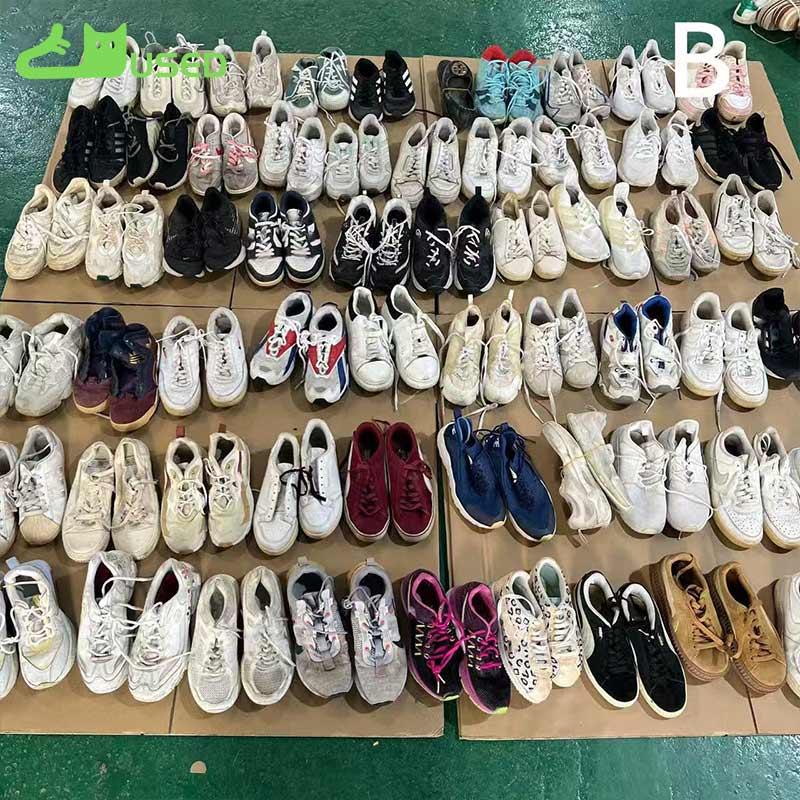
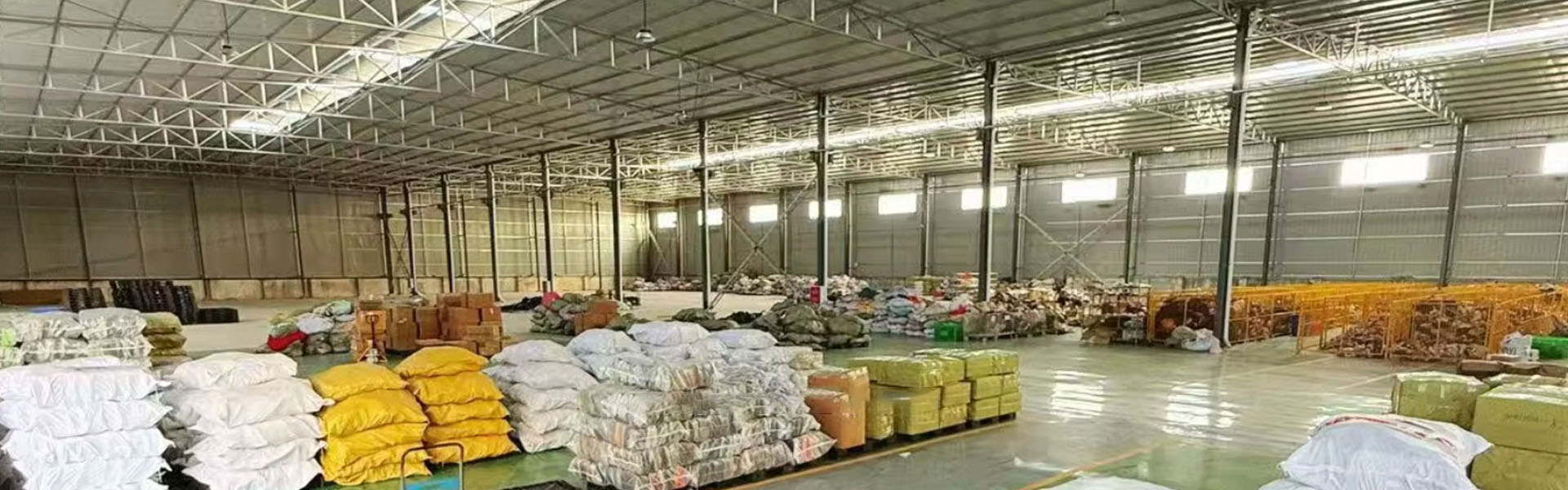
Keep mates together and protect uppers from scuffing against dirty outsoles. The carton map should show pair codes, released count, size summary, route counts, gross weight, packer, and time. Reopen a selected layer before sealing and reconcile the physical pairs against the list.
At arrival, repeat the same surface, component, marked-size, pair, and package checks on coded positions. Record variance without guessing its cause. Change one gate, sample depth, packing method, or work ceiling for the next order from the receiving record and the closed selling cycle.
mates and finished uppers
codes and route counts
selected layer check
one documented change
No. Record visible finish and keep material identification separate unless supported by the approved evidence route.
No. Keep it in preparation, review, hold, or decline until the written route closes.
No. Count complete released pairs and track singles in a separate recovery record.
Use released yield, direct work, receiving, storage, and downside routes rather than gross pieces or asking prices.
Use receiving variance, work minutes, stock age, returns, and completed outcomes to change one written gate.
Used leather shoes for sale become a controlled bulk decision when finish observations, physical limits, work time, released yield, and arrival variance share one file. The used men's shoes wholesale options provide broader men's footwear context, while the written gate determines which pairs can enter the buyer's actual workflow.

Direct Factory Supplier of Used Shoes For African Markets In China
 Tel: +8618606960861
 Email: info@usedshoeswholesale.com
 MP/WhatsApp: +8618606960861
 Manufacturer Address:Cizao Town, Jinjiang City, Quanzhou City, Fujian Province