Author:Used Wholesale Manufacturer TIME:2026-09-24
Football-boot stud and size-balance file
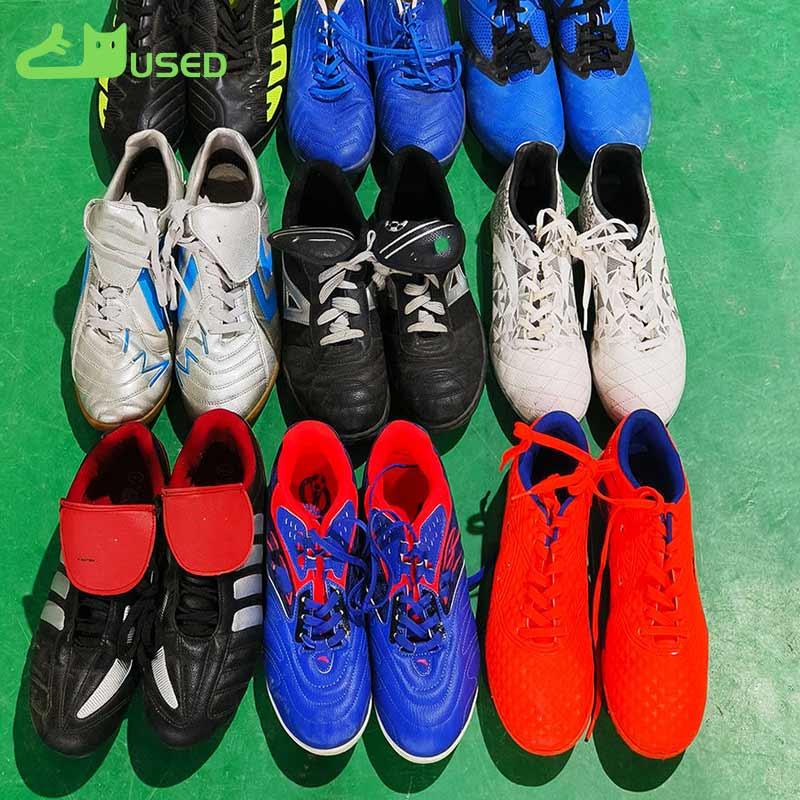
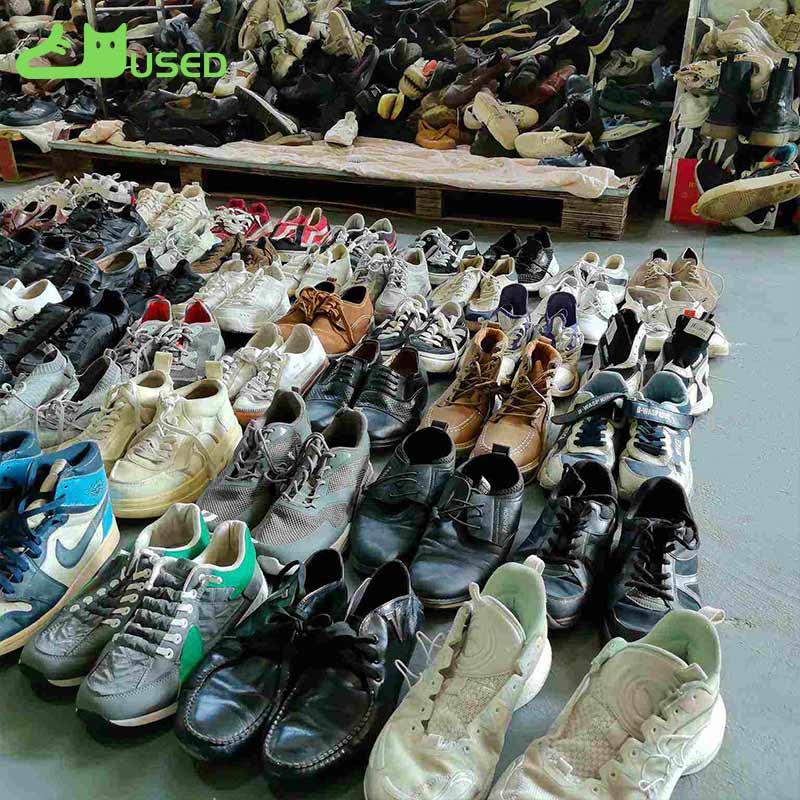
Used soccer boots for sale in bulk need a physical stud-and-upper file before the buyer accepts a size balance. A boot silhouette or visible brand mark does not establish pitch suitability, remaining performance, authenticity, or a safe-use outcome. The lot should record sole and stud condition, upper joins, closure, lining, marked size, pair completeness, preparation, and the route for unresolved pairs. The released count should be made from closed evidence, not from a gross pile.
Name permitted boot forms, sole and stud types that the buyer can handle, marked-size bands, upper condition, closure rule, preparation allowance, packing method, and exclusions. Keep any pitch, sport, or performance language outside the physical grade unless separate evidence supports it. A bulk brief should say what the buyer will inspect and count.
Ask for current counts by visible construction, size, sole route, and work burden. Search suggestions can show product wording, but they cannot prove sport demand or a universal size balance. Keep a small test cell when evidence is weak.
approved boot type
visible stud route
marked band
unsupported use claim
The table connects the sole file to pair, claim, work, and packing decisions.
| Field | Observed evidence | Open route | Released when |
|---|---|---|---|
| Studs | Wear, missing or unstable area | Review or decline | Sole route closed |
| Upper | Join, toe, heel and closure | Preparation or hold | Pair check passed |
| Size | Marked field and mate agreement | Unreadable or conflict | Cell accepted |
| Claim | Brand or sport wording | Evidence absent | Approved limited wording |
| Bulk pack | Codes, size, route and weight | List mismatch | Layer check passed |
Bulk football boots are released from closed physical and wording routes, not from an assumed pitch or brand result.
Inspect each stud or visible stud group, sole-plate attachment, heel and forefoot wear, flex zone, outsole edge, upper join, toe, heel counter, collar, closure, lining, and odor route. Compare left and right boots. Record a physical finding and its route instead of calling a boot match-ready from its outline.
Do not predict grip, remaining life, or pitch performance from appearance. If the sole construction, stud wear, or bond is unclear, retain the pair in evidence hold. Keep the original photo and note attached to the code after cleaning or packing.
wear and attachment
bond and flex
join and toe
mate and size
Create independent fields for physical condition, closure completeness, marked-size evidence, claim status, and allowed product wording. A visible mark, logo, or model-like shape does not close authenticity or performance. Do not let a brand phrase upgrade a pair that has an open physical finding.
Use ready, preparation, qualified review, restricted wording, evidence hold, and decline routes. If the buyer needs a specialist or a sport-specific authority, keep that route named and outside the released balance until it closes.
observable condition
separate evidence
approved scope
all gates closed
Cross marked size with boot form, sole route, upper condition, closure, color burden, and preparation time. Count only complete pairs that pass the written gate. Keep unreadable marks, single boots, sole questions, and size conflicts outside the balance.
Compare the size cells with the buyer's own dated stock and completed condition-matched outcomes. Do not fill an under-evidenced size band from a generic sports assumption. Give the cell a cap and a substitution rule before packing.
form size and sole
released pair count
buyer-set maximum
written approval
Allocate product, freight, receiving, pairing, cleaning, lace or closure work, qualified review, storage, markdown, and selling work by size-and-sole cell. Divide by released pairs. Show held and declined boots so a promising size balance does not hide heavy work.
Build a lower-yield and higher-work case. If the buyer cannot support a qualified review, equipment, or specialist handling, keep the relevant cell out of release. The bulk decision is an operating decision, not a promise that every boot will perform in a named setting.
work minutes and materials
qualified route
closed pair count
hold and decline
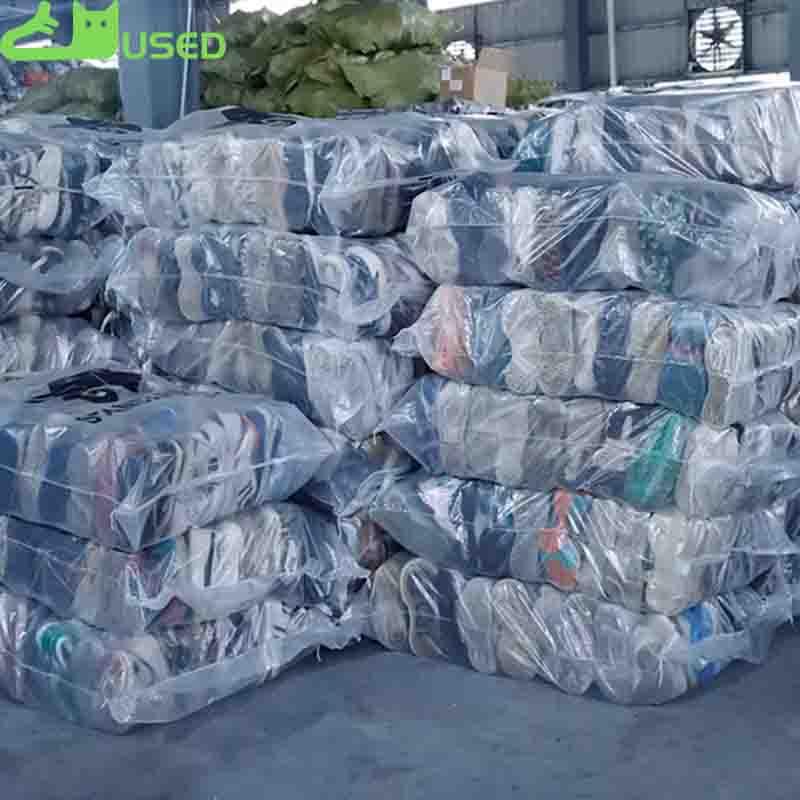
Keep mates together, protect uppers and stud plates from cross-contact, and label cartons with pair codes, size summary, sole route, released count, gross weight, packer, and time. Reopen a selected layer and reconcile the physical cells before sealing.
At arrival, repeat stud, sole plate, upper, closure, marked-size, pair, and package checks on coded positions. Isolate variance before stock merges. Change one evidence, packing, size, or work rule for the next bulk order from the documented result.
studs and uppers
size and route counts
selected layer
same physical fields
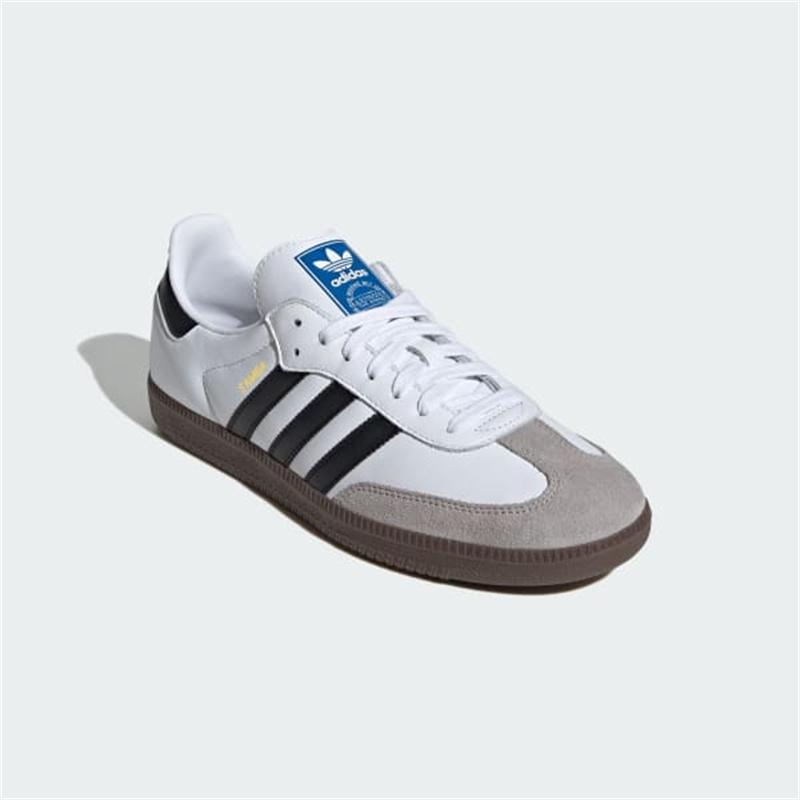
No. Record the physical stud and sole condition without making a remaining-performance claim.
No. Keep single boots in recovery or hold records outside released pairs.
No. Claim status and physical condition are separate fields.
Use complete released pairs, direct work, qualified review, receiving, storage, and downside routes.
Repeat stud, sole plate, upper, closure, marked size, pair, and package checks on coded positions.
Used soccer boots for sale in bulk become a controlled release when stud zones, upper joins, pair codes, marked sizes, wording limits, and carton records agree. The used sports footwear wholesale options provide the wider sports-shoe context, while the buyer's written gate decides which size cells can enter the order.

Direct Factory Supplier of Used Shoes For African Markets In China
 Tel: +8618606960861
 Email: info@usedshoeswholesale.com
 MP/WhatsApp: +8618606960861
 Manufacturer Address:Cizao Town, Jinjiang City, Quanzhou City, Fujian Province