Author:Used Wholesale Manufacturer TIME:2026-09-29
Steel toe workwear claim file
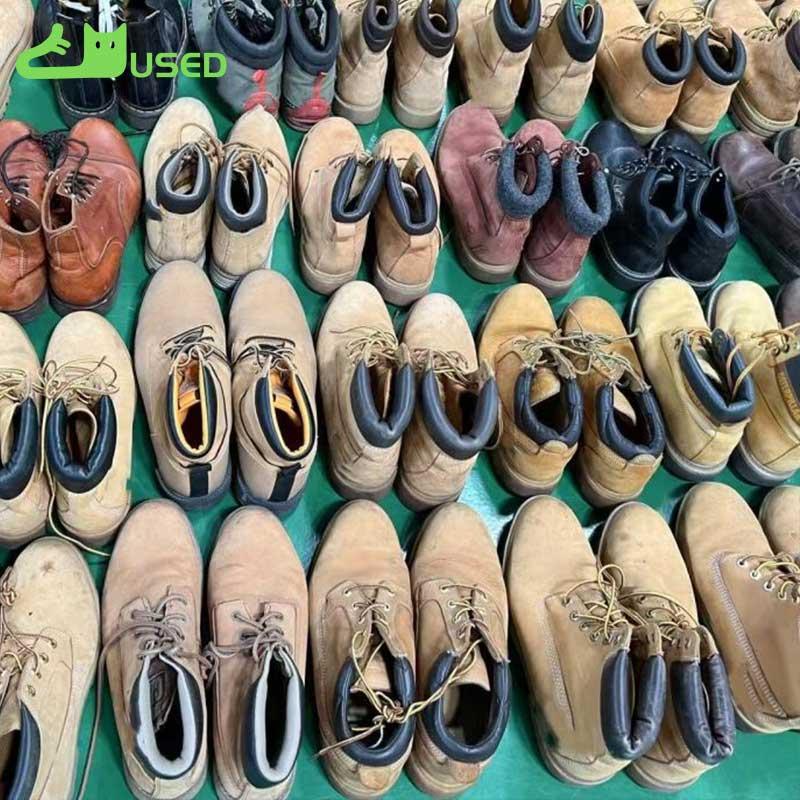
Used steel toe boots for sale must be handled as a claim-controlled workwear category. A secondhand boot may look rugged, but visible appearance does not prove current safety certification, impact protection, slip resistance, or jobsite approval. The buyer should record toe-box condition, outsole wear, upper cuts, lining, closure parts, contamination, repair holds, marked size, and allowed resale wording before a pair becomes released stock.
Write the order brief so it describes used boot condition rather than promising certified protection. If the buyer cannot verify current markings, documentation, and physical condition, the sales wording should stay limited to visible features and used workwear appearance.
This boundary does not make the stock useless. It makes the category measurable. A boot can be sold into appearance-led, farm, workshop, or casual workwear channels when the buyer's wording and release rule match the evidence.
visible feature wording
safety-certification promise
appearance-led workwear
marking and condition file

Check toe deformation, exposed or damaged caps, upper cuts near flex points, sole separation, heel drag, outsole thinning, puncture marks, and uneven wear. Record each finding before cleaning or polishing. Cosmetic improvement cannot close a structural hold.
A pair enters ready only when complete mates, size, toe-box appearance, sole condition, upper condition, lining, and closure status meet the written rule. Anything else needs repair review, restricted wording, evidence hold, or decline.
shape and exposure
bond, heel, puncture
cuts and flex
ready to decline
Work boots may carry oil, chemical residue, mud, heavy odor, or interior moisture. Record the visible condition and place affected pairs in a separate hold. Do not wash or blend them into clean-ready stock before the buyer decides whether handling is permitted.
Contamination holds affect freight, storage, staff handling, and resale wording. They also protect cleaner pairs from transfer during packing. Keep these costs out of the ready-cell denominator.
visible residue
soil and transfer risk
interior route
separate until approved
The table separates visible boot evidence from unsupported safety wording.
| Control field | Evidence required | Blocked wording or route | Release decision |
|---|---|---|---|
| Toe box | Shape, cap exposure, upper damage | Certified protection claim | Ready, restrict, hold, reject |
| Sole | Bond, heel drag, puncture, outsole wear | Slip or jobsite guarantee | Ready or repair review |
| Contamination | Oil, chemical, mud, odor, moisture | Clean-ready blending | Separate hold or decline |
| Cost | Freight, handling, repair, storage | Gross-weight pricing | Released-pair cost |
Steel toe lots are released by evidence and wording control, not by rugged appearance alone.

List permitted work: lace completion, surface cleaning, qualified repair review, restricted display, or decline. Do not assume that a heavy boot deserves repair just because it looks durable. Repair decisions should follow resale channel, staff skill, parts access, and downside value.
For importers comparing work boots with broader men's footwear, use the category reference only as background while this claim file controls the steel toe lot. Keep repair-heavy groups capped until actual results close.
complete and matched
bond or review
wear and odor
repair, restrict, or decline
Heavy footwear can make a shipment look valuable while raising freight and handling cost. Calculate product cost, freight allocation, receiving, cleaning, hold segregation, repair review, storage, and markdown work per released pair.
Build a lower-yield case before confirming the order. If many pairs move to restricted wording or contamination hold, the margin changes. A lower purchase price cannot fix a lot that has too few released pairs for the intended channel.
heavy pair burden
released pairs only
not denominator
restricted or reject
At arrival, repeat toe, sole, upper, lining, closure, contamination, size, and route checks against package codes. Record new damage, odor variance, missing mates, or work-route differences before any stock is distributed.
The next order should change one field from evidence: claim wording, contamination trigger, repair ceiling, sample depth, package separation, or size-cell cap. Without that closed record, a second order only repeats the first uncertainty at larger scale.
same release fields
source and arrival
one evidence rule
claim file
Do not make that claim unless current documentation and physical evidence support it. Use visible-condition wording otherwise.
Toe-box damage, open sole bonds, contamination, missing mates, failed closures, or unsupported safety wording can stop release.
Heavy boots raise freight and handling cost, while only released pairs can support resale value.
Keep affected pairs separate, record visible evidence, and release only through the buyer's approved handling route.
Use receiving variance, released yield, repair time, stock age, and returns to change one written rule.
Used steel toe boots for sale are safer to buy when claim wording, toe evidence, sole condition, contamination holds, repair routing, and receiving checks are locked before scaling. The used men's shoes wholesale options give broader workwear category context, while the claim file decides which pairs can be released and how they may be described.

Direct Factory Supplier of Used Shoes For African Markets In China
 Tel: +8618606960861
 Email: info@usedshoeswholesale.com
 MP/WhatsApp: +8618606960861
 Manufacturer Address:Cizao Town, Jinjiang City, Quanzhou City, Fujian Province