Author:Used Wholesale Manufacturer TIME:2026-10-17
A wrinkled toe and a folded heel opening ask different questions. When buying used leather sneakers, do not put both under a single description such as "light wear." A crease may need an accurate photograph and a price adjustment. An opening that stays folded, has torn lining or differs sharply from its mate needs closer examination before you count the pair in a wholesale order.
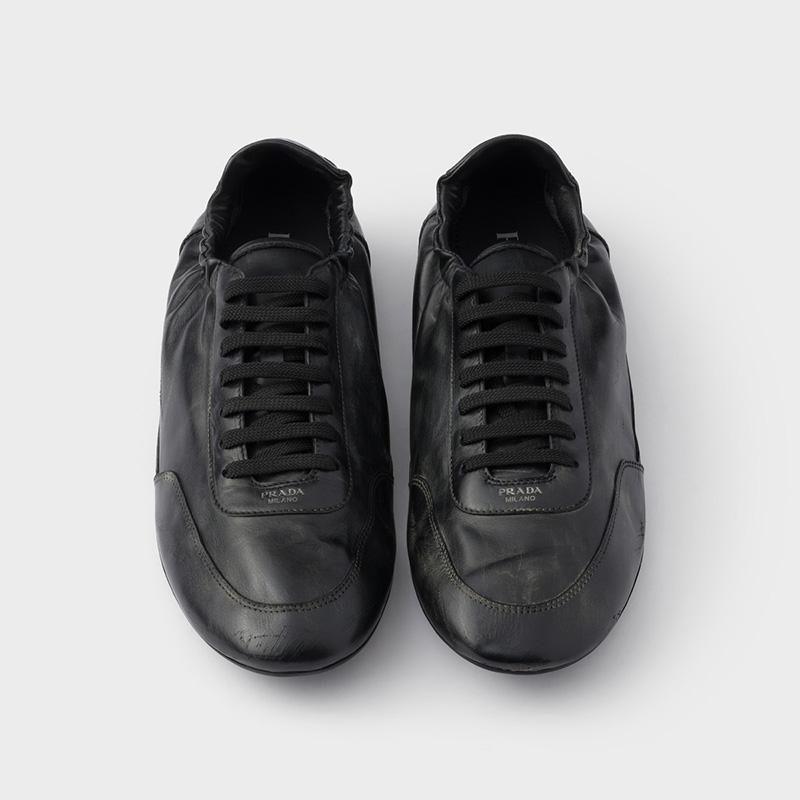
The useful comparison is between two unstuffed shoes of the same pair, seen from above, behind and the side. These views help separate the shape of the design from damage. They cannot establish comfort, cushioning or how long a shoe will last.
Paper filling can make a soft shoe look fuller. Tight lacing can pull the sides inward. Ask for a second photograph with loose packing removed and the laces relaxed, without stretching or reshaping the shoe. Keep both shoes on the same level surface. If the supplier sends only a top view with the tongues pulled forward, part of the rear lining may still be hidden.
Some low-profile sneakers have soft quarters or a gathered opening rather than a tall, rigid rear section. A curved or puckered outline is not automatically a fault. Compare the construction on both mates: where the seams end, how the edge is gathered, and whether the same features appear on each side. If a model reference is available, use it to understand the original outline, not to certify the condition of the offered pair.
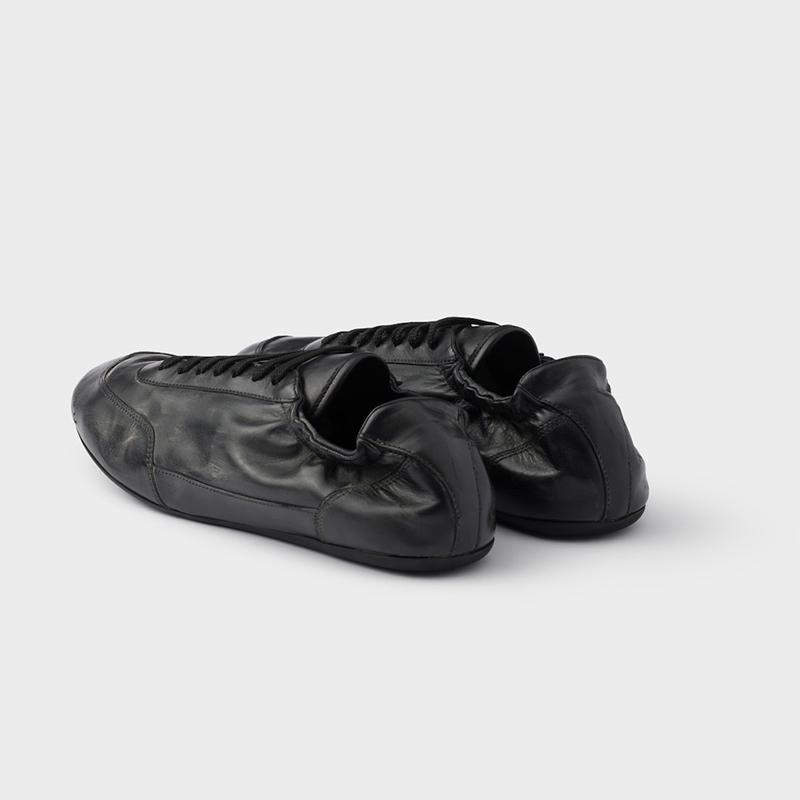
A rear photograph is useful only if the camera is level with the shoes. A high angle can hide a folded edge; a low angle can exaggerate a lean. Request the same angle for both shoes, with their soles resting flat and the pair reference visible beside them. Avoid drawing measurements from an angled photograph.
| View | Compare on both shoes | What still needs checking |
|---|---|---|
| Directly from behind | Rear seam position, edge height and inward folds | Whether the outline comes from construction, packing or damage |
| From above with laces relaxed | Opening shape, tongue position and exposed lining | Areas concealed below the edge or beneath the tongue |
| From each side | Where the quarter bends and whether the edge meets the sole evenly | Loose internal parts or movement that a still image cannot show |
When a fold remains unexplained, ask the seller to show the area during ordinary, gentle handling. Do not ask for hard bending or repeated squeezing as a test. If the seller cannot show whether the lining and rear section are intact without forcing them, leave that pair out of the agreed count until it can be examined properly.
Record where a fold crosses the vamp, the part of the upper above the forefoot. Then look for an actual break in the surface, a split beside a stitch or an area where the finish is missing. These are different descriptions. "Creased across the vamp" says what is visible; "only worn twice" invents a history that the photograph does not supply.
Dark polish, glare and deep shadows can obscure the bottom of a fold. A close photograph in diffuse light is more informative than another distant image of the whole pair. Ask for the untreated appearance when possible. Do not require a supplier to apply conditioner or heat just to improve the inspection picture.
The phrase used leather shoes for sale also needs care: appearance alone does not identify the upper material. Request the material marking or another item-specific basis for that description. If it is absent, keep the material question separate from visible wear. Neither a familiar logo nor a smooth black finish resolves it.
Move from the outline to the lining. Ask whether the edge has a hole, exposed padding, a loose seam or a rough folded section inside. A neat exterior can coexist with substantial wear where the heel enters the shoe. Request an interior view that does not cover this area with fingers or the tongue.
Do not combine every interior issue into "needs cleaning." A stain concerns appearance; a hole concerns missing material. A seller's cleaning statement does not answer a question about torn lining. If repair is proposed, obtain a description of the work and the finished result before assuming it is a small preparation expense.
For wholesale used sneakers, distinguish pairs needing an extra photograph from pairs already known to need repair. The first group has an unanswered buying question; the second has a cost and a disclosure issue. Combining them in one discounted bundle makes it difficult to understand what the discount actually covers.
Instead of ordering "good uppers, normal creasing," describe the tolerated appearance in plain language. For example, you might accept photographed vamp folds but exclude torn rear lining and permanently folded openings. That is a proposed purchase specification, not a universal grading standard. The seller must confirm whether the offered stock can meet it.
Ask for separate counts for the accepted group and the unresolved group. Keep the unresolved pairs outside the price comparison until their condition is clear. Compare the cost of accepted pairs with your own selling records for similar low-profile styles, not with the asking price of a different athletic shoe. A thin-looking sole is not proof that a sneaker belongs in a running category.
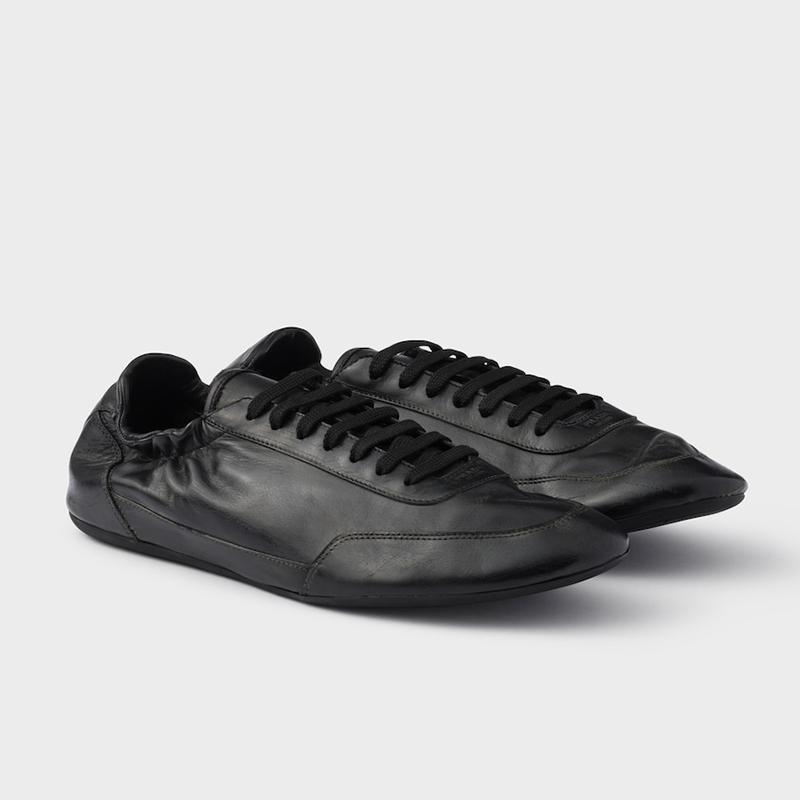
When reviewing the wider used sneakers selection, keep this collar check specific to the pairs you are considering. Before packing, retain the agreed rear and top views. At receiving, compare the same areas before adding display stuffing or carrying out any preparation. This gives both parties a concrete way to discuss a changed shape without guessing when it happened.
No. Gathering can be part of the construction. Compare the mates, seams and any reliable model reference, then inspect for tears or unexplained asymmetry.
No reliable wear count follows from a crease photograph. Describe the location and visible surface condition instead of assigning an invented history.
Request unstuffed views first. A separate display photograph is fine, but it should not replace the view of the opening in its unsupported state.
No. It changes the material or construction inside the shoe and needs its own cost, workmanship review and resale disclosure. Do not price both jobs as basic cleaning.
For used leather sneakers, ask for the unstuffed pair before negotiating a discount for creasing. Match the rear, top and side views, check the lining, and put unresolved shape differences outside the accepted count. The next useful supplier reply is a clearer view of a specific opening, not another promise that the entire lot is in good condition.

Direct Factory Supplier of Used Shoes For African Markets In China
 Tel: +8618606960861
 Email: info@usedshoeswholesale.com
 MP/WhatsApp: +8618606960861
 Manufacturer Address:Cizao Town, Jinjiang City, Quanzhou City, Fujian Province