Author:Used Wholesale Manufacturer TIME:2026-10-22
A cream-looking sole beside a white upper raises a different buying question from one shoe looking darker than its mate. A small patch raises another. For used white sneakers, locate the difference first, then request photographs that repeat that comparison. Cream describes a shade; calling it a stain requires an explanation the photograph alone cannot supply. The gallery examples below illustrate color zones, not the condition or availability of an offered lot.

The red and green bands and green heel accent remain part of the description even though much of the shoe looks white. Naming these zones gives the supplier a location for each question. "The outer sole edge looks warmer than the side panel" is more precise than "this shoe looks yellow."
Start with the whole shoe before a close-up. Identify whether the questioned color follows a panel boundary or occupies a smaller area within one panel. Include a nearby seam, edge or trim detail so the supplier can find the same place in a replacement photograph.

This photograph shows light panels, tan patterned inserts and a cream-looking sole edge. It supplies an example of a difference across zones on one shoe. It does not show the matching shoe for a left-right comparison. Use three separate questions when reviewing an actual offer:
The last question is a conditional check, not a finding of a stain in either illustration. More than one comparison may be relevant; record them separately.
Ask the supplier to photograph both shoes in one frame, then repeat the relevant side or top view with the shoes positioned alike. Keep the light, background and camera settings consistent. Include the upper and sole together for a cross-zone question; include the corresponding area of each shoe for a mate question.
For a localized difference, pair the close-up with an overview showing where it belongs. Request original files without local brightening or filters, and keep the earlier image for comparison. Photograph the current appearance before any proposed treatment. This is a repeatable visual comparison, not a calibrated measurement of color.
Check the returned set before judging the shade. Are the same shoes identified, is the questioned area visible, and is its comparison area present? A sharp close-up of the sole alone cannot answer a question about its contrast with the upper. Request the missing frame rather than starting another general discussion about whiteness.
Compare the new set with the original question. A repeated difference, a changing appearance and an incomplete view need different responses. None of the following results identifies oxidation, staining or original finish by itself.
| Returned observation | Next step | Record for this pair |
|---|---|---|
| The upper-to-sole contrast repeats on both shoes | Decide whether that visible combination meets the color request | Separate upper and sole shades, with the paired view |
| The left-right difference persists in matching views | Request corresponding close-ups and a separate description of each mate | Which side and zone differ; whether the difference is acceptable |
| The difference changes or disappears between views | Repeat the original placement and retain both angles before deciding | Appearance varies across the supplied views; question remains open |
| A localized patch remains in the same position | Confirm its location and ask for relevant documented history | Overview and close-up references for the specific area |
| The mate or comparison zone is still missing | Request only the missing view | Comparison incomplete, rather than an assumed color match |
When a difference disappears, do not simply discard the earlier photograph. Look for a repeatable comparison. When it persists, retain the separate observations instead of averaging the two shades into one description. If repeated views remain inconsistent, leave the color decision unresolved rather than selecting the brightest image.
If the buyer needs to know whether a cream shade matches the original specification, request a reliable reference for the exact style and color version. A general photograph of a similar white sneaker will not answer that question. Keep the reference beside the current views rather than replacing them with it.
If a persistent local difference prompts a question about previous work, ask which pair and area were treated and what records exist. Record a supplier's account as reported history when it lacks supporting records. A bright photograph alone does not document whitening. Do not propose cleaning as a way to settle an unresolved photograph comparison.
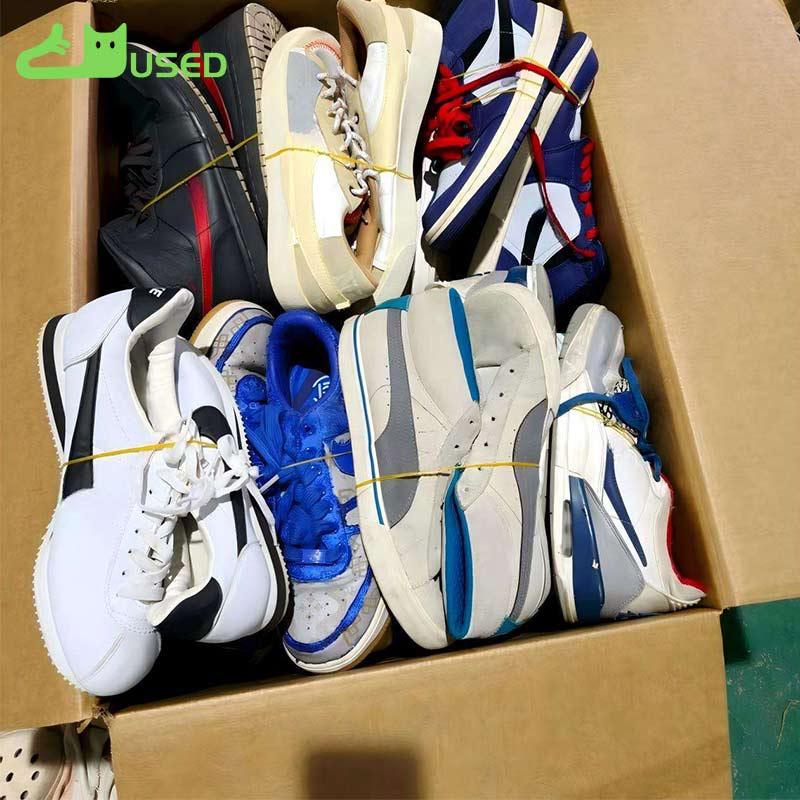
When asking about used sneakers, send the pair reference, the zone in question and the missing comparison view together. For second hand sneakers selected from a mixed display, retain that reference through the supplier's reply. Record whether the visible shade is accepted, needs another view or falls outside the color requirement; keep any unknown history alongside that decision.
Use the pair reference, left or right shoe and named zone. Add a location note to a separate overview rather than covering the questioned area with an annotation.
Request the corresponding inner-side or heel view if that is where the question remains. More outer-side images will not close a question about an unseen area.
Request one new comparison set using the same device and setup. Keep the earlier files as context, but do not treat their brightness difference as a measured shoe-color difference.
A buyer can accept the disclosed color appearance while recording unconfirmed history. That decision answers the color requirement only; it does not establish an original finish or authorize a treatment claim.
Identify whether the question concerns different zones, different mates or one localized area. Request the corresponding same-light views, then use the returned result to accept the visible combination, seek a specific missing detail or leave the comparison open. The final color note should identify the pair, location, photograph and decision, with additional history only where it helps resolve that question.

Direct Factory Supplier of Used Shoes For African Markets In China
 Tel: +8618606960861
 Email: info@usedshoeswholesale.com
 MP/WhatsApp: +8618606960861
 Manufacturer Address:Cizao Town, Jinjiang City, Quanzhou City, Fujian Province