Author:Used Wholesale Manufacturer TIME:2026-10-26
Visible laces can create two wrong instructions for used kids sneakers: a listing calls every pair lace-up, and the preparation team is told to relace everything. Some constructions use fixed decorative lacing, some use stretch arrangements, and others need ordinary tying alongside a strap. The buyer needs to establish which parts actually operate before promising a closure type or allocating staff time. A group photograph cannot settle that distinction.
Separate the visible feature from its confirmed function. A crossed cord is something the photograph shows; adjustable lacing is something a demonstration must establish. These descriptions become useful only when the supplier or receiving team has checked the actual pair.
One shoe can combine more than one description. A strap does not automatically make its laces decorative, and elastic laces do not automatically make the shoe slip-on. Keep the listing specific to the demonstrated combination.
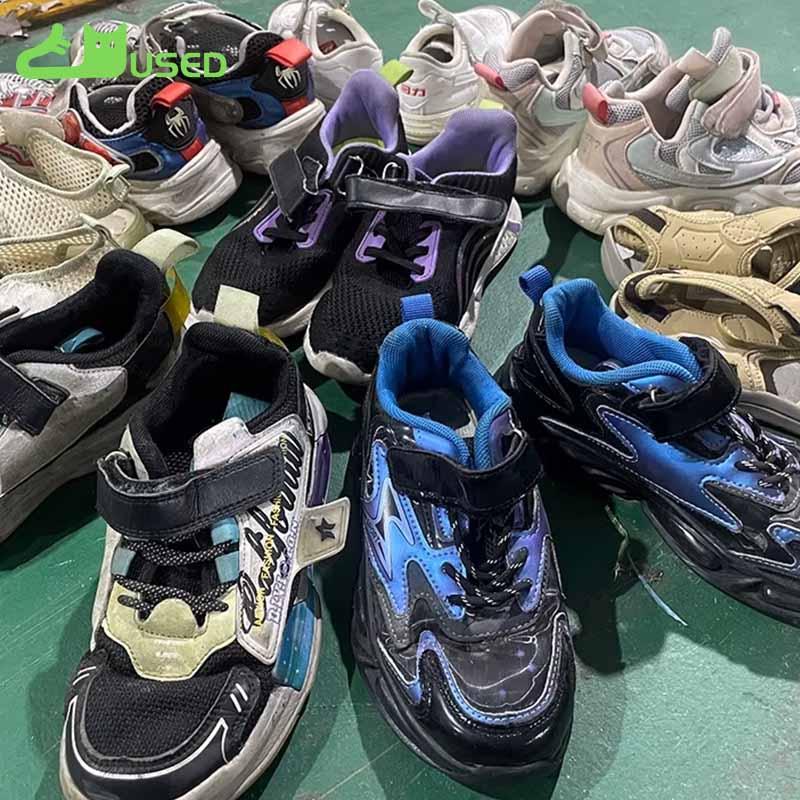
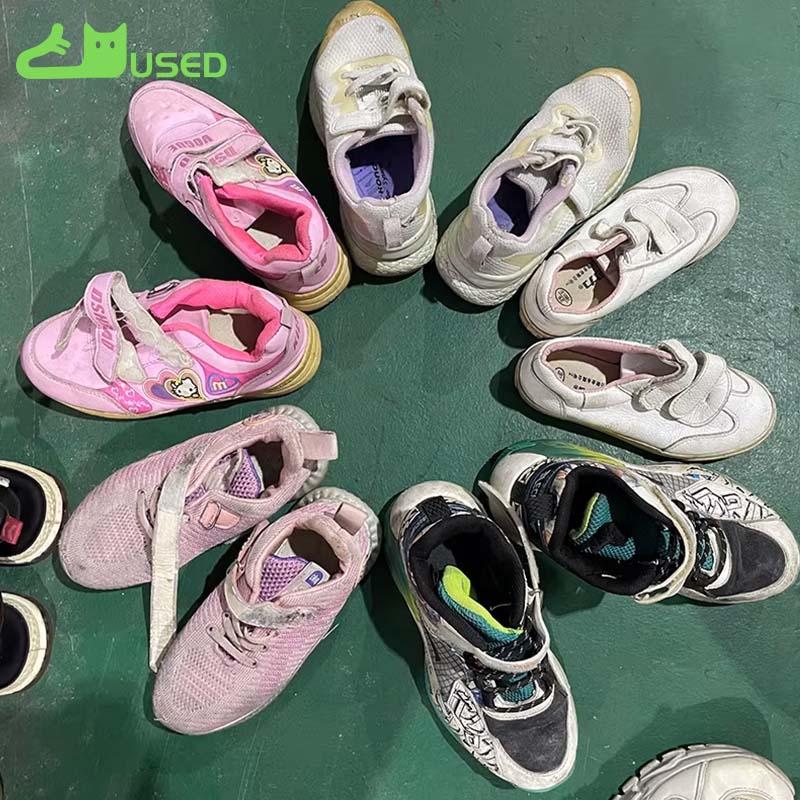
The first photograph includes straps positioned above laced fronts. It does not show whether those laces untie, stretch or end in fixed attachments. Calling the pictured pairs decorative-lace sneakers would go beyond what is visible, just as scheduling them all for replacement laces would.

The second group includes visibly different fastening arrangements. Similar colours and sneaker shapes do not make them equivalent preparation jobs. Round fittings, tucked ends and overlapping straps need clarification rather than a guessed label. These images illustrate the description problem; they do not establish current stock, authenticity, grade or working condition.
Ask for the same pair shown closed, then opened through its normal fastening. Request attachment views of both lace ends, any concealed anchoring and the underside of the strap with its mating surface. A short demonstration should identify what is untied, stretched, lifted or otherwise operated, without forcing parts that are not meant to move.
Keep both shoes identifiable in the response. If a lace disappears beneath a panel, ask the supplier to explain its attachment rather than instructing someone to pull it free. When the mechanism remains unclear, write an internal note such as "lace function awaiting confirmation" and postpone the corresponding customer claim.
After confirmation, a description might read: "Fixed decorative lacing with a working hook-and-loop strap." Another pair might require: "Adjustable tie laces plus an opening strap." Neither statement applies to the pictured examples without that confirmation.
Describe observed operation without extending it into a promise about a child's age, independent dressing, medical suitability or safety. The fastening description tells the customer what the shoe has, not who can use it unaided.
Give the preparation team a task that follows the description. "Make the laces neat" is not permission to untie, remove or replace every visible cord. For second hand shoes with unfamiliar closures, confirmation is a separate job from relacing, and the work sheet should say which remains outstanding.
| Confirmed arrangement | Preparation assignment | Listing boundary |
|---|---|---|
| Fixed decorative laces | Arrange for photography without undoing attachments | Do not describe adjustable tie laces |
| Stretch lacing | Record adjustment method; avoid automatic relacing | State confirmed stretch function, not assumed slip-on use |
| Working tie laces | Specify threading or tying only where needed | Describe the actual lace closure |
| Strap with lacing | Separate strap presentation from any lace task | Name both functions once confirmed |
| Unresolved function | Return for demonstration or physical review | Withhold decorative, elastic and no-tie claims |
Measure staff time on the work actually required before estimating a larger preparation job. Keep clarification time separate from threading time, and record any approved replacement as additional work. Do not promise a fixed labour saving merely because several pairs have straps or short-looking laces.
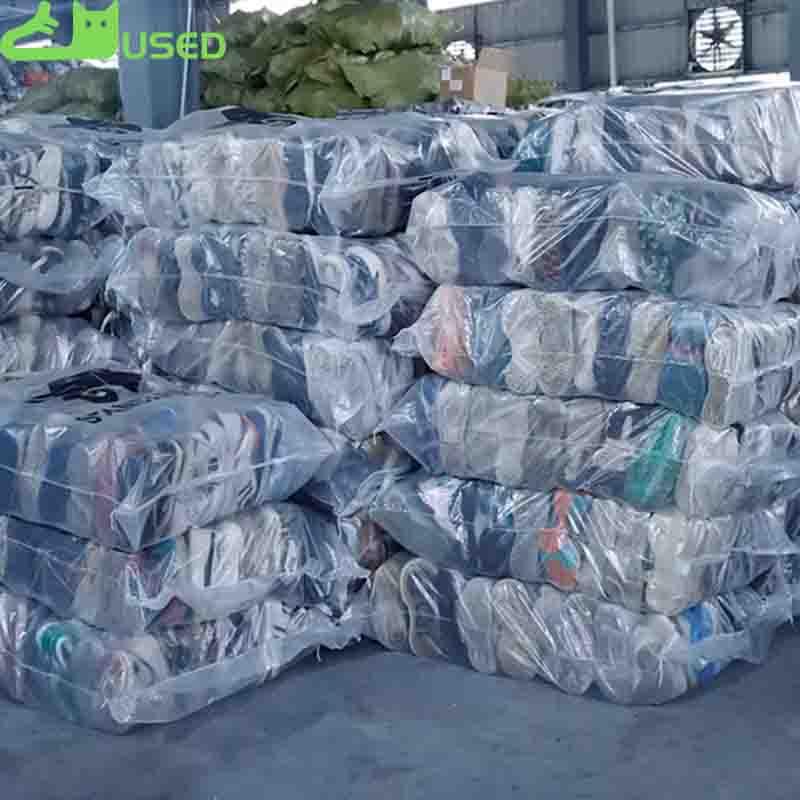
A packing photograph cannot complete the fastener description. Attach the approved wording and preparation note to the reviewed pair so that photography staff, packers and listing staff use the same information. If the offered assortment changes, check the replacement pairs before carrying their predecessors' descriptions forward.
When discussing used children's shoes, ask the supplier to keep confirmed closure descriptions separate from unreviewed used sneakers. For a used shoes wholesale order, "mixed fasteners" may describe the assortment, but it does not justify "all no-tie" or a single relacing allowance. No size quantities or age conversion can resolve that missing functional information.
Yes, if its laces actually adjust and tie as part of the closure. Describe the strap too. A visible strap alone neither confirms nor rules out working laces.
No. Appearance does not establish their attachment or role. Obtain confirmation and an approved work instruction before altering any closure component.
Not reliably. First establish which pairs need threading or tying, then observe that preparation work. Keep requests for missing information separate from the relacing assignment.
No. The claim belongs to the confirmed pair or a separately verified group. Other pairs may have different fasteners even when they look similar in the arrangement.
Before describing the assortment or booking lacing work, obtain open, closed and attachment views that establish each reviewed pair's fastening function. Give it an accurate closure label and a specific preparation task. Leave unresolved pairs out of broad no-tie claims and automatic relacing instructions until the missing function is confirmed.

Direct Factory Supplier of Used Shoes For African Markets In China
 Tel: +8618606960861
 Email: info@usedshoeswholesale.com
 MP/WhatsApp: +8618606960861
 Manufacturer Address:Cizao Town, Jinjiang City, Quanzhou City, Fujian Province