Author:Used Wholesale Manufacturer TIME:2026-10-27
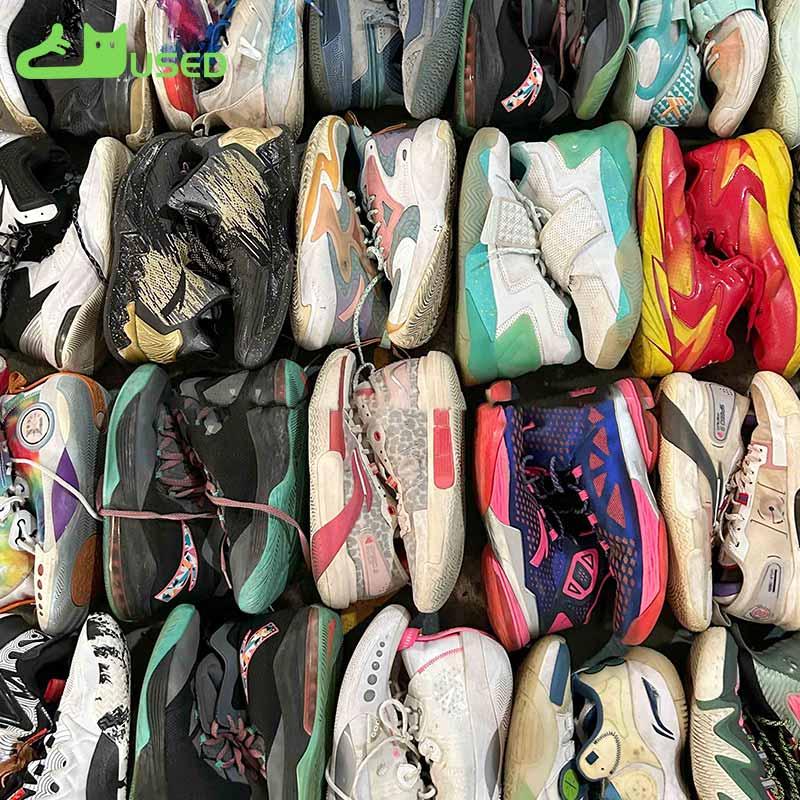
"Clean the black shoes" can mean remove soil from used black sneakers or make every part look uniformly black. Those outcomes differ on a shoe with black fabric-looking panels, smoother overlays, patterned edges and turquoise pieces. Correct the instruction before a supplier treats recoloring or added shine as part of the same job.
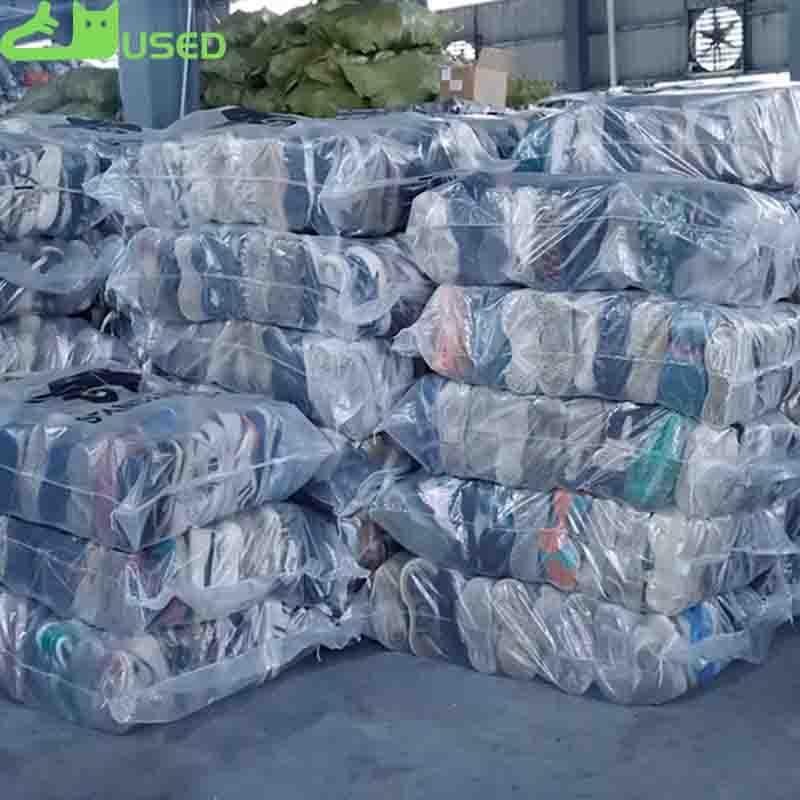
The photographs illustrate those visible contrasts, not an offered lot or a treatment result. Material composition remains unconfirmed. The question here is what the buyer intends to authorize, with the appropriate method agreed separately.
Replace "refresh the black" with the intended action. Removing identified soil keeps the existing color arrangement as the target. Adding black color changes that target, even if the proposed addition is described as a touch-up. A request for an even black appearance may therefore require a decision the original cleaning sentence never addressed.
In an enquiry for used sneakers, "black pairs only" restricts the selection. "Make every part black" requests an alteration. Put those instructions in different sentences so the stock description cannot become the treatment objective.

On the illustrated style, the patterned strip and turquoise lace supports are not stray marks to be made black. Name them as excluded from color alteration. The black textile-looking portions and more continuous overlays also remain separate areas, even where their shades look similar.
For a soil-removal request limited to the black upper, say whether the patterned strip and colored components are outside all work or excluded only from recoloring. Those are different permissions. A buyer who also wants those details cleaned should add a separate soil-removal line, retaining their pattern and color.
Consider a hypothetical corrected instruction: remove identified soil from specified black exterior panels while retaining their colors and existing sheen; leave patterned, turquoise and interior areas untouched. The table assumes an appropriate method has been agreed for the named panels. Any unresolved method or expected finish change keeps the affected task pending.
| Proposed request | Authorized by this example | Needs a separate proposal | Unresolved field |
|---|---|---|---|
| Remove soil from named black panels | Only the agreed removal task | Adding color to conceal a remaining mark | Exact areas and expected appearance after removal |
| Refresh black across the whole shoe | No all-over color change | Recoloring with explicit boundaries | Whether refresh means removal or added color |
| Clean patterned or turquoise details | None; these areas were excluded | Additional cleaning that retains the detail | Which details the buyer wants included |
| Make the overlays glossy | No deliberate sheen change | A named finish alteration on specified overlays | Desired sheen and boundaries |
| Treat lining or inserts too | No interior work | A separately described interior task | Component, purpose and proposed action |
Color and gloss need separate answers. A supplier could retain black color while making a relatively dull overlay glossy. If the buyer wants cleaning only, specify no deliberate change to each area's sheen, rather than asking for one uniform finish across textile-looking and solid-looking parts.
If gloss is wanted on certain overlays, name those overlays and request that alteration separately. A finish proposal for them leaves the fabric-looking sections outside its scope. If the supplier cannot remove the identified soil while respecting the requested finish limit, choose between leaving the mark and considering a revised proposal. "Clean it completely" should not silently decide that choice.

Specify whether an exterior instruction stops at the outer collar or includes any surface inside the opening. Lining, the underside of the tongue and inserts are separate entries when requested. "Inside too" leaves the component and purpose unclear; it also fails to say whether the buyer means soil removal, odor-related work or something else.
Ask for that missing purpose before adding an interior task. Neither a broad black-shoe description nor a request to improve exterior appearance supplies it.

For second hand shoes with the illustrated contrasts, a buyer seeking exterior soil removal could replace the ambiguous sentence with this conditional example:
For the identified pairs, remove the specified soil from the agreed black exterior panels only. Retain their existing color arrangement and each area's sheen. Leave patterned edges, turquoise parts and interiors untouched. Propose any added color, deliberate sheen change or additional area separately. If the requested removal would require one of those changes, pause that task and ask for a decision.
Ask the supplier to flag any clause it cannot follow. A reply offering "cleaning plus black refresh" still needs the refresh action separated; accepting the cleaning line alone leaves that proposed addition undecided.
Its price does not settle permission. If it adds color, treat it as a separate proposed alteration and decide whether that change is wanted.
Clarify the wording. For cleaning only, ask to retain the existing color arrangement without intentional recoloring. Restoring a supposed original finish is a different objective.
Yes, as a limited requested outcome, subject to an appropriate method. Identify that overlay and exclude neighboring textile-looking panels, patterned details and colored parts.
Choose whether to accept the remaining mark or consider a separate recoloring proposal. The soil-removal instruction has reached its limit; it is not permission to conceal the mark.
Replace "clean the black shoes" with an instruction that names the soil-removal areas, retained color and sheen, excluded details and separate interior scope. When the reply adds recoloring or gloss, accept or decline that addition explicitly. Ordering cleaner used black sneakers need not become an order to make every component black.

Direct Factory Supplier of Used Shoes For African Markets In China
 Tel: +8618606960861
 Email: info@usedshoeswholesale.com
 MP/WhatsApp: +8618606960861
 Manufacturer Address:Cizao Town, Jinjiang City, Quanzhou City, Fujian Province