Author:Used Wholesale Manufacturer TIME:2026-10-29
A seller may offer to even out the grey toe on used adidas sambas while the close-up leaves the overlay seam in shadow. Before accepting cosmetic preparation, locate the concern: is it reflected nap, a persistently flattened patch, or an edge standing away from the panel beneath? Each needs a different response.
Start with the untouched pair. Read the T-shaped overlay by region, compare its reflections without rubbing it, and follow the edge around both shoes. Name the region and the observation before agreeing to any work.
The illustrated shoe has a visible Samba side label and a grey textured overlay that wraps around the toe and extends toward the laces. Adidas describes a leather upper with a suede T-toe for IE3438, while IE5836 is described with a reinforced toe. Those references concern particular variants, not the material of every Samba or the pictured shoe.
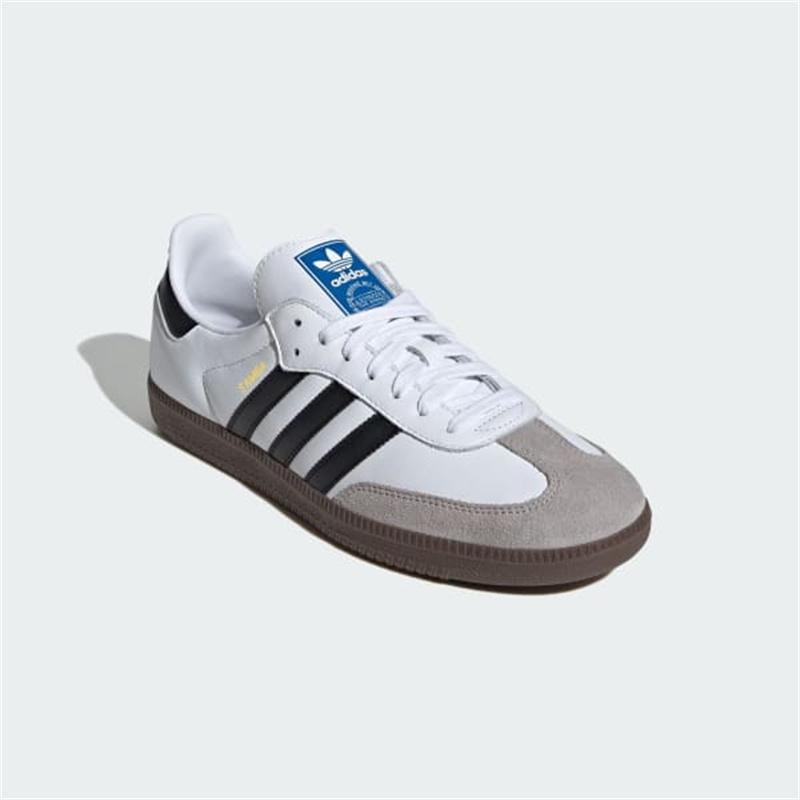
Nap is the fine raised texture on a napped surface. Its direction can change how light returns to the camera. Ask for a short, steady view as the shoe is gently reoriented under the same diffuse light. Keep exposure consistent and avoid a flash that washes out the grey patch. Nothing needs to be brushed, wetted or pressed for this observation.
Watch whether the pale area changes brightness with the surrounding texture. A moving light-dark pattern supports a reflection explanation; it does not establish that the texture will recover. If a smooth-looking patch stays distinct across the views, record its position and appearance as possible flattening or surface wear. Keep that observation separate from any visible opening along the edge.
Begin where the narrow extension widens and follow the visible stitch path around each shoulder of the T. Look for continuity in the thread, the material beside it and the meeting of the overlay with the panel beneath. A thread crossing an area and an edge lying down are two different observations; record both.
Change the viewing angle without pulling the overlay. A line that follows the curved edge may be a shadow. If an opening remains visible from another angle, or the edge stands away from the underlying panel, stop treating that location as a nap-only concern. Do not insert a fingernail, peel the edge or bend the toe to make the opening larger.
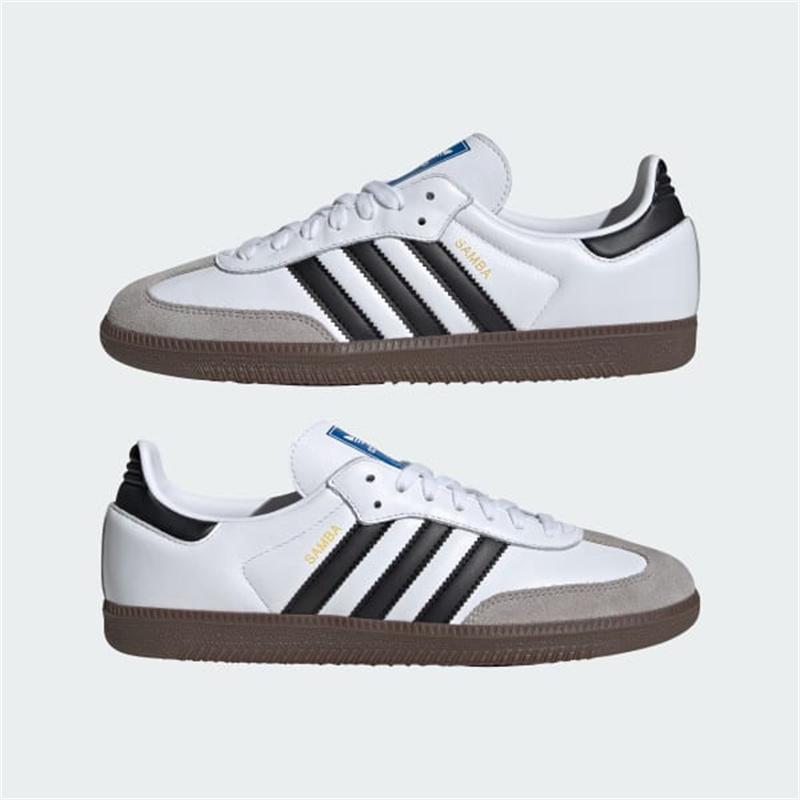
Photograph the two inner returns together, then the two outer returns, with the toes pointing the same way. This avoids comparing a shaded inside edge with a brightly lit outside edge. Include the T-junction in a separate front-oblique view; a side profile can conceal its far shoulder.
For second hand sneakers, note differences precisely: a smoother patch at one toe centre, an interrupted stitch beside one shoulder, or a raised edge at one return. Matching colour alone does not settle the attachment question, and an asymmetry needs a location before anyone can discuss preparation.
| Observation | Work boundary |
|---|---|
| Brightness changes with angle; the examined edge remains continuous. | Discuss appearance expectations only. Do not order seam work to remove a reflection. |
| A flattened-looking patch persists; the examined seam has no visible opening. | Record the remaining texture and agree whether it is acceptable before considering cosmetic preparation. |
| An opening, lifted edge or thread interruption is visible at the T-junction or return. | Exclude that area from cosmetic approval and request an attachment assessment. |
| Shadow or image resolution conceals the edge. | Request the missing view before deciding what work is being discussed. |
A quotation should name the affected region and the proposed scope. An offer to make the toes look uniform does not answer a question about an open seam. Keep unresolved attachment work outside that approval instead of combining both jobs under general refurbishment.

Keep the pair reference beside the full-shoe photograph and match it to the toe close-ups. The side lettering helps orient the illustration; it does not authenticate a pair or establish current stock. Avoid accepting a different shoe's neat toe as the answer to the original seam question.
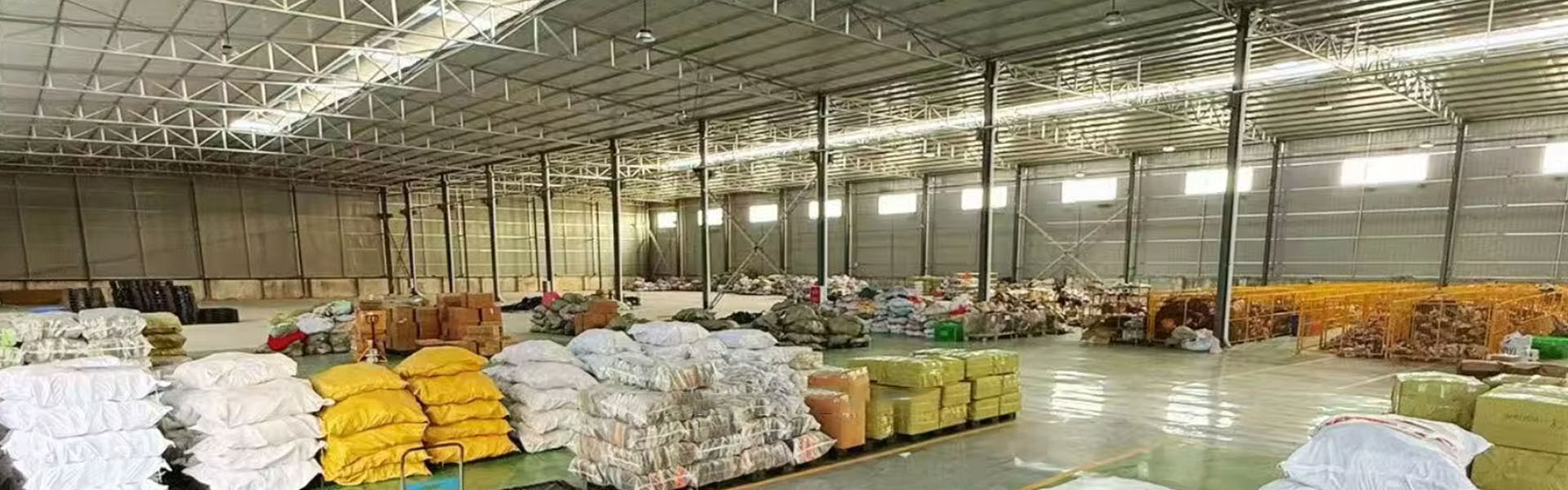
When discussing used adidas shoes for sale, ask for the specific pair's toe views before agreeing to preparation. A general used sneakers assortment photograph is too distant to resolve the T-junction.
Not necessarily. Compare its brightness at different viewing angles before describing missing texture. A persistent smooth-looking patch deserves a separate close view.
The shoulders where the narrow extension widens into the toe piece. Follow both turns and their adjacent material, then continue along the curved returns.
No. Record the thread path and the edge position separately. A visibly raised edge still needs assessment even when nearby stitches appear continuous.
Yes, when the unshown return is part of the questioned area. Ask for that location on both shoes before setting the boundary.
Send the supplier the exact toe region that remains unresolved: front nap, T-junction, inner return or outer return. Agree to cosmetic discussion only where the observation supports it; keep an open seam or lifted edge outside that scope. Ask the supplier to return the marked view with the proposed work beside it.

Direct Factory Supplier of Used Shoes For African Markets In China
 Tel: +8618606960861
 Email: info@usedshoeswholesale.com
 MP/WhatsApp: +8618606960861
 Manufacturer Address:Cizao Town, Jinjiang City, Quanzhou City, Fujian Province