Author:Used Wholesale Manufacturer TIME:2026-10-30
A used Adidas Ultraboost without a side cage needs more than a note saying "part missing." It might be a factory Uncaged version, or a shoe originally made with a cage that was later removed. Those possibilities lead to different resale descriptions. Establish which construction the offered pair originally had before naming the variant, describing an alteration, or treating the absent cage as damage.
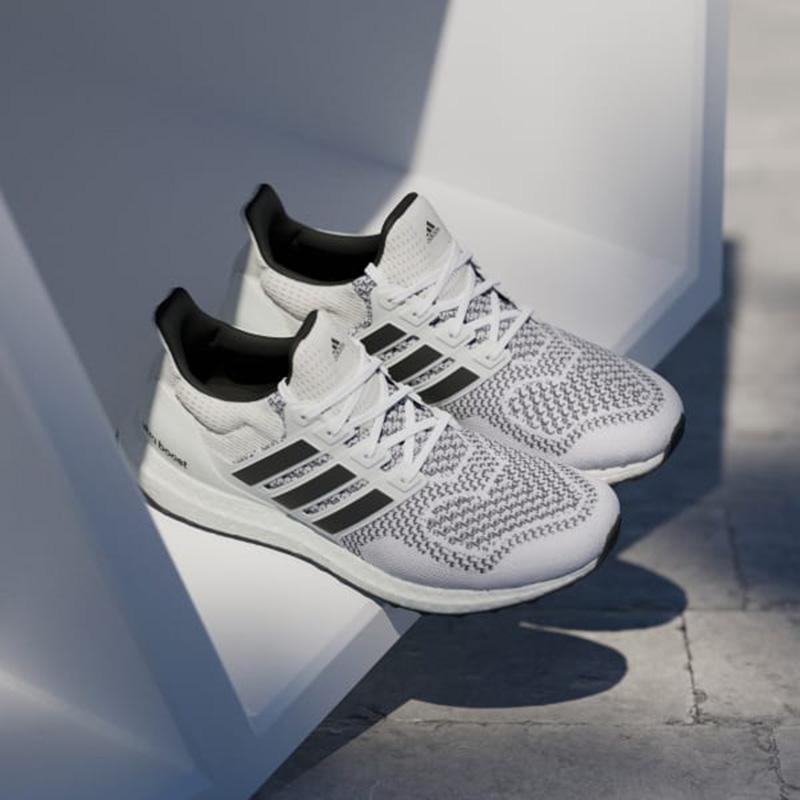
The pictured white-and-dark pair has a visible side cage carrying three dark stripes, laces passing through that structure, and "ultraboost" lettering at the heel. This is a useful reference for what a cage looks like, not an example of a missing one. Neither the lettering nor the patterned upper identifies a numbered generation.
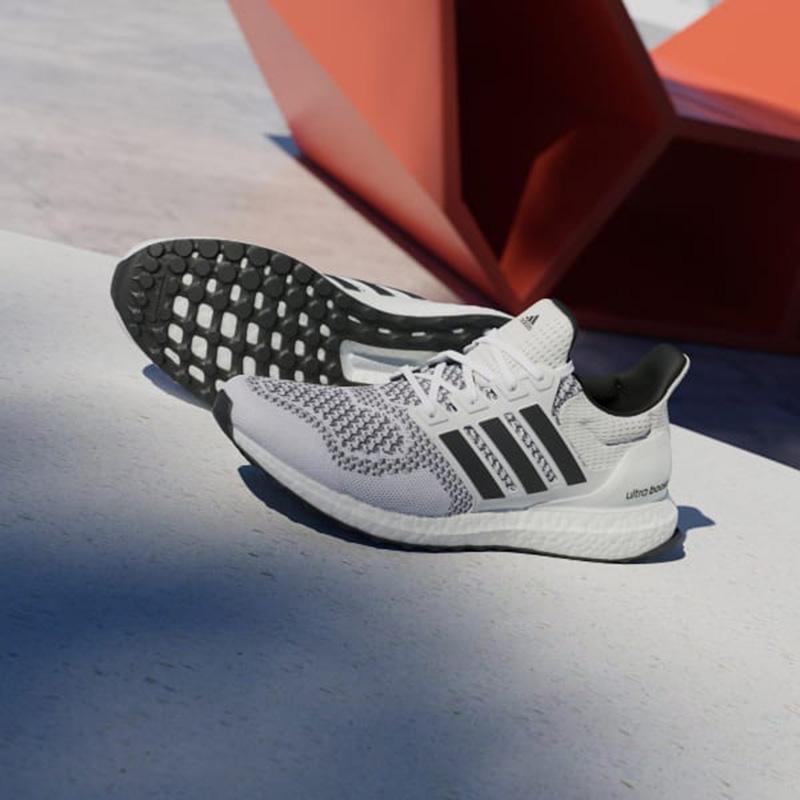
If a supplier offers a cage-free pair, ask for that actual pair's photographs. Reusing this caged example would leave the most important construction difference invisible to the customer.
Adidas' Ultraboost sizing guide describes an official Uncaged version with a reinforced upper. It distinguishes that factory construction from owners removing cages from other Ultraboost shoes. Consequently, "without a cage" and "factory Uncaged" are not interchangeable descriptions.
That distinction changes what a reseller must establish. A documented factory Uncaged pair does not need a missing-cage defect invented for it. A documented alteration to an originally caged shoe must not be promoted into the factory variant. When neither explanation is supported, leave the variant unresolved instead of choosing whichever description sounds more attractive.
The official explanation establishes that the variant exists. It does not identify the supplied photographs or verify a seller's cage-free pair.
Request readable article identifiers from both shoes and an exact-product reference showing the original upper construction. Preserve the reference's name and the identifier it covers. A broad Ultraboost category page cannot settle whether that particular product left the factory with a cage.
If the identifier is unreadable, record that gap. Knit appearance is not a substitute for the missing identification.
Use the following as conditional description options, not findings about the pictured pair. The unresolved field belongs beside the proposed wording so a later editor cannot silently turn a draft into a verified statement.
| Proposed listing description | Documents required | Unresolved field |
|---|---|---|
| Originally caged Ultraboost; cage present | Exact-product reference plus current views of both cages | Any hidden side or unreadable identifier |
| Factory Ultraboost Uncaged | Explicit Uncaged reference linked to both shoes' identifiers and construction | Any mismatch between reference and offered pair |
| Originally caged Ultraboost; cage later removed | Caged product reference plus supported alteration history and current photographs | Other work not covered by that history |
| Cage absent; original configuration unconfirmed | Current pair photographs; retained but incomplete identification record | Factory variant versus later alteration |
When removal is documented, keep the original model identity and the alteration in separate parts of the description. For example, a description can name the supported original version, then state that its side cage was removed. Do not shorten that combination to "Uncaged" as if it were the factory product name.
When only the seller reports removal, attribute the statement rather than presenting it as independently established. If the account conflicts with the reference, postpone the variant-specific listing. Additional close-ups may show edges or attachment areas, but their appearance alone does not establish who changed the shoe or when.
Do not alter the shoe to clarify the description. Preserve its current state while resolving the history.
Give each pair its own photograph set and attach the proposed wording to that set. A verified factory Uncaged result permits the variant name; confirmed later removal requires alteration disclosure. An unknown result requires further documentation or a decision not to offer it as a named variant.
If the supplier later supplies another photograph, confirm that it shows the same pair before updating the description. A cage visible in an older image and absent in a current one may help establish a change, provided the images are reliably linked. An old box or a detached cage supplied alongside the shoes does not, by itself, settle their original configuration. Record included loose items separately; do not imply that they restore the shoe to its original state.
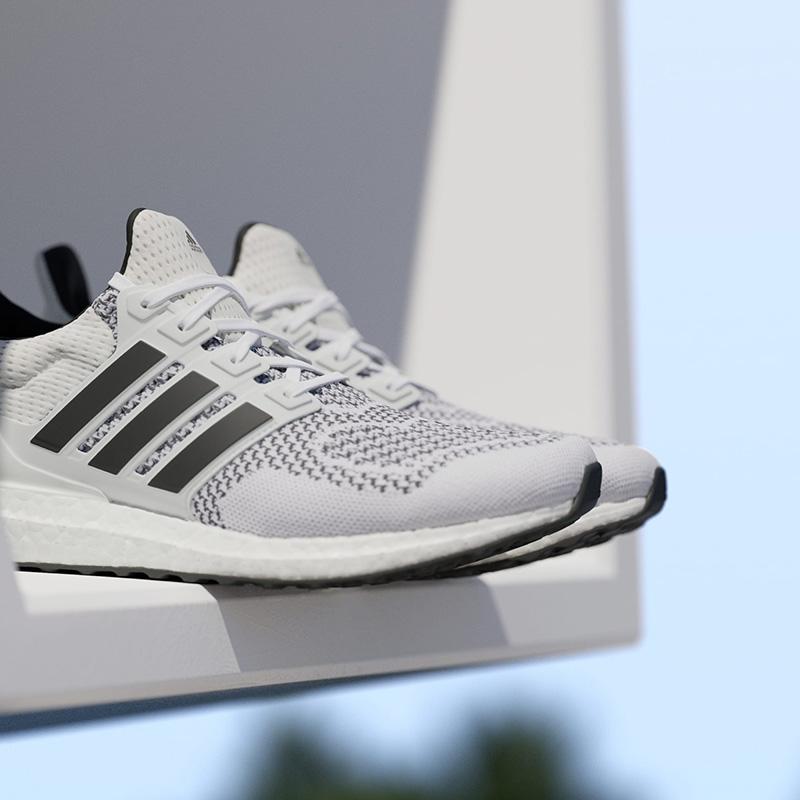
For a mixed selection of used Adidas shoes for sale, keep these distinctions at pair level. A category name cannot supply missing variant documentation. Buyers comparing second hand sneakers need photographs of what they will receive, including disclosed alterations, rather than an illustration of another configuration.
No. Factory Uncaged is a documented variant. Determine the original configuration before describing a cage as missing; then record any separately observed condition issues.
No. Request an explicit variant reference connected to the offered pair. Similar-looking patterned uppers do not replace that connection.
Record the difference between mates and request each shoe's identifiers and history. Do not describe the whole pair as factory Uncaged while that conflict remains.
No. An alteration record explains a construction change, not its effect on an individual wearer. Do not add fit or performance promises to the resale description.
Before listing cage-free used sneakers, connect the actual pair to its original configuration. Use the factory variant name only when supported, disclose established removal, and leave unknown history explicit. The next useful request is the missing variant document or pair photograph, not a more confident adjective.

Direct Factory Supplier of Used Shoes For African Markets In China
 Tel: +8618606960861
 Email: info@usedshoeswholesale.com
 MP/WhatsApp: +8618606960861
 Manufacturer Address:Cizao Town, Jinjiang City, Quanzhou City, Fujian Province