Author:Used Wholesale Manufacturer TIME:2026-11-10
A "no repeated styles" instruction can remove useful size coverage as easily as it removes excess stock. When buying used shoes wholesale, first decide what repetition means inside the sneaker selection. Several similar-looking pairs in different marked sizes present a different inventory choice from the same number concentrated in one size. Neither the word mixed nor a colorful photograph answers that question.
For this decision, an appearance group is a buyer-defined description of shoes that would present a substantially similar choice on the intended shelf. It is not an authenticated model name, a manufacturer code or a technical-performance category. A broad description might use overall silhouette, the visible sole profile and the main arrangement of contrasting areas.
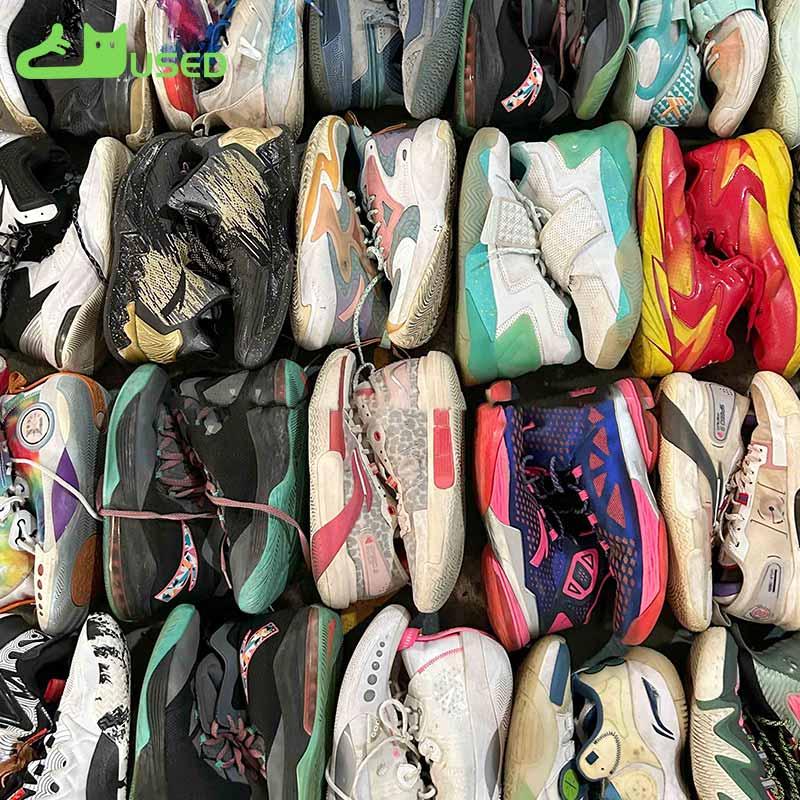
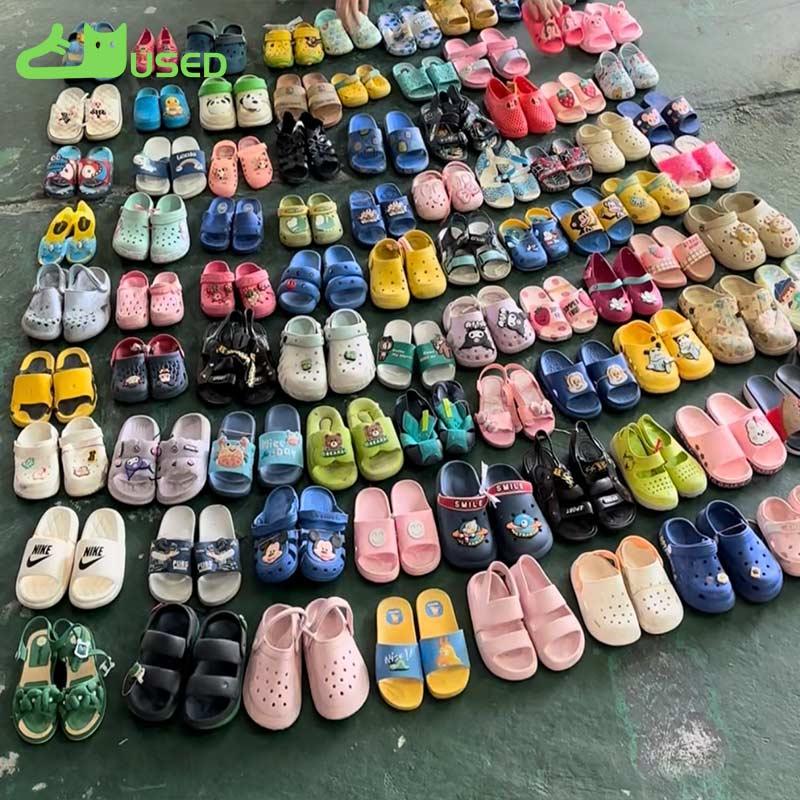
The men's fashion sneaker and sports-shoe pages describe mixed styles but do not promise a number of distinct designs. Their photographs also show why the buyer needs a definition: similar-looking pairs may sit beside noticeably different forms, and many details disappear in a pile. A photograph can help explain the grouping rule without proving the quantity of any group.

Keep the selected sneaker category fixed and compare how six hypothetical pairs are distributed across looks and marked sizes. The examples below are fictional arithmetic for explaining the decision. They do not describe an available lot, an order size, a recommended stock level or observed sales.
| Arrangement | Marked-size distribution | Buyer question |
|---|---|---|
| Six pairs, one appearance group | All six carry the same marked size | Is that much depth in this particular look and size useful? |
| Six pairs, one appearance group | Two pairs in each of three marked sizes | Does keeping the look across these sizes serve a documented stocking need? |
| Six pairs, six appearance groups | All six carry the same marked size | Does visual variety help when the required size coverage is still missing? |
The table explains why counting distinct looks is not enough. The first and second arrangements have the same appearance count but different size coverage. The third has more variety yet does not solve a shortage of other sizes. A buyer should choose the useful combination from their own inventory requirements, not assume that the most varied photograph represents the better purchase.
Do not turn those three sample sizes into a conversion chart or a claim about fit. Record the actual size system and markings in any real count. Unreadable or conflicting marks cannot be used to make a repeated style appear to have a complete size run.
A limit on the total number of repeated pairs controls exposure to one look. It does not say where those pairs should sit in the marked-size run. A selection could stay below that limit and still place nearly all its depth in a size the buyer already holds.
A limit within each look-and-size position addresses that narrower problem. It lets the buyer retain the same appearance across several needed sizes without treating every additional pair as unwanted duplication. The buyer still needs to decide which positions need depth and which should remain small.
Use actual stock records to set these ceilings. If those records are incomplete, identify the unresolved size positions instead of presenting a guessed limit as a proven buying rule. Do not enlarge one position merely because the overall appearance total has room left. A maximum is a boundary, not a quantity that must be filled.
Keep the two instructions distinguishable in the reply: total pairs of the look, and pairs within each marked-size position. Neither number establishes future sales or turns the marked size into a fit guarantee. Their purpose is to make the buyer's chosen exposure visible before the selection is accepted.
Once the appearance rule is clear, request the number of complete pairs in each look and marked-size combination that matters to the buyer. Keep the total number examined beside that return. A view of a few selected pairs can illustrate the counting method, but it cannot establish how often the look occurs throughout an unexamined selection.
A useful response distinguishes a count of the proposed stock from a count of an inspected sample. If the supplier has not counted repeated looks, record the question as unanswered. Do not derive a percentage from visible shoes around the outside of a bag, and do not multiply an attractive sample into an assumed container total.
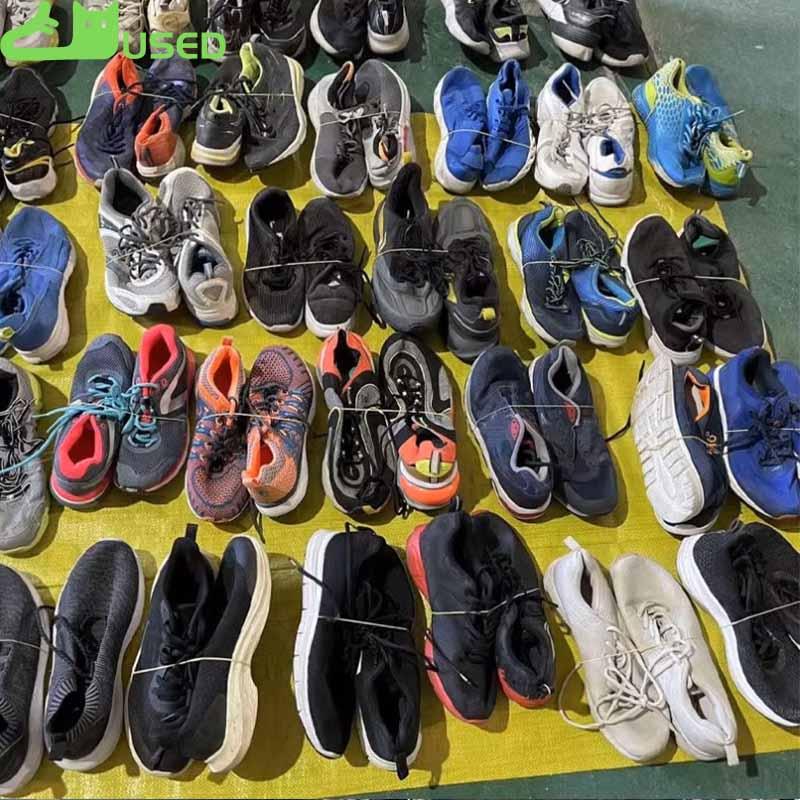
The buyer's next action is to specify where repetition is acceptable: across distinct marked sizes, within a size that needs depth, or only within a chosen appearance limit. There is no universal maximum that can be read from these product pages. The relevant men's mixed sneaker assortment provides the sourcing context, while current counts determine whether a particular offer meets that narrower request.
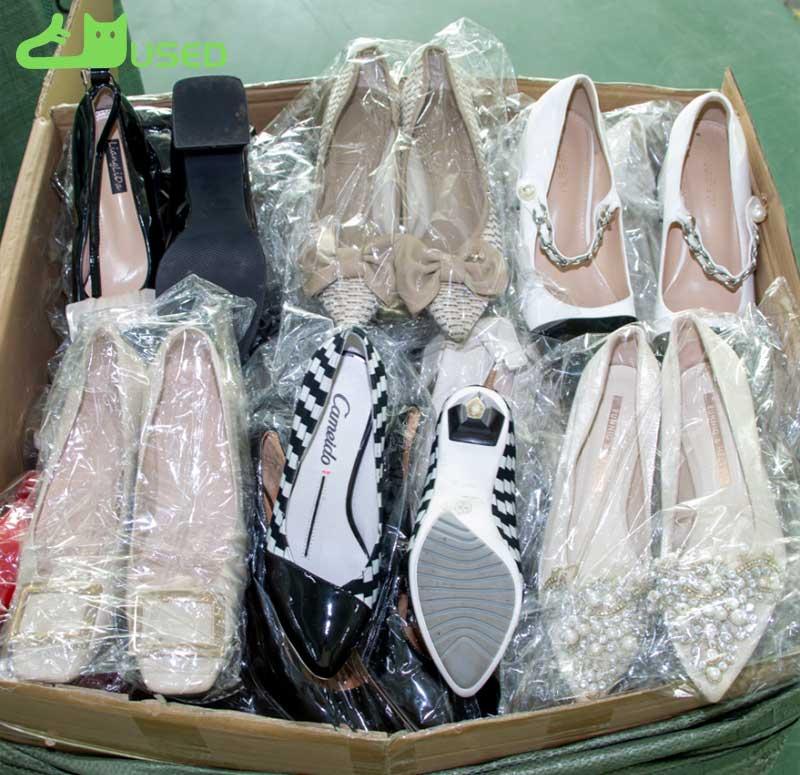
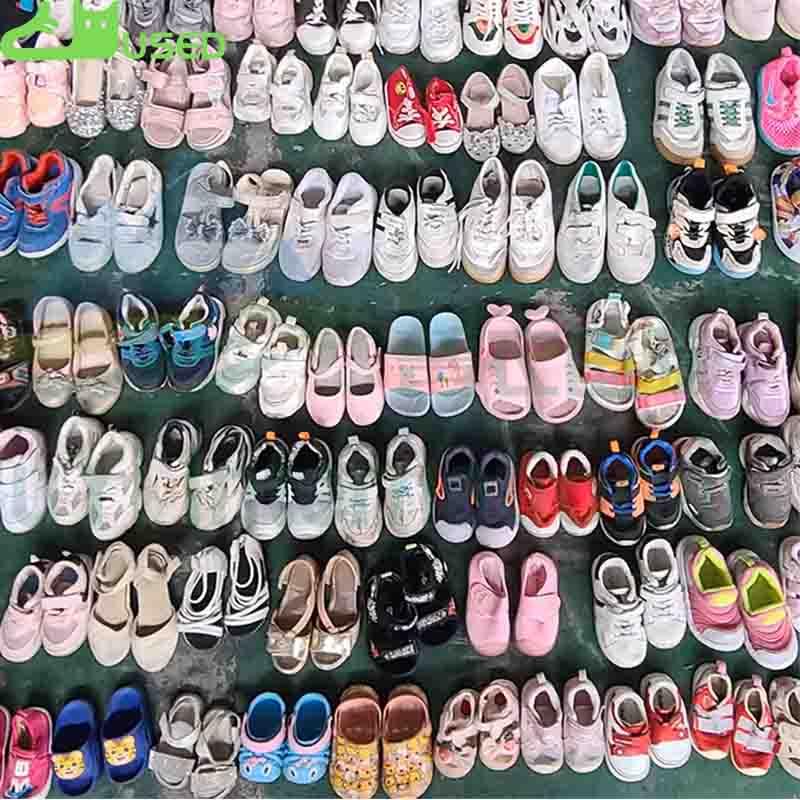
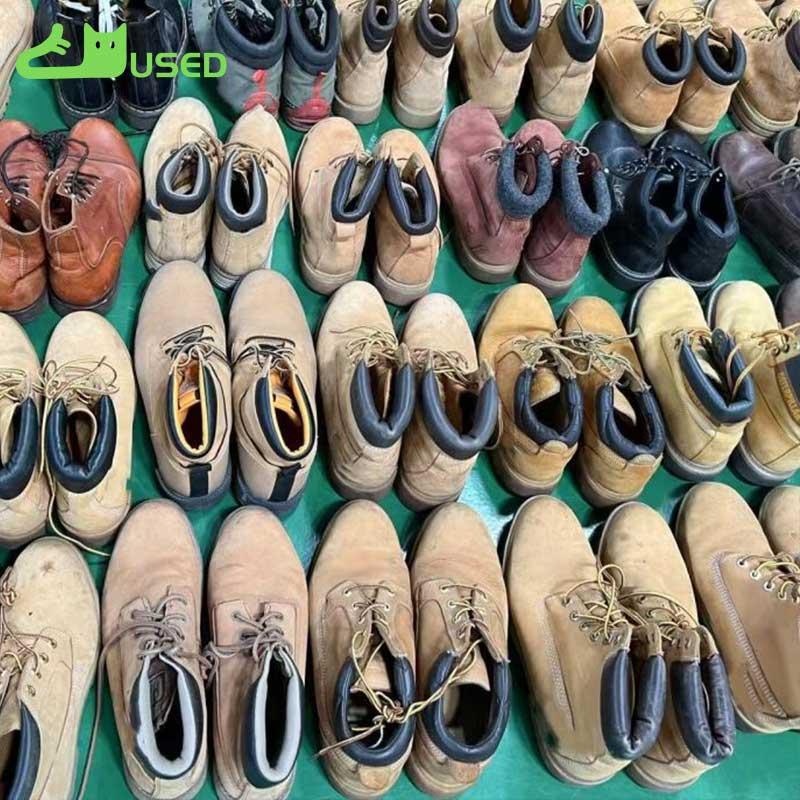
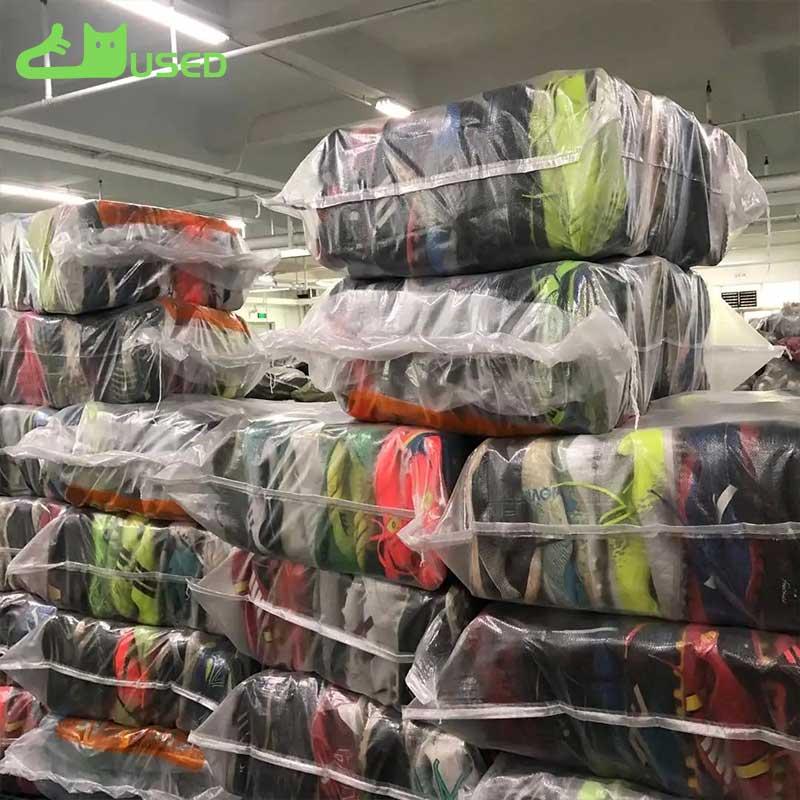
An arranged selection gives room to compare outlines; wrapped units show only some surfaces and often conceal the rest. Use each image for the question it can actually answer. Seeing several similar outsole edges through wrapping is not enough to call the hidden shoes duplicate styles. Seeing many colors is not enough to conclude that the shipment contains many distinct looks.

When requesting clearer views, identify the appearance groups that remain uncertain. Ask for enough separation to compare those shoes without claiming that photography replaces a count. This is a style-depth question within the chosen category, not a reason to redesign the container's category ratios or its packing allocation.
No. Repetition may provide needed marked-size coverage or depth. Its value depends on the buyer's stated inventory need, not simply the number of appearances in a photograph.
Not when concentration within a particular marked size is the concern. Keep the total appearance limit separate from any ceiling within each size position.
The buyer can state that preference, but availability is unconfirmed and useful size coverage may be reduced. Ask what the current selection can support before relying on the request.
No. They illustrate counting only. The site's current business is wholesale container sourcing with a minimum of one 20GP, not sales of those hypothetical groups.
Replace a blanket ban on duplicates with two explicit questions: what makes the shoes look similar, and how many pairs are useful in each marked-size position? Keep the appearance definition beside the current counts. The buyer can then retain purposeful depth without mistaking repeated colors, concealed shoes or an incomplete size run for a well-balanced visual selection.

Direct Factory Supplier of Used Shoes For African Markets In China
 Tel: +8618606960861
 Email: info@usedshoeswholesale.com
 MP/WhatsApp: +8618606960861
 Manufacturer Address:Cizao Town, Jinjiang City, Quanzhou City, Fujian Province