Author:Used Wholesale Manufacturer TIME:2026-11-24
A leather symbol inside a shoe does not necessarily describe its upper. It may sit beside the symbol for the lining or the outsole instead. When selecting second hand shoes by material, read the component and material together before placing the pair in a leather-upper or textile-upper group. The location of the label inside the shoe is not its scope: an interior label can describe several different parts.
In the common component-pictogram scheme, each component symbol is associated with one or more material symbols. First identify which part is being described; then read its associated material. Do not assume a cropped symbol is the first row of a complete label. Layouts may be compact, so obtain the whole label when the relationship between symbols is unclear.
The component drawings use a shoe outline to locate the part being described. Look at the indicated outer upper, interior or ground-contact sole rather than treating every shoe-shaped mark as the same symbol. If wear has removed that distinguishing detail, a clear material symbol beside it still cannot tell you which component it describes.
The scheme distinguishes leather, coated leather, textile and other materials. Preserve those category names when transcribing a label. Coated leather should not be silently renamed textile or plastic, and a textile entry does not identify a particular fiber such as cotton. Other materials is a broad category, not a precise declaration of rubber, polyurethane or another named substance.
The surrounding outline therefore matters: a diamond inside a hide and an isolated diamond carry different meanings. Read the complete mark, then connect it to the component beside it. For example, a fabric-pattern mark paired with the upper symbol and a hide mark paired with the lining symbol describe different materials in different parts, not an uncertain choice between two whole-shoe descriptions.
The component boundary matters just as much as the material name. A leather lining does not establish a leather upper. A textile upper does not establish that every interior surface is textile. Even when the same category appears against all three components, the label is still a component-based declaration, not a complete description of adhesives, reinforcements or every accessory.
Also avoid changing a category statement into a claim that the component is entirely one material. This labeling approach can identify predominant materials rather than list every small piece. For an all-material exclusion requirement, the buyer needs more detailed composition information than a casual reading of a single symbol can provide.
| Example | Upper entry | Lining and sock entry | Outer sole entry | What the buyer can say |
|---|---|---|---|---|
| A | Textile | Leather | Other materials | The label identifies a textile upper and leather interior category, not a leather upper |
| B | Leather | Textile | Other materials | The upper entry supports a leather-upper description; the lining entry remains different |
| C | Coated leather and textile | Textile | Other materials | Keep both upper categories; do not simplify the upper to one material |
A buyer seeking leather uppers would evaluate example B differently from example A, although both contain a leather entry. That is the practical reason to record the component first. Example C requires a separate decision about whether mixed upper categories fit the request. The table does not assign a grade, value or current condition to any example.
For resale wording, a concise component-specific sentence is better than a whole-shoe adjective. Label indicates leather upper with textile lining says which parts are covered. Leather shoes can be ambiguous when used without that qualification, particularly if the original reading concerned only the interior.
Two material symbols associated with the upper do not create two uppers or tell you which visible panel is made from each material. Keep the combined declaration in the upper field. A panel-by-panel description requires additional information.
Do not convert the order of those symbols into an exact percentage. A label that names two categories is not a full composition calculation. Nor should an unlabeled decorative piece be assigned a material simply because it resembles the main upper. The useful reading preserves the information actually present without adding proportions or a panel map.
Suppose the material symbol is readable but the adjacent component symbol is worn away. The missing fact is which part that material describes. Record the surviving information and request a complete label view, if available, rather than assigning it to the upper by default. If another shoe has a legible label, first establish that it is the corresponding mate; an unrelated similar-looking style is not a replacement label.
Keep present condition separate from the original declaration. A replaced insole, added heel lining or other documented alteration may mean the current interior no longer matches every original entry. Preserve both facts instead of editing the old label reading to fit the alteration. A material declaration is useful information, but it does not certify originality or authenticate the shoe.
This article explains how to read existing information. It does not instruct a buyer to manufacture replacement labels, assert regulatory compliance or apply one market's requirements to every second-hand shipment. When labeling obligations are the question, they need a separate check for the relevant market and transaction.
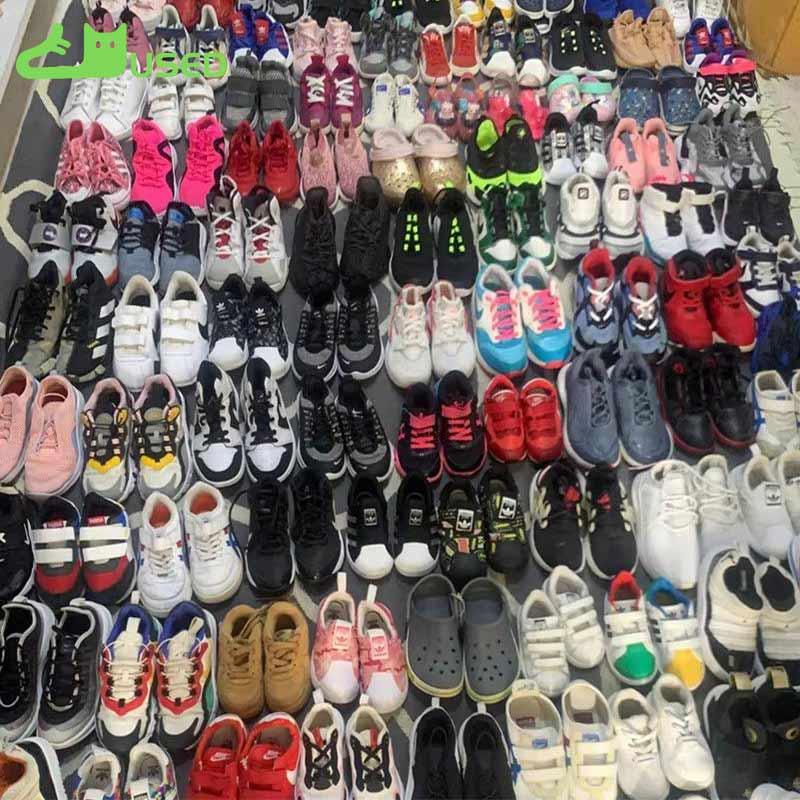
Ask for a proposed mixed footwear selection using the component that actually matters to the purchase. Leather uppers with lining categories recorded separately is a different request from leather interiors regardless of upper material. Specify whether coated-leather and mixed-material upper entries are acceptable rather than leaving those cases to interpretation.
For used shoes wholesale, grades, marked-size choices and packing formats are quotation-confirmed options, and the minimum order is one 20-foot general-purpose container, or 1x20GP. A material preference is a sourcing request, not evidence of available quantities. When comparing offers for used leather shoes for sale, ask whether leather refers to the upper, the interior or both before agreeing to a selection.
No. Its physical location is separate from the components shown by its symbols. Read the upper, interior and outer-sole entries individually.
No. It is a broader material category. A particular fiber needs more specific information; do not infer it from the textile entry alone.
Not necessarily. Preserve the broad category unless a more specific declaration supports the narrower material name.
No exact split follows from the two names alone. Keep both categories and request a specific composition statement if the proportions matter.
Read each material together with its component, preserve multiple entries and keep altered parts separate from the original label. That produces a useful purchasing distinction: leather upper, leather interior and a generally leather-looking shoe are not the same description. Decide which component your selection requires before evaluating the supplier's proposed mix.

Direct Factory Supplier of Used Shoes For African Markets In China
 Tel: +8618606960861
 Email: info@usedshoeswholesale.com
 MP/WhatsApp: +8618606960861
 Manufacturer Address:Cizao Town, Jinjiang City, Quanzhou City, Fujian Province