Author:Used Wholesale Manufacturer TIME:2026-08-11
Bulk resale order dossier
Buying used women's shoes in bulk is an inventory specification problem. Before asking for a price, the reseller should define the intended sales lanes, accepted condition boundary, marked-size needs, category balance, preparation capacity and packing evidence. The order becomes comparable only when suppliers answer the same fields for current stock.
List the channels the buyer actually operates or plans to test: general market stalls, curated stores, online listings, specialist footwear groups or discount clearance. This is an internal allocation plan, not a claim that one category sells fastest in every destination.
For each channel, write condition, presentation, size and category limits. A clean sneaker and a structurally sound heel may both pass a broad grade while requiring different photography, preparation and price bands. Keep the lane rules specific enough for receiving staff to use.
routine released inventory
narrow construction or size lane
usable pair outside core presentation
decision not yet approved
Define mate integrity, sole attachment, outsole wear, upper damage, closure function, heel stability, lining condition and odor. Add construction-specific checks for sandals, boots, heels and sneakers. State which cosmetic marks are allowed and which findings automatically fail.
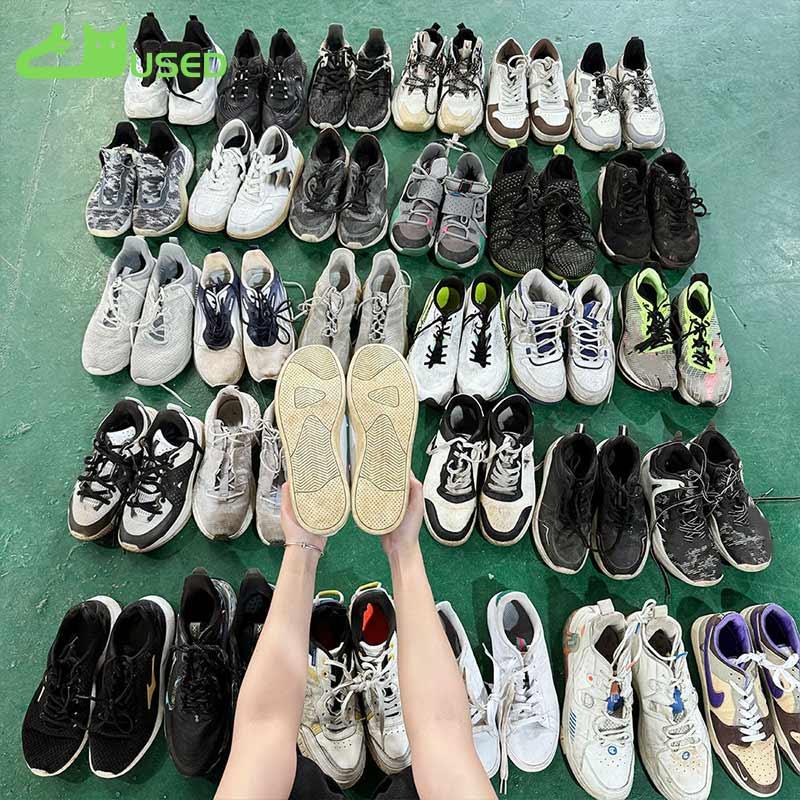
Ask for photographs from ordinary inspected units, including borderline pairs. Record the inspected denominator, passes, preparation holds, downgrades and rejects. Avoid applying a sample percentage to uninspected stock unless the agreed method supports that conclusion.
usable under written rules
routine task pending
usable outside primary lane
excluded from accepted quantity
The sheet separates evidence, commercial terms and assumptions so a lower headline price is not mistaken for a better order.
| Field | Supplier returns | Buyer tests |
|---|---|---|
| Condition | Counts by reason and disposition | Rule is observable |
| Assortment | Form-size matrix | Concentration fits channels |
| Commercial | Price and declared unit | Terms are comparable |
| Packing | Codes, weight and protection | Receiving can reproduce |
Any blank mandatory field remains an open purchasing risk and should be resolved before payment.
Count released sneakers, flats, sandals, heels, boots and other permitted forms. Within each lane, record marked pair sizes and label conflicts. Do not infer size from appearance or convert marks without a documented basis.
State maximum concentration or substitution rules where assortment balance matters. The supplier should return actual current-lot counts. The buyer then approves a revised matrix, reduces quantity or keeps the original requirement instead of silently accepting whatever mix is convenient to pack.
approved form lanes
marked sizes or bands
released pair counts
approved substitution only
Record currency date, delivery basis, commercial unit, estimated or counted pairs, inspection scope, packing type and document package. Keep kilograms, bales and pairs as separate units; do not apply an unsupported conversion.
A supplier price should identify what is included: selection, cleaning, relacing, special size control, brand evidence, packing protection and loading records. Differences in scope belong beside the number so the buyer can compare like with like.
same delivery term and currency date
declared unit and pair basis
sample and acceptance scope
unit, protection and evidence
Open coded units and reconcile gross items, complete pairs, physical passes, identity releases, preparation holds and final sale-ready pairs. Count labor and consumables for cleaning, relacing, insole work and minor repair under actual local processes.
Build landed cost per sale-ready pair from documented product, freight, import, receiving and preparation inputs. Run a weaker-yield scenario as a planning control. Do not publish unsupported resale margins or treat the scenario as a shipment forecast.
starting commercial quantity
complete pairs
condition and claim gates passed
after approved preparation
Retain supplier and receiving results side by side. Compare category concentration, size curve, grade reasons, preparation burden and packing variance. One aggregate satisfaction statement cannot explain which order field worked or failed.
Update the next brief with approved changes and preserve the earlier version. A tighter grade may improve direct-to-sale yield but reduce availability or raise cost; a broader mix may change labor and allocation. Record the trade-off instead of labeling every revision an improvement.
field performed within tolerance
variance created avoidable work
controlled substitution approved
uncertain change needs another trial
Attach separate fields for pair inspection, allowed cosmetic variation, structural exclusions, mixed-form limits, marked-size priorities and preparation policy. Request a dated count from the proposed stock and examples from routine packing units. A supplier can then return evidence against each requirement instead of replying with a broad grade promise.
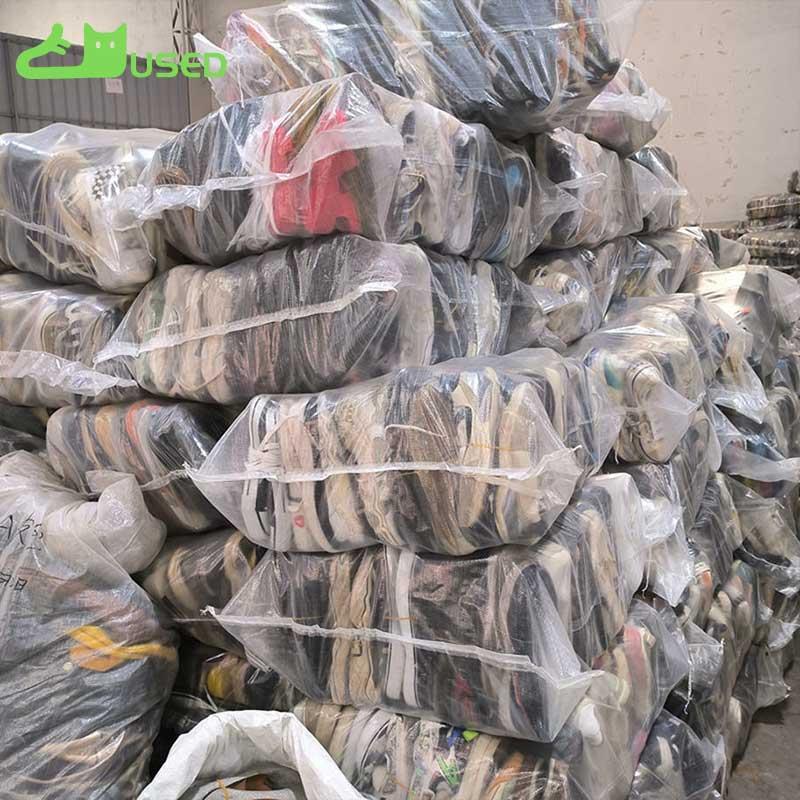
State packing unit, protection, gross weight, accepted-pair basis and pre-loading reopening sample. Identify the documents needed before loading and the receiving records expected after arrival. Close the inquiry with one owner and due date for every unresolved field; commercial discussion begins after those gaps are visible.
observable pass and fail limits
form-size cells and tolerance
code, protection and count basis
reopen sample and document set
Use a controlled trial when grade, mix, preparation or supplier evidence is not yet reproducible.
No. Translate it into observable limits and counted dispositions.
After mate, condition and any identity holds are removed.
Use the declared commercial unit for the contract and accepted or sale-ready pairs for operational comparison.
Use documented receiving and allocation results, preserving the prior brief and reasons for revision.
Bulk buying becomes controllable when channel rules, condition limits, assortment counts and trial economics share one dossier. The used women's shoes wholesale range sets the product boundary; the current specification and receiving record decide whether a lot fits the resale plan.

Direct Factory Supplier of Used Shoes For African Markets In China
 Tel: +8618606960861
 Email: info@usedshoeswholesale.com
 MP/WhatsApp: +8618606960861
 Manufacturer Address:Cizao Town, Jinjiang City, Quanzhou City, Fujian Province