Author:Used Wholesale Manufacturer TIME:2026-08-11
Service-life evidence ledger
Used footwear supports a more circular fashion route only when wearable pairs remain in service and weak inventory is kept out of resale. The environmental wording should follow evidence: pair recovery, structural screening, appropriate preparation, destination fit and a documented disposition for items that cannot be released.
A second owner can use a pair only when mates remain compatible, the structure is serviceable and the shoe fits an actual resale lane. Collection alone does not extend service life. Count complete pairs that pass the written boundary and remain suitable after approved preparation.
Do not claim a fixed amount of waste, emissions or resource savings without a defined method and supporting data. The operational evidence is simpler: how many pairs were received, matched, released, prepared, downgraded, held or excluded.
starting items or pairs
meets condition and scope
approved work completed
outside reusable inventory
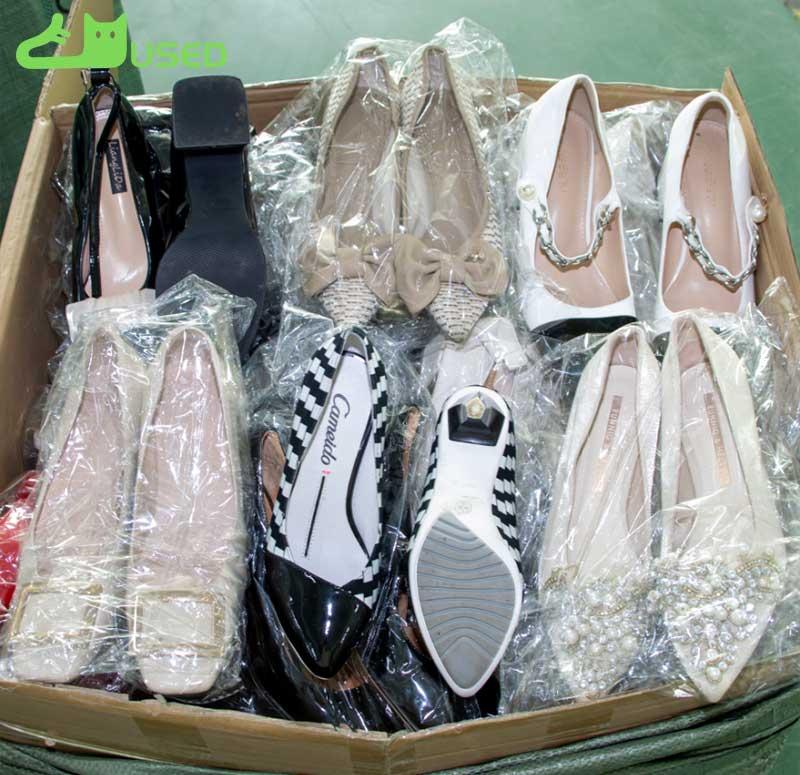
The table keeps process facts, counted results and unsupported impact statements from being blended.
| Statement type | Minimum record | Boundary |
|---|---|---|
| Process | Pairing, inspection and preparation route | No impact total implied |
| Count | Period, denominator and dispositions | Applies only to measured scope |
| Destination | Buyer matrix and accepted mix | No national preference claim |
| Impact | Defined method and supporting data | Do not publish when absent |
Clear boundaries make the reuse claim more credible because unresolved and excluded inventory remains visible.
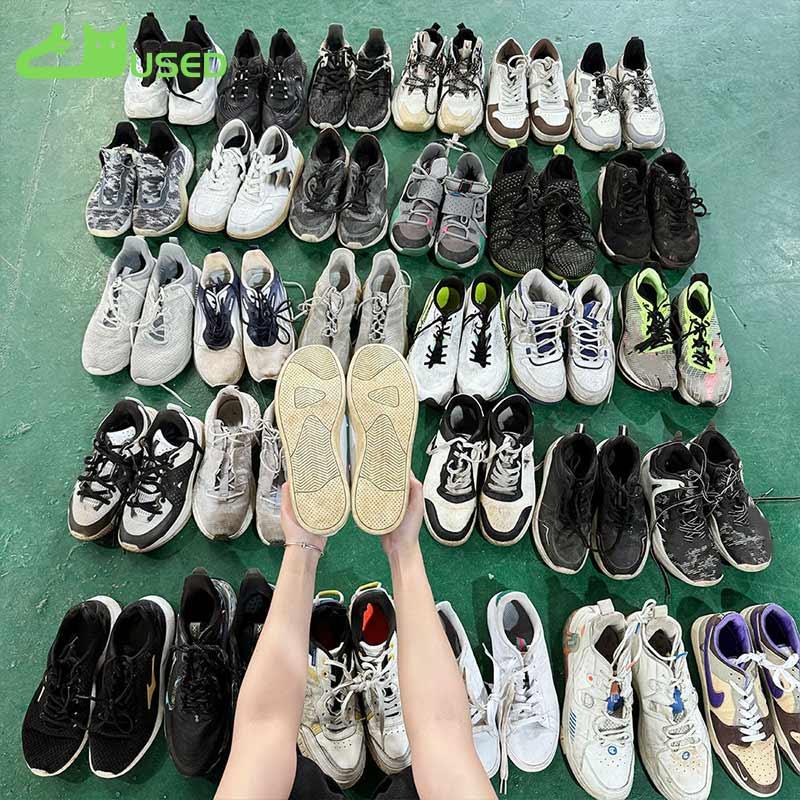
Follow the relevant route for each form. Sneakers need sole bond, flex, collar and outsole checks. Heels need stable attachments and tips. Sandals need secure straps and anchors. Boots add shafts and closures. Flats require topline, sole and interior review.
Separate appearance from structural utility. A cosmetic mark may be acceptable in one resale lane, while active separation or unstable support prevents release. Preserve reason codes so later sustainability wording does not hide physical exclusions.
appearance limit
bond and support
closure and fit components
lining, insole and odor
Cleaning, drying, relacing and permitted minor work may return a pair to the approved presentation lane. Record tasks, water or consumables where the operator already measures them, labor and final disposition. Avoid publishing broad efficiency claims from one batch.
A pair that needs repeated treatment or uncertain repair belongs in a hold or lower route. The aim is not to make every collected item saleable; it is to release only inventory that can be described honestly and handled consistently.
what changed
method appropriate to construction
post-work condition
release, downgrade or exclude
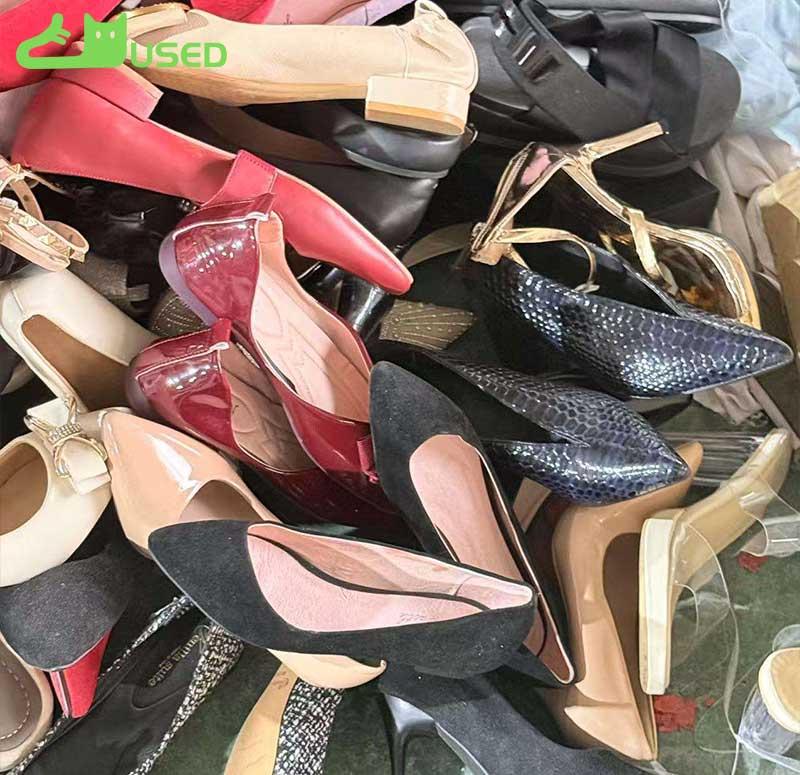
Climate, channel and customer requirements belong in the buyer brief, but avoid unsupported claims about national preferences. Count accepted categories and marked sizes, then compare that evidence with the destination order matrix.
A poorly matched assortment can remain unsold even when physically usable. Track allocation and later receiving feedback as operational data. Do not present one buyer's result as proof of universal demand.
approved construction lane
current marked-pair count
buyer's declared allocation
receiving and reorder record
Describe the process directly: recovered pairs are matched, inspected, prepared and allocated for another use. When a metric is available, state its scope, period, denominator and exclusions. Do not imply certification or lifecycle analysis that has not been performed.
Keep non-reusable outcomes visible. An honest report may show that some items were held or rejected. Omitting those quantities creates a stronger story but weaker evidence.
what the operation actually does
defined period and denominator
labeled assumptions
unreleased material remains visible
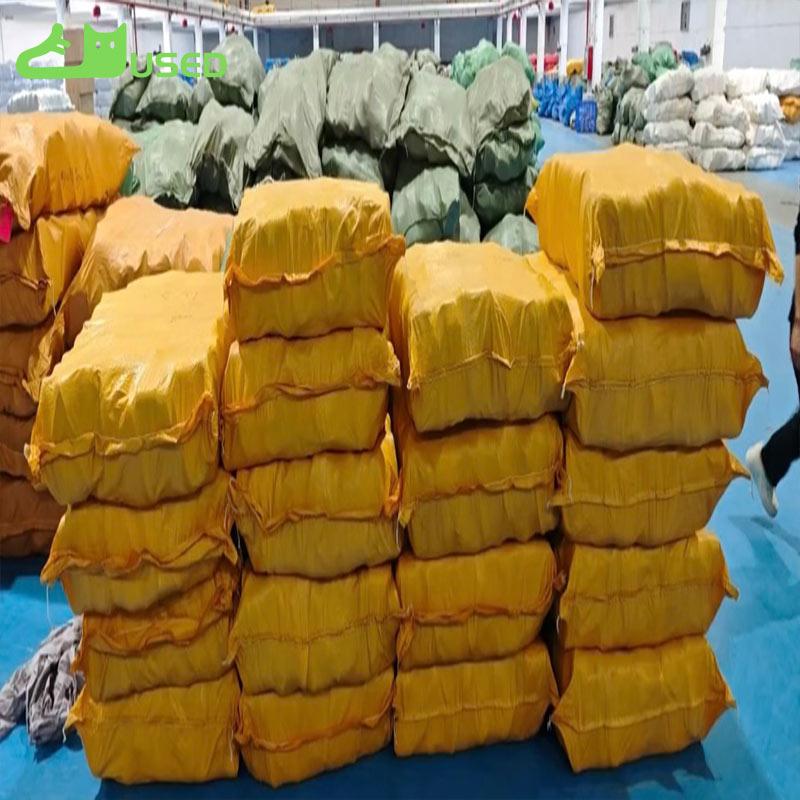
Compare supplier release counts with receiving results by category, size, condition reason and preparation task. Investigate where damage, moisture, shape loss or mix variance appeared. Preserve both records rather than overwriting the source result.
Update handling, grading, packing or assortment rules when evidence supports the change. The objective is a more reproducible reuse route, not a larger environmental claim.
source versus receiving
evidence-based investigation
approved process revision
next-lot comparison
No. Complete, serviceable pairs must pass review and reach another use.
Only with a defined, supportable method; otherwise describe the measured operational process.
They are part of the denominator and prevent overstating released yield.
Record actual methods and outcomes rather than assuming every treatment creates a net benefit.
Use documented variance to revise grading, packing, preparation or allocation controls.
Circular value is conditional on another useful service period supported by pairing, condition, preparation and allocation evidence. The used women's footwear category shows the product family, while measured dispositions define what the current operation can claim.

Direct Factory Supplier of Used Shoes For African Markets In China
 Tel: +8618606960861
 Email: info@usedshoeswholesale.com
 MP/WhatsApp: +8618606960861
 Manufacturer Address:Cizao Town, Jinjiang City, Quanzhou City, Fujian Province