Author:Used Wholesale Manufacturer TIME:2026-08-11
Export sorting control route
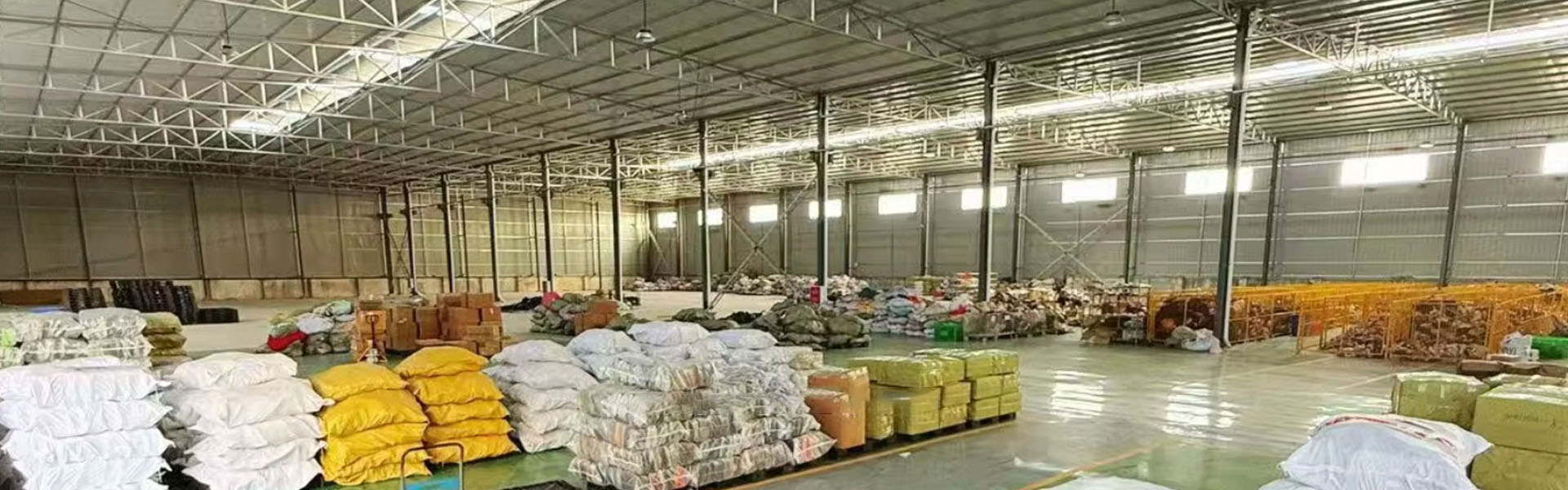
Sorting used women's shoes for export quality requires more than a final grade label. The route must reconcile intake holds, mate matching, construction-specific function, condition disposition, category and marked-size allocation, preparation, packing and receiving evidence for the exact lot.
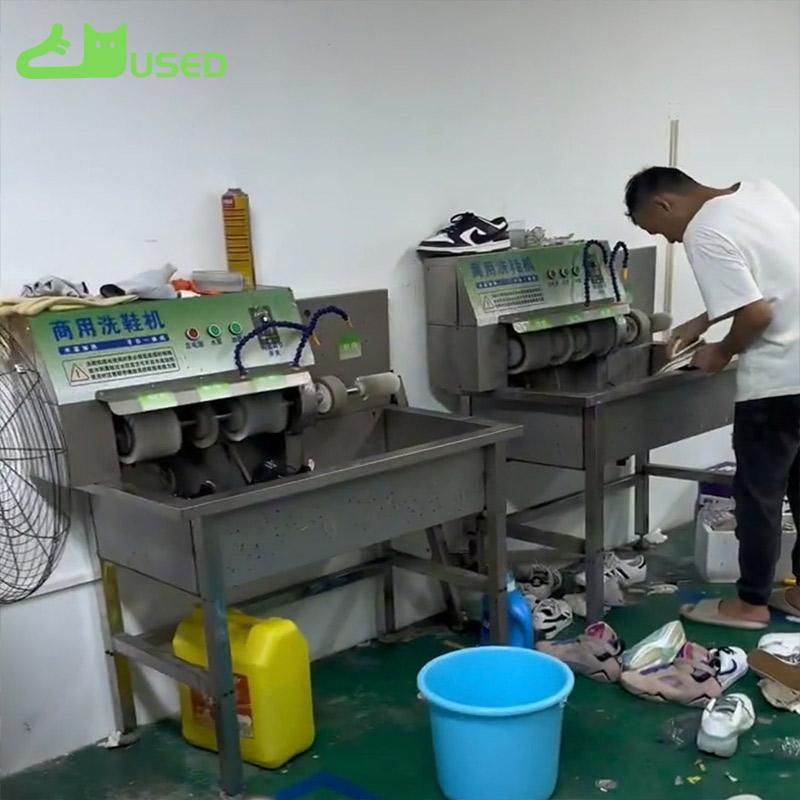
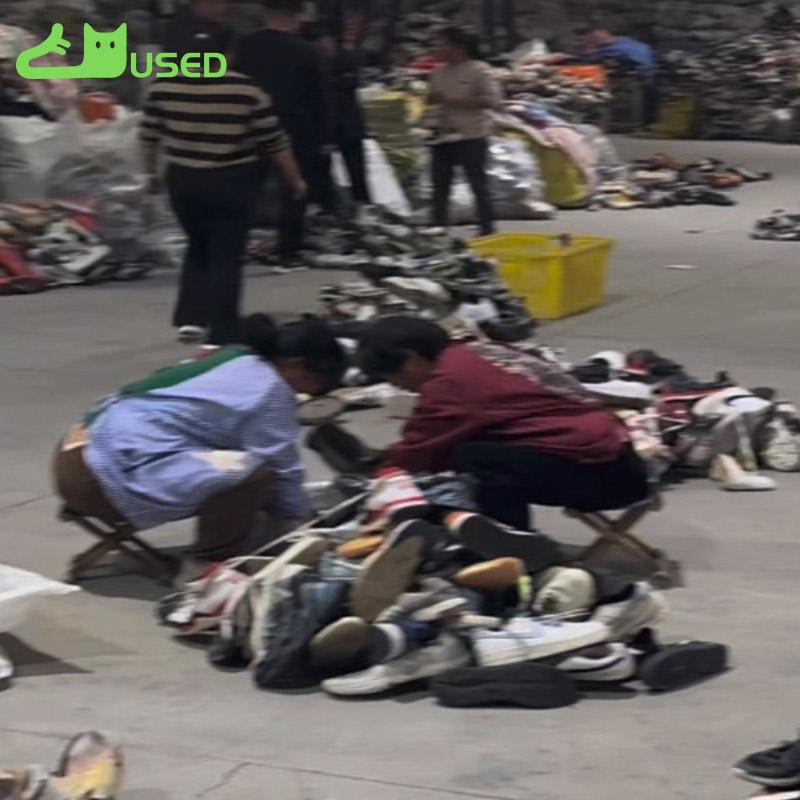
Record source container, arrival time and visible condition before contents spread across the floor. Isolate wet, strong-odor, sharp, heavily contaminated or otherwise uncertain material. Protect ordinary footwear from contact with the hold lane.
Count how much enters ordinary pairing and how much remains isolated. The intake record establishes a denominator and prevents excluded material from quietly returning to the export quantity.
normal pairing route
moisture decision pending
handling issue isolated
outside accepted process
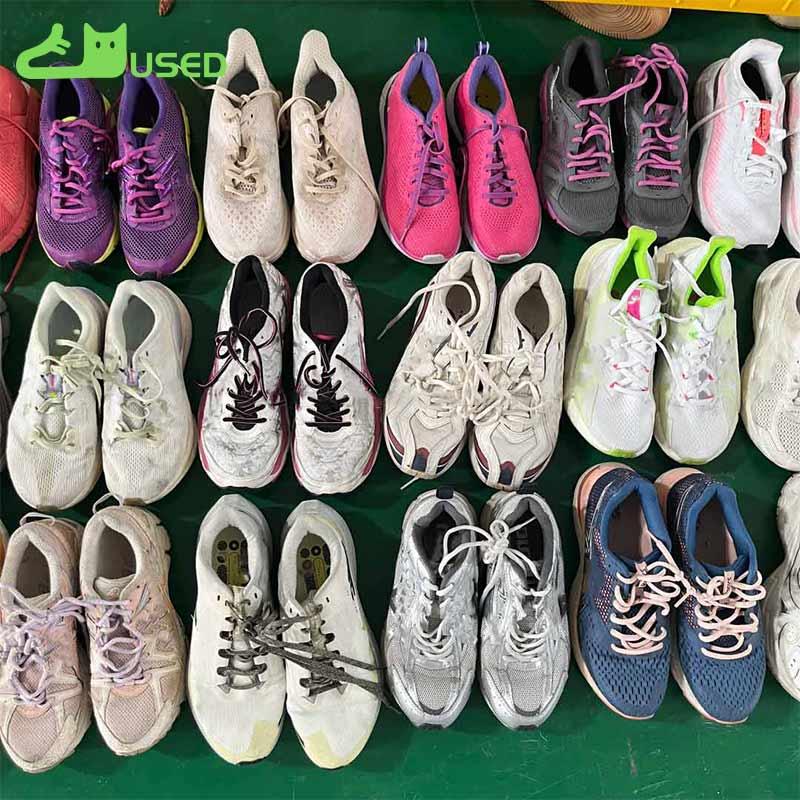
Match left and right by construction, compatible size marks, color and wear. Test closures, heel stability, strap anchors and sole attachment according to form. A pair with one stronger mate should follow the weaker result.
Use codes for conflicts, unreadable marks and uncertain construction. Do not force incompatible shoes together to improve pair yield. Keep the pair count distinct from gross pieces or kilograms.
left-right compatibility
readable pair size
closure and support
sole and upper connection
Write condition rules for upper surfaces, edges, interiors, outsole wear and odor. Define allowed cosmetic variation, approved preparation, downgrade reasons, repair holds and automatic rejects. Train staff with coded examples rather than polished display photographs.
Report the inspected denominator and counts in every lane. A single export-quality percentage hides where preparation or rejection is concentrated.
within current grade
routine work allowed
usable in another lane
not packed for this order
Every lane needs an observable entry condition and a defined next step.
| Lane | Evidence | Exit |
|---|---|---|
| Intake | Source, moisture and safety check | Pair or isolate |
| Pair/function | Mates, marks, closure and bond | Inspect or hold |
| Condition | Reason codes and preparation | Release, downgrade or reject |
| Assortment/pack | Form-size matrix and unit code | Export release |
The sum of releases, holds, downgrades and rejects should return to the inspected denominator.
Separate sneakers, flats, sandals, heels, boots and other approved forms, then cross-tab marked sizes. Keep label conflicts outside the curve. State concentration and substitution tolerances where the buyer requires balance.
Use current counts rather than a generic export mix. Destination-market wording should reflect the buyer's written matrix, not an unsupported national preference.
released construction count
readable marks
approved variance
buyer-authorized change
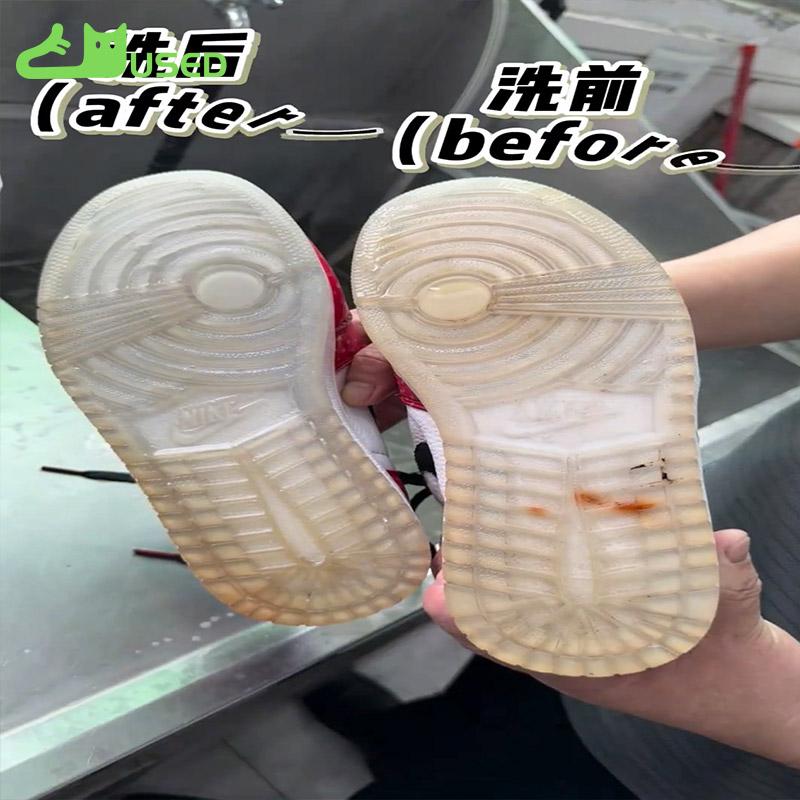
Record approved cleaning, drying, relacing, insole work or minor repair under the pair code. Preserve the initial reason and post-work result. Do not let preparation erase evidence that a pair originally exceeded the primary grade.
Count labor and materials by task lane. If one category creates excessive work, separate it in pricing or change the acceptance boundary before the next lot.
condition reason
approved action
final lane
labor and material input
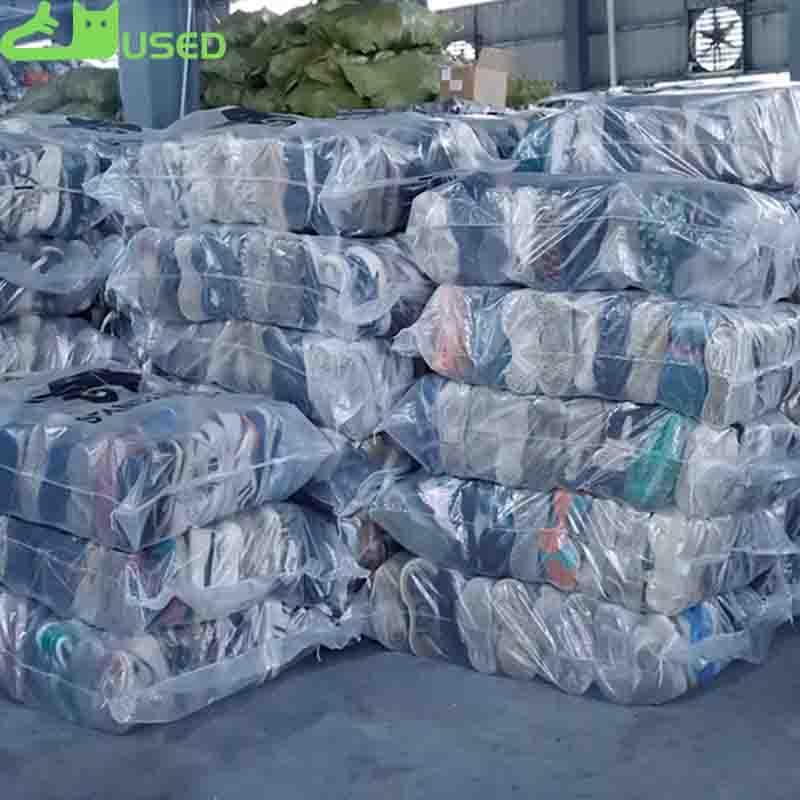
Pack dry released pairs with mates together and protection appropriate to the forms. Label every unit with code, accepted basis, category or grade reference, gross weight and closure date. Keep holds outside the total.
Reopen a reference unit before loading to verify pair count, assortment, shape and label. Save the result so receiving can distinguish packing variance from later transit change.
traceable unit
accepted-pair basis
category and grade reference
pre-loading audit
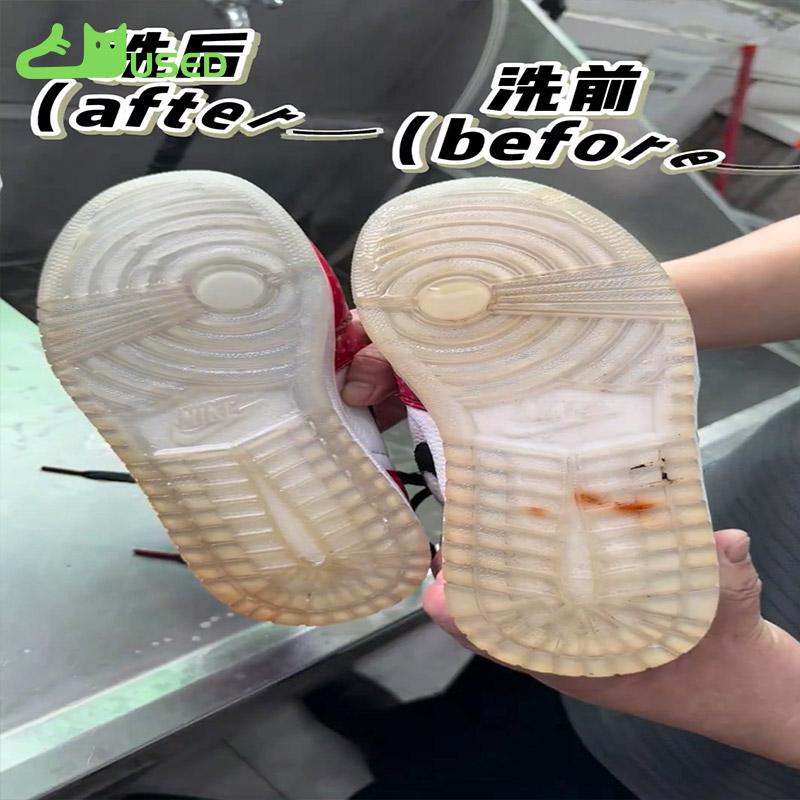
Compare the intake denominator with released pairs, preparation holds, downgraded inventory, structural holds and rejects. Investigate any missing lane. The commercial packing list should use the same accepted-pair basis as the sorting ledger, while retaining gross weight as a separate measurement.
Assign a reviewer and date to the release. If a unit is reopened, relabeled or repacked after approval, preserve the earlier record and issue a controlled revision. This closes the sort without pretending that a corrected document was always the original result.
all inspected inventory reconciled
pairs and weight kept distinct
reviewer and date
change history retained
Before the packing list is approved, sample each released lane for mate identity, construction function, condition code, preparation outcome and assortment cell. Compare sampled findings with the final ledger and isolate any unit whose label or contents no longer match. The checklist should name the reviewer and the evidence file.
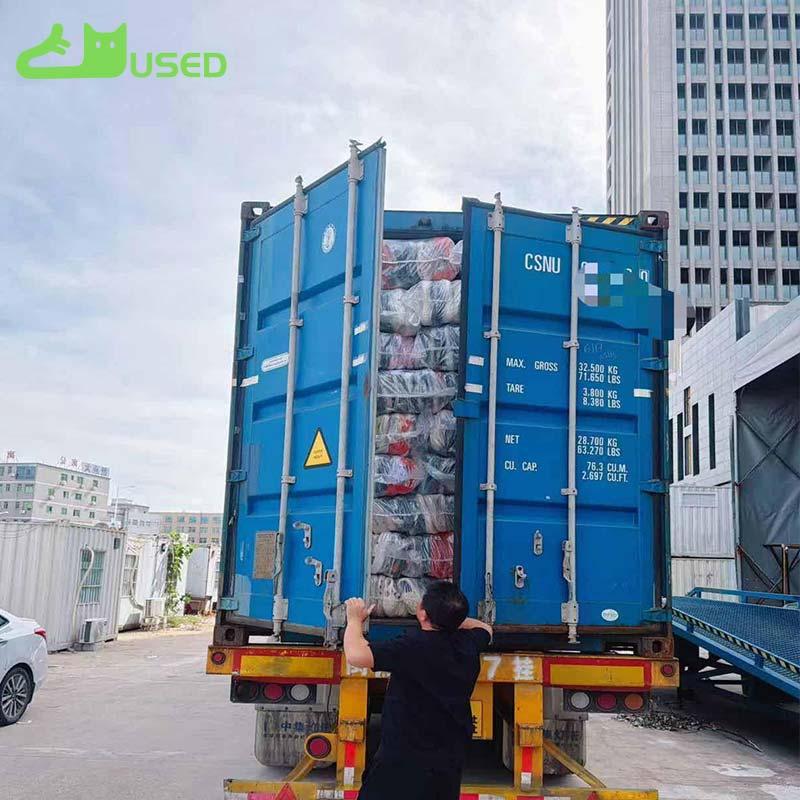
At loading, confirm dry units, protective packing, code visibility, unit count and weight record without converting weight into unsupported pair totals. Record reopened units and seal or loading references where available. Send unresolved deviations back to the buyer before departure rather than burying them in a general export-quality statement.
sample every released route
dryness and form protection
coded count and document match
buyer decision on deviations
Commercial pair counts should follow mate matching and label review.
Retain the original reason and record the post-work disposition separately.
No. Heels, sandals, boots, flats and sneakers have different critical components.
After condition, preparation and any identity holds are resolved.
Pair count, dryness, shape, assortment and label accuracy before loading.
Export quality is a reconciled route from intake through pair, condition, mix and packing controls. The used women's shoes wholesale category identifies product scope; the sorting ledger and coded unit evidence define the current shipment-ready quantity.

Direct Factory Supplier of Used Shoes For African Markets In China
 Tel: +8618606960861
 Email: info@usedshoeswholesale.com
 MP/WhatsApp: +8618606960861
 Manufacturer Address:Cizao Town, Jinjiang City, Quanzhou City, Fujian Province