Author:Used Wholesale Manufacturer TIME:2026-08-11
Importer grade translation contract
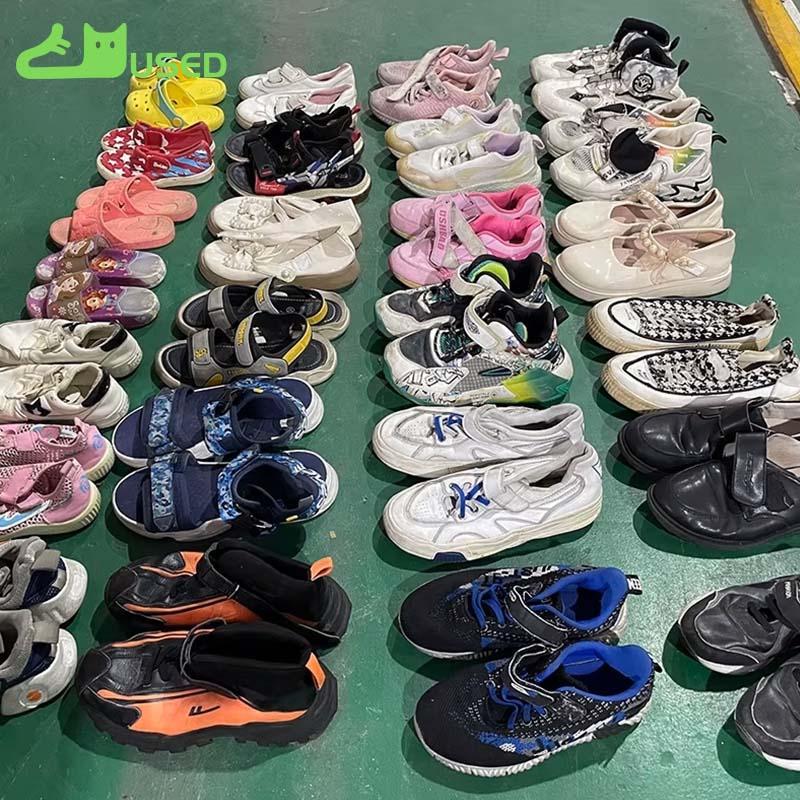
Grade A, B and C labels for used children's shoes are useful only after an importer translates them into observable pair decisions. Suppliers may use the same letter for different cosmetic limits, preparation allowances or exclusions. A comparison therefore needs one written inspection method, counted dispositions, construction-specific function checks and a shared accepted-pair denominator.
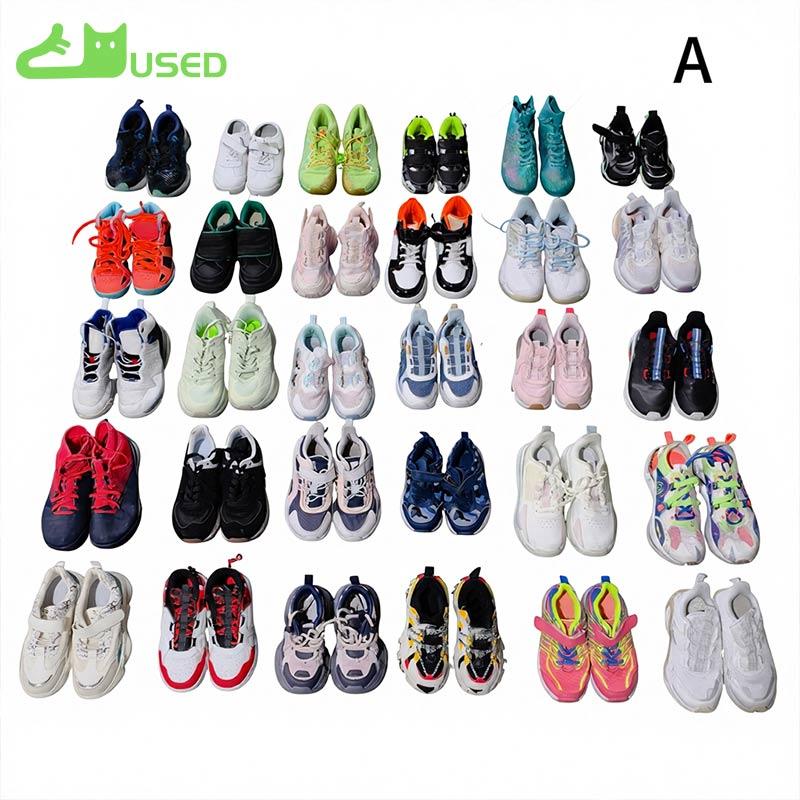
For each proposed letter, define mate compatibility, sole attachment, outsole wear, upper damage, fastening function, support, interior condition, odor, marked-size evidence and permitted preparation. State automatic holds and rejects. Avoid words such as good or minor unless a reviewer can reproduce them.
Use the same field names across suppliers. If one seller combines ready pairs and cleaning holds in Grade A while another does not, keep the categories separate rather than averaging their headline percentages.
buyer-defined primary lane
documented lower presentation
separate approved scope
not a released grade
Shared rules do not remove form-specific checks. Sneakers need bond, flex, collar and fastening review. Sandals need secure straps and anchors. Boots add shafts and zips. School-style shoes may need closure and support checks. One damaged mate controls the pair.
List the critical component beside each form in the grade dictionary. A cosmetic letter cannot override an insecure fastening, active separation or sharp damaged component.
bond flex and closure
strap and anchor
shaft sole and zip
named critical function
The table keeps a supplier letter, observable rule and buyer decision in separate columns.
| Grade field | Supplier must state | Importer verifies |
|---|---|---|
| Pair/function | Mate and critical-component limits | Construction route |
| Condition | Cosmetic and structural reasons | Disposition counts |
| Preparation | Included tasks and recheck | Work burden and outcome |
| Assortment | Released form-size cells | Concentration and variance |
A blank field is an open risk, not permission to rely on the grade name.
Select coded units across packing positions before the results are known. Record opened pairs, passes, preparation, downgrade, hold and reject reasons by construction. Include ordinary and borderline photographs tied to codes rather than a gallery of selected strong pairs.
Report the range across sampled units as well as the combined figure. Expand when one reason clusters. Do not project a sample percentage onto uninspected inventory unless the agreed method supports that use.
predefined coded units
complete pairs inspected
borderline reason examples
strongest and weakest unit
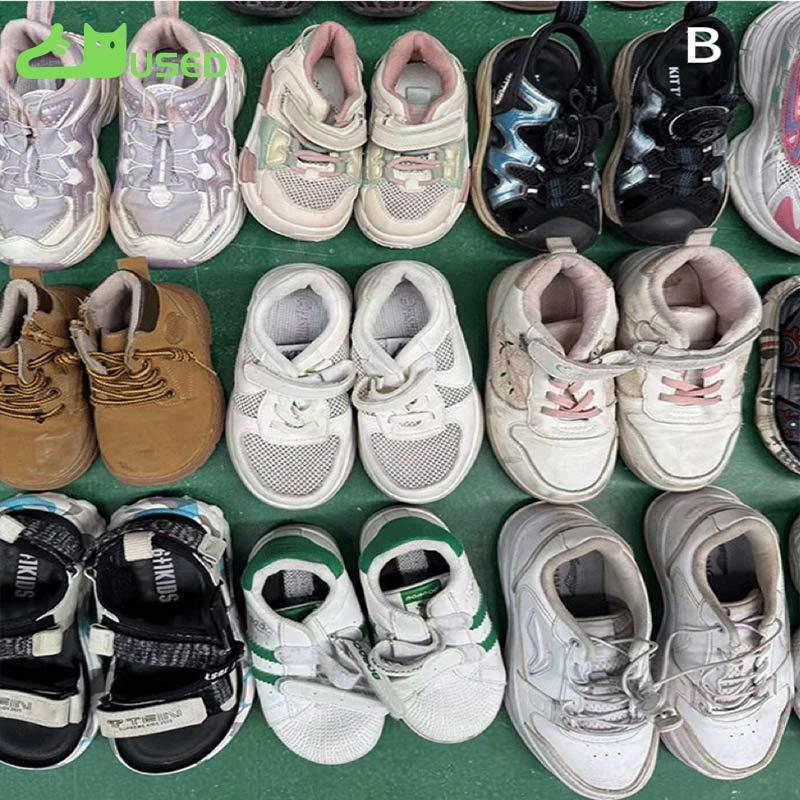
First remove mate conflicts, structural holds and unresolved preparation. Then cross-tab released pairs by form and visible marked size. A high grade percentage does not guarantee a useful size curve, and a balanced curve cannot repair weak physical condition.
Avoid converting marks without a documented basis or inferring age. State the buyer's concentration limits and obtain approval for substitutions before packing.
physical release result
construction lane
visible pair label
released cells only
Record price basis, currency date, delivery term, commercial unit, inspection scope, preparation included, packing format and document package. Keep bales, kilograms and pairs distinct. Calculate an operational comparison on accepted or sale-ready pairs using supported conversions only.
Add local receiving and preparation inputs under the buyer's own process. A cheaper Grade A offer may create more work if its dictionary includes cleaning holds or broad cosmetic damage. Preserve assumptions and replace them with receiving facts.
declared commercial unit
released pair denominator
task and material inputs
labeled planning case
Open agreed coded units and repeat pair, function, condition, preparation and marked-size checks. Compare reason counts instead of only comparing letter totals. Quarantine differences before affected stock enters normal inventory.
Update the next dictionary by field and preserve both versions. Do not redefine a letter after arrival merely to make the supplier and receiver totals agree. Record who approved the revision, its effective date and the first lot governed by it. A controlled change starts with the next approved scope.
same rule and result
named field differs
hold prepare or reallocate
next-order dictionary
No. Compare written fields, methods and counted current-lot results.
Only if the contract defines that status and the buyer prices the work separately.
No. Build the marked-size curve from released pairs after holds.
Ordinary units, boundary outcomes and codes linked to the count record.
Use the shared reason field, quarantine affected stock and close a documented disposition.
Grade letters are shorthand, not evidence. The used children's shoes wholesale range sets the product boundary; a shared dictionary, sampled counts and receiving audit make the current offer comparable.

Direct Factory Supplier of Used Shoes For African Markets In China
 Tel: +8618606960861
 Email: info@usedshoeswholesale.com
 MP/WhatsApp: +8618606960861
 Manufacturer Address:Cizao Town, Jinjiang City, Quanzhou City, Fujian Province