Author:Used Wholesale Manufacturer TIME:2026-08-11
Children's footwear payment release file
A used children's shoes import checklist should control payment with evidence, not simply remind a buyer to ask for quality. Before funds move, the buyer should close supplier identity, lot scope, child-specific inspection, marked-size assortment, preparation, packing, loading documents and exception ownership. Any unresolved mandatory field remains a commercial hold.
Record the contracting entity, payment recipient, quotation revision, currency, delivery term, product scope and authorized contact using the buyer's normal compliance process. Resolve inconsistent names or bank instructions through a verified channel before payment.
Keep commercial identity separate from footwear quality. A valid entity does not prove the lot, and attractive samples do not resolve a payment instruction. Both records need approval.
entity and revision
approved recipient
product and commercial unit
verified authorization
Assign source-lot and packing-unit codes, inspection period, proposed quantity and allowed substitutions. Ask whether the evidence comes from the actual allocated stock, a representative sample or unrelated display inventory. Label the boundary honestly.
Prevent inspected stock from changing unnoticed. Replacements, repacks or quantity changes need a revised list and an evidence decision before the related payment gate closes.
allocated stock identity
packing reference
actual sample or display
changed inventory record
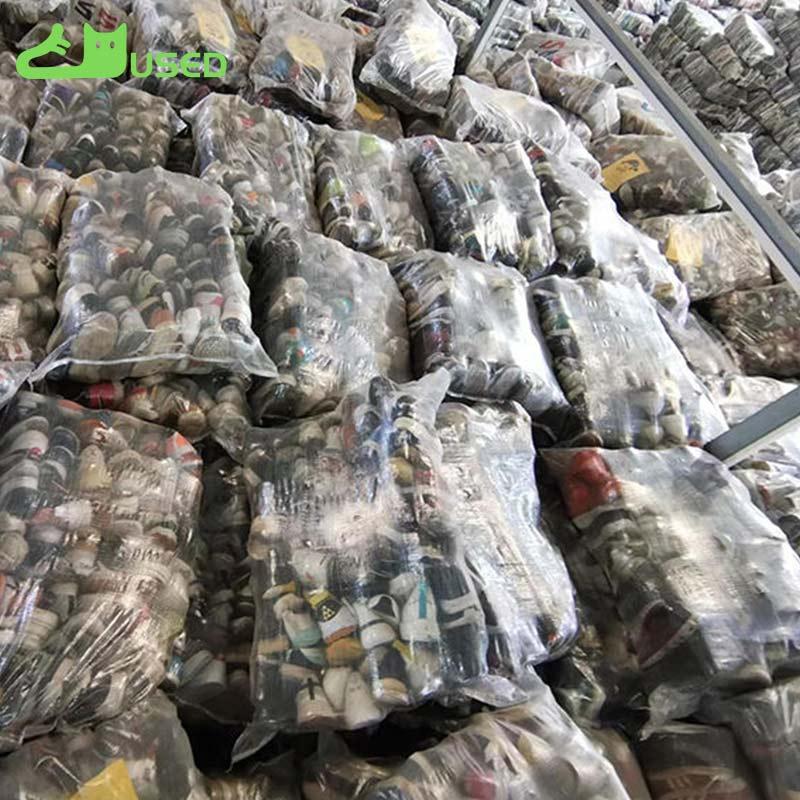
The file names the evidence required at each commercial decision.
| Stage | Evidence to close | Hold trigger |
|---|---|---|
| Before deposit | Entity, scope and payment identity | Mismatch or open order field |
| Before production allocation | Lot codes and inspection method | Evidence not tied to stock |
| Before balance | Released counts, matrix and packing | Variance unresolved |
| After arrival | Receiving comparison and disposition | Affected stock not closed |
Payment timing follows the signed agreement; the checklist makes its evidence conditions visible.
Match mates and labels, then inspect sole attachment, outsole wear, uppers, fastening security, support, interiors and odor. Add strap, zip or construction-specific checks. Count passes, preparation, downgrades, holds and rejects from complete pairs.
Build form-size cells only after physical and preparation holds. Do not infer age or convert labels without evidence. Ask for ordinary and borderline coded examples tied to the count sheet.
compatible mates
secure child-use components
observable disposition
released marked cell
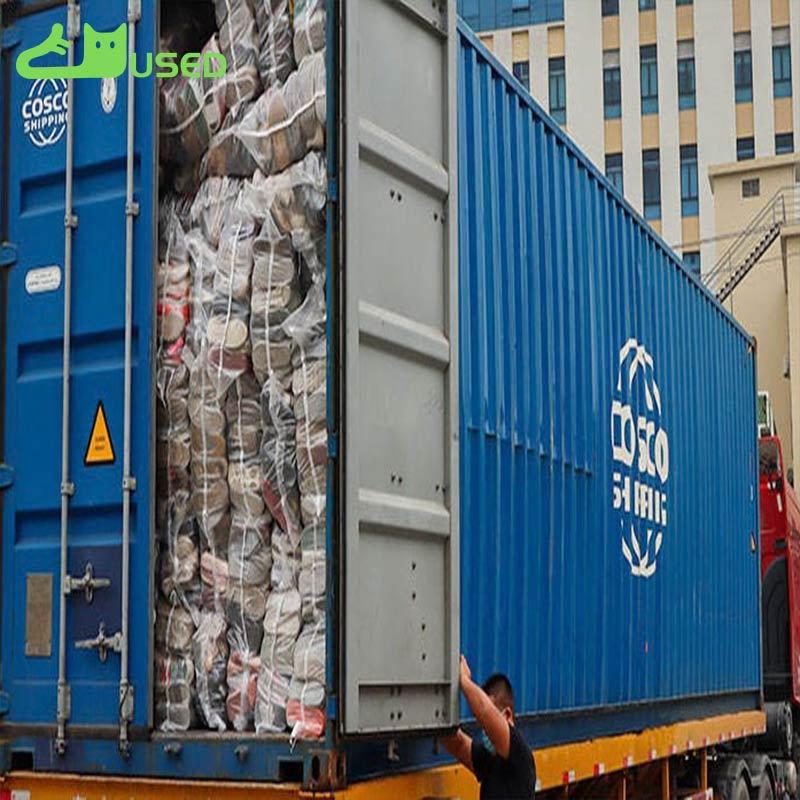
State packing type, accepted-pair basis, gross weight, form-size reference, dryness requirement, pressure protection and label fields. Keep mates together and protect small footwear from heavier forms. Held inventory remains outside the packed total.
Reopen selected units before loading and compare count, shape, odor, labels and matrix. Record changed units and retain the revised packing list. Do not convert weight to pairs without a current supported method.
code and closure date
pairs and weight separate
small forms and interiors
pre-loading result
List the approved quotation, inspection summary, assortment matrix, packing list, loading evidence and open-item log required for the balance gate. Name the reviewer for each. A photograph of loaded units does not replace the count or inspection record.
Where a deviation is accepted, identify the affected codes, quantity, reason and commercial treatment. Keep unresolved physical inventory outside normal release even if a payment remedy is under discussion.
reason counts and scope
released form-size cells
coded units reconcile
owner and disposition
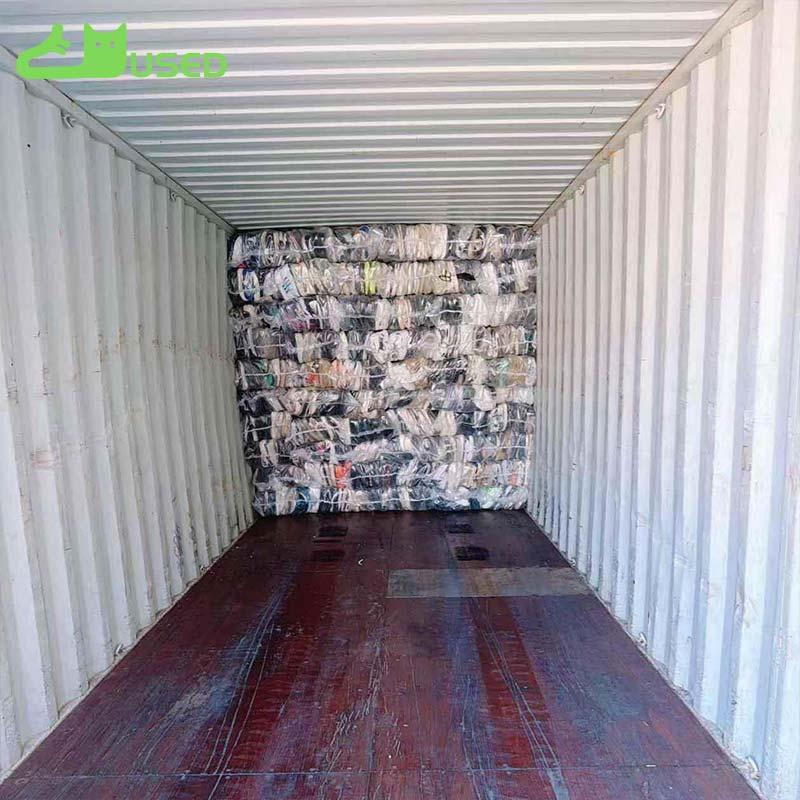
Define the receiving sample, notification period, quarantine route and records needed to compare source and arrival. Preserve pair, condition, size, packing and damage fields. This is operational planning, not legal advice; the signed agreement controls remedies.
Use the result to revise the next order checklist. A closed payment should not erase the evidence needed to understand physical variance or preparation burden.
agreed coded units
same fields and denominators
affected inventory
next order revision
No. Match legal, payment and order identities through the buyer's approved process.
Only when scope and codes connect them to the current stock; otherwise label them as references.
Released pair counts, inspection reasons, assortment, coded packing and open exceptions.
Keep the units separate unless a supported current method is agreed.
No. It organizes evidence; the signed commercial and legal documents control obligations.
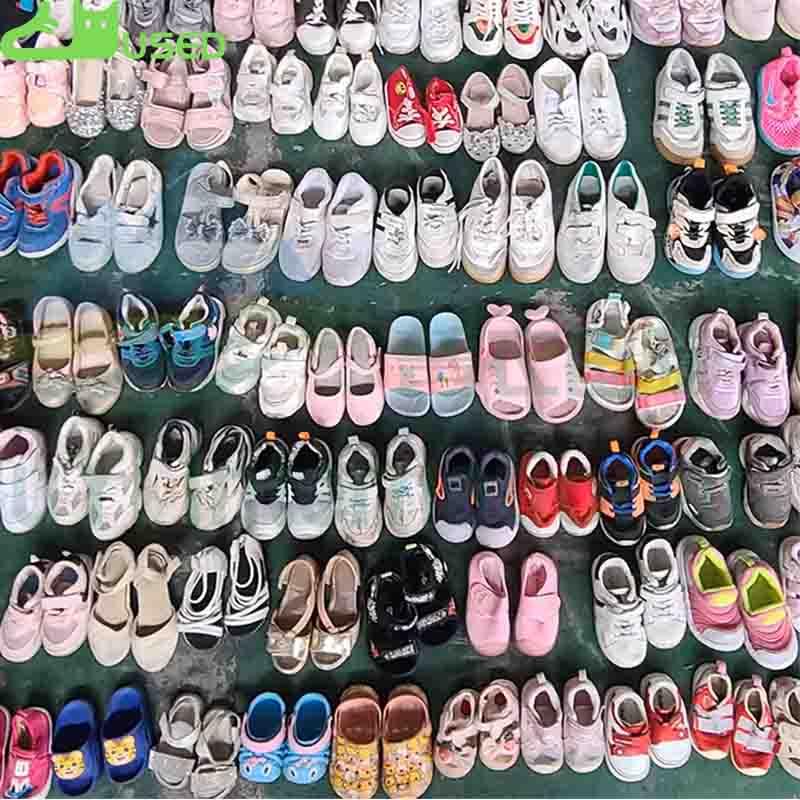
A pre-payment checklist is useful when every commercial gate points to current-lot evidence and an owner. The used children's shoes wholesale category defines the product scope; the signed terms and released records determine when the buyer proceeds.


Direct Factory Supplier of Used Shoes For African Markets In China
 Tel: +8618606960861
 Email: info@usedshoeswholesale.com
 MP/WhatsApp: +8618606960861
 Manufacturer Address:Cizao Town, Jinjiang City, Quanzhou City, Fujian Province