Author:Used Wholesale Manufacturer TIME:2026-08-11
Children's footwear supplier capability map
Importers choose a supplier of used footwear for children when the supplier can repeatedly turn current stock into a documented buyer specification. Selection should focus on lot identity, child-specific inspection, marked-size and form control, preparation capacity, packing traceability, commercial clarity and receiving feedback. A large warehouse or broad quality promise cannot replace those capabilities.
Send permitted constructions, marked-size priorities, condition limits, preparation policy, exclusions, quantity basis and packing requirements. A capable supplier identifies supported fields, current shortages and open questions instead of agreeing to every request.
Compare response revisions and owners. Ask which statements refer to allocated stock, a representative sample or general process. This prevents a standard brochure from being mistaken for a current-lot answer.
approved forms
observable limits
pairs units and weight
unanswered current field
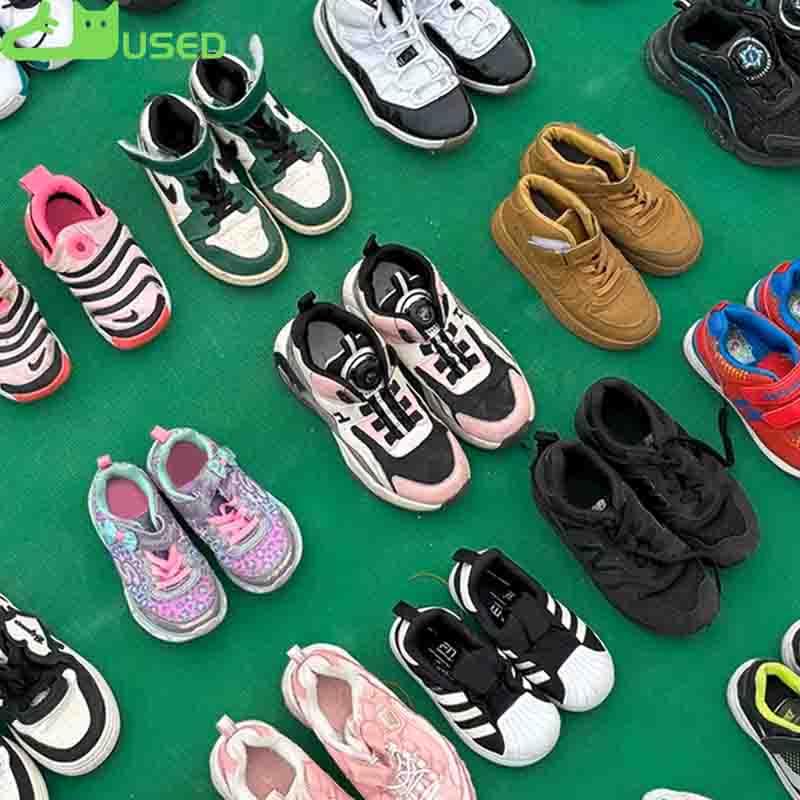
Review mate matching, sole bond, outsole, uppers, fastening security, support, interior and odor routes. Add sandal straps, boot zips or other construction-specific checks. Ask how borderline outcomes are trained and who can override a hold.
Request counts by pass, preparation, downgrade, structural hold and reject from ordinary coded units. Evidence should show reasons and denominators, not only selected attractive pairs.
written inspection route
coded boundary examples
hold and release owner
reason counts
The map asks for a reproducible record at each buyer decision.
| Capability | Supplier evidence | Buyer test |
|---|---|---|
| Scoping | Current stock and open fields | Inquiry is answerable |
| Inspection | Method, reasons and counts | Boundary is reproducible |
| Assortment | Released form-size matrix | Variance is visible |
| Operations | Work, packing and feedback | Reorder uses receiving |
Score the evidence and ownership behind the response, not the confidence of the sales language.
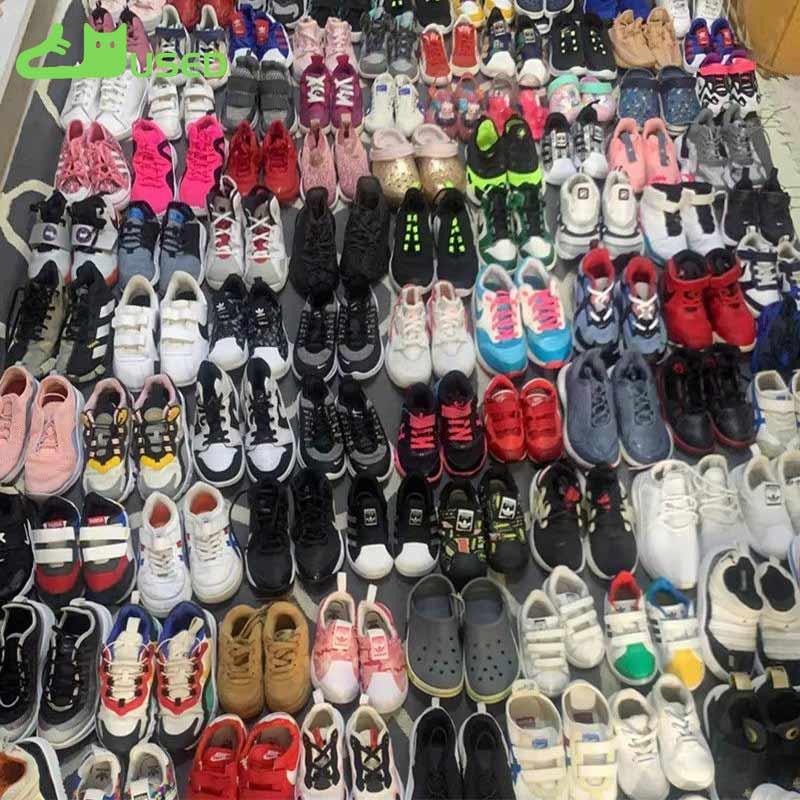
Count released sneakers, school-style shoes, sandals, boots and other approved forms by visible marked size. Keep conflicts and unreadable marks outside the curve. Do not infer age or silently convert labels.
Set concentration and substitution rules before packing. Compare the approved matrix with several ordinary units. A supplier capability is the ability to return variance and revise the plan, not a promise that every bale is identical.
released construction
visible pair label
buyer-defined range
returned before packing
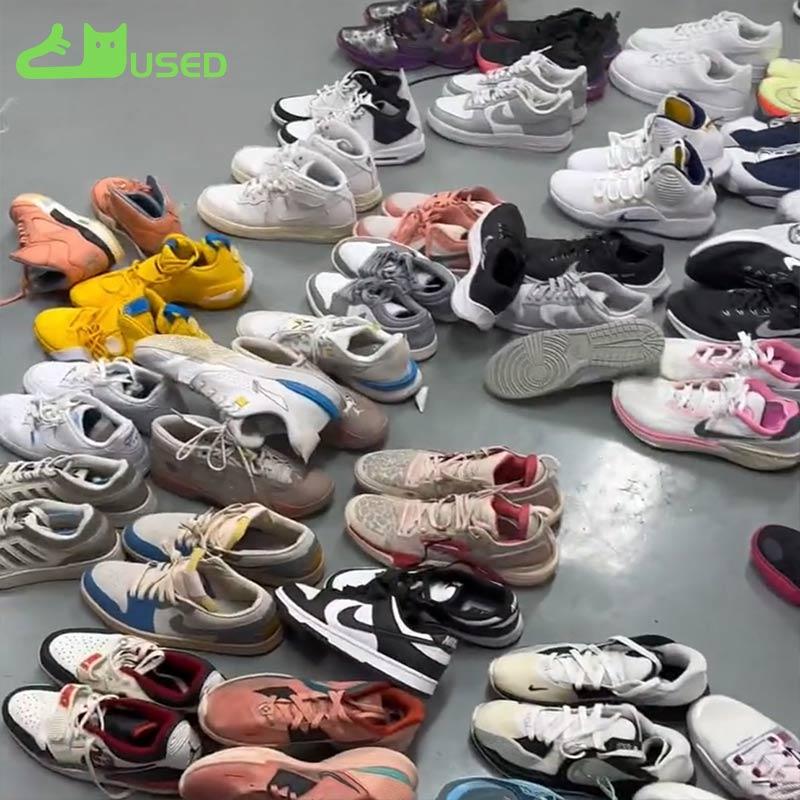
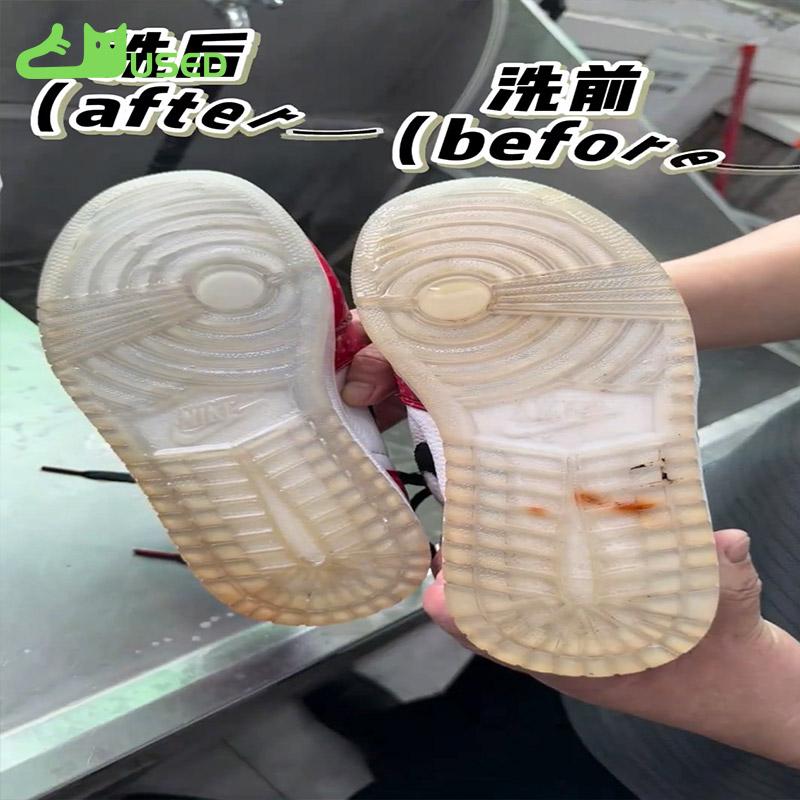
Ask for cleaning, drying, relacing, insole work and minor-task records with post-work dispositions. Review capacity by task rather than a general cleaned claim. High work concentration can change available quantity, lead time and accepted-pair economics.
Packing should keep mates together, protect small forms, confirm dryness and preserve code, accepted basis, form-size reference, gross weight and closure date. Repacked units need a revision history.
task and outcome
closure evidence
shape and interior
changed unit record
Record currency date, delivery term, unit, estimated or counted pairs, inspection scope, preparation included, packing type and document package. Keep pairs, kilograms and bales distinct. Ask what is included and what the buyer supplies locally.
Use a trial to calculate accepted and sale-ready yield under the buyer's process. Run a weaker scenario where evidence is uncertain. Avoid treating a headline price as proof of lower landed cost or guaranteed profit.
declared delivery basis
included work
commercial and operational
labeled scenario

Define a receiving sample and compare pair, function, condition, form-size and packing fields. Preserve supplier and receiver versions. Every variance needs an inventory disposition, evidence owner and commercial discussion owner.
A supplier demonstrates repeatability by using that feedback in the next controlled brief, not by promising zero variance. Track which rule changed, who approved it, when it became effective and whether the next lot improves under the same measurement. Keep unresolved fields visible until the buyer accepts their disposition, and retain that decision with the affected unit codes.
same fields
affected coded stock
physical disposition
next brief revision
No. Test current-lot control, evidence, packing and feedback capabilities.
Ordinary coded units, denominators, reason counts and borderline outcomes.
Compare released form-size cells and unit variance with the approved matrix.
Preserve the quote unit, then compare accepted or sale-ready pairs using supported inputs.
The ability to close receiving variance and revise one controlled brief reproducibly.
Supplier selection improves when every promise becomes a field, record and repeatable buyer test. The used children's shoes wholesale category defines the product family; current evidence and receiving feedback decide whether the supplier fits the order.

Direct Factory Supplier of Used Shoes For African Markets In China
 Tel: +8618606960861
 Email: info@usedshoeswholesale.com
 MP/WhatsApp: +8618606960861
 Manufacturer Address:Cizao Town, Jinjiang City, Quanzhou City, Fujian Province