Author:Used Wholesale Manufacturer TIME:2026-01-26
Evidence-safe slipper circularity
Used slippers can participate in a circular economy when complete serviceable pairs receive another appropriate use and weak inventory remains visible. Collection, export and a sustainability label do not prove circular value by themselves. The operation should measure pair recovery, construction release, hygiene work, buyer allocation and final disposition with traceable units, without inventing fixed environmental savings.
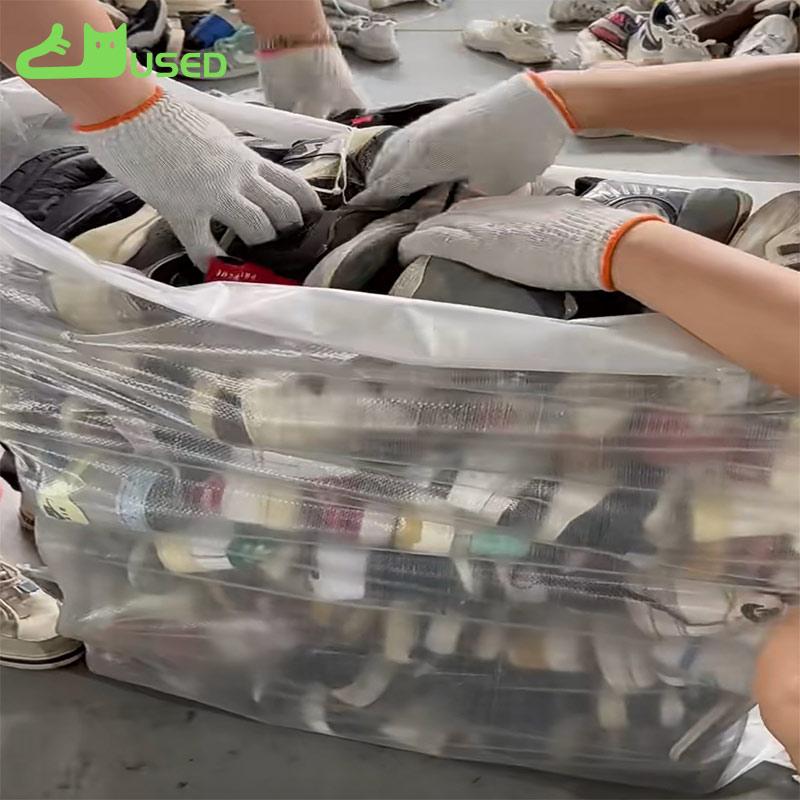
State collection period, source streams, units and physical release rules. The supportable operational statement is that counted pairs passed a written route and entered an accepted buyer lane. It is not a quantified impact claim.
Keep singles, attachment holds, hygiene exclusions, rejects and unresolved inventory in the balance. Omitting weak outcomes can overstate reuse.
period and sources
items pairs or bales
written physical route
separate method required
The balance separates measurable operations from unsupported impact totals.
| Stage | Record | Claim boundary |
|---|---|---|
| Recovery | Items, pairs and conflicts | No reuse yet |
| Utility | Construction reasons and counts | Inspected scope only |
| Preparation | Inputs and outcome | No automatic net benefit |
| Allocation | Buyer cell and released pair | No guaranteed use duration |
Visible holds and exclusions make the released result more credible.
Match left and right by construction, compatible marked size, material, color and comparable wear. Code complete pairs. Record singles, conflicts and recovered pairs separately.
Do not force visually similar slippers together to improve the result. Pairing accuracy protects fit, construction compatibility and later condition evidence.
gross intake
compatible mates
mate absent
held evidence
Inspect bands, posts, seams, sole bond, outsole wear, footbed, lining, contamination and odor under form-appropriate rules. Separate cosmetic variation from active structural failure or hygiene exclusion.
Count release, preparation, downgrade, hold and reject reasons. A slipper only supports another-use inventory after its critical attachment and contact surfaces pass.
band post seam or bond
wear and cracking
contact condition
reason-coded result
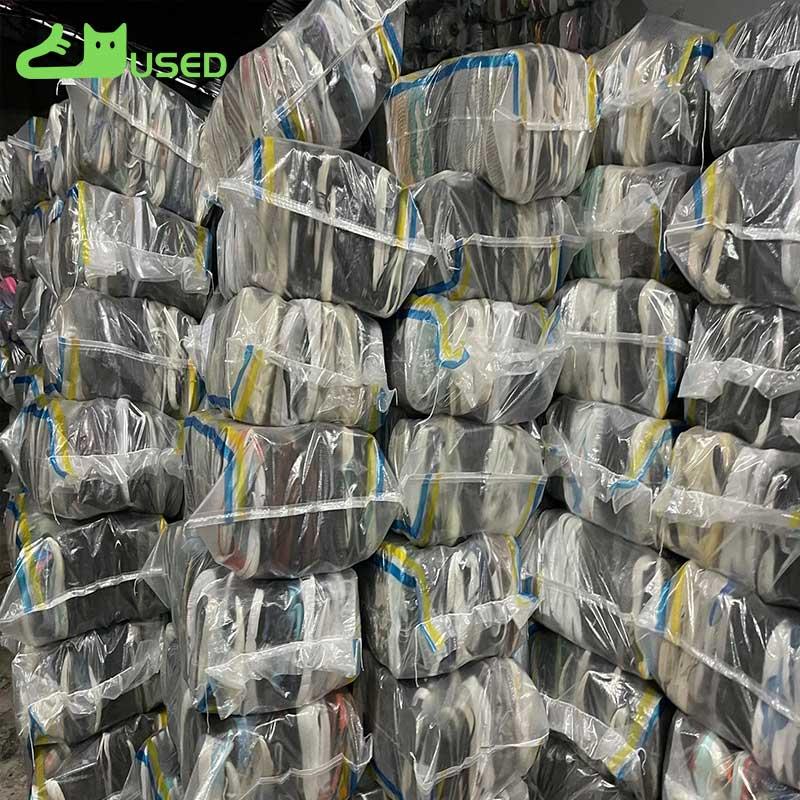
Record the original reason, approved method, labor or process input, materials, drying and reinspection. Count pairs returning to release, moving to another lane or remaining excluded.
Do not assume every cleaning action has a net environmental benefit. Publish process and outcome facts unless an appropriate impact method supports more.
condition reason
actual method
new disposition
no assumed impact
Cross-tab construction and visible marked sizes from released pairs. Do not infer a universal market preference. Record the current buyer's forms, presentation and substitution rules.
Another useful service period depends on accepted allocation, not indefinite storage. Preserve unallocated holds and the date of the buyer decision.
released construction
visible pair size
accepted inventory lane
no current allocation
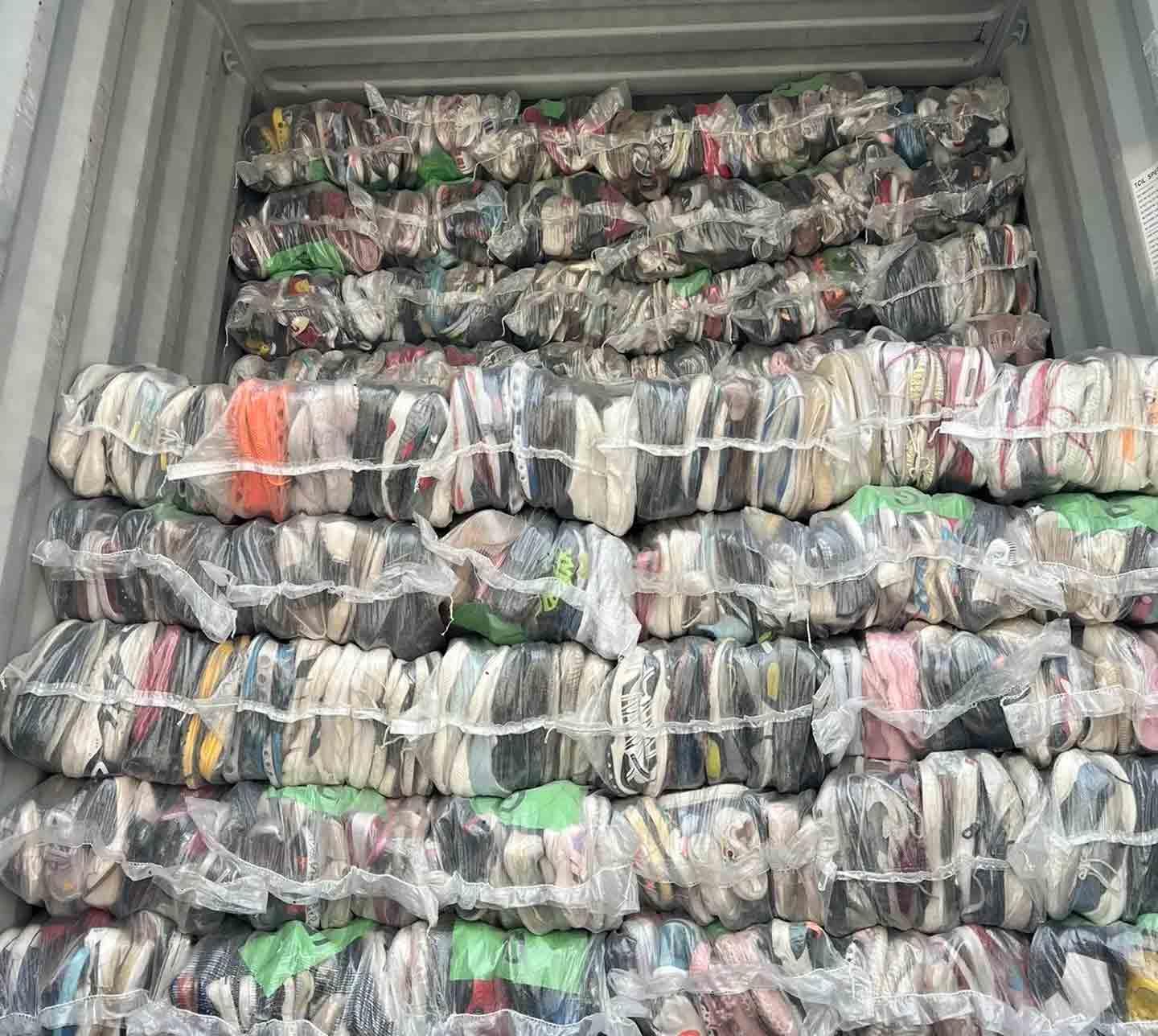
Sum released, preparation, downgrade, hold, reject, single and other defined outcomes back to the starting scope. State units and reporting date. Investigate missing transfers.
Compare periods only when source scope, method and definitions are stable, or explain the change. Improvement means better reproducibility and fewer unexplained dispositions, not a larger unsupported waste or emissions number.
another-use candidate
task pending
decision open
outside reuse
Name who owns the pair balance, buyer allocation, excluded-material route and public wording. Retain source period, definitions, method version, reviewer and reporting date. If one disposition changes after preparation or receiving, revise the balance instead of editing only the released total.
Document what happens to singles, structural rejects, hygiene exclusions and unallocated holds under the actual operation. Do not describe an unknown downstream route as recycling or recovery. Where another qualified organization handles material, record the handoff evidence and its scope without inventing the final outcome.
Before comparing periods, confirm that collection boundaries and release rules are equivalent. If they differ, present both versions and explain the operational change. Governance protects credibility because a larger number cannot hide weaker definitions.
balance and wording
method and effective period
known disposition only
comparable evidence
No. Complete serviceable pairs need release and another accepted use.
Only with a defined supportable impact method; otherwise report measured dispositions.
They preserve the denominator and prevent overstatement.
Record actual inputs and outcomes rather than assuming a net effect.
Pairing, inspection, preparation, packing and allocation controls under comparable methods.
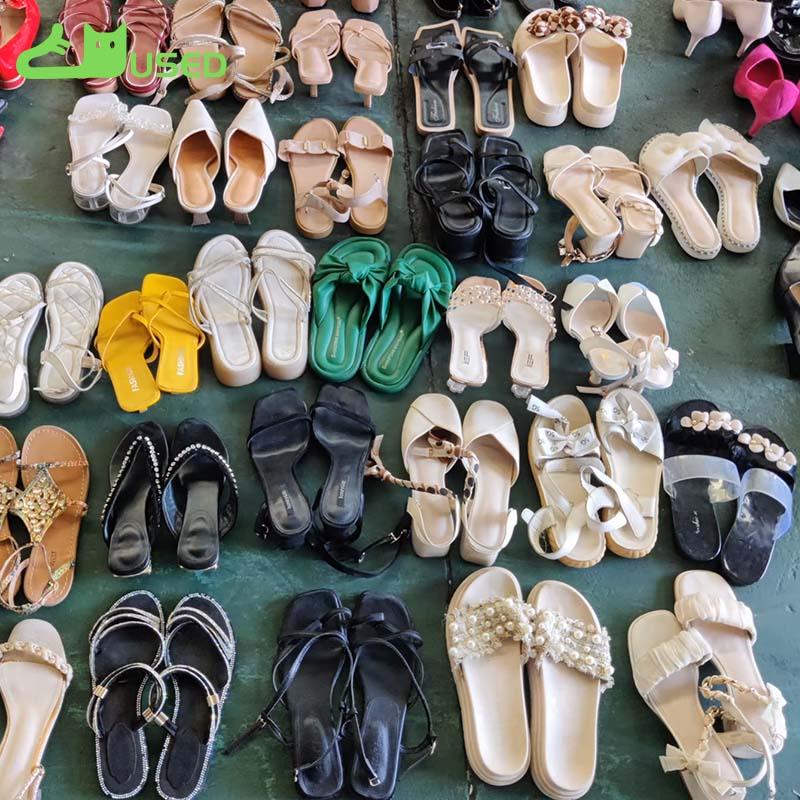
Slipper circularity is a complete disposition balance, not a broad claim attached to collection. The used slippers wholesale category shows product scope; pair, utility and allocation evidence defines what the current operation can report.

Direct Factory Supplier of Used Shoes For African Markets In China
 Tel: +8618606960861
 Email: info@usedshoeswholesale.com
 MP/WhatsApp: +8618606960861
 Manufacturer Address:Cizao Town, Jinjiang City, Quanzhou City, Fujian Province